Introduction to Otso Icebreaker
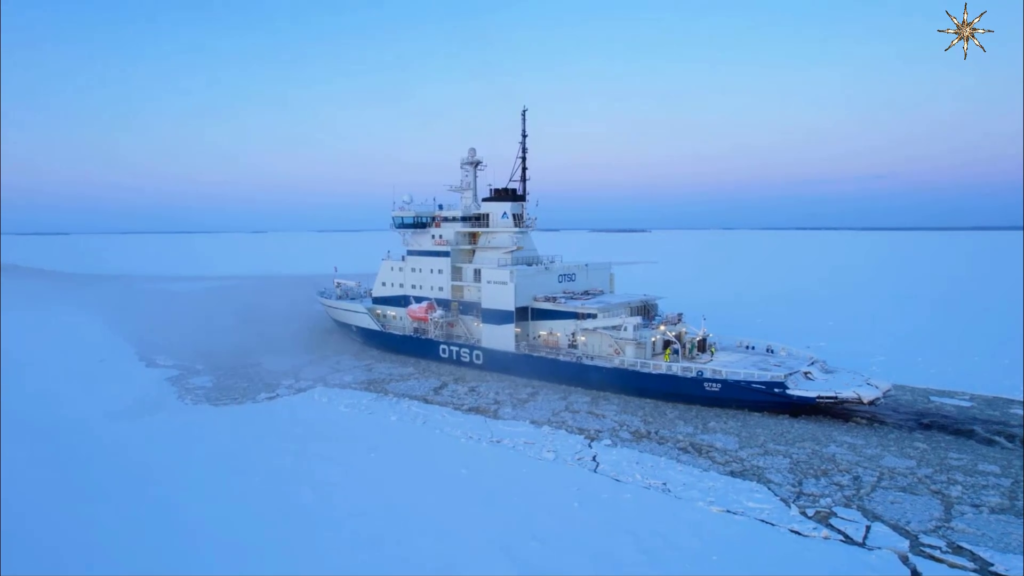
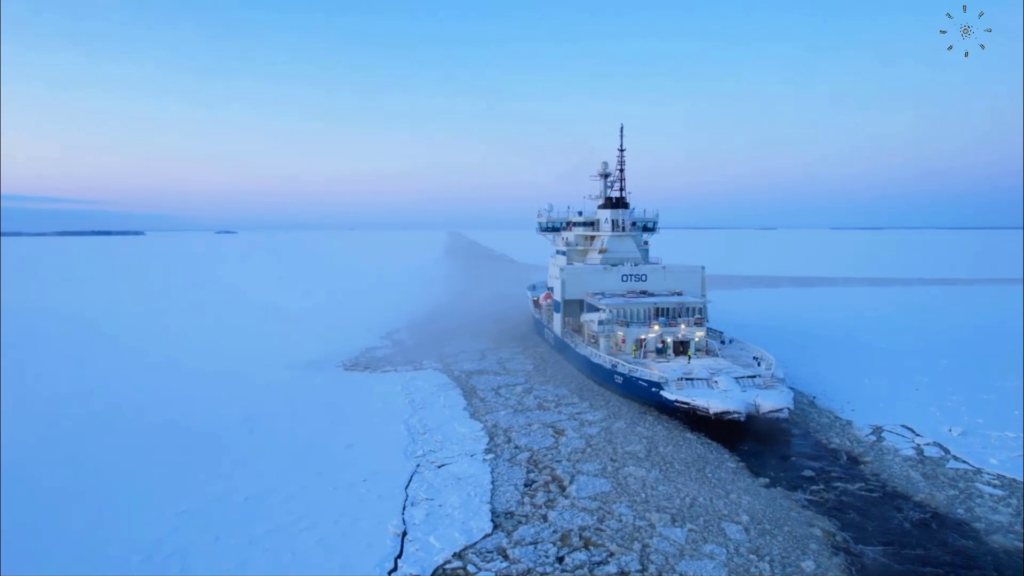
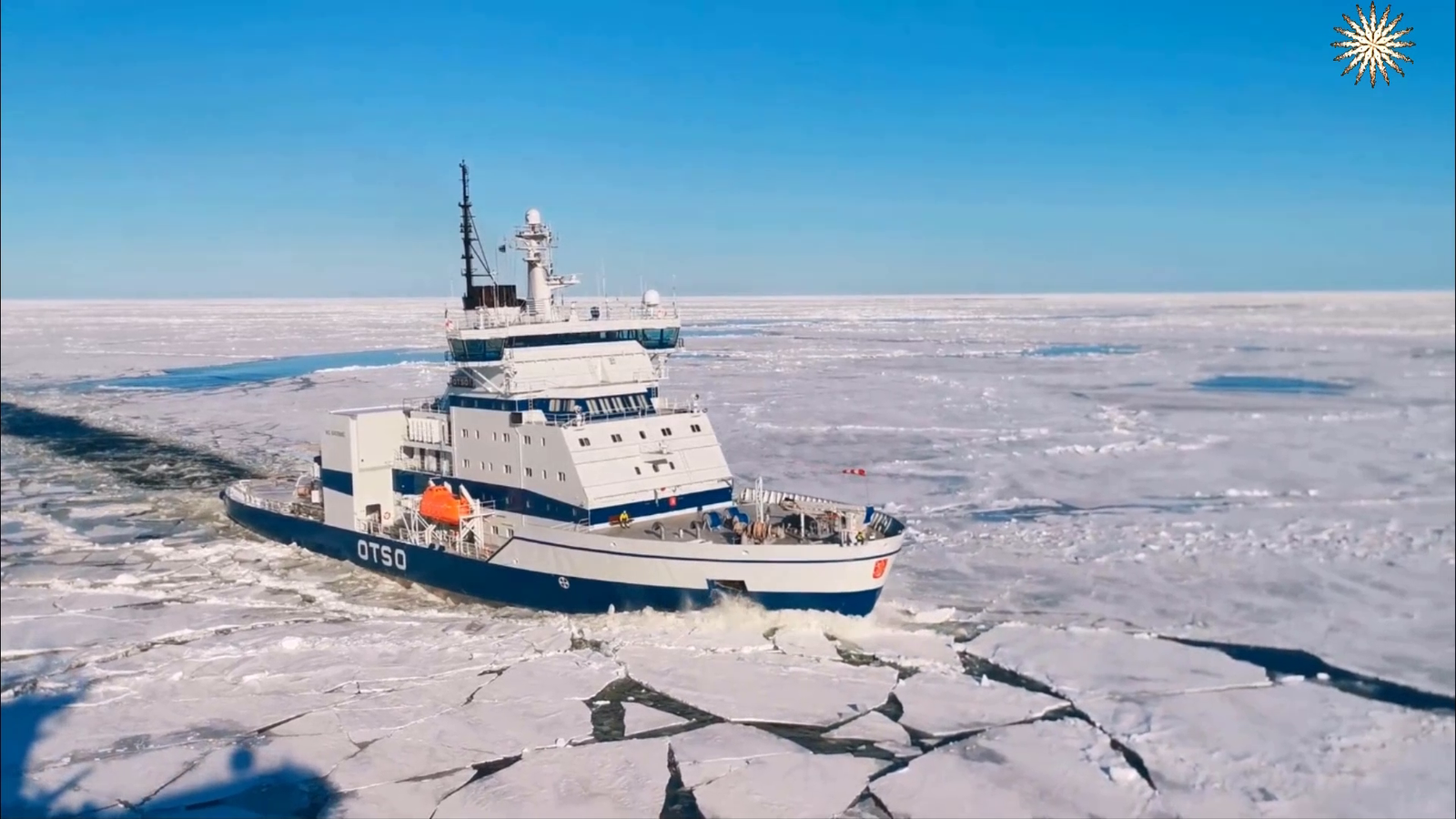
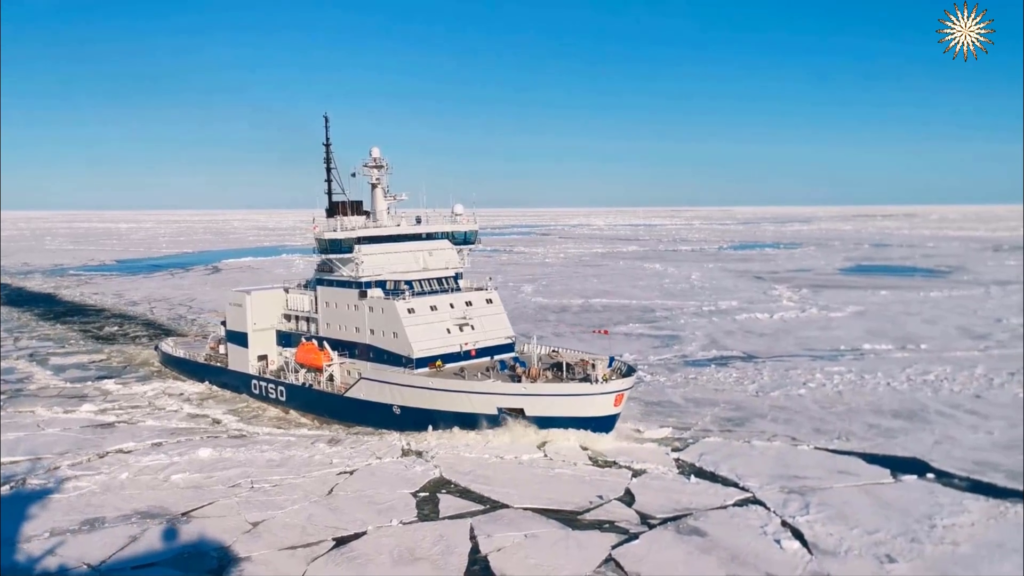
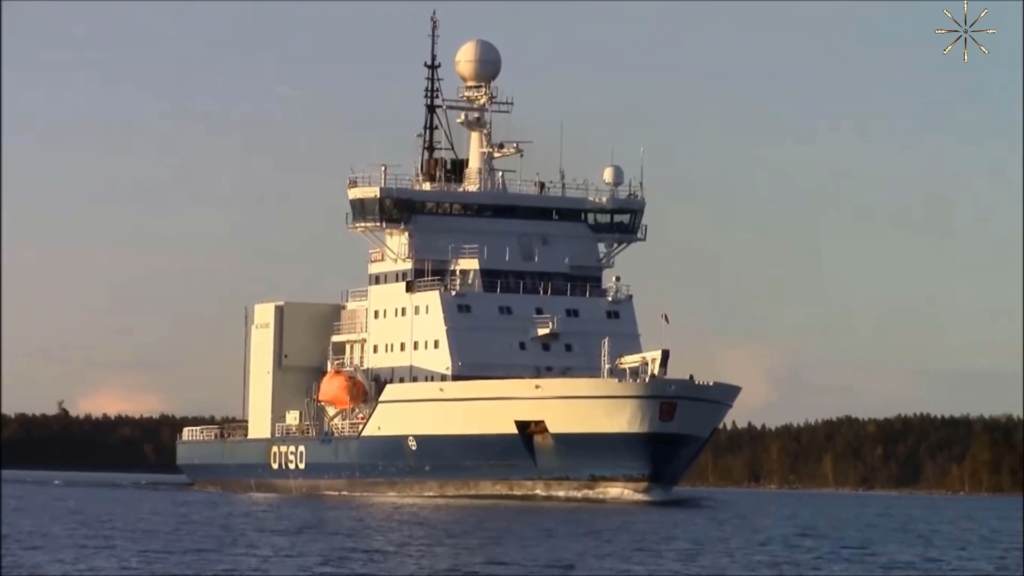
The Otso is one of Finland’s most reliable and advanced icebreaking vessels, designed to operate in the harshest icy conditions of the Baltic Sea. Built during the mid-1980s, this ship represents a significant leap in icebreaking technology, combining strength, efficiency, and modern engineering. Moreover, since entering service in 1986, Otso has played a crucial role in keeping Finland’s sea routes open during freezing winters.
Historical Background
Construction and Launch
Otso was ordered on March 19, 1984, and constructed at the Wärtsilä Helsinki Shipyard in Finland. The vessel was launched on July 12, 1985, and officially completed on January 30, 1986. Built at a cost of approximately FIM 235 million, it was designed to meet the growing demands of winter navigation in Northern Europe.
Ownership Evolution
Over the years, Otso has been managed by several organizations:
- Finnish Maritime Administration (1986–2004)
- Finstaship (2004–2010)
- Arctia Icebreaking (2010–present)
Despite these changes, its mission has remained the same—ensuring safe maritime transport during icy conditions.
Name and Cultural Significance
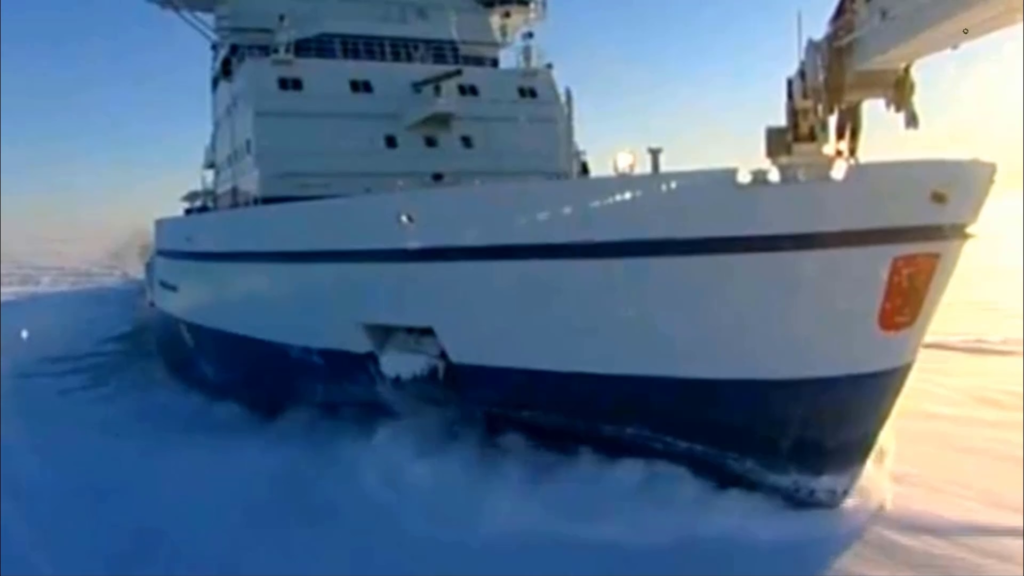
The name “Otso” comes from a traditional Finnish word for “bear.” In Finnish folklore, the bear is a symbol of strength and resilience, making it a fitting name for a vessel built to conquer thick sea ice.
Technical Specifications
General Characteristics
| Feature | Details |
|---|---|
| Type | Icebreaker |
| Gross Tonnage | 7,189 GT |
| Net Tonnage | 2,157 NT |
| Displacement | 9,222 tonnes |
| Length | 99 m |
| Beam | 24.2 m |
| Draft | 8 m (maximum) |
| Crew | 20 |
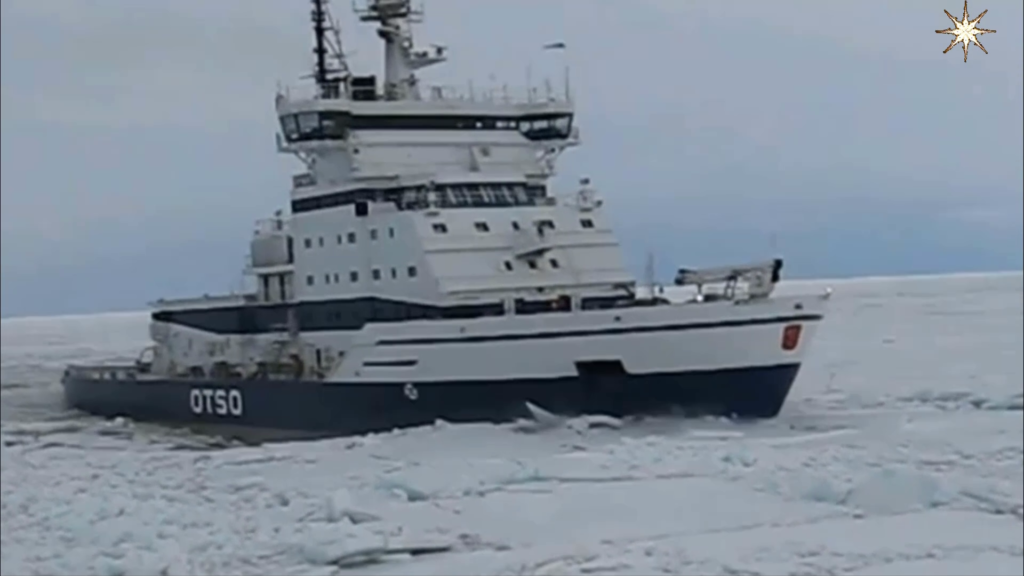
These dimensions allow Otso to maintain stability and power while navigating frozen waters.
Power and Propulsion System
Otso uses a diesel-electric propulsion system, which is both efficient and reliable for icebreaking operations.
Engine Details
- 4 × Wärtsilä Vasa 16V32 engines
- Each producing 5,460 kW
- Total installed power ensures high performance
Propulsion System
- Two shafts
- Each generating 7,500 kW
This setup enables the vessel to break thick ice while maintaining maneuverability.
Performance Capabilities
Otso is designed to operate under extreme conditions:
- Maximum speed: 18.5 knots (34.3 km/h)
- Speed in ice: 10 knots in 0.8 m thick level ice
These capabilities make it highly effective in maintaining shipping lanes during winter.
Icebreaking Technology
Hull Design
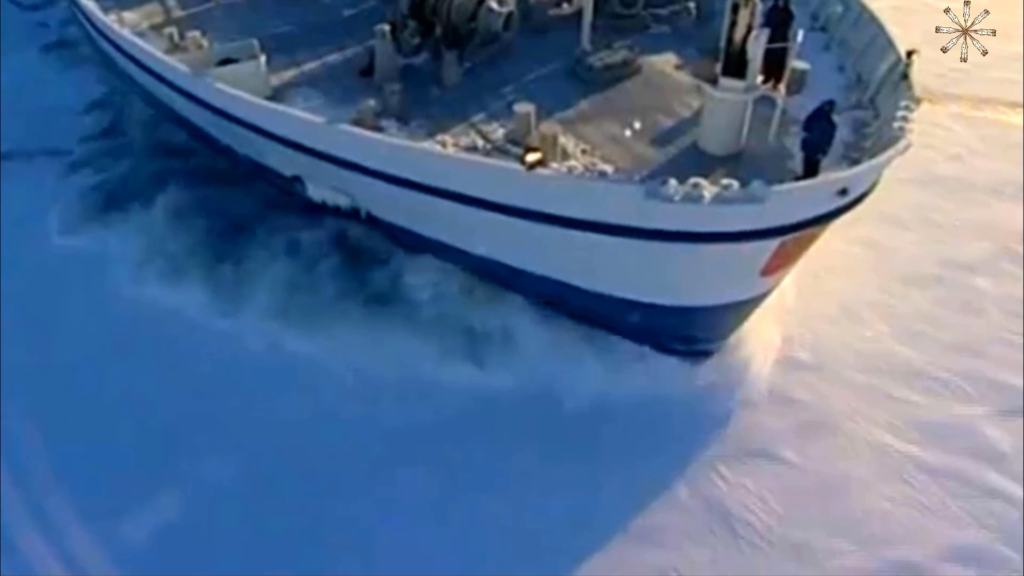
The hull of Otso is specially reinforced to withstand pressure from thick ice. Its shape allows it to ride up onto the ice and break it using its weight.
Ice Class Rating
- Polar Class 4 (since 2015)
This classification confirms its ability to operate in moderate multi-year ice conditions.
Navigation and Communication Systems
Otso is equipped with modern navigation tools and communication systems, ensuring safety and efficiency:
- IMO Number: 8405880
- Call Sign: OIRT
- MMSI Number: 230252000
These systems allow seamless coordination with other vessels and maritime authorities.
Crew and Onboard Facilities
Crew Composition
The vessel operates with a crew of about 20 members, including engineers, navigation officers, and support staff.
Living Conditions
Despite its industrial role, Otso offers comfortable living quarters, ensuring crew members can work efficiently during long missions.
Aviation Support
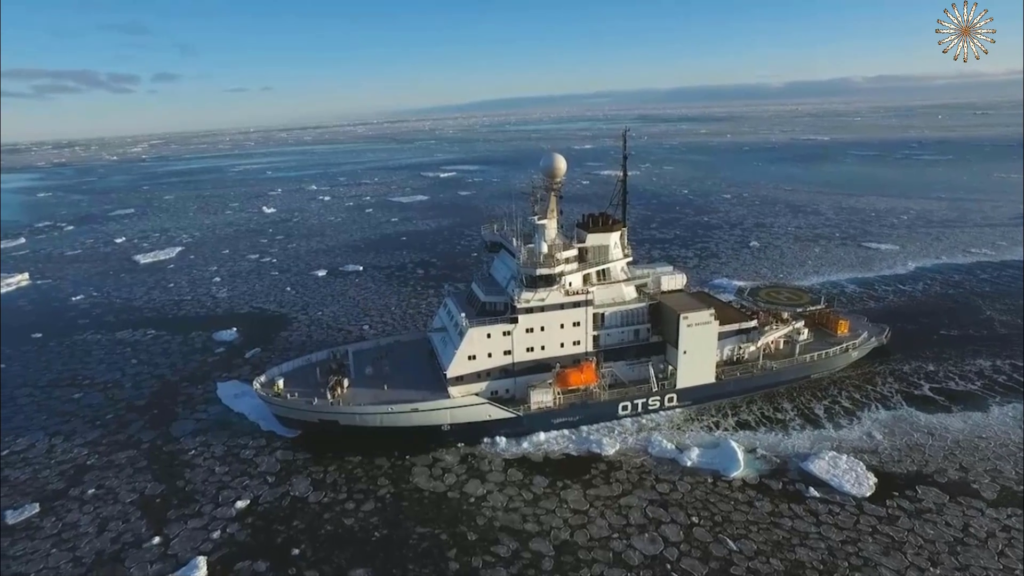
Otso includes a helicopter landing area, which enhances its operational flexibility. Helicopters can be used for:
- Ice reconnaissance
- Emergency evacuations
- Transport of personnel and supplies
Role in Finnish Maritime Operations
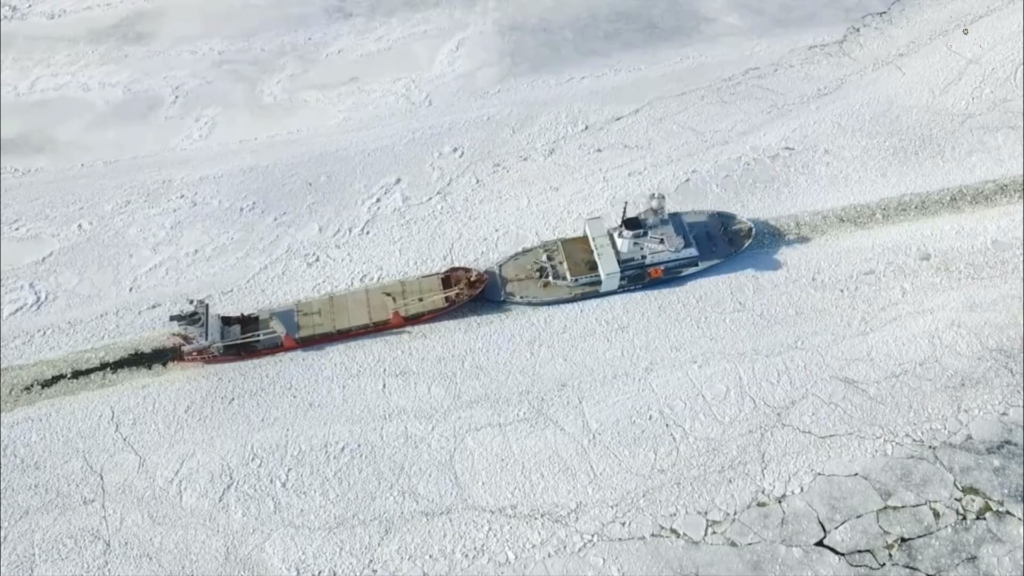
Otso plays a vital role in Finland’s economy by:
- Keeping trade routes open during winter
- Assisting commercial ships trapped in ice
- Supporting search and rescue operations
Without icebreakers like Otso, maritime trade in the Baltic Sea would face severe disruptions.

Environmental Considerations
Modern upgrades have improved Otso’s environmental performance:
- Reduced emissions
- Efficient fuel consumption
- Compliance with international maritime regulations
These improvements align with global efforts to make shipping more sustainable.
Modern Upgrades and Longevity
Even after decades of service, Otso remains relevant due to continuous upgrades:
- Improved propulsion systems
- Enhanced navigation technology
- Updated safety equipment
These upgrades extend its operational life and maintain high performance standards.
Comparison with Other Icebreakers
Compared to newer vessels, Otso still holds strong due to:
- Proven reliability
- Robust construction
- Efficient design
While newer ships may feature advanced automation, Otso’s durability keeps it competitive.
Importance in Arctic and Baltic Regions
Icebreakers like Otso are essential in regions where ice can block shipping routes for months. They:
- Ensure year-round maritime access
- Support economic stability
- Enhance safety at sea
Future Outlook
Otso is expected to continue serving for years to come. With ongoing maintenance and technological upgrades, it remains a key asset in Finland’s icebreaking fleet.
Frequently Asked Questions (FAQs)
1. What is the Otso Icebreaker used for?
Otso is used to break sea ice and keep shipping lanes open during winter, especially in the Baltic Sea.
2. When was Otso built?
It was completed in January 1986 after being launched in July 1985.
3. How powerful is Otso?
It has four engines producing a combined output of over 21,000 kW, making it highly powerful.
4. Can Otso operate in extreme ice conditions?
Yes, it has a Polar Class 4 rating, allowing it to operate in challenging ice environments.
5. Does Otso carry helicopters?
It has a helicopter landing area but not a permanent hangar.
6. Who owns Otso today?
It is currently operated by Arctia Icebreaking.
Conclusion
The Otso Icebreaker stands as a symbol of Finnish engineering excellence and resilience. For nearly four decades, it has ensured safe navigation through icy waters, supporting trade and safety in the Baltic region. Its robust design, powerful engines, and continuous upgrades make it a lasting and valuable asset in modern maritime operations.