Introduction to USCGC Polar Star
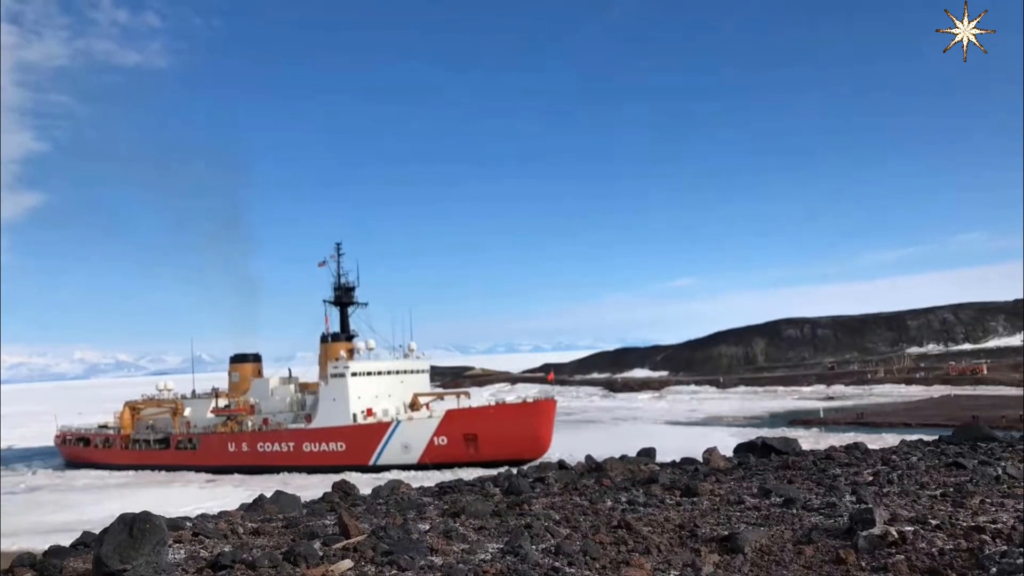
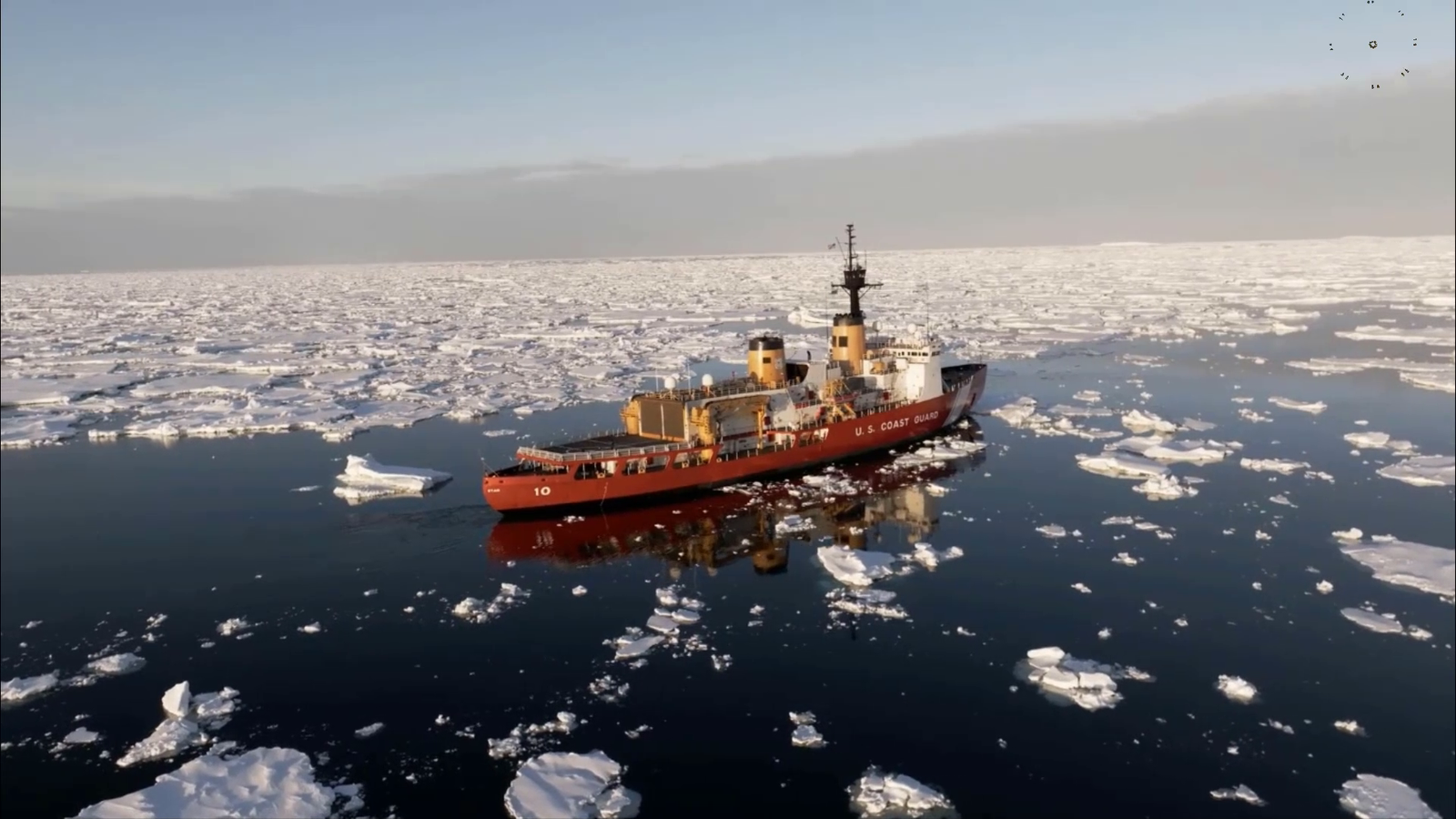
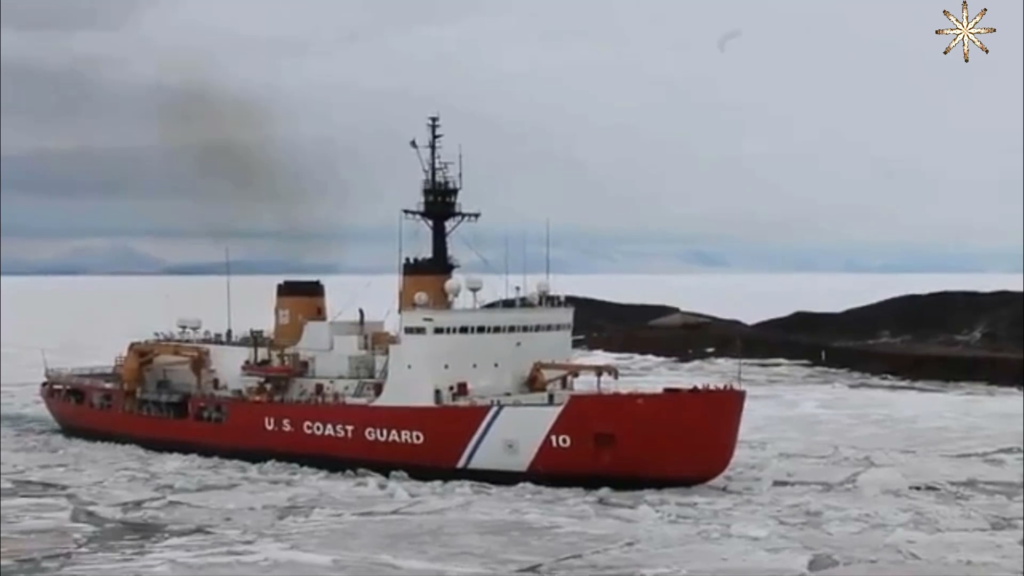
The USCGC Polar Star is one of the most powerful and enduring icebreakers operated by the United States Coast Guard. Commissioned in 1976, this massive vessel has played a critical role in supporting polar missions, particularly in Antarctica.
Built during the Cold War era, the ship remains operational today, making it one of the oldest active vessels in U.S. government service. Despite its age, it continues to perform demanding missions in some of the harshest environments on Earth.
Why USCGC Polar Star Is Important
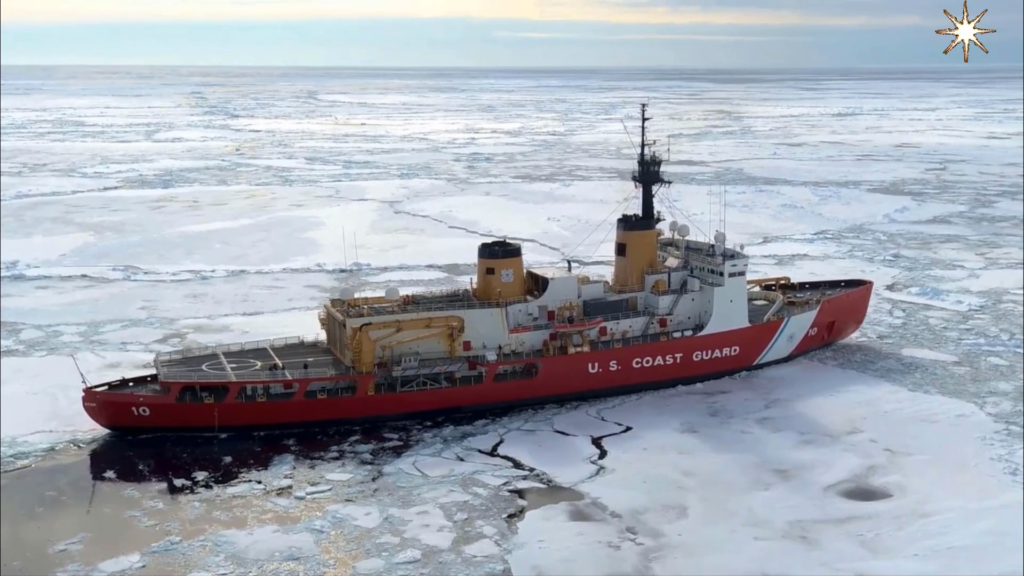
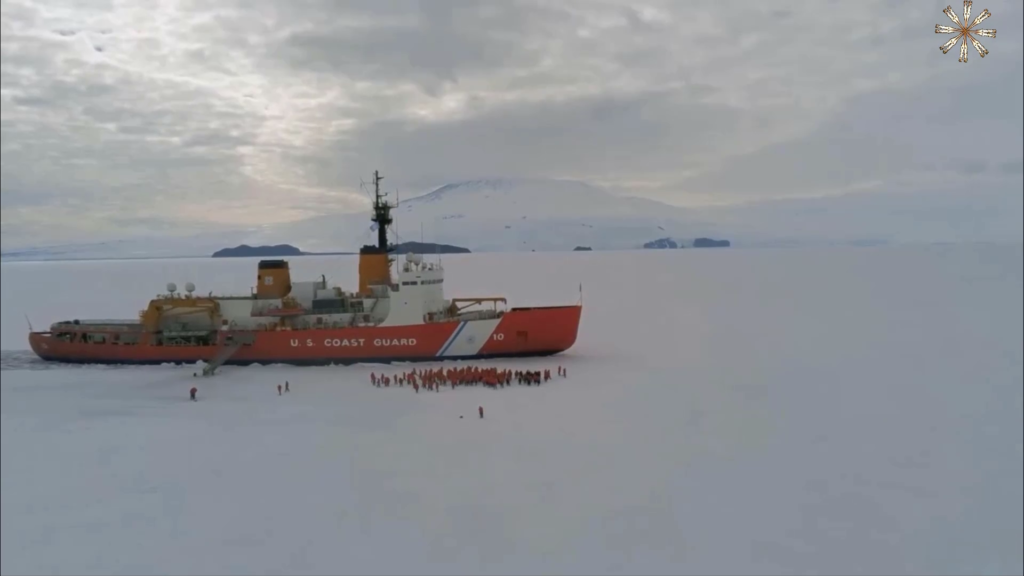
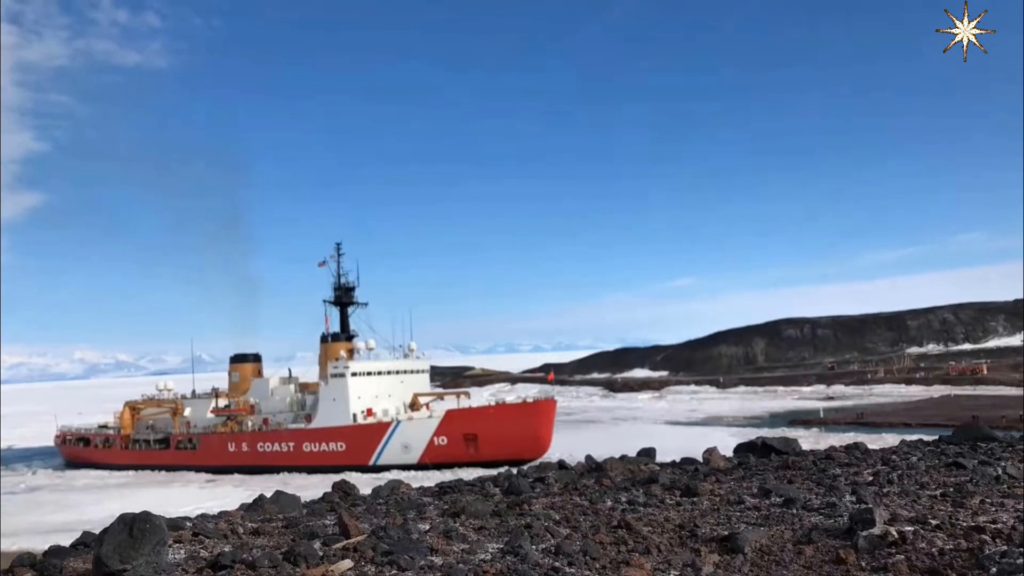
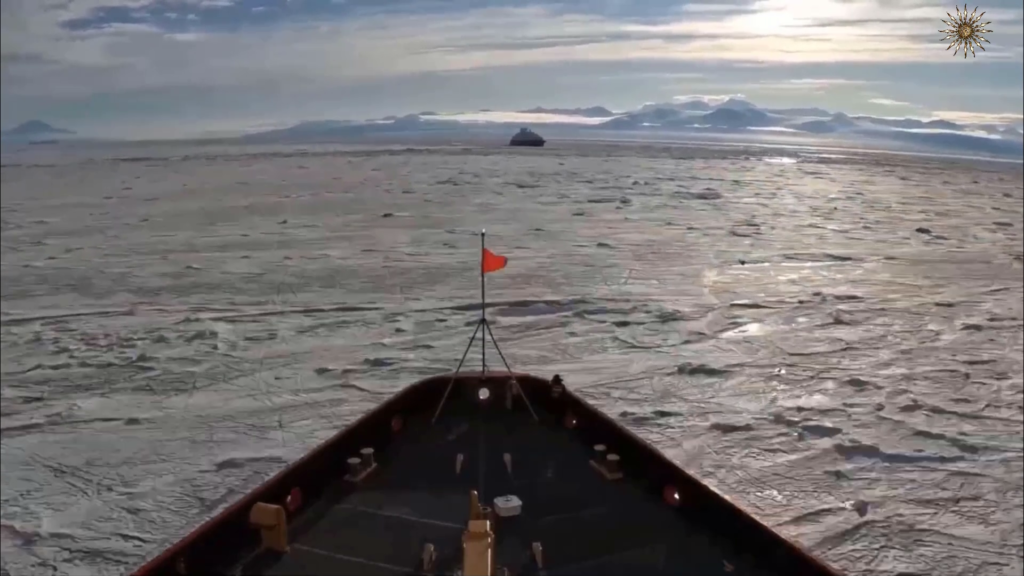
The USCGC Polar Star serves as a vital logistical lifeline. It ensures access to remote research stations, particularly during Operation Deep Freeze, a long-running mission supporting Antarctic research.
Without ships like Polar Star, scientific exploration and national presence in polar regions would be severely limited.
Overview of Polar-Class Icebreakers
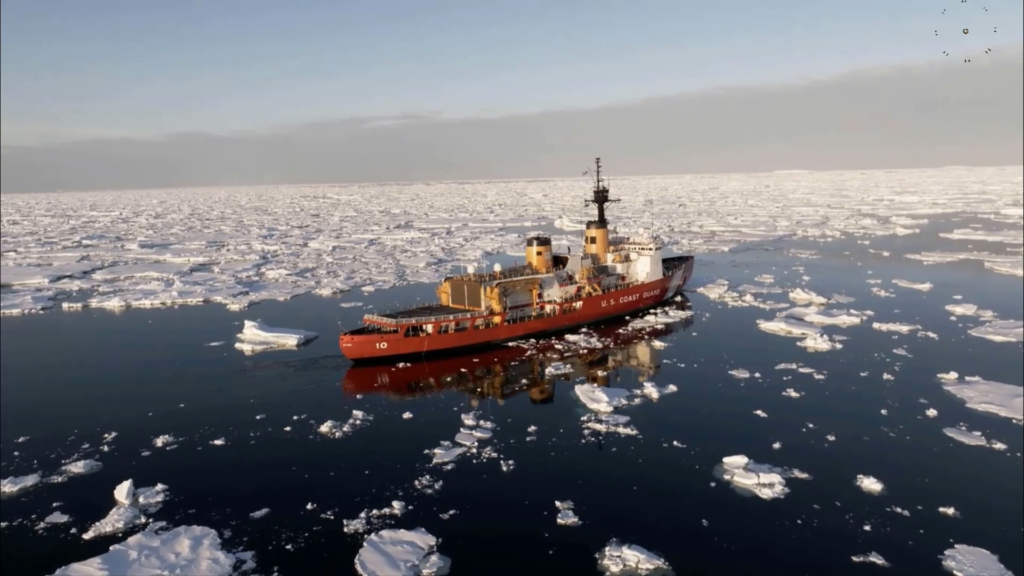
Polar-class icebreakers are designed to break through thick ice layers that standard ships cannot navigate. These vessels use sheer weight and reinforced hulls to crush ice, enabling safe passage through frozen waters.
History of USCGC Polar Star
Construction and Early Years
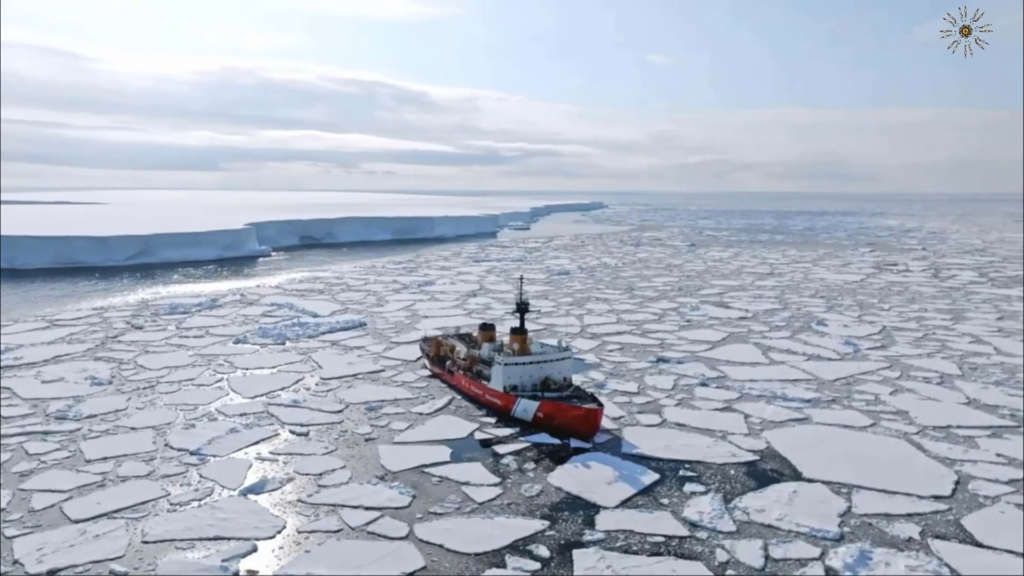
The USCGC Polar Star was constructed by Lockheed Shipbuilding and Construction Company in Seattle, Washington. The keel was laid on May 15, 1972, and the ship was launched in 1973.
Commissioning in 1976
Officially commissioned on January 17, 1976, Polar Star quickly became a cornerstone of U.S. polar operations. Its early missions focused on Arctic and Antarctic navigation and supply.
Decommissioning and Recommissioning
Due to budget constraints and aging systems, the ship was temporarily decommissioned. However, growing strategic interest in polar regions led to its recommissioning in 2012.
Major Refit (2010–2012)
The vessel underwent a significant overhaul at Vigor Shipyards. This refit extended its lifespan and upgraded critical systems, allowing it to return to active duty.

Design and Engineering Features
Hull Design for Icebreaking
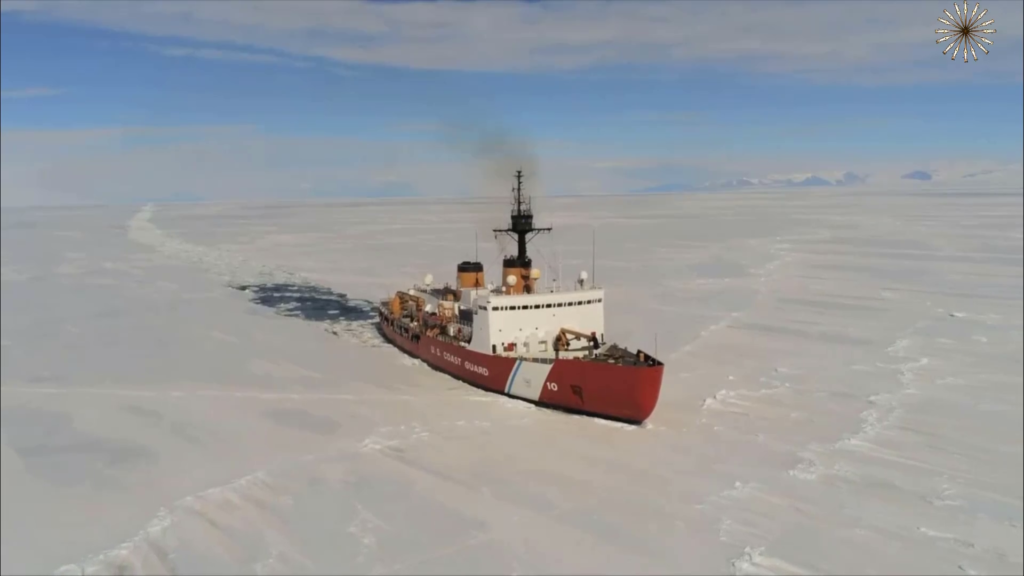
The hull of the USCGC Polar Star is specially shaped to ride up on ice and crush it under its weight. This design allows the ship to break ice up to 6 feet thick continuously.
Structural Strength and Ice Resistance
Its reinforced steel hull is built to withstand extreme pressure from surrounding ice. This makes it one of the toughest ships ever constructed for polar navigation.
Propulsion System Explained
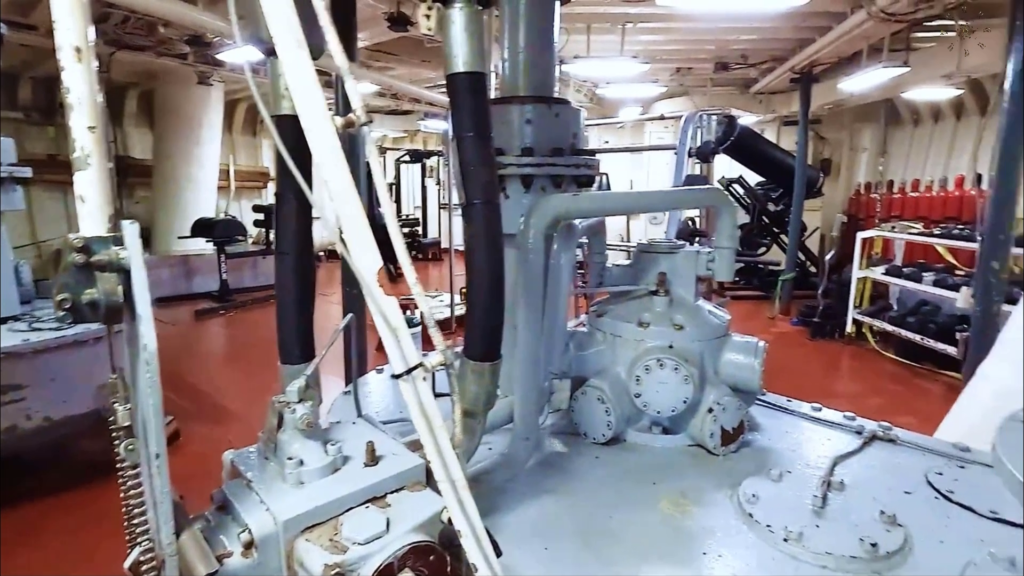
The ship uses a hybrid propulsion system combining diesel engines and gas turbines.
CODLOG Technology
The Combined Diesel-Electric or Gas (CODLOG) system allows flexibility in power usage. Diesel engines are used for efficiency, while gas turbines provide extra power when breaking thick ice.
Technical Specifications
Size, Power, and Performance
- Length: 399 ft (122 m)
- Beam: 83.5 ft
- Draft: 31 ft
- Displacement: Over 13,600 tons (full load)
The ship is powered by:
- Six diesel engines (3,000 hp each)
- Three gas turbines (25,000 hp each)
Speed and Range Capabilities
- Maximum speed: 18 knots
- Icebreaking speed: 3 knots in thick ice
- Range: Up to 28,275 nautical miles
These capabilities allow extended missions without frequent refueling.
Missions and Operations
Antarctic Missions (Operation Deep Freeze)
The ship plays a crucial role in Operation Deep Freeze, breaking ice channels to supply research stations like McMurdo Station.
Arctic Deployments
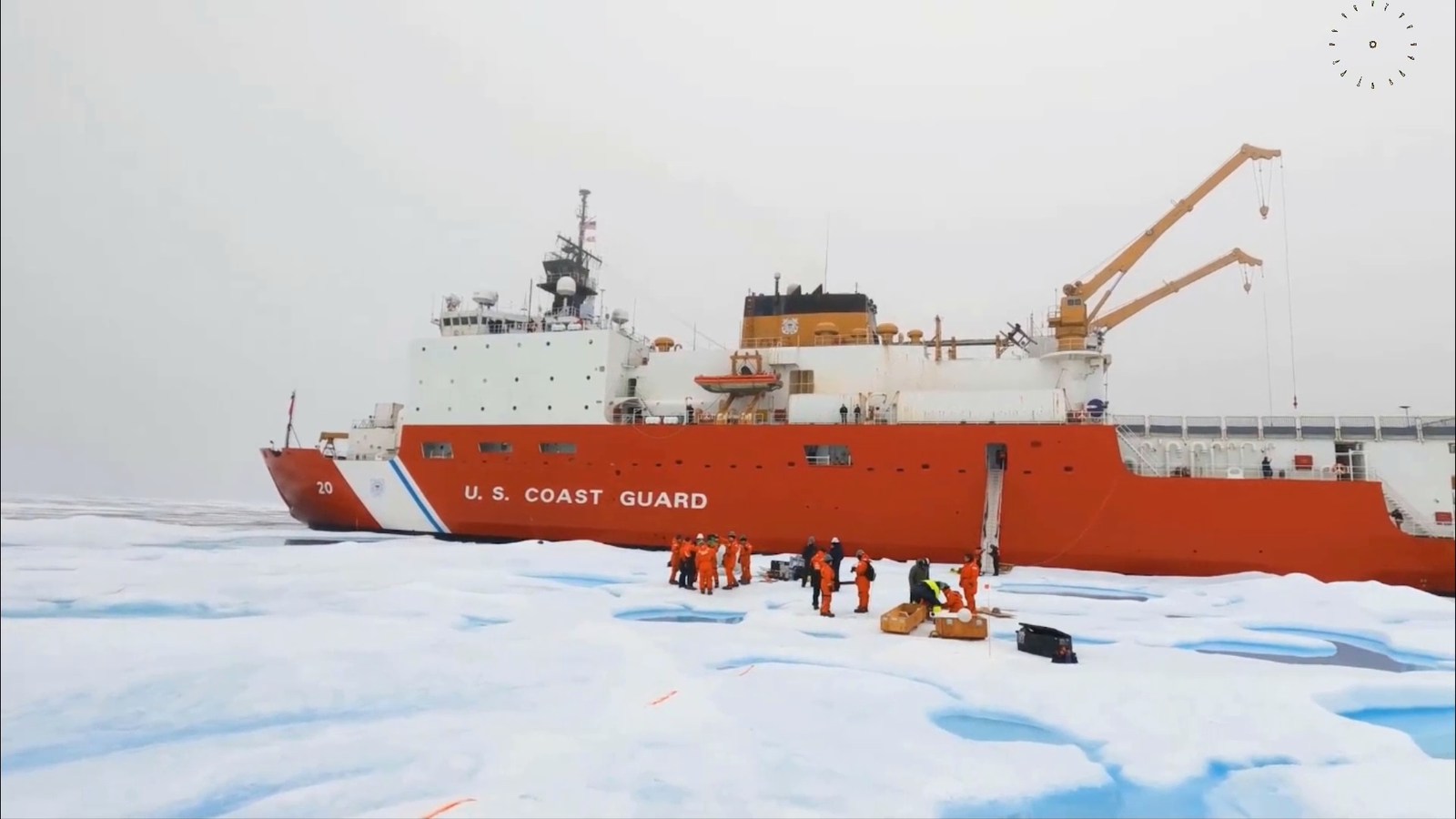
In addition to Antarctic missions, Polar Star operates in Arctic waters, ensuring U.S. presence in strategically important regions.
Scientific and Military Support
The vessel supports scientific research, search-and-rescue missions, and national security operations.
Awards and Recognitions
Notable Honors
The ship has received numerous awards, including:
- Hopley Yeaton Cutter Excellence Award (2020)
- Lucas Plaque from the American Society of Naval Engineering
Service Medals Overview
- 24 Antarctica Service Medals
- 14 Arctic Service Medals
- Multiple unit commendations
Crew and Life Onboard
Crew Composition
The ship operates with:
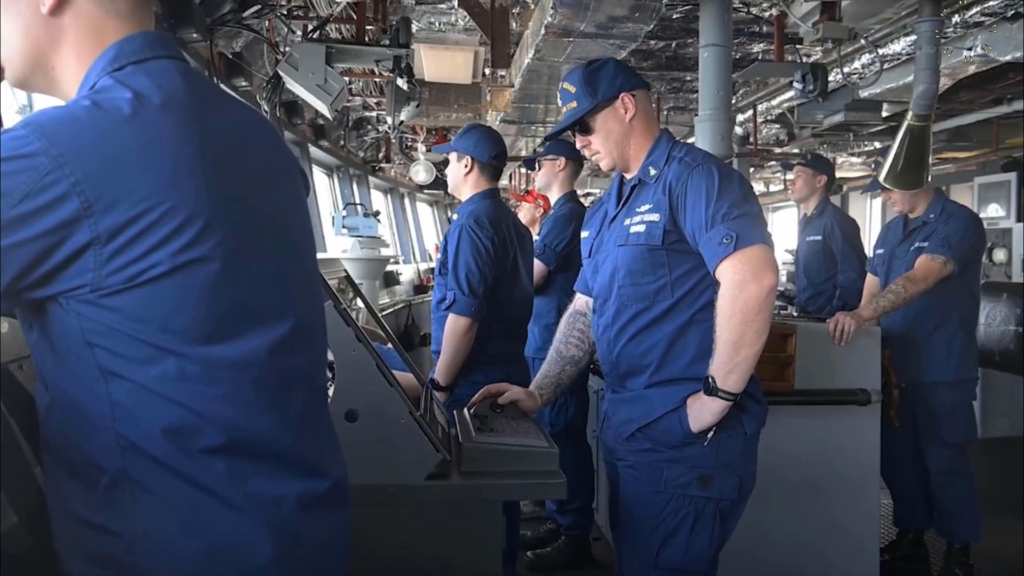
- 18 officers
- 127 enlisted personnel
Daily Life in Extreme Conditions
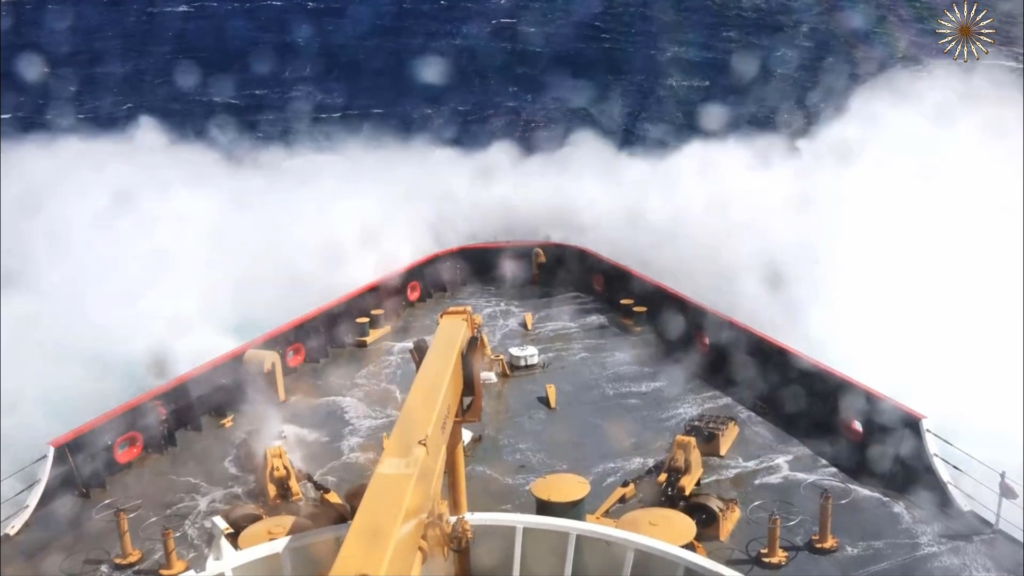
Life aboard Polar Star is challenging. Crew members endure freezing temperatures, isolation, and long deployments.
Nicknames and Culture
Origins of Popular Nicknames
The ship has earned several nicknames like:
- “Polar Roller”
- “The Star”
- “Cell Block 10”
These reflect both humor and respect among crew members.
Shipboard Traditions
Traditions include ceremonies for crossing the Antarctic Circle and morale-boosting events during long missions.
Challenges and Maintenance
Aging Infrastructure
Despite upgrades, the ship faces ongoing mechanical challenges due to its age.
Future Replacement Plans
The U.S. is investing in newer icebreakers under the Polar Security Cutter Program.
Comparison with Other Icebreakers
USCGC Healy vs Polar Star
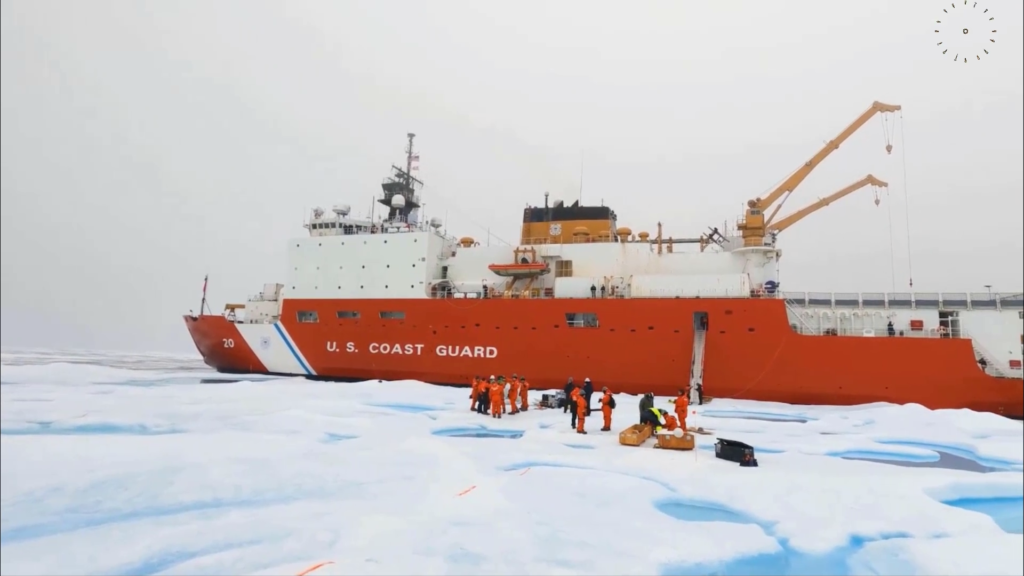
Compared to USCGC Healy, Polar Star is more powerful but older.
Global Icebreaker Competitors
Countries like Russia operate larger fleets, highlighting the need for modernization.
Future of USCGC Polar Star
Role in Modern Strategy
The ship remains essential for maintaining U.S. presence in polar regions.
Polar Security Cutter Program
New ships will eventually replace Polar Star, but it continues to serve until then.
FAQs
1. What is USCGC Polar Star used for?
It is primarily used for icebreaking, supporting Antarctic missions, and maintaining U.S. presence in polar regions.
2. How old is USCGC Polar Star?
It was commissioned in 1976, making it nearly 50 years old.
3. Can Polar Star break thick ice?
Yes, it can break ice up to 6 feet thick continuously.
4. Where is Polar Star currently deployed?
It is typically deployed in Antarctica during Operation Deep Freeze.
5. How many crew members are on board?
Around 145 personnel, including officers and enlisted crew.
6. Will Polar Star be replaced?
Yes, through the Polar Security Cutter Program.
Conclusion
The USCGC Polar Star stands as a symbol of endurance, engineering excellence, and national commitment to polar exploration. Despite its age, it continues to serve as a critical asset in some of the world’s most extreme environments.
With new icebreakers on the horizon, Polar Star’s legacy will remain a cornerstone of maritime history and innovation.