🚢 USCGC Mackinaw Overview
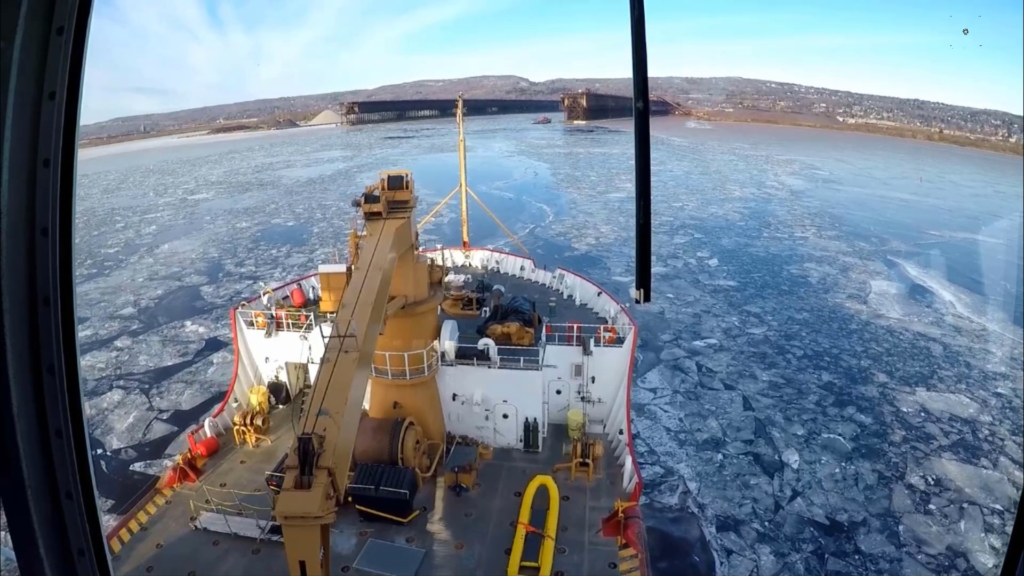
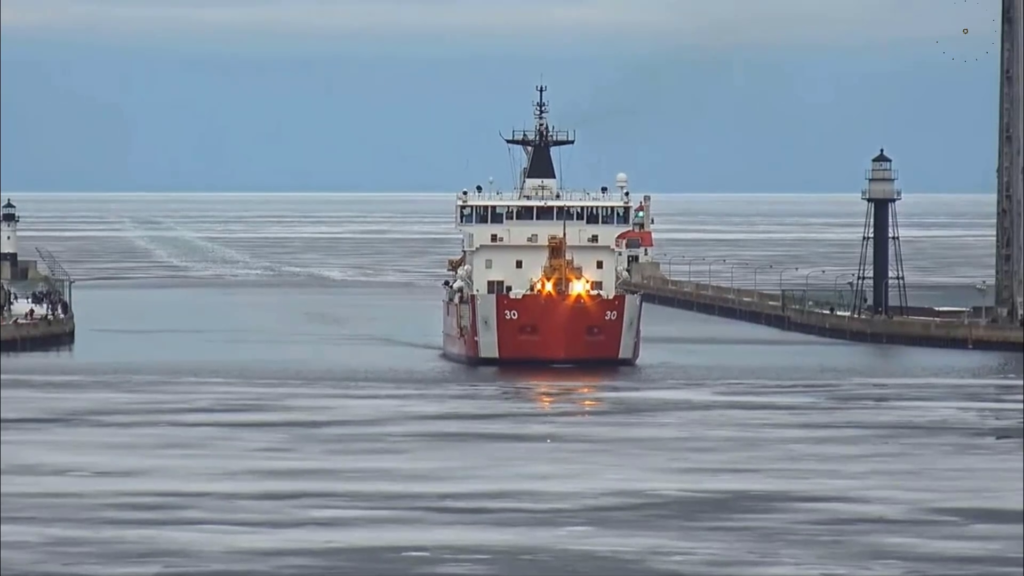
The USCGC Mackinaw stands as one of the most iconic icebreakers in United States Coast Guard history. Two ships have carried this name: the original WAGB-83, commissioned during World War II, and its modern successor WLBB-30, launched in the 21st century. Both vessels played critical roles in maintaining navigation across the Great Lakes, ensuring commerce and safety during harsh winter conditions.
🕰️ History of USCGC Mackinaw
The name “Mackinaw” comes from Mackinaw City, Michigan, reflecting the vessel’s deep connection to Great Lakes operations. The original ship was ordered in 1941 during wartime urgency, while the newer vessel represents modern engineering excellence.
⚙️ WAGB-83 Construction Era
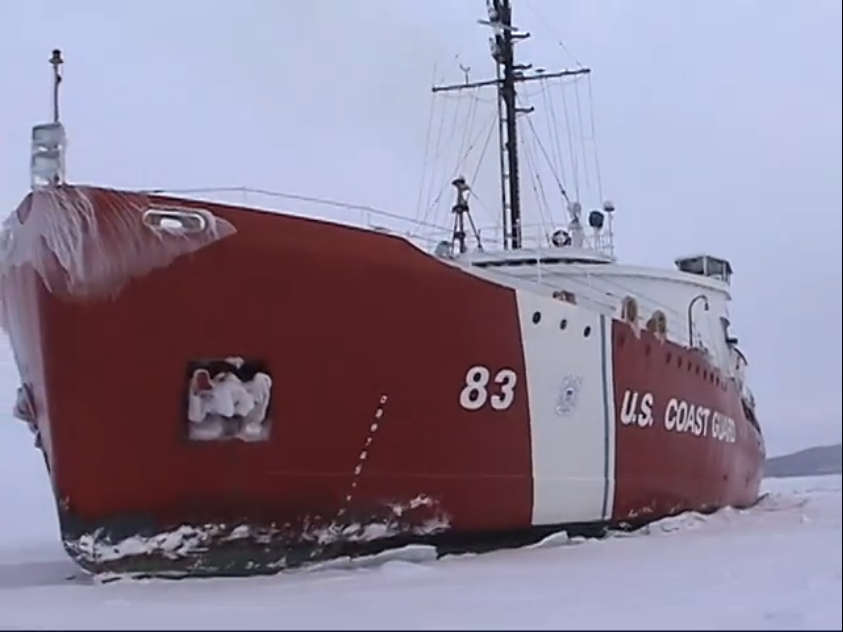
The first USCGC Mackinaw (WAGB-83) was built by the Toledo Shipbuilding Company and commissioned in 1944. Designed during World War II, it was created to keep vital shipping lanes open in icy conditions. With a displacement of over 5,200 tons and a length of 290 feet, it was the most powerful icebreaker on the Great Lakes at the time.
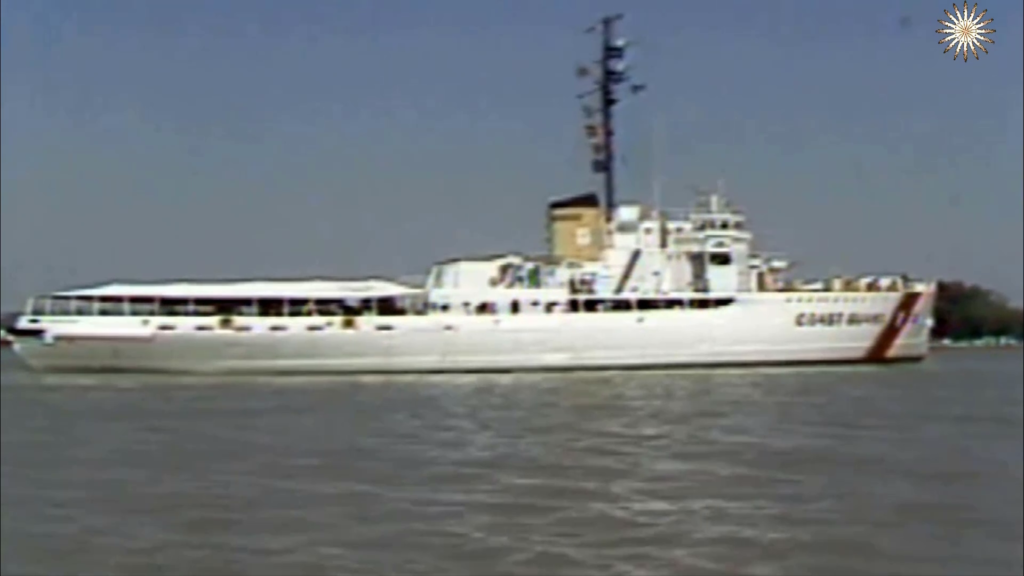
USCGC Mackinaw (WAGB-83)
🆕 WLBB-30 Modern Era
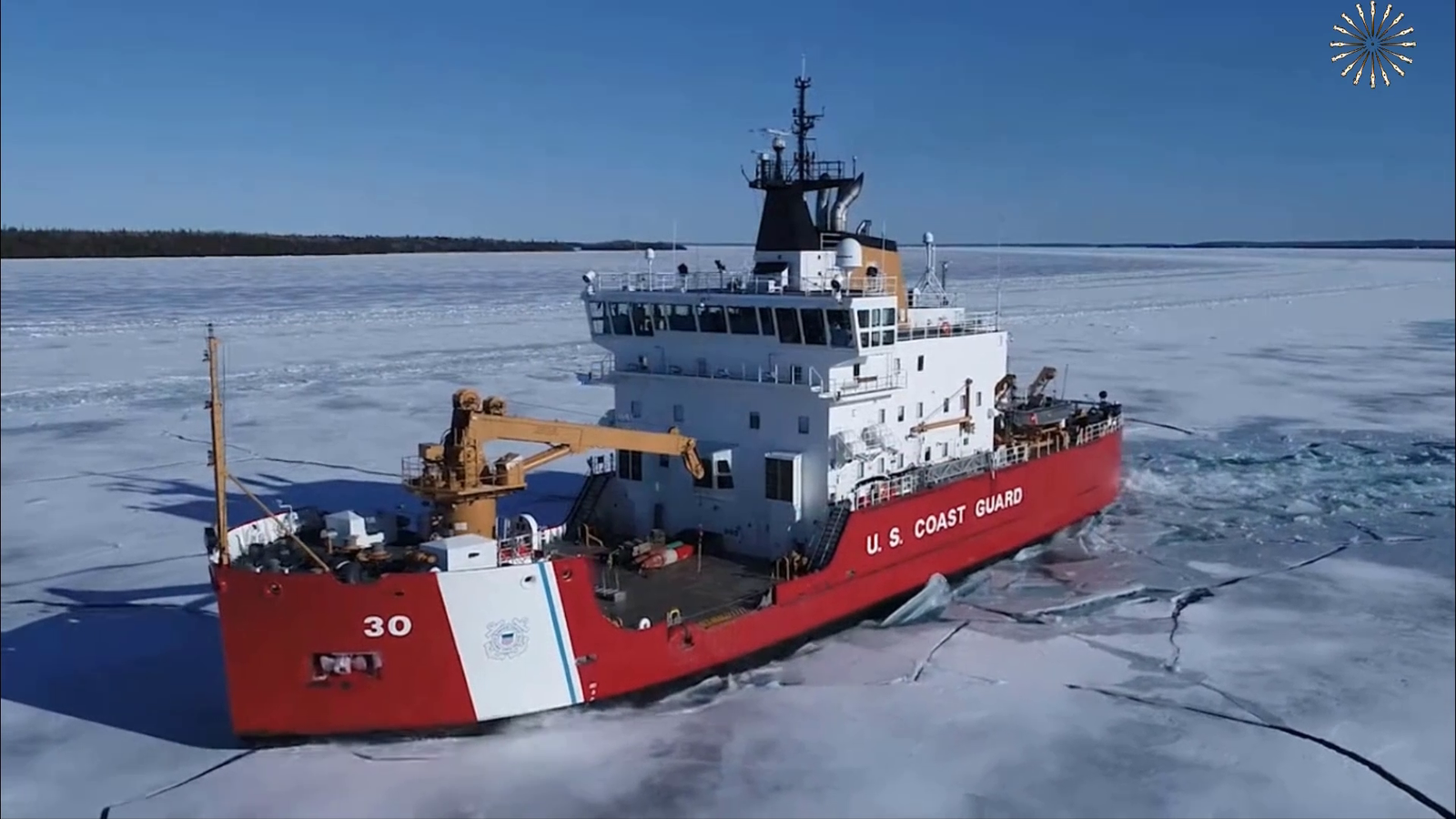
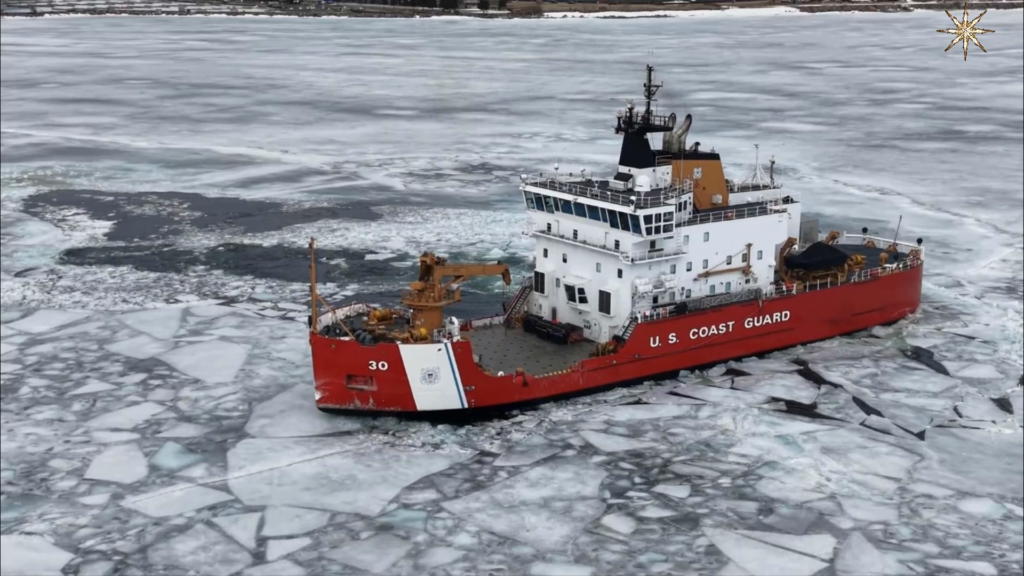
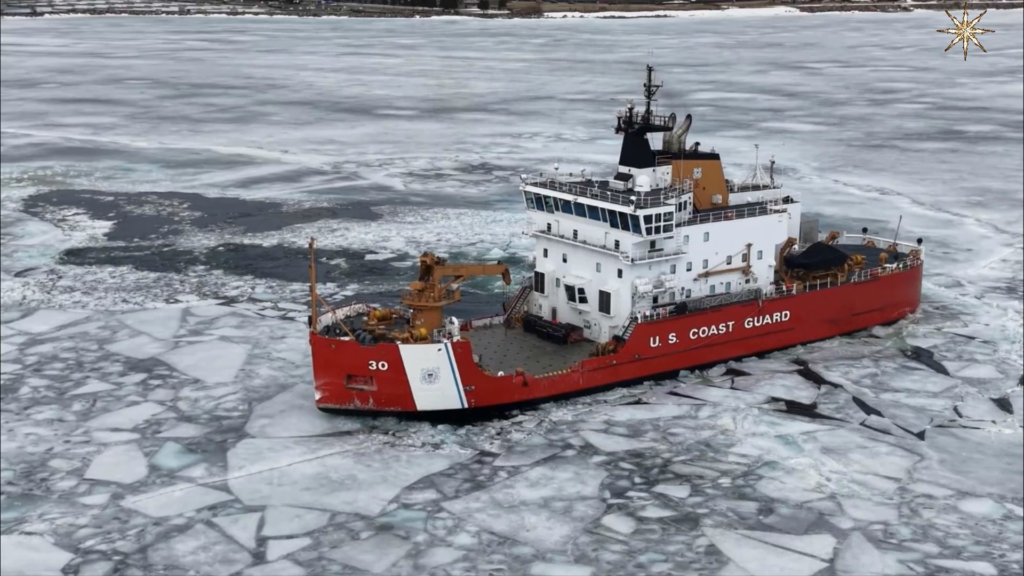
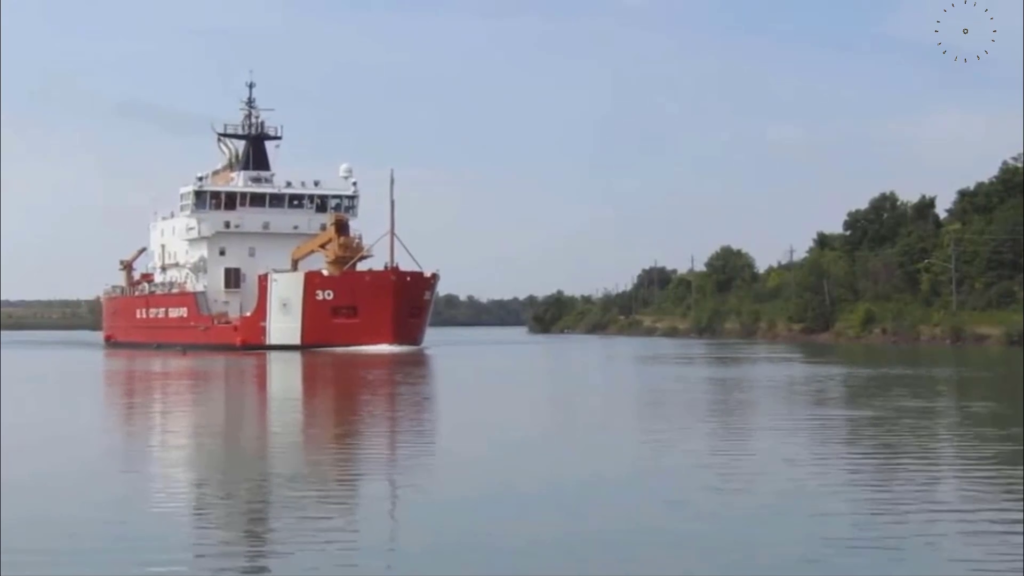
The second USCGC Mackinaw (WLBB-30) was constructed by Marinette Marine Corporation and entered service in 2006. It replaced the aging WAGB-83 with a more efficient, technologically advanced design tailored for modern missions.
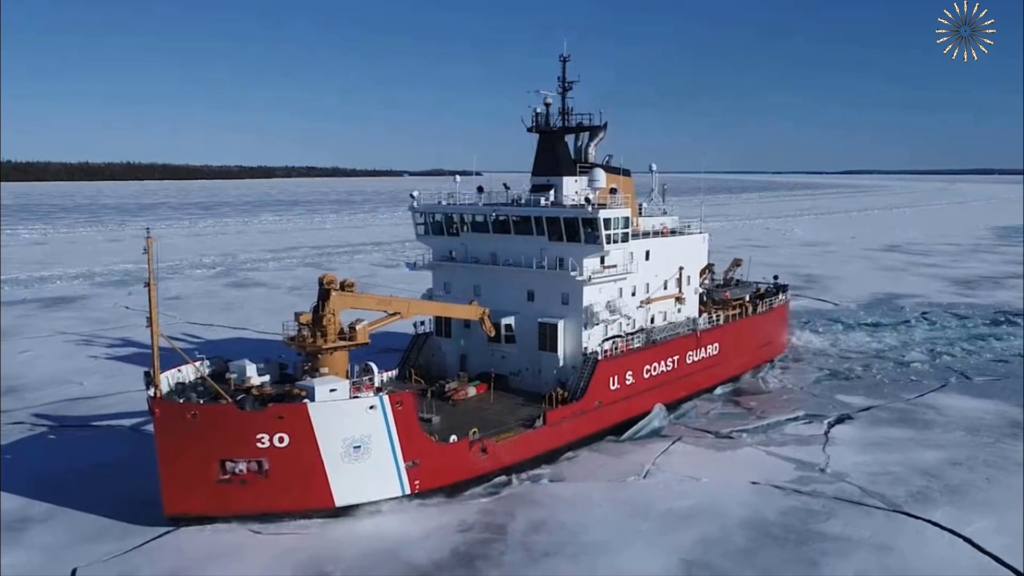
📐 Design and Specifications Comparison
🧱 Hull and Icebreaking Capability
The original WAGB-83 featured a heavy, reinforced hull designed to smash through thick ice using brute force. In contrast, WLBB-30 uses a more advanced hull design combined with maneuverability to break ice more efficiently.
📏 Dimensions Breakdown
| Feature | WAGB-83 | WLBB-30 |
|---|---|---|
| Length | 290 ft | 240 ft |
| Beam | 74.3 ft | 58.5 ft |
| Draft | 19.5 ft | 16 ft |
| Displacement | 5,252 tons | 3,500 tons |
Despite being smaller, WLBB-30 is more efficient due to modern engineering.
⚡ Propulsion Systems Evolution
🔧 Diesel Engines of WAGB-83
The older vessel used six Fairbanks-Morse 10-cylinder diesel engines producing 10,000 horsepower. These engines powered three propellers, delivering brute strength for icebreaking.
⚙️ Azipod System in WLBB-30
The newer Mackinaw features an ABB Azipod propulsion system, a revolutionary technology that allows 360-degree rotation of propellers. This significantly improves maneuverability and efficiency while producing 9,119 horsepower.
🚀 Speed and Performance
The original ship reached speeds of 15 knots, while the newer version slightly improves this to 16 knots. However, speed isn’t the main advantage—maneuverability is.
🧭 Maneuverability Improvements
WLBB-30 can turn more easily and operate in tighter spaces, making it far more effective in complex ice conditions.
⛽ Capacity and Endurance
💧 Resource Management
The WAGB-83 had massive storage capacities:
- 276,000 gallons of diesel fuel
- Over 40,000 gallons of potable water
- Extensive ballast systems
WLBB-30, while smaller, uses resources more efficiently:
- 130,896 gallons of diesel fuel
- 27,500 gallons of water
👨✈️ Crew and Living Conditions
🤖 Automation Impact
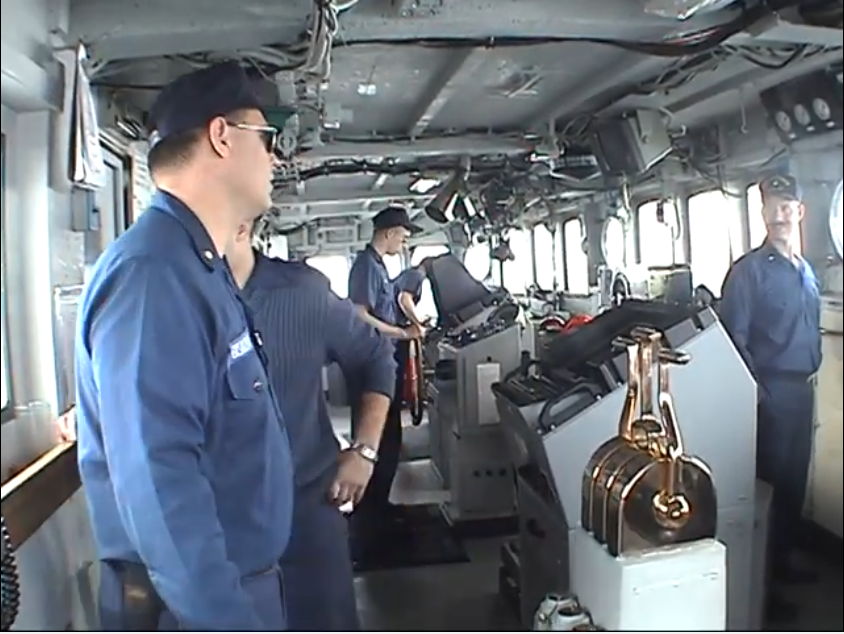
The original ship required up to 144 crew members in 1945. By 2005, that number dropped to 77 due to automation.
The new WLBB-30 operates with just 55 crew members, thanks to advanced systems and improved design.
🔫 Armament and Security
🛡️ Weapon Systems Overview
The modern Mackinaw includes:
- 2 machine guns
- Various small arms
The original vessel had limited or no significant armament, reflecting its primary logistical role.
🌊 Mission Roles and Operations
Both ships serve similar core missions:
- Icebreaking
- Search and rescue
- Navigation support
- Environmental protection
❄️ Great Lakes Operations
The Mackinaw is vital for keeping shipping lanes open in the Great Lakes, especially during winter when ice can halt commerce.
🔄 Decommissioning and Replacement
WAGB-83 was decommissioned in 2006 after more than 60 years of service. It now serves as a museum ship, preserving its legacy.
💡 Technological Advancements
WLBB-30 features:
- Integrated propulsion systems
- Advanced navigation tools
- Digital monitoring systems
These upgrades make it safer and more efficient.
🌱 Environmental Impact
The newer vessel is more fuel-efficient and environmentally friendly, reducing emissions and operational costs.
🏛️ Legacy and Cultural Significance
The original Mackinaw remains a symbol of engineering excellence and wartime resilience. As a museum ship, it continues to educate and inspire.
❓ FAQs About USCGC Mackinaw
1. What does USCGC stand for?
It stands for United States Coast Guard Cutter.
2. Why was the original Mackinaw built?
It was built during WWII to keep Great Lakes shipping routes open.
3. What replaced WAGB-83?
The modern WLBB-30 replaced it in 2006.
4. Is the original Mackinaw still operational?
No, it is now a museum ship.
5. What makes the new Mackinaw unique?
Its Azipod propulsion system and advanced automation.
6. Where is the Mackinaw based?
Both ships are homeported in Cheboygan, Michigan.
🏁 Conclusion
The evolution of the USCGC Mackinaw from WAGB-83 to WLBB-30 reflects a remarkable journey of technological advancement and operational excellence. While the original vessel symbolized raw power and wartime necessity, the modern version showcases efficiency, innovation, and adaptability. Together, they represent decades of dedication to keeping the Great Lakes safe and navigable.