Introduction to the Honda Clarity
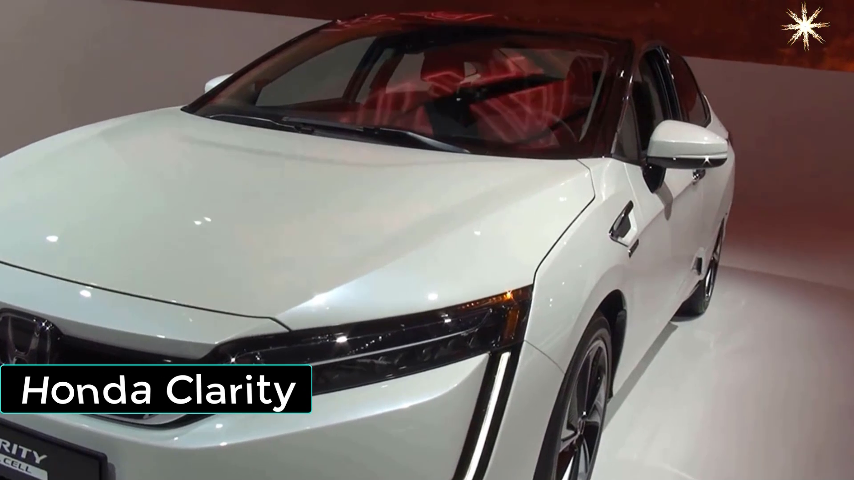
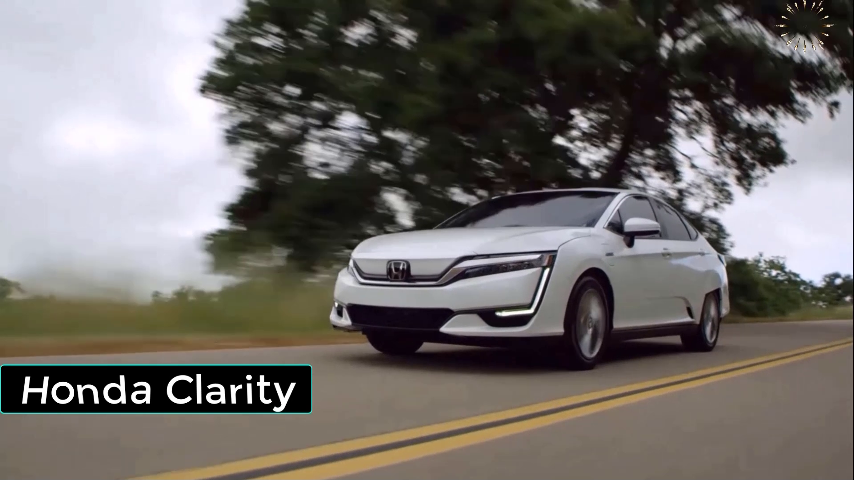
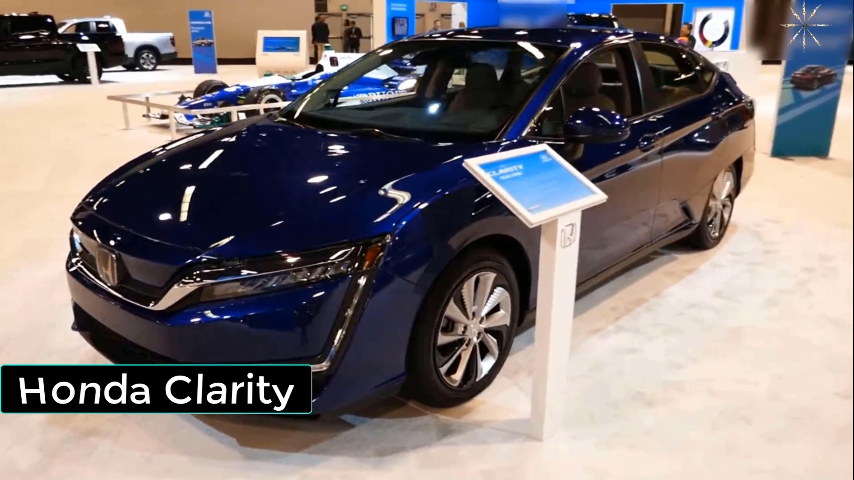
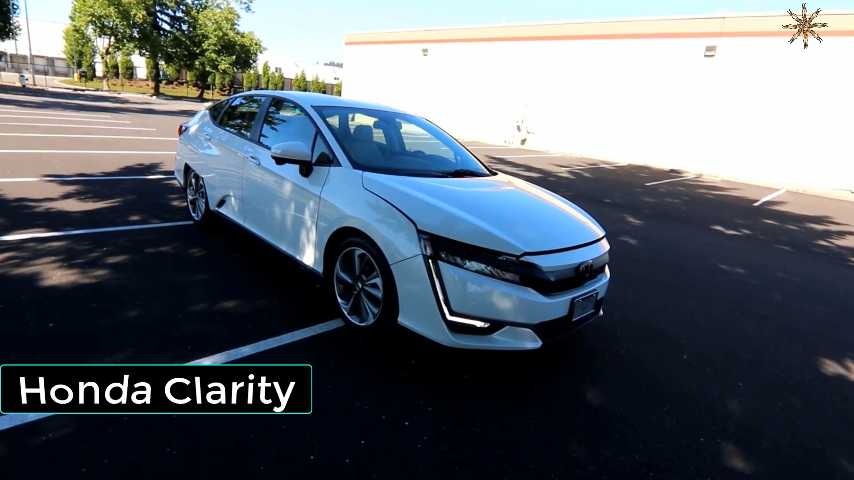
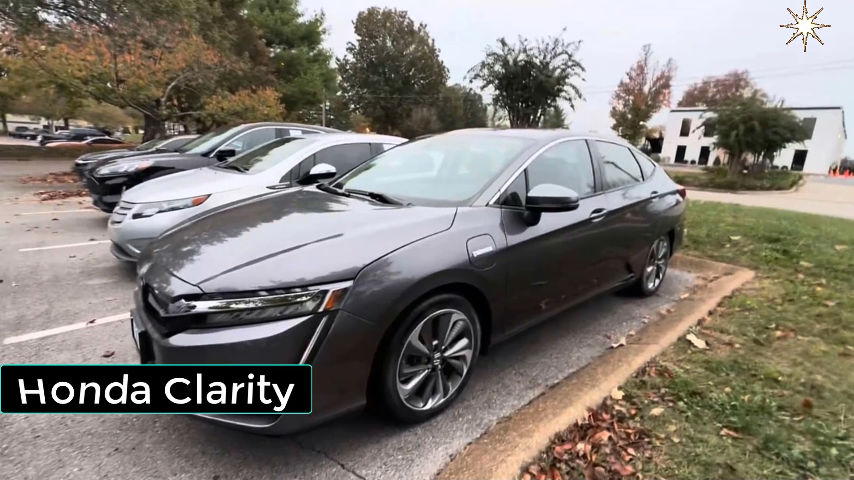
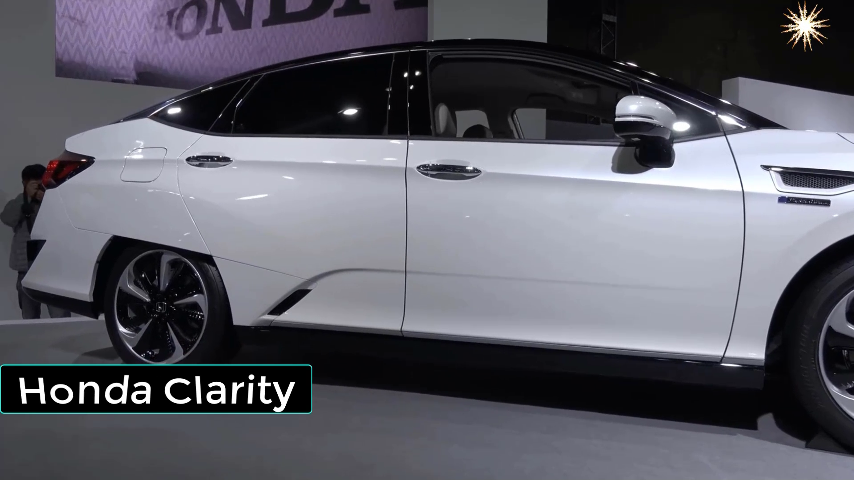
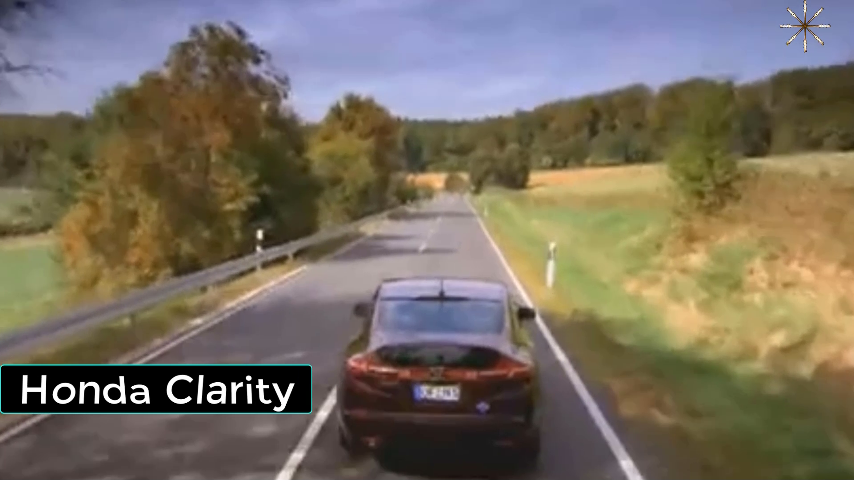
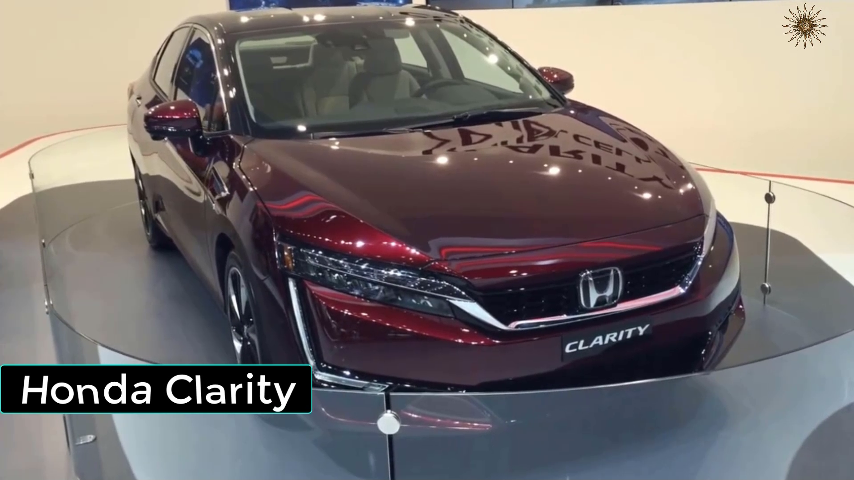
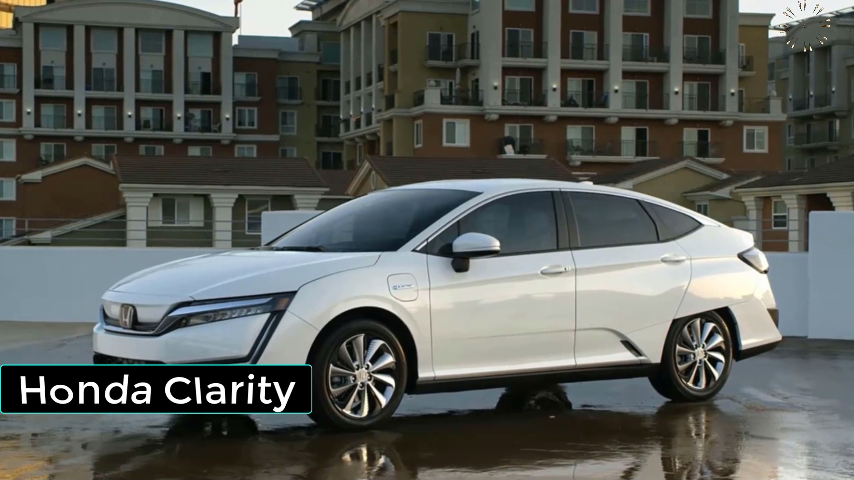
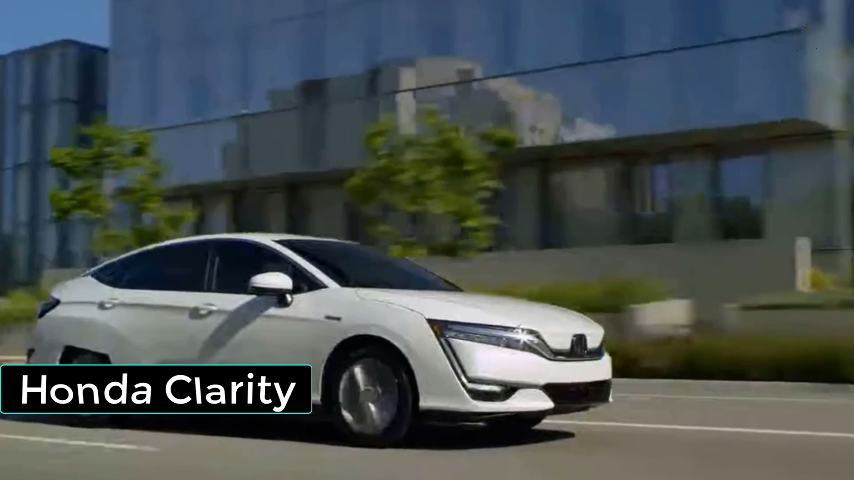
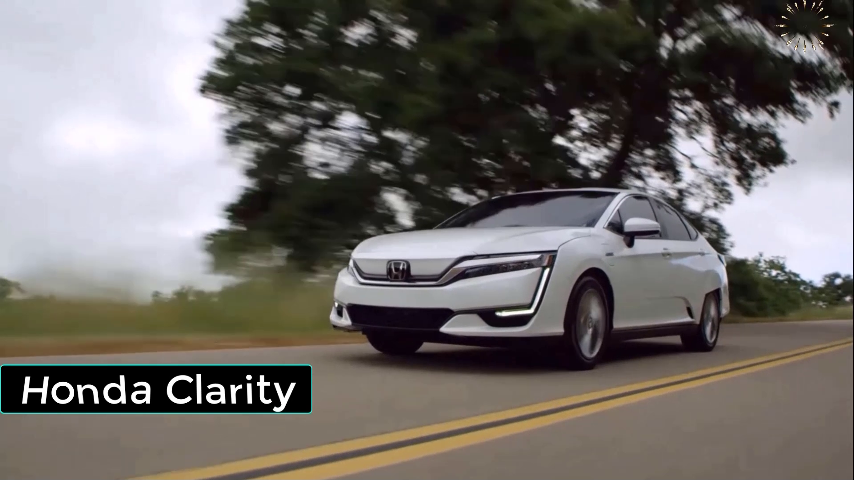
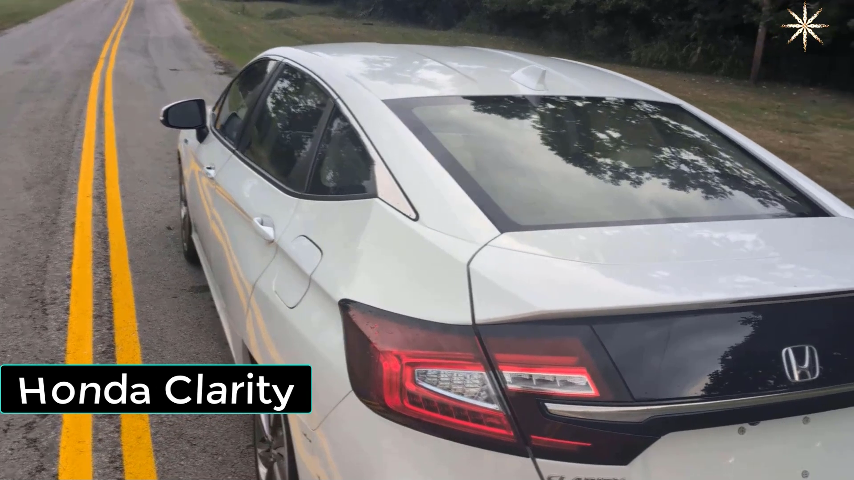
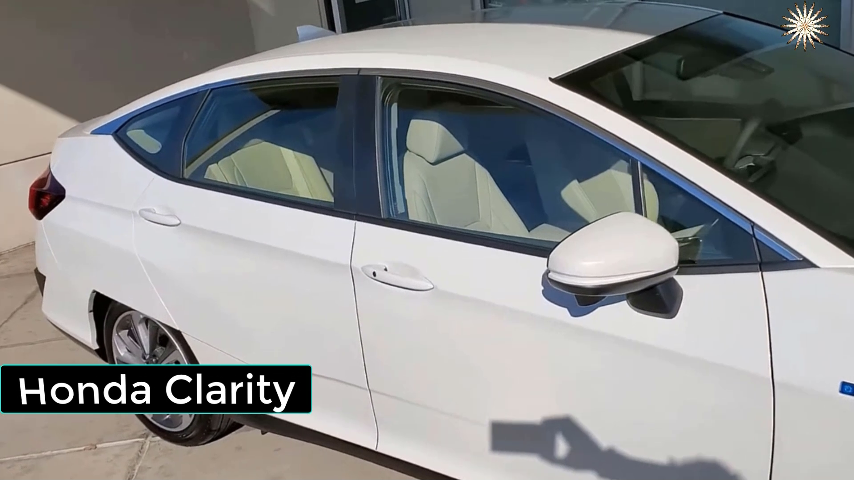
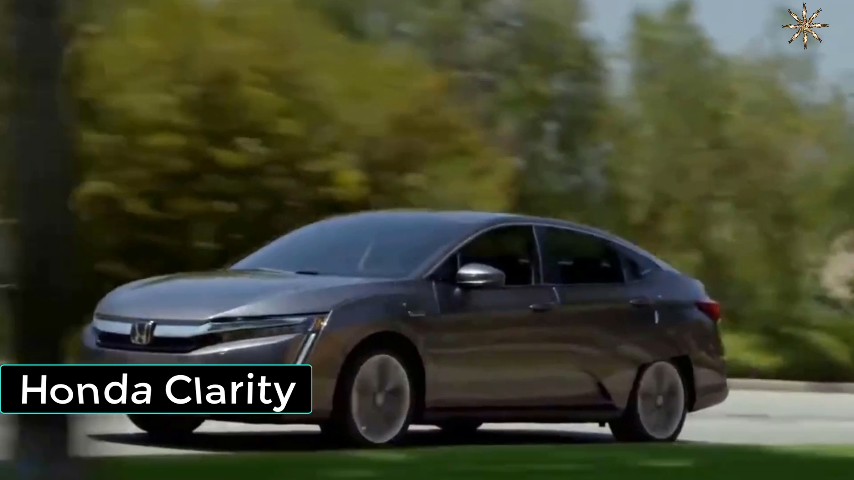
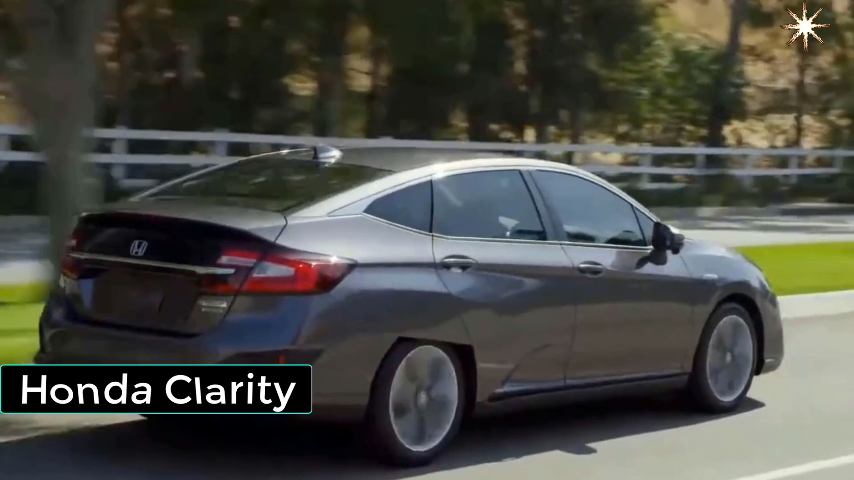
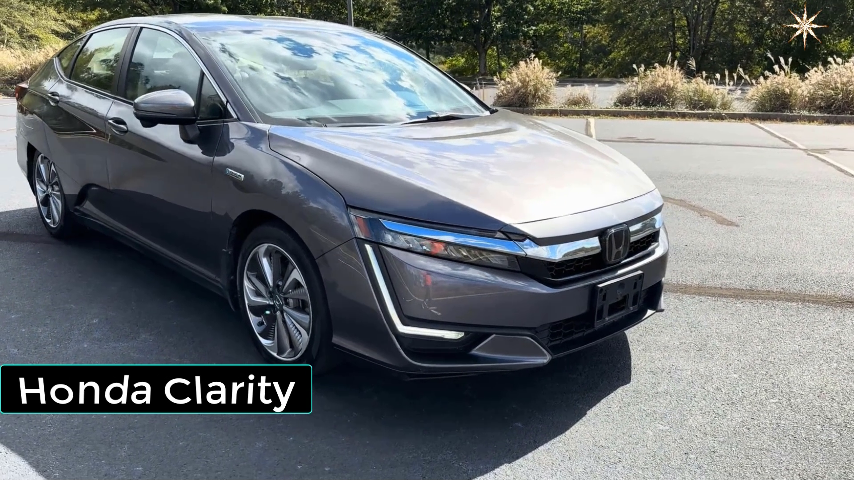
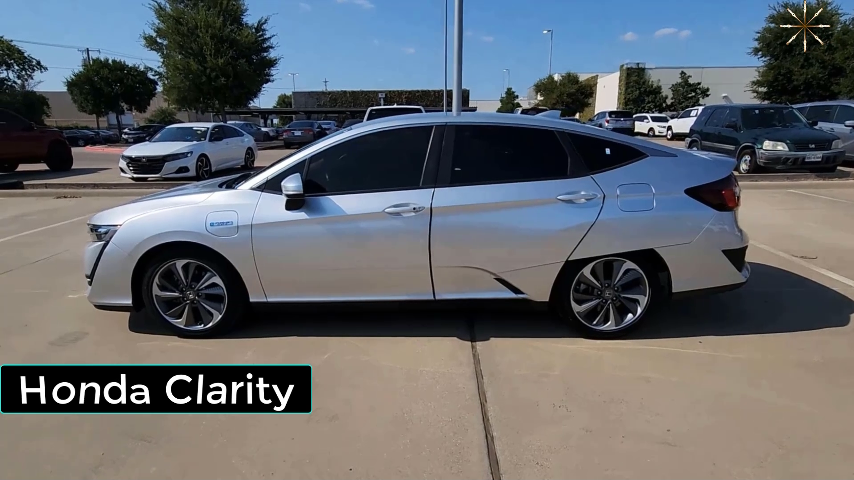
The Honda Clarity is one of the most ambitious automotive experiments in Honda’s history. Designed to showcase the future of alternative fuel technology, the Clarity served as a platform for hydrogen fuel cells, pure battery-electric systems, and plug-in hybrid drivetrains. While production ended in August 2021, the Clarity remains an important chapter in Honda’s pursuit of sustainable mobility. Notably, it was the last production car to feature fixed rear wheel skirts, a design element aimed at improving aerodynamics.
History of the Honda Clarity Nameplate
Early Beginnings: Honda FCX Clarity (2008–2014)
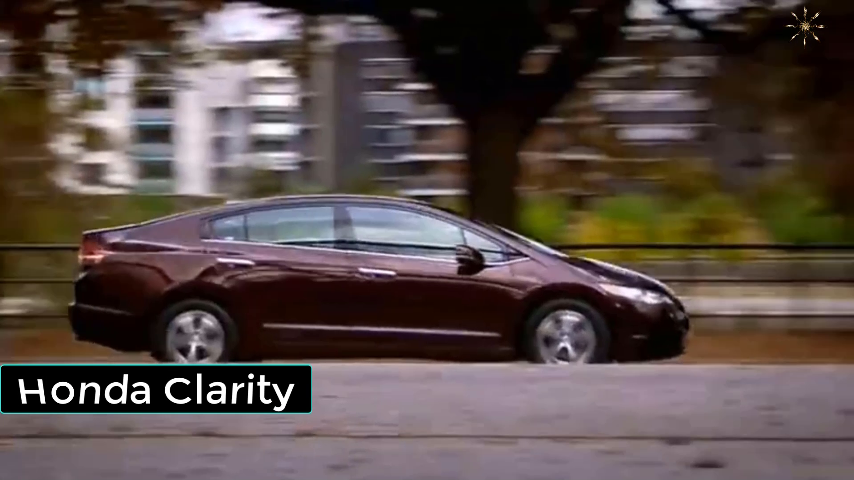
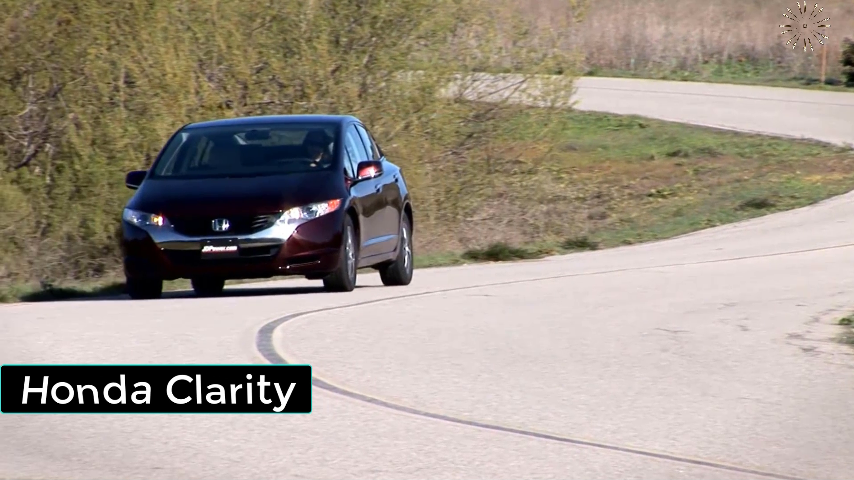
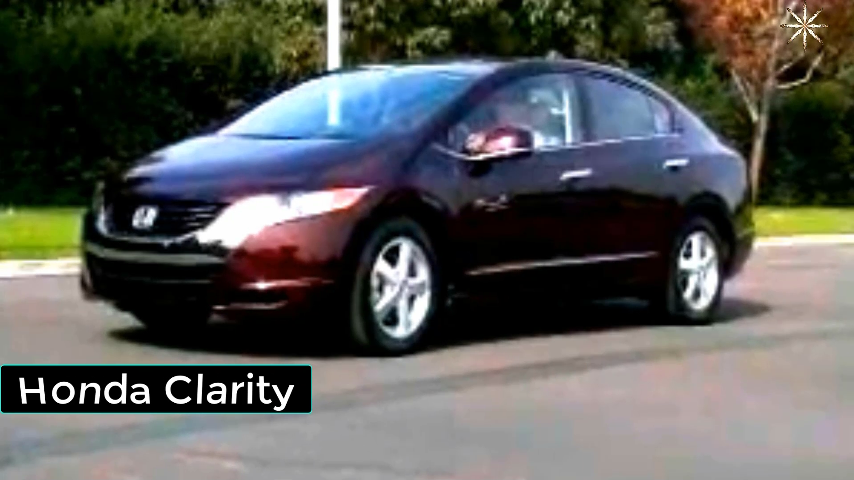
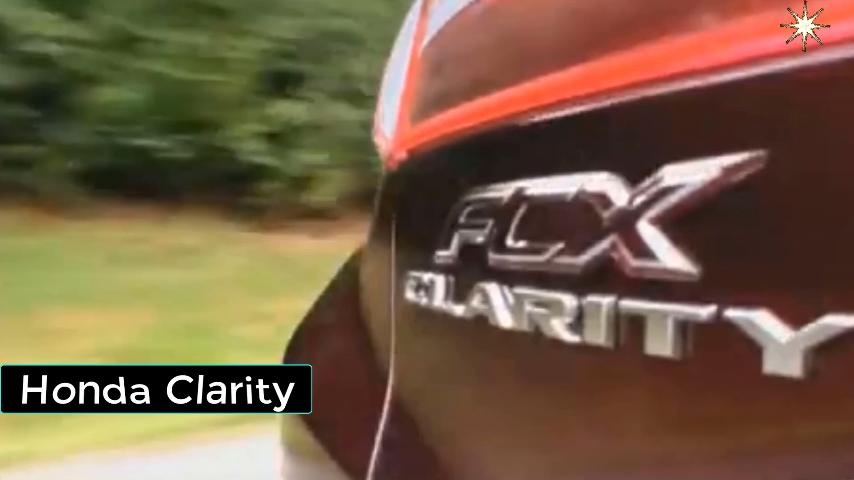
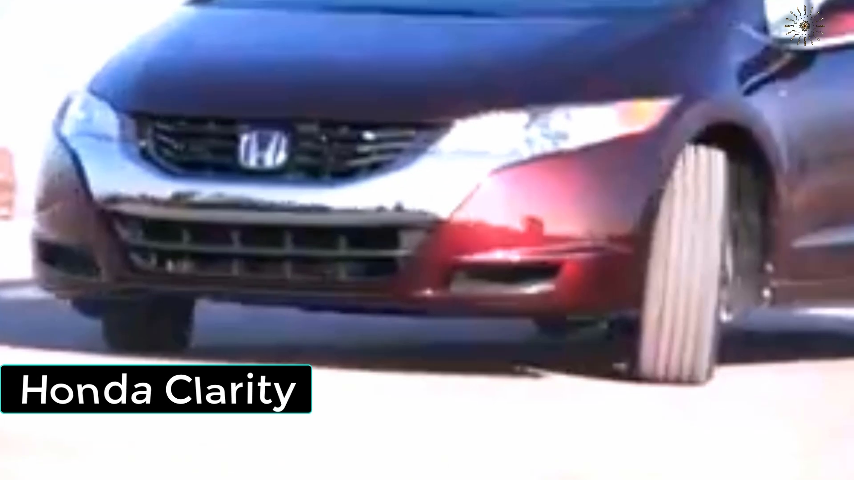
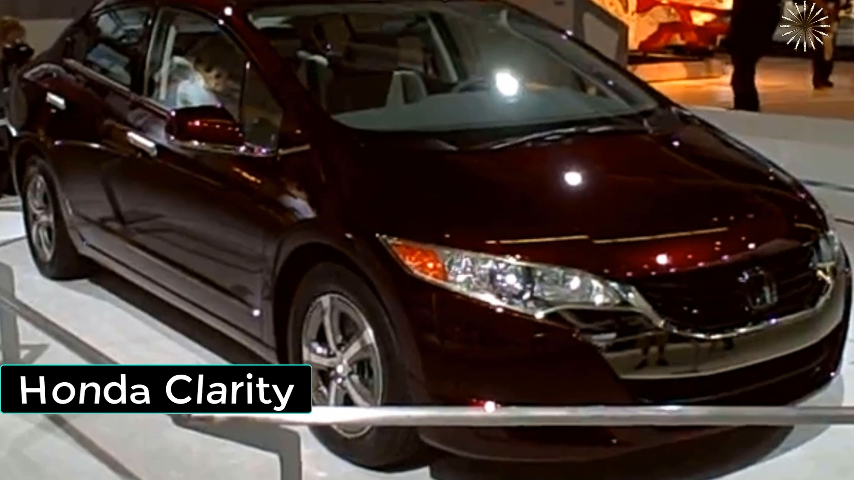
Honda first introduced the FCX Clarity in 2008 as a limited-production hydrogen fuel cell vehicle. This pioneering model featured futuristic styling and cutting-edge technology, but was only available through lease programs in select markets like California and Japan.
Expansion of the Honda Clarity Lineup (2017–2021)
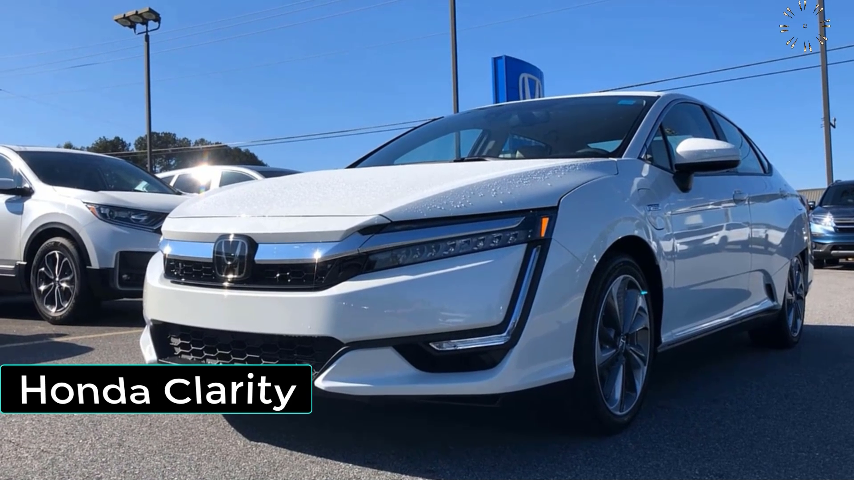
In 2017, Honda broadened the Clarity family to include three versions:
- Honda Clarity Fuel Cell (2016–2021)
- Honda Clarity Electric (2017–2019)
- Honda Clarity Plug-in Hybrid (2017–2021)
This bold strategy made the Clarity the only model line to offer hydrogen, electric, and plug-in hybrid powertrains under a single nameplate.
Honda FCX Clarity (2008)
Powertrain and Performance
The FCX Clarity was powered by a 100 kW (134 hp) hydrogen fuel cell electric motor paired with a single-speed direct drive transmission.
Driving Range and Technology
It offered an impressive 390 km (240 mi) range—a breakthrough achievement in 2008 when electric and fuel cell vehicles were in their infancy.
Significance in Hydrogen Fuel Cell Development
The FCX Clarity was more than just a car; it was a rolling test bed that proved hydrogen fuel cells could work in real-world conditions.
Honda Clarity Fuel Cell (2016–2021)
Engine and Powertrain Specs
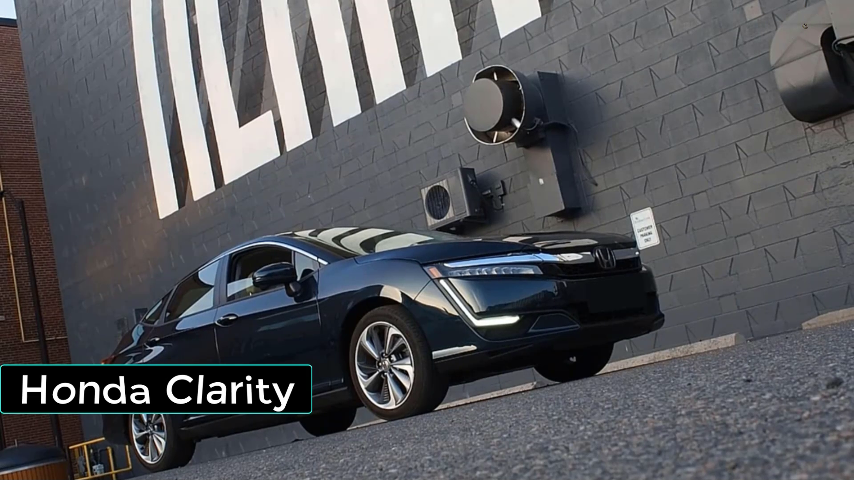
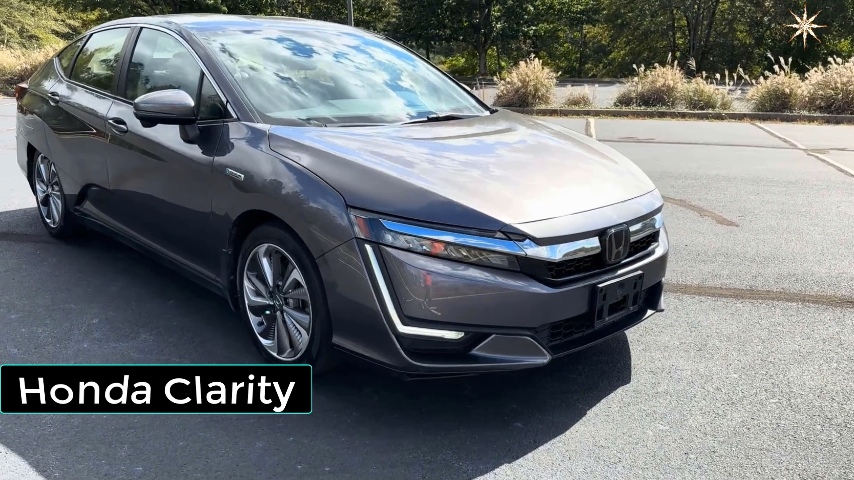
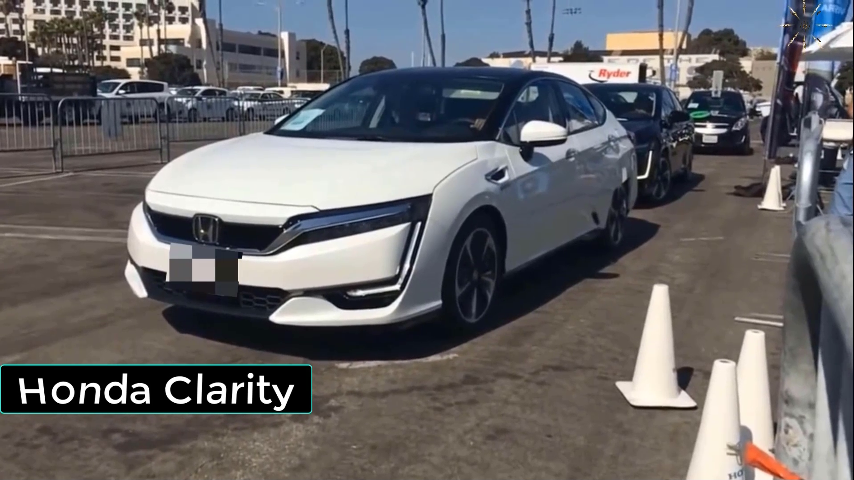
The updated Clarity Fuel Cell launched in 2016, featuring a 103 kW (138 hp) hydrogen fuel cell motor.
Driving Range and Efficiency
It delivered an exceptional 366 miles (589 km) of range, surpassing many early EVs and making it a leader in long-distance zero-emission travel.
Market Impact and Availability
Despite its range, fueling infrastructure limited sales. It was primarily available through lease programs in hydrogen-ready states like California.
Honda Clarity Electric (2017–2019)
Technical Specifications
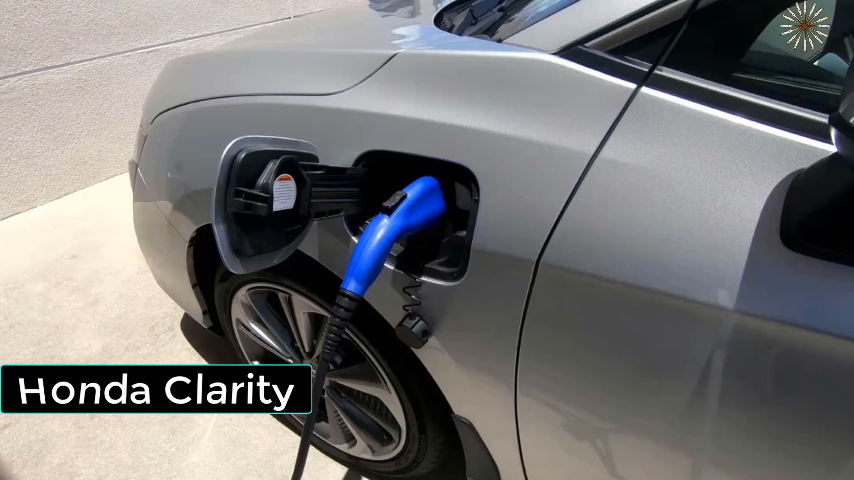
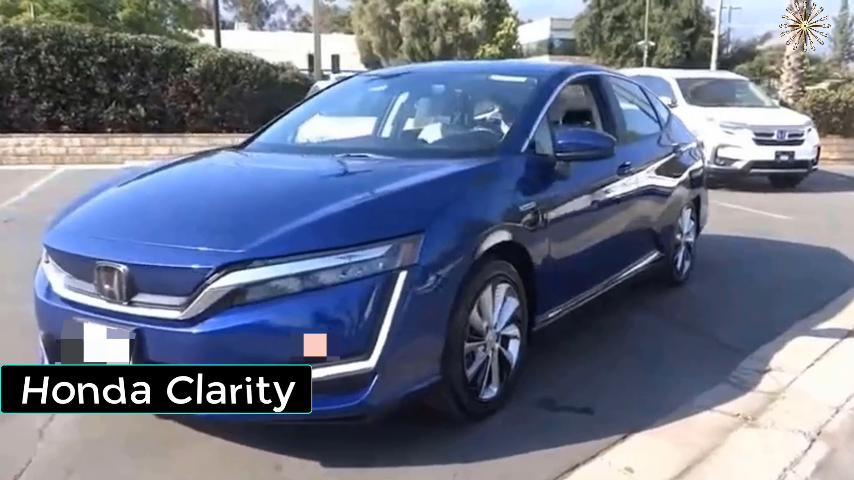
The Clarity Electric came with a 120 kW (160 hp) motor and a modest 143 km (89 mi) range.
Range Limitations and Market Challenges
Its limited driving distance made it less appealing compared to rivals like the Chevrolet Bolt EV or Nissan Leaf.
Why It Was Discontinued
Poor demand and limited charging adoption led Honda to end production in 2019.
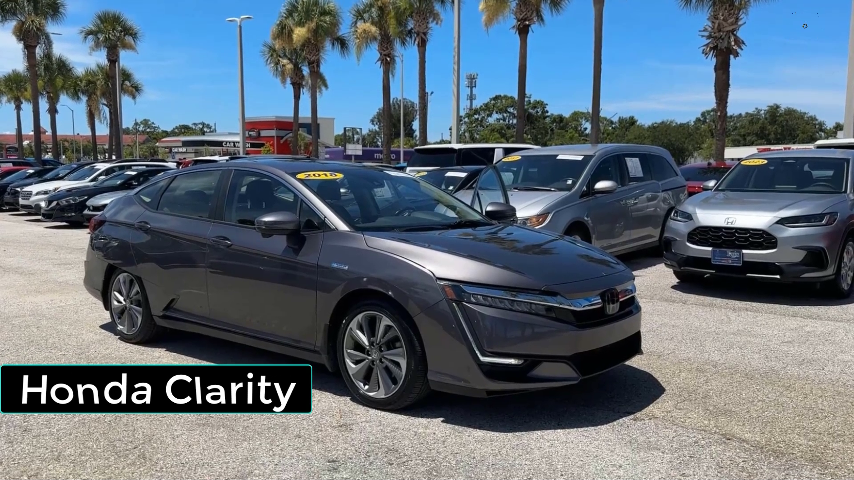
Honda Clarity Plug-in Hybrid (2017–2021)
Dual Powertrain and e-CVT System
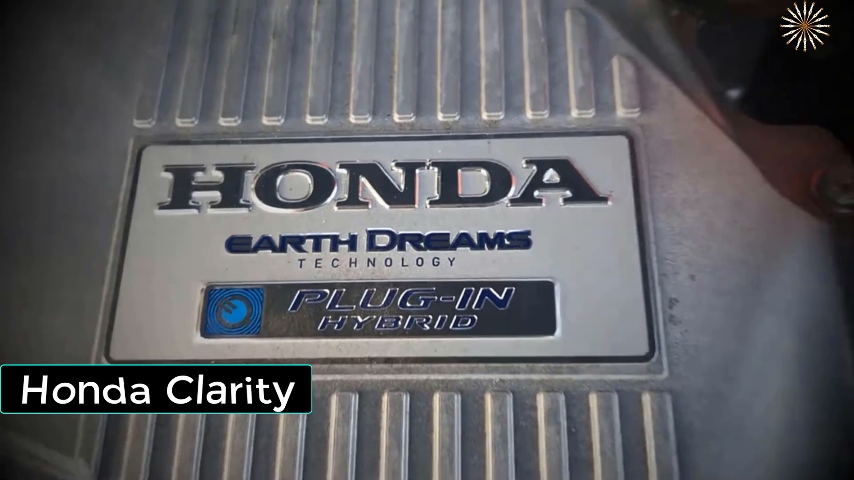
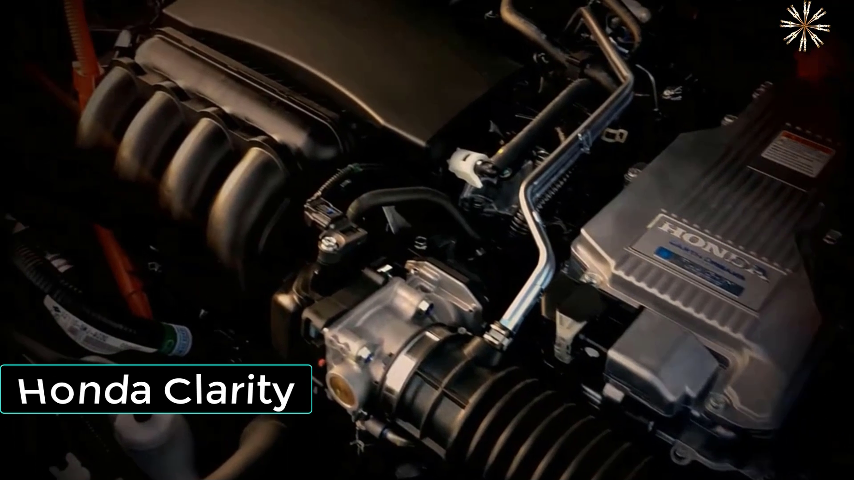
This version combined a 1.5L Honda LEB-series i-VTEC engine (103 hp) with a 135 kW (181 hp) electric motor and Honda’s e-CVT.
All-Electric Range and Hybrid Efficiency
It offered 47 miles (76 km) of all-electric driving and up to 340 miles (550 km) combined range, making it the most versatile Clarity model.
Popularity Among Consumers
The plug-in hybrid was the most commercially successful Clarity variant, attracting eco-conscious buyers who weren’t ready for a full EV.
Unique Design Features of the Honda Clarity
Aerodynamic Styling
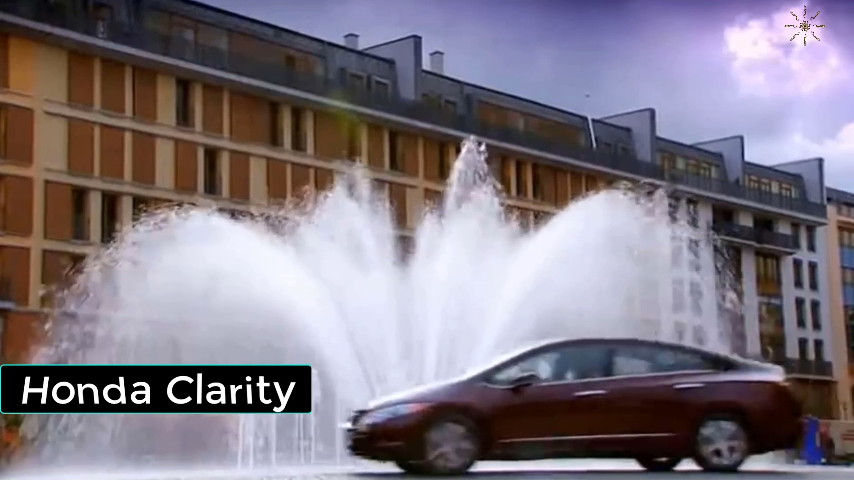
Honda optimized airflow with smooth bodywork and advanced aerodynamics to maximize efficiency.
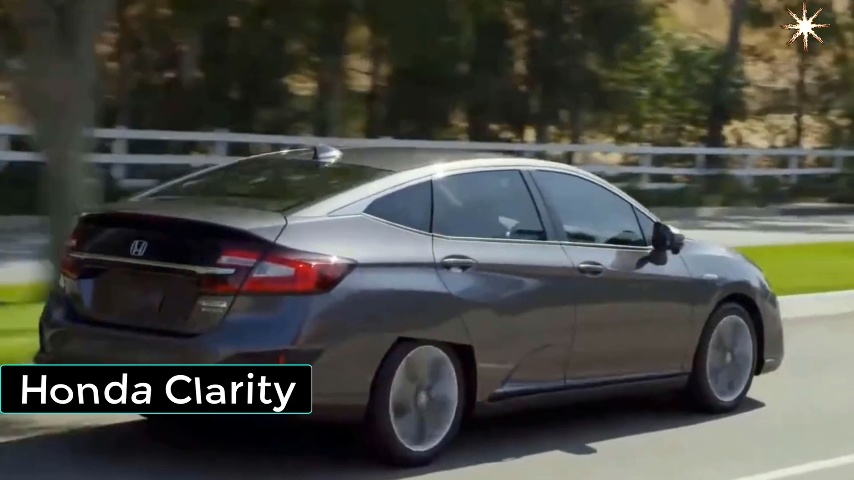
Fixed Rear Wheel Skirts – A Rarity in Modern Cars
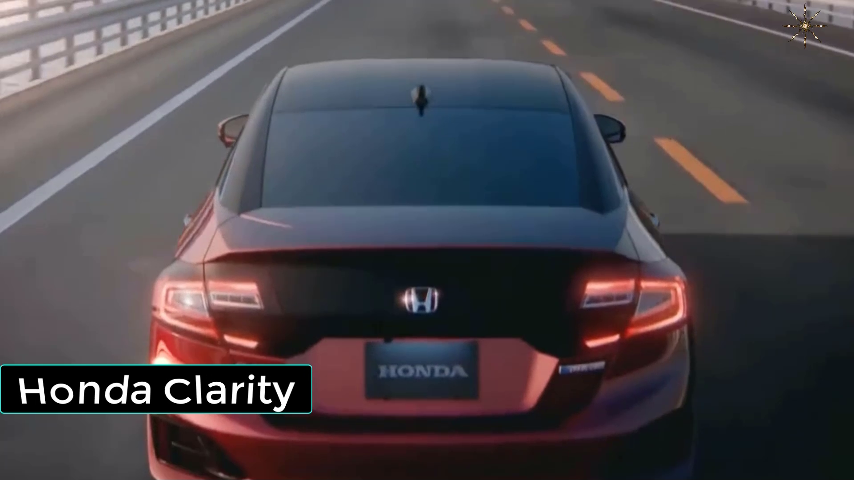
One of the last production vehicles to feature fixed rear wheel skirts, a design trick borrowed from hyper-efficient concept cars.
The End of Honda Clarity Production (2021)
Why Honda Discontinued the Clarity Line
High production costs, limited demand, and Honda’s strategic shift toward upcoming EVs led to the Clarity’s discontinuation.
Lease Programs and Market Exit
Although production ended in 2021, fuel-cell lease programs continued into 2022 for existing customers.
Legacy and Impact of the Honda Clarity
Influence on Honda’s Green Technology Roadmap
The Clarity served as a stepping stone for Honda’s future EVs and hydrogen research, cementing its place in alternative fuel history.
Comparison to Competitors
- Toyota Mirai – The strongest hydrogen rival with similar range.
- Hyundai Nexo – Another hydrogen option with SUV practicality.
- Tesla Models – Dominated the EV space, leaving Honda’s BEV offering behind.
Frequently Asked Questions (FAQs)
Q1. What was the range of the Honda Clarity Fuel Cell?
It achieved up to 366 miles (589 km) on a full hydrogen tank.
Q2. Why was the Honda Clarity discontinued?
Due to high costs, limited demand, and lack of fueling infrastructure.
Q3. Is the Honda Clarity Plug-in Hybrid a good used car?
Yes, it’s considered reliable, efficient, and affordable in the used market.
Q4. Does the Honda Clarity support fast charging?
The Clarity Electric supported DC fast charging, but the Plug-in Hybrid relied on Level 2 charging.
Q5. How does the Clarity compare to the Toyota Mirai?
The Clarity Fuel Cell offered comparable range but had less global support than the Toyota Mirai.
Q6. Was the Honda Clarity available worldwide?
No, it was primarily leased in the U.S. and Japan due to hydrogen infrastructure limitations.
Conclusion: The Honda Clarity’s Lasting Legacy
The Honda Clarity was more than just a car—it was a bold statement about the future of mobility. From the hydrogen-powered FCX Clarity to the versatile Plug-in Hybrid, the Clarity showcased Honda’s dedication to innovation. While production has ended, its influence lives on in Honda’s future electric and hydrogen-powered vehicles.