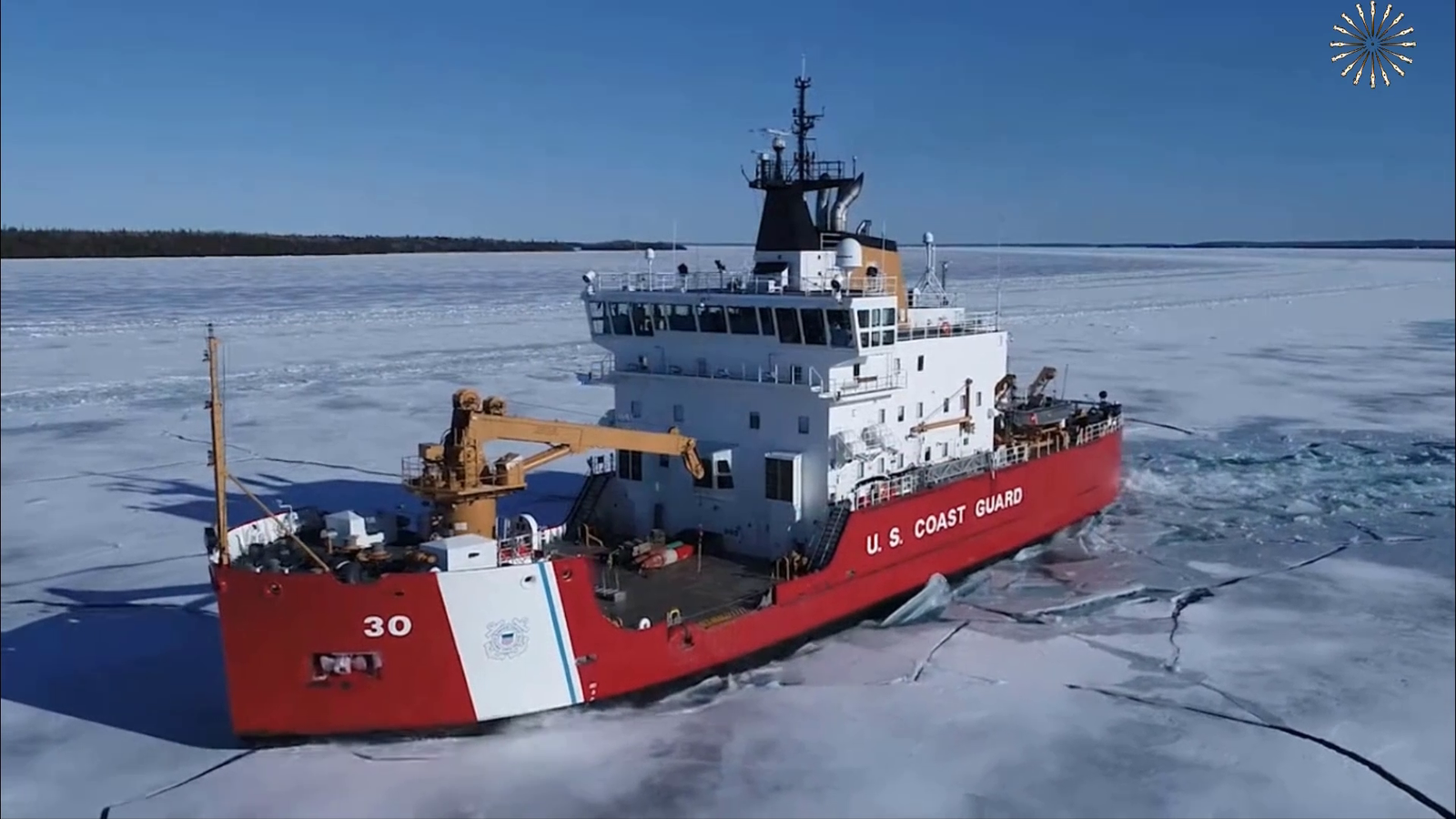
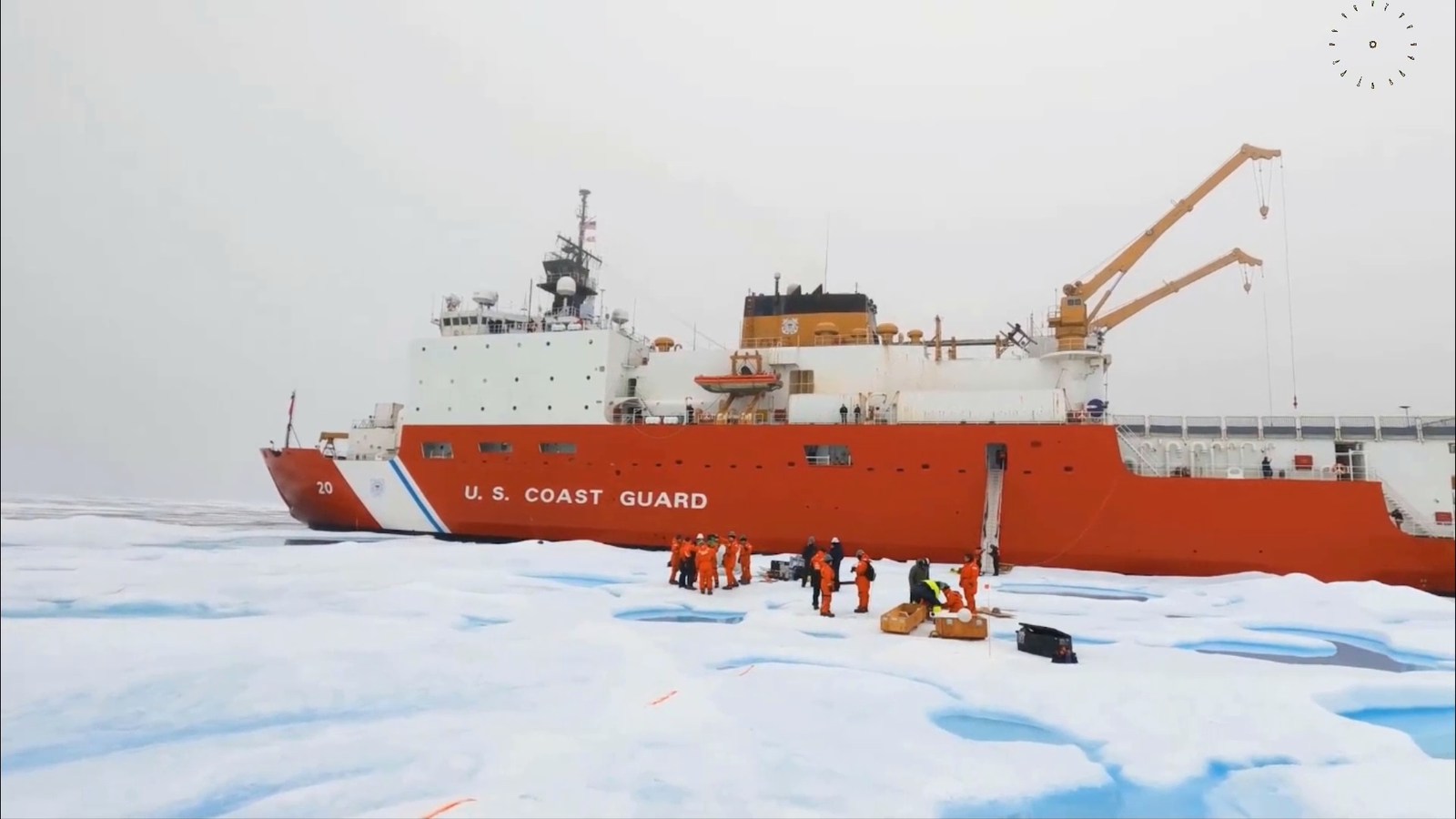
Introduction to USCGC Healy (WAGB-20) Icebreaker
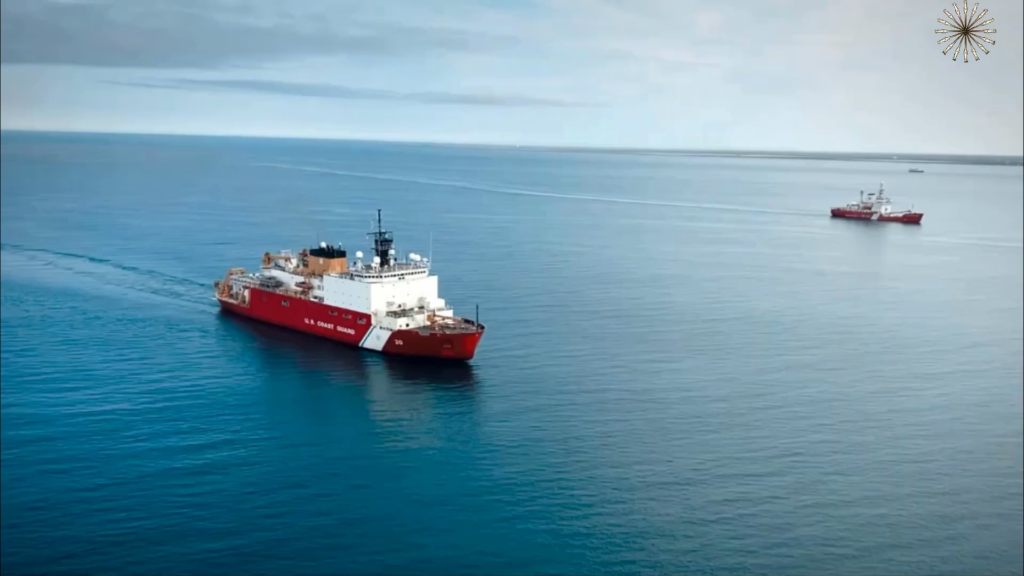
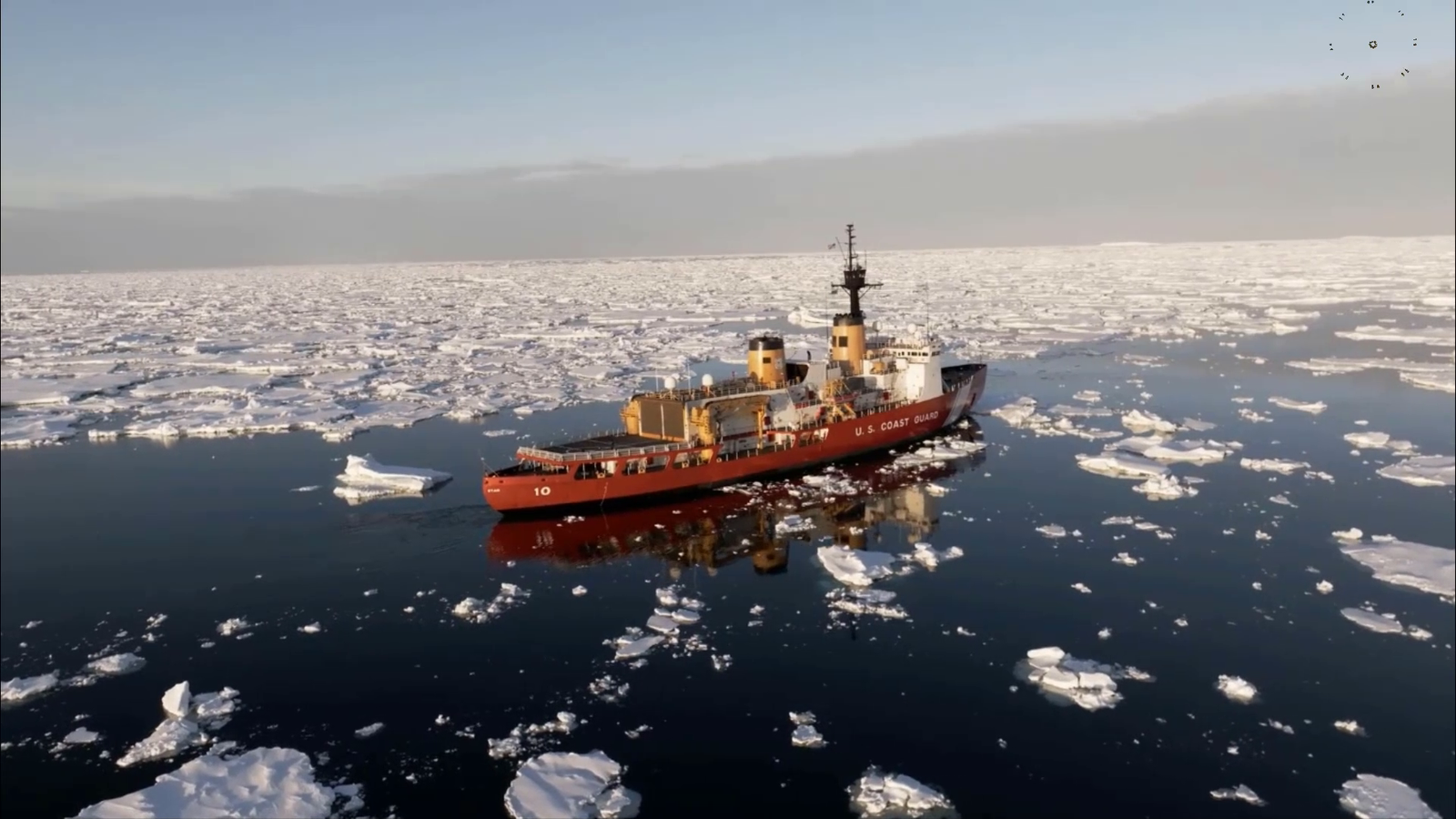
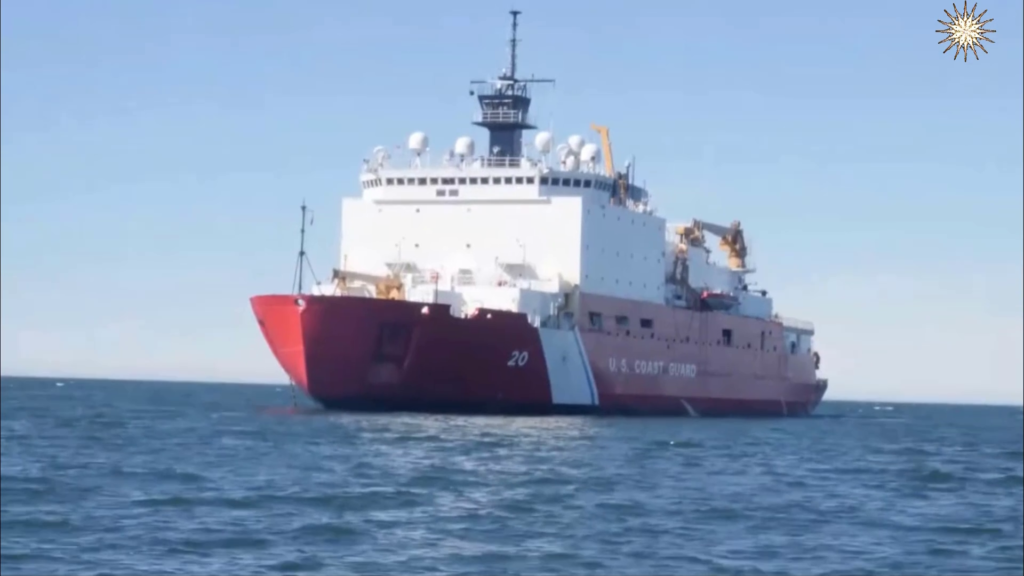
The USCGC Healy (WAGB-20) Icebreaker is one of the most advanced icebreaking ships operated by the United States Coast Guard. Designed primarily for scientific research, this vessel plays a vital role in Arctic exploration. Since its commissioning in 1999, it has supported countless missions focused on understanding the polar environment.
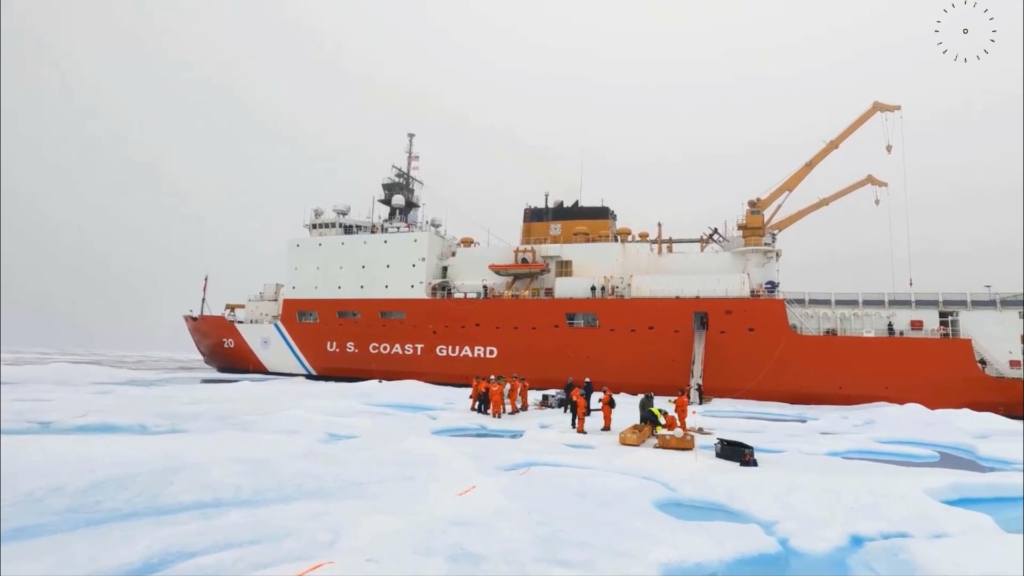
Overview of Its Role in Arctic Missions
Unlike traditional icebreakers used mainly for clearing shipping routes, the Healy focuses heavily on research. It supports oceanographic studies, climate monitoring, and mapping of the Arctic seabed. Its ability to break thick ice while hosting scientists makes it unique.
Importance of Icebreakers in Modern Research
Icebreakers like the Healy are essential because they allow access to remote polar regions. These areas hold valuable data about climate change, marine ecosystems, and geological formations.

History
The history of the USCGC Healy (WAGB-20) Icebreaker reflects innovation and dedication to Arctic exploration.
Namesake: Michael A. Healy
The vessel is named after Michael A. Healy, a pioneering figure in the U.S. Revenue Cutter Service. He was known for his leadership in Alaskan waters during the late 19th century.
Construction and Launch Timeline
- Laid down: September 16, 1996
- Launched: November 15, 1997
- Commissioned: November 10, 1999
Builder and Shipyard Details
The ship was built by Avondale Shipyard, a well-known American shipbuilder recognized for constructing complex vessels.
Commissioning Milestones
After sea trials and testing, the Healy officially entered service, ready to support Arctic missions.

Design and General Characteristics
The Healy’s design combines strength, durability, and advanced research capabilities.
Size, Dimensions, and Displacement
- Length: 420 feet
- Beam: 82 feet
- Draft: 29 feet 3 inches
- Displacement: 16,000 tons
These dimensions allow the vessel to operate efficiently in harsh polar environments.
Structural Strength for Icebreaking
Hull Design and Ice Navigation
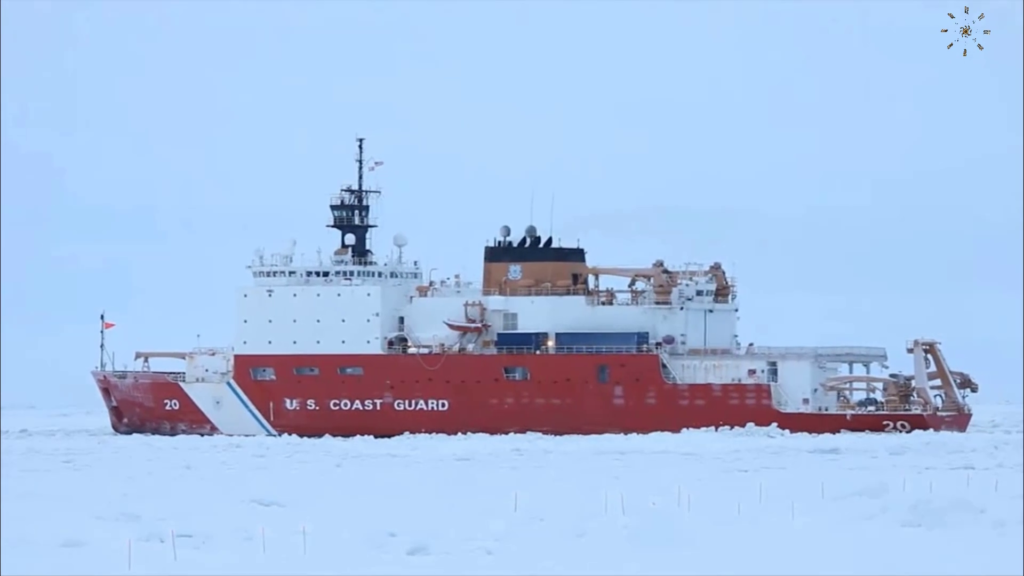
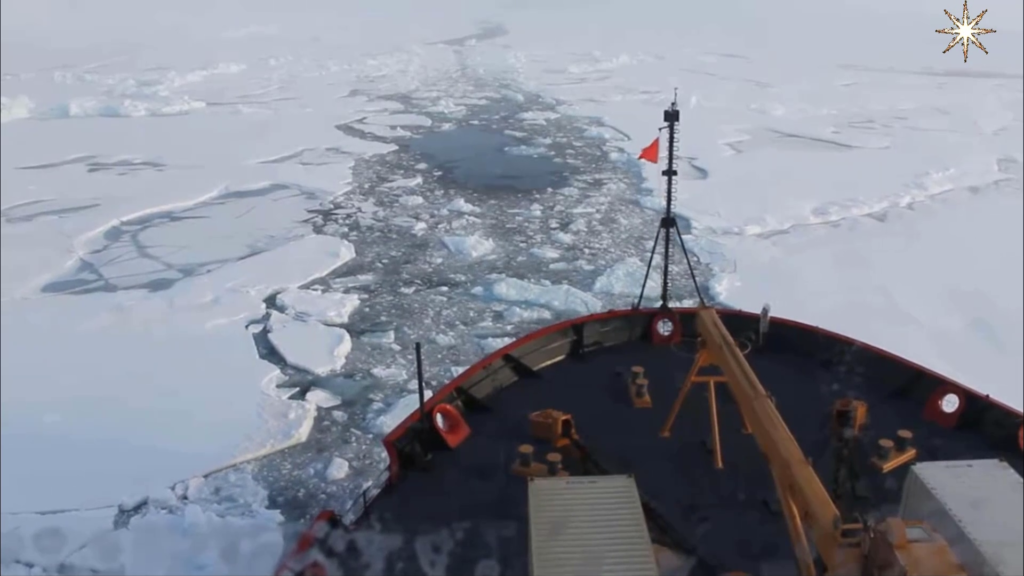
The hull is specially reinforced to withstand thick ice. Its rounded shape helps the ship ride up over ice and break it using its weight.
Power and Propulsion System
The USCGC Healy (WAGB-20) Icebreaker uses a powerful and efficient propulsion system.
Diesel-Electric Engine Configuration
The ship is powered by four Sulzer diesel engines, producing a combined 46,350 horsepower. This energy is converted into electricity to drive the propellers.
Speed and Performance in Ice
- Maximum speed: 17 knots
- Cruising speed: 14 knots
- Icebreaking speed: 3 knots in thick ice
Efficiency and Reliability
This system ensures smooth operation even in extreme conditions, making it reliable for long missions.
Scientific Capabilities and Laboratories
One of the most impressive features of the Healy is its advanced research facilities.
Overview of Onboard Labs
The vessel includes five main laboratories:
- Main Lab
- Wet Lab
- Bio-Chem Lab
- Electronics Lab
- Meteorological Lab
Role in Oceanographic Research
These labs allow scientists to study ocean currents, marine life, and atmospheric conditions directly from the Arctic.
Collaboration with Scientists
The ship can accommodate over 50 scientists, fostering collaboration between researchers and crew.

Aircraft and Aviation Support
Helicopter Operations (1999–2005)
Initially, the Healy carried two HH-65B Dolphin helicopters, enhancing its operational reach.
Current Aviation Support System
Today, helicopter operations are supported by contractors from the National Science Foundation.

Crew and Onboard Life
Composition of Crew Members
- 19 officers
- 12 chief petty officers
- 54 enlisted personnel
- 51 scientists
Living Conditions and Duties
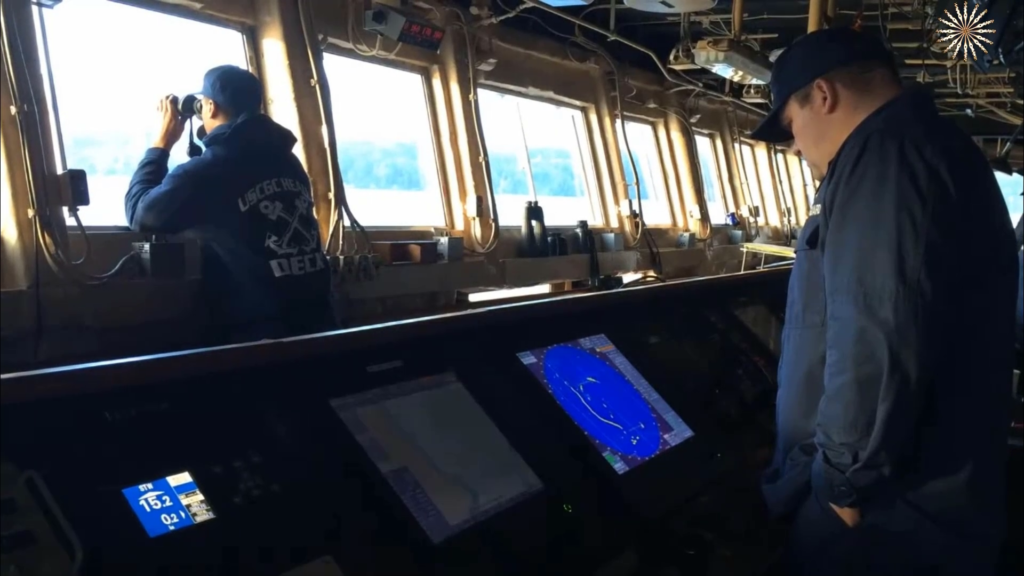
Life onboard involves teamwork, discipline, and adaptability. Crew members work long hours in challenging conditions.
Missions and Operations of USCGC Healy
Arctic Expeditions
The Healy conducts annual Arctic missions, breaking ice and collecting data.
Environmental and Climate Studies
It plays a key role in studying climate change, helping scientists understand global warming trends.
Technological Advancements
Navigation and Communication Systems
The ship uses advanced radar, GPS, and satellite communication systems.
Modern Upgrades
Regular upgrades ensure the vessel remains at the forefront of Arctic research technology.
Strategic Importance to the United States
National Security Role
The Healy supports U.S. presence in the Arctic, which is important for national security.
Scientific Leadership
It helps maintain the country’s leadership in polar research.
Challenges Faced in Arctic Operations
Extreme Weather Conditions
Temperatures can drop drastically, making operations difficult.
Ice Navigation Risks
Navigating thick ice requires precision and experience.
Future of USCGC Healy
Planned Upgrades
Future improvements will focus on technology and efficiency.
Role in Future Arctic Exploration
The Healy will continue to play a vital role as Arctic exploration expands.

FAQs About USCGC Healy (WAGB-20) Icebreaker
1. What is the main purpose of the USCGC Healy?
Its primary mission is scientific research in the Arctic.
2. How thick ice can it break?
It can break ice up to 4.5 feet thick continuously.
3. How many people can it carry?
It can carry over 130 personnel, including scientists.
4. Does it still carry helicopters?
It now relies on contractor-supported aviation services.
5. What makes it unique?
Its combination of icebreaking power and research facilities.
6. Where does it operate?
Mainly in the Arctic region.
Conclusion
The USCGC Healy (WAGB-20) Icebreaker stands as a powerful symbol of innovation and exploration. With its advanced technology, strong design, and scientific capabilities, it continues to push the boundaries of Arctic research. As climate change and geopolitical interest in the Arctic grow, the Healy’s role becomes even more critical.
For more information, visit the official U.S. Coast Guard website: https://www.uscg.mil/