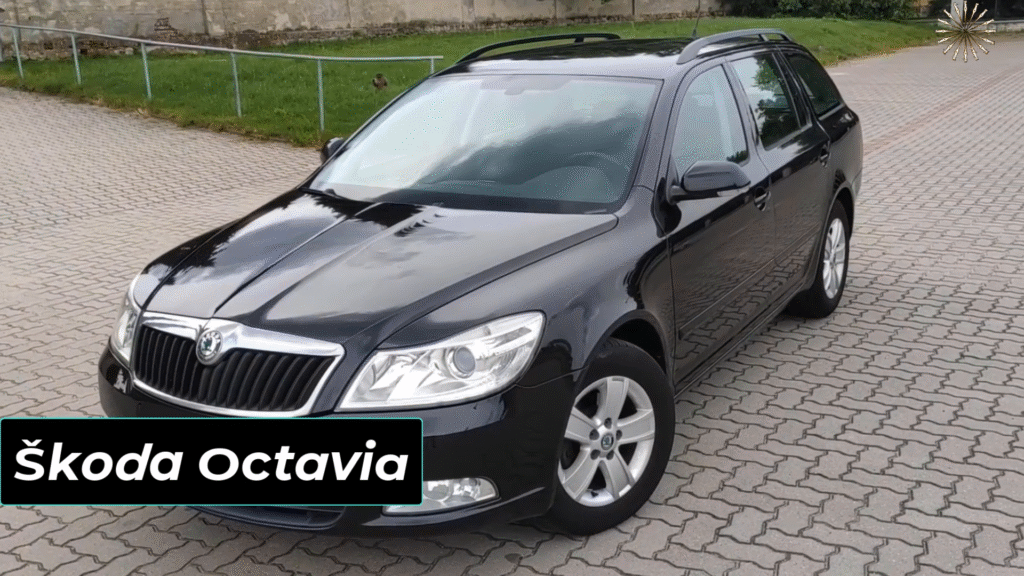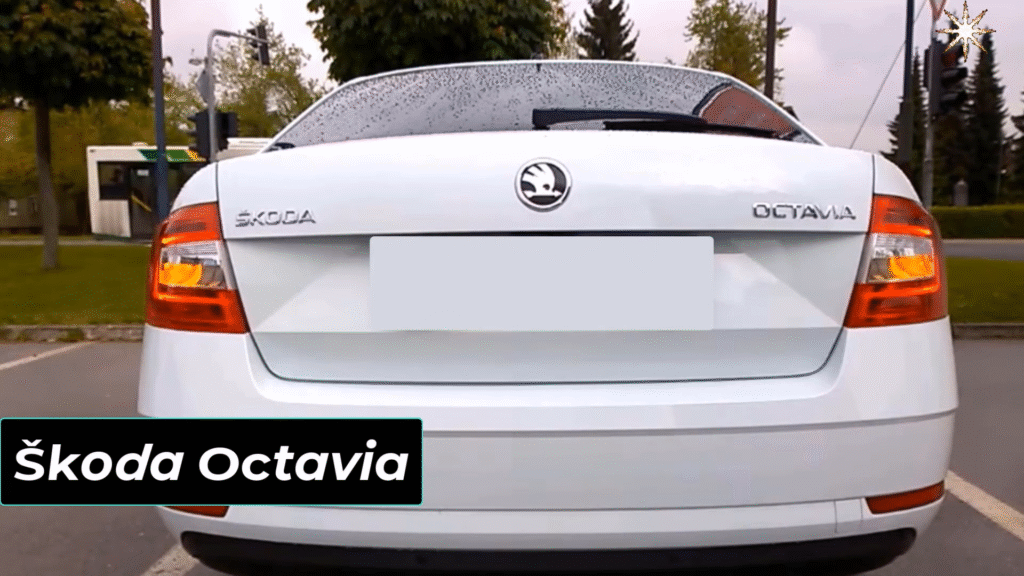
1. Introduction to the Škoda Octavia
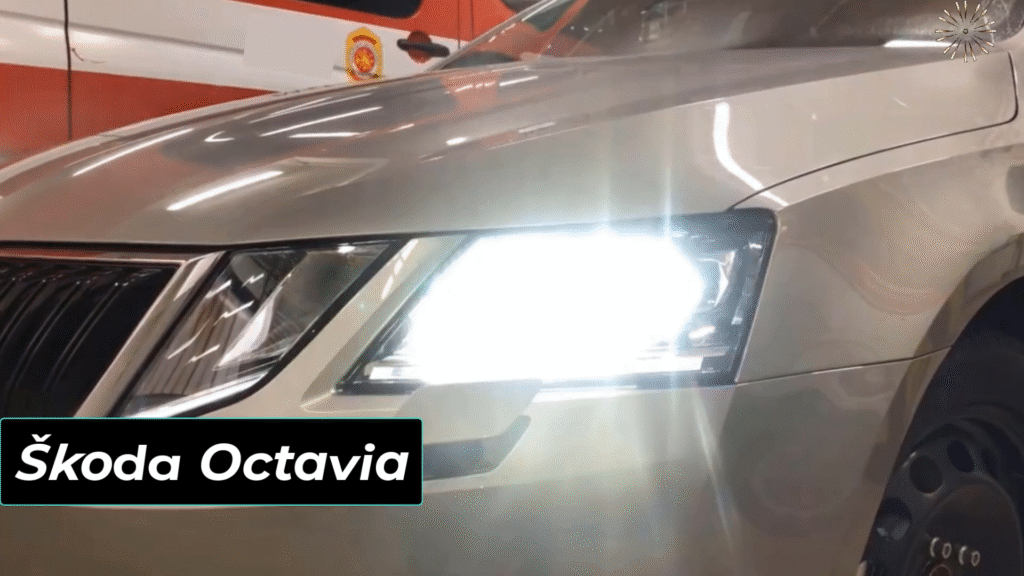
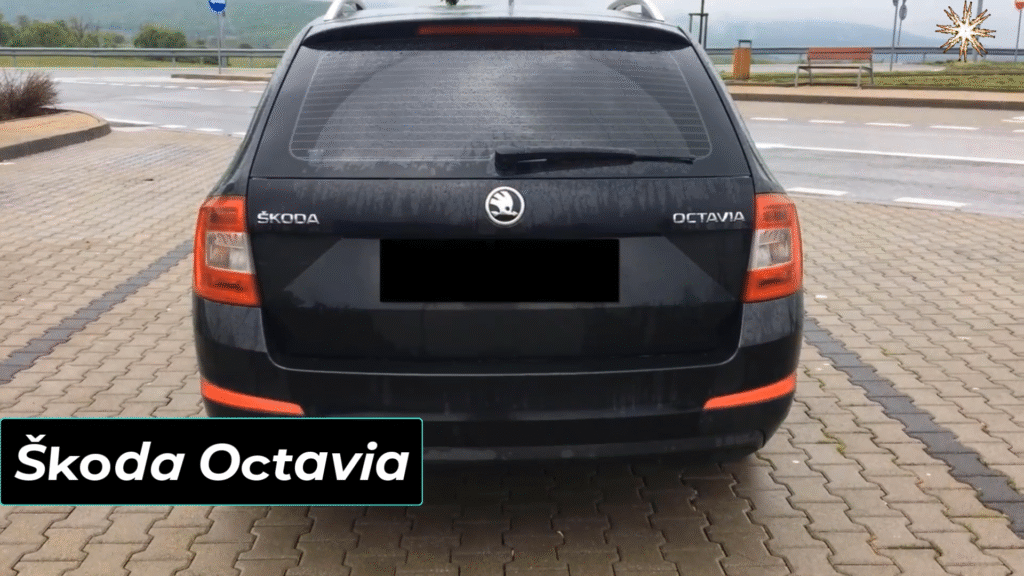
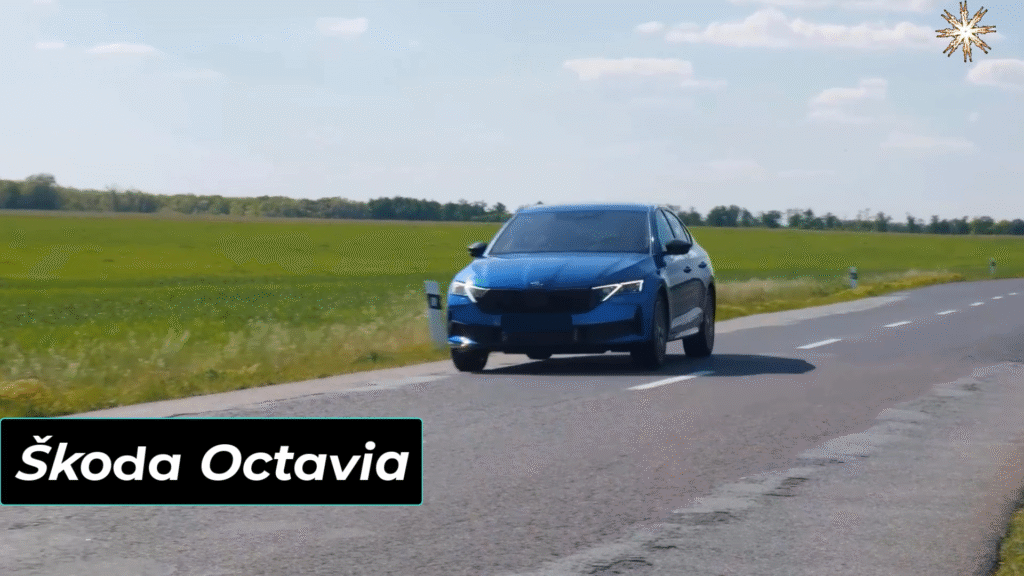
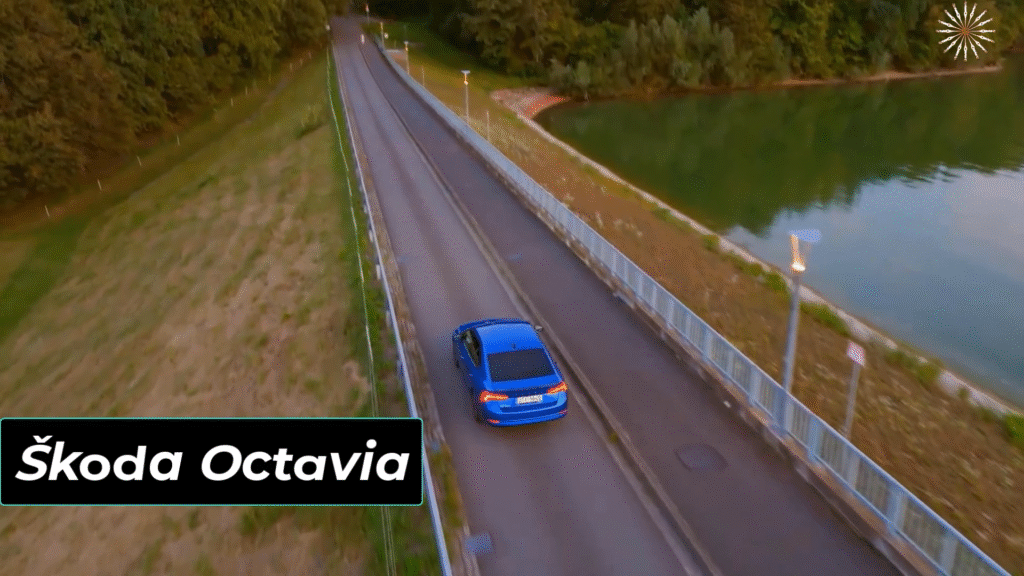
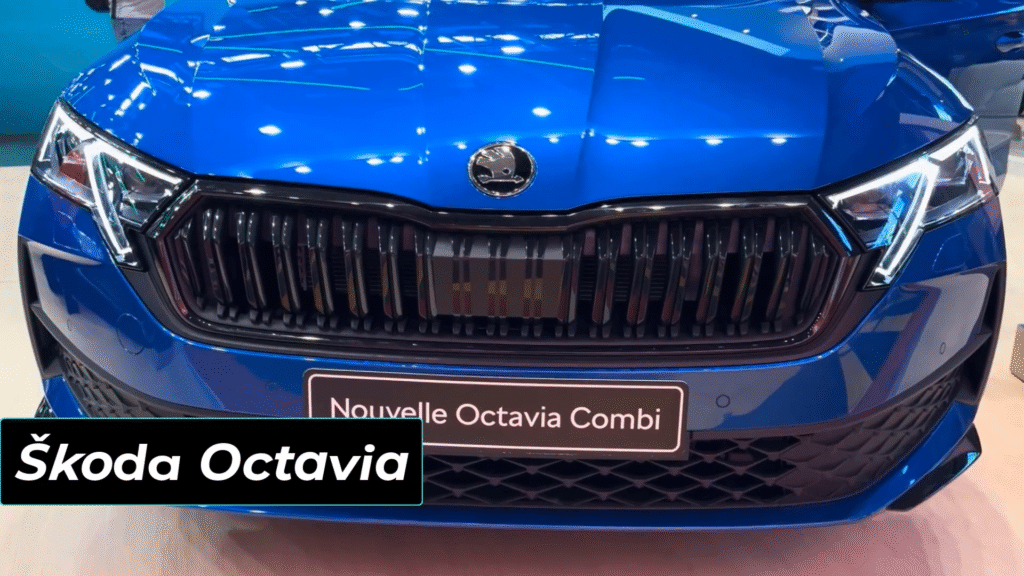
The Škoda Octavia stands as one of Europe’s most respected family cars, blending affordability, practicality, and German engineering precision. Over six decades, it has evolved from a modest Czechoslovakian compact car into a global best-seller, prized by families, professionals, and fleet operators alike.
2. Historical Background
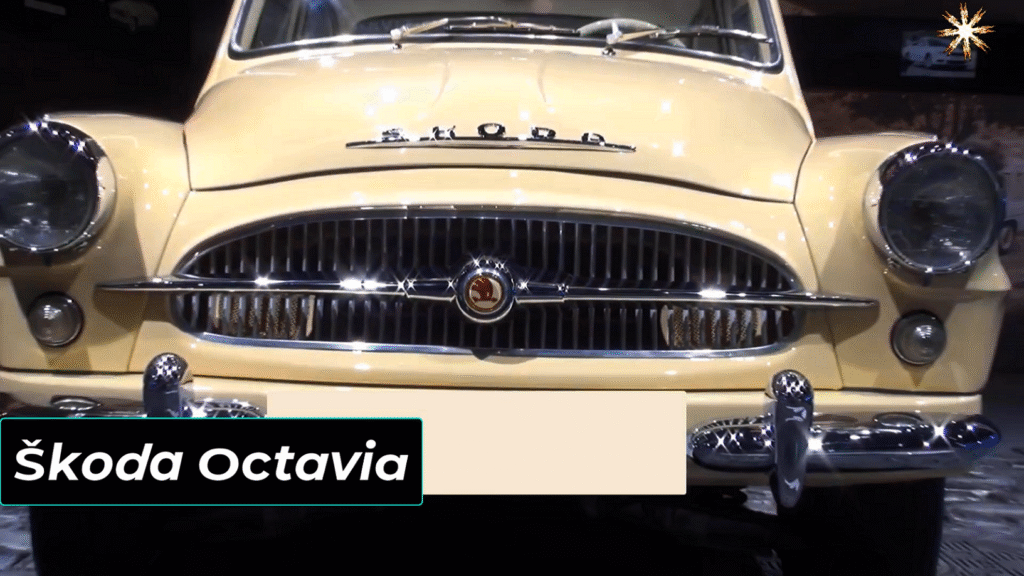
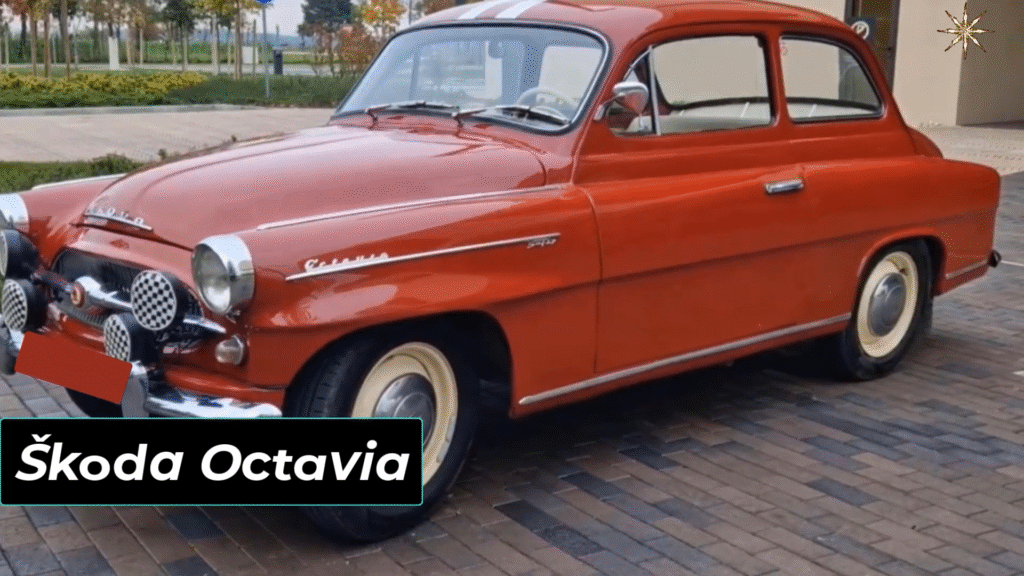
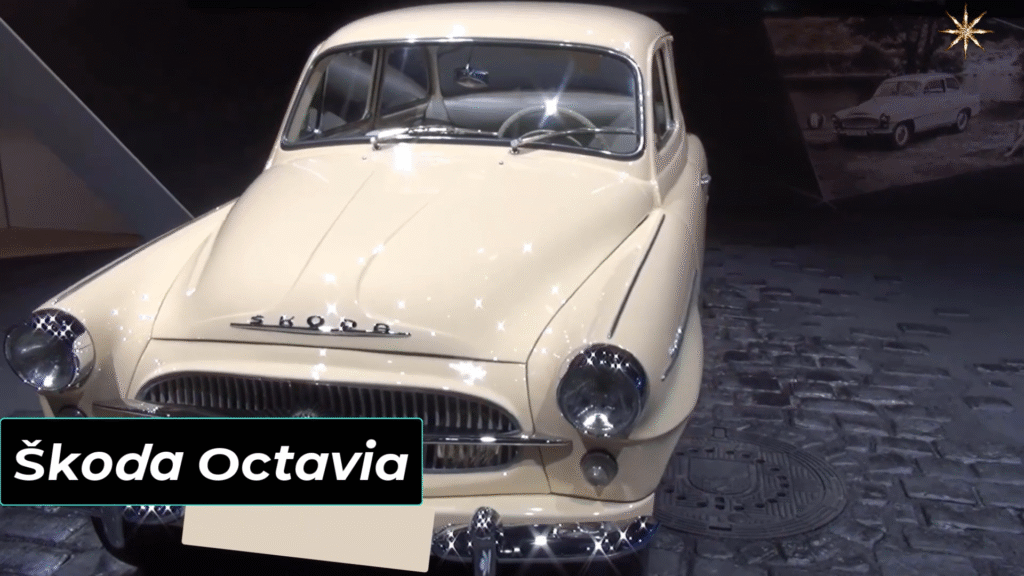
The name “Octavia” originates from the Latin word octavus, meaning “eighth,” marking it as the eighth model produced by Škoda Auto. Introduced in 1959, the original Octavia succeeded the Škoda 440/445 and quickly gained a reputation for reliability and comfort.
It featured a 1089 cc inline-four engine producing around 40 horsepower, later upgraded to 1221 cc with up to 55 hp, reaching a top speed of roughly 115 km/h.
By 1971, Škoda had produced nearly 365,000 units, including 54,000 estate (Combi) models — an early sign of the brand’s commitment to practicality.
3. Revival of the Octavia in the Modern Era
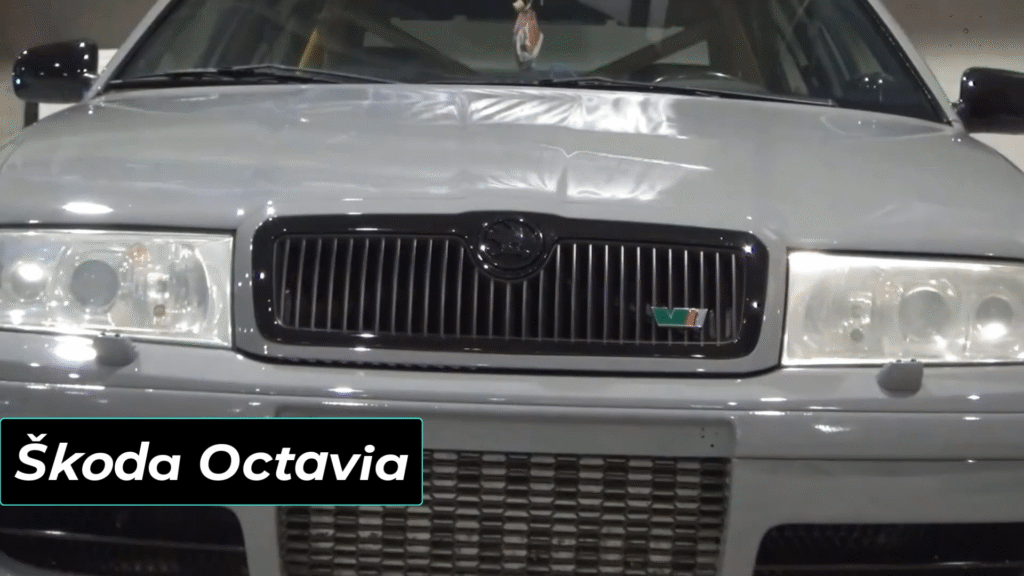
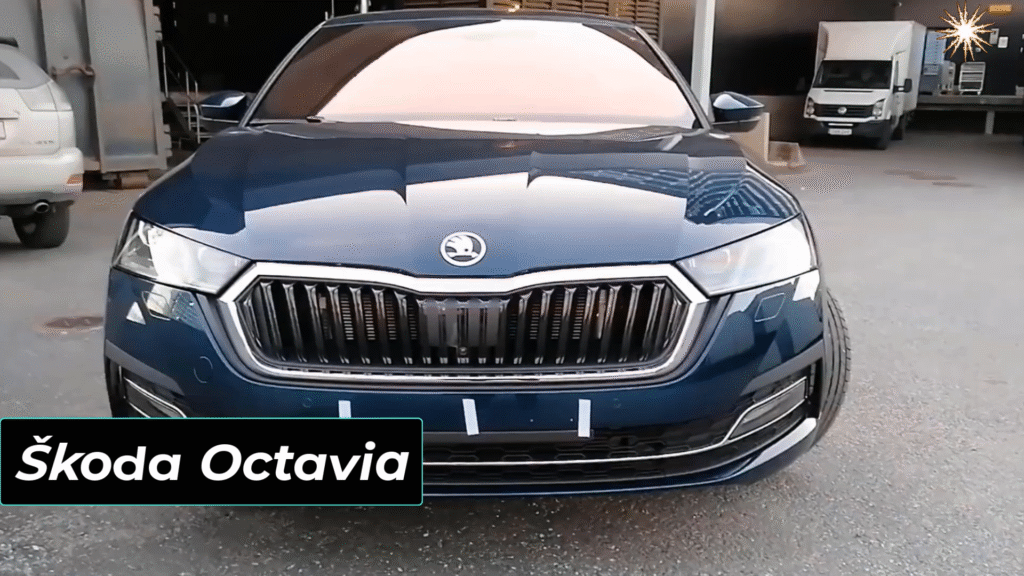
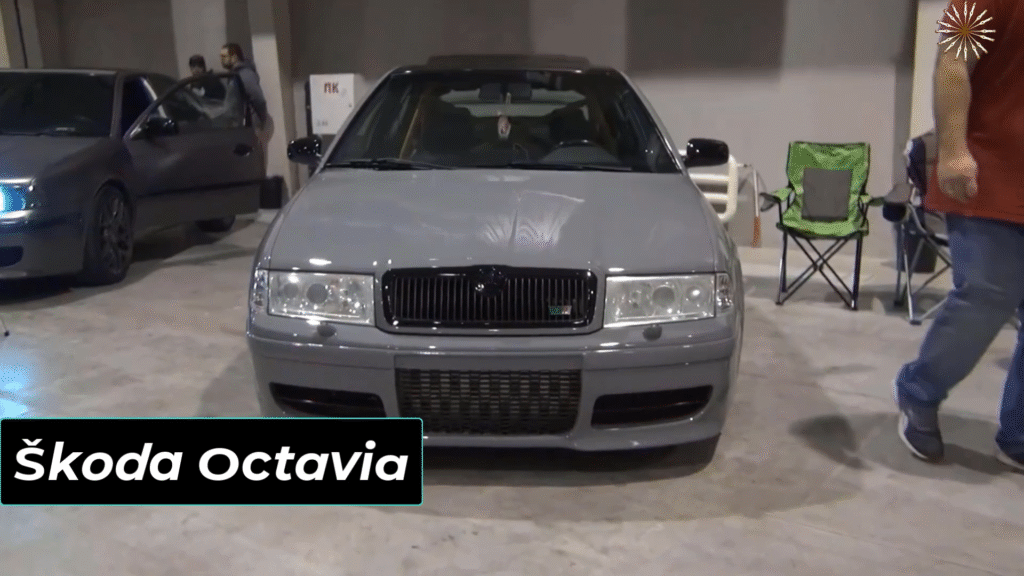
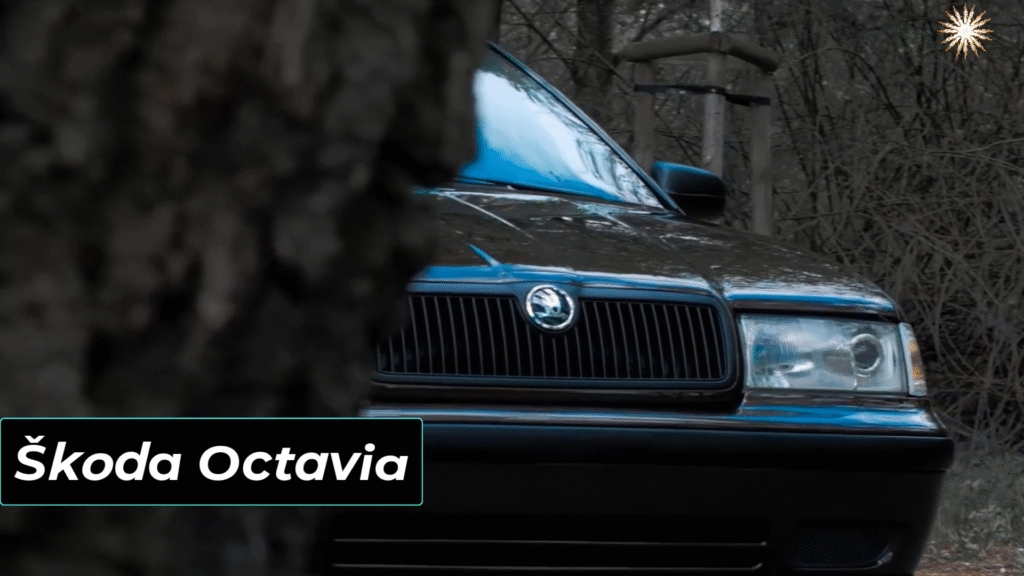
After a 25-year break, Škoda resurrected the Octavia name in 1996, marking the start of its modern success story. Now part of the Volkswagen Group, Škoda benefitted from shared platforms, cutting-edge technology, and improved quality standards.
This move transformed the Octavia into a global contender, combining Volkswagen engineering with Škoda’s value-driven philosophy.

4. Generation Timeline
| Generation | Years | Key Highlights |
|---|---|---|
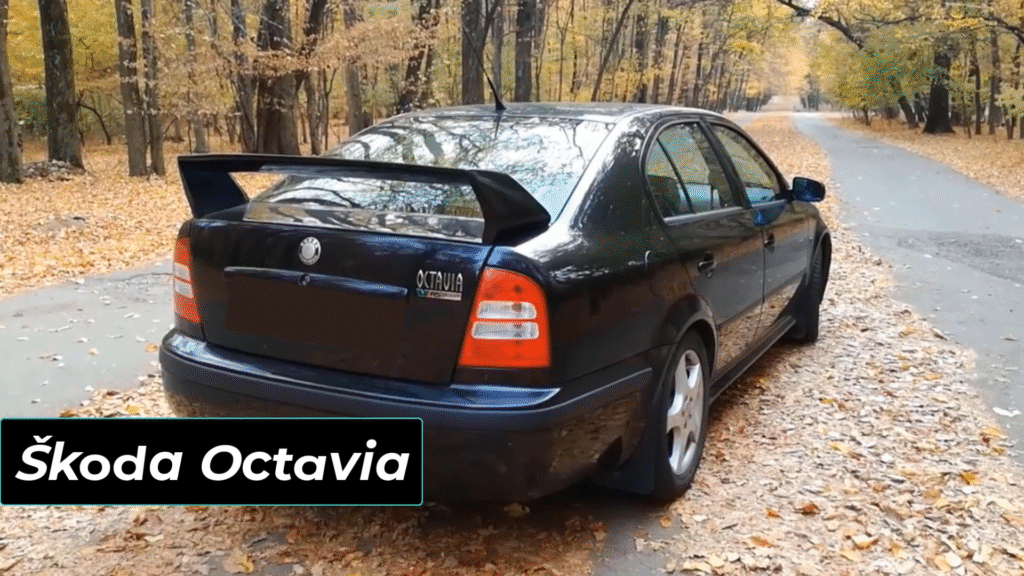
| Original Octavia | 1959–1971 | Classic rear-wheel-drive car, simple and durable. |
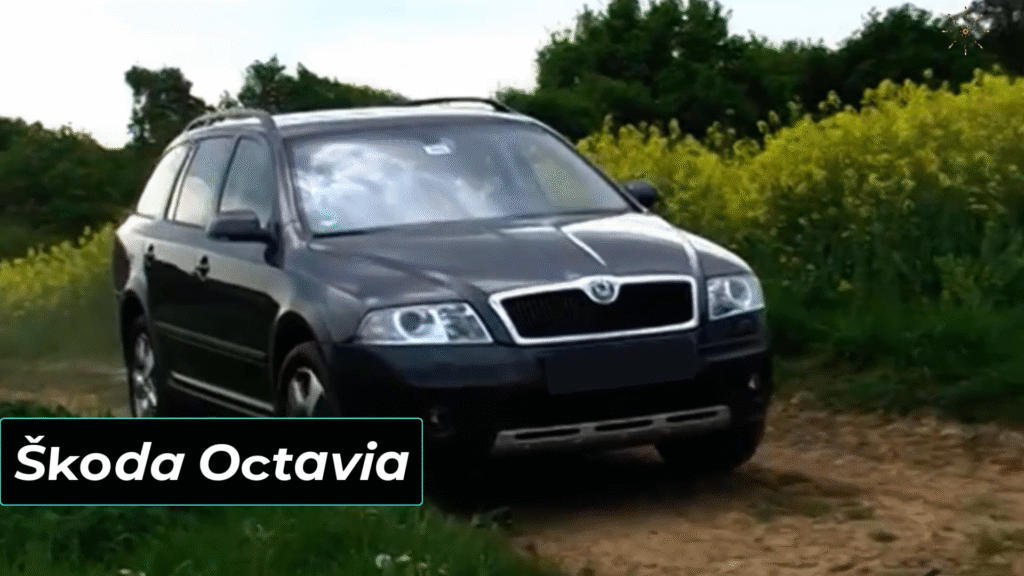
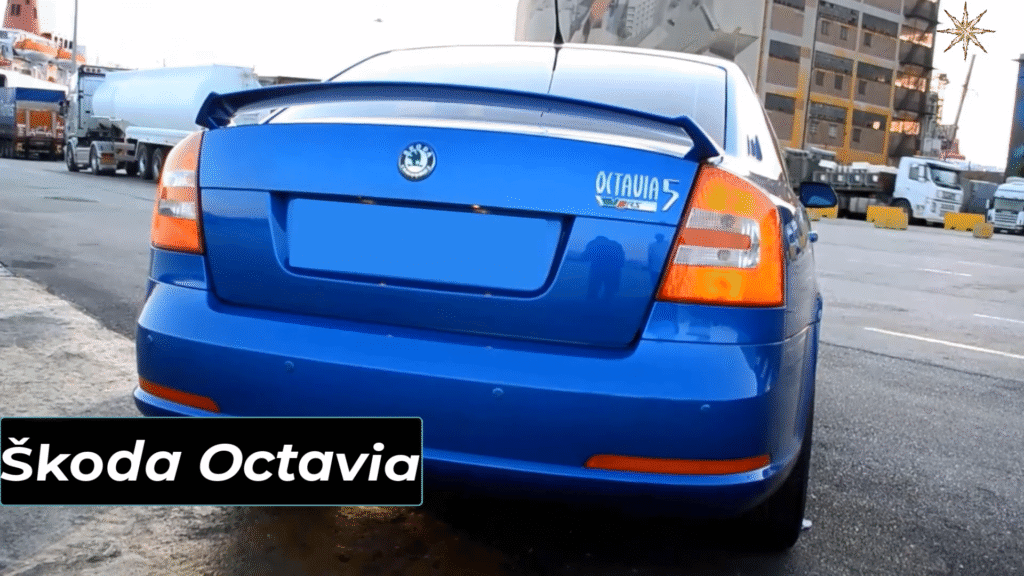
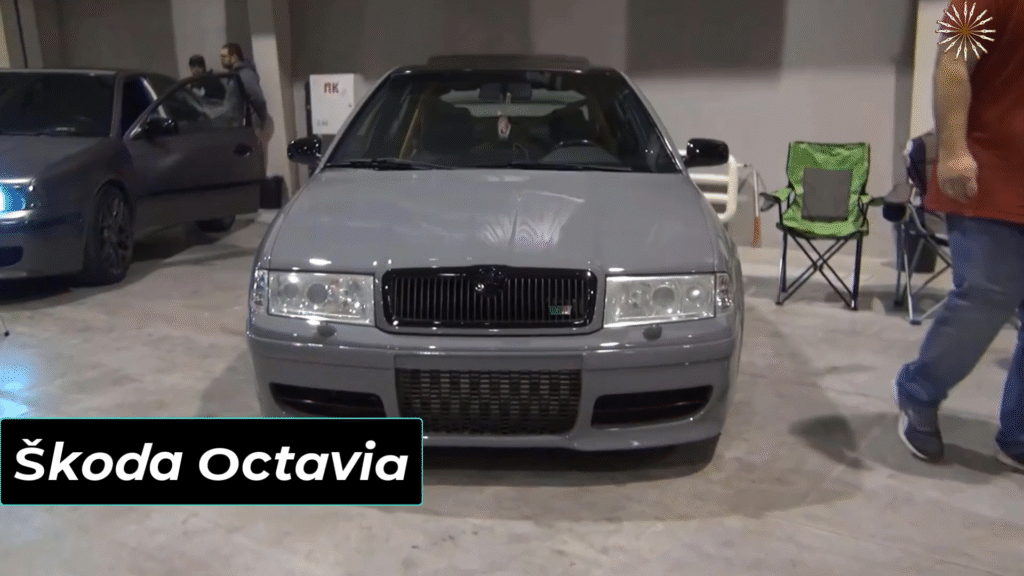
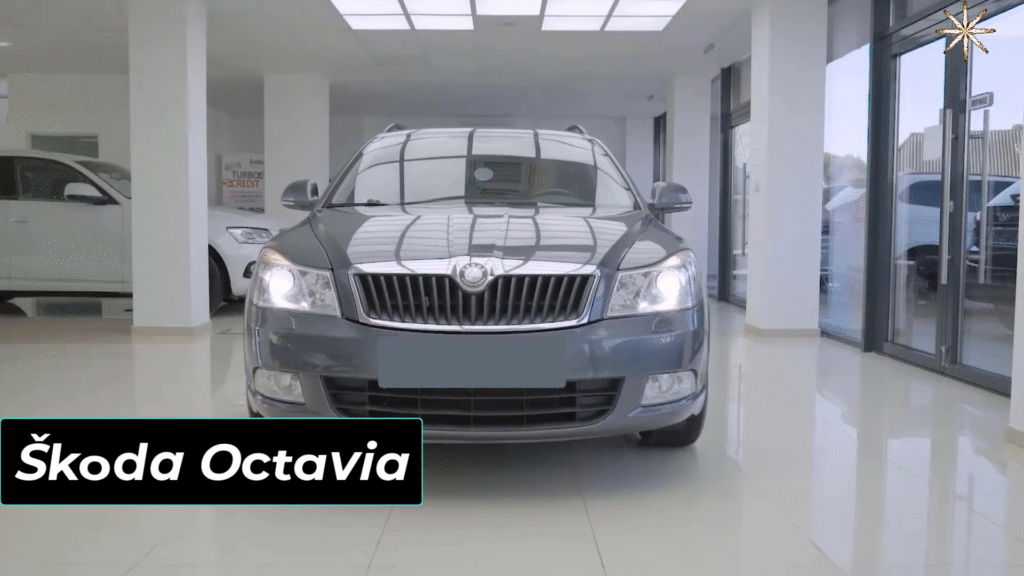
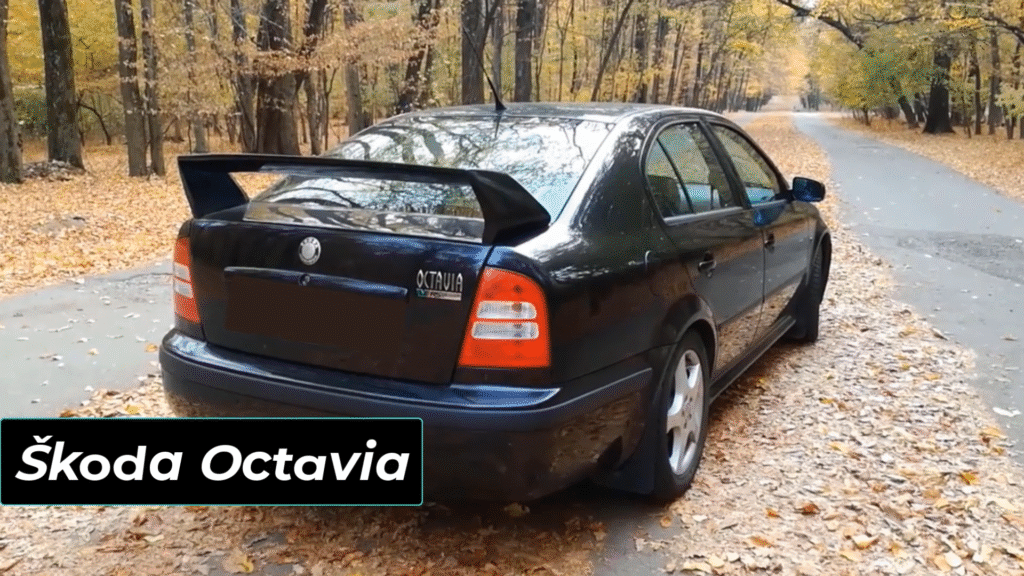
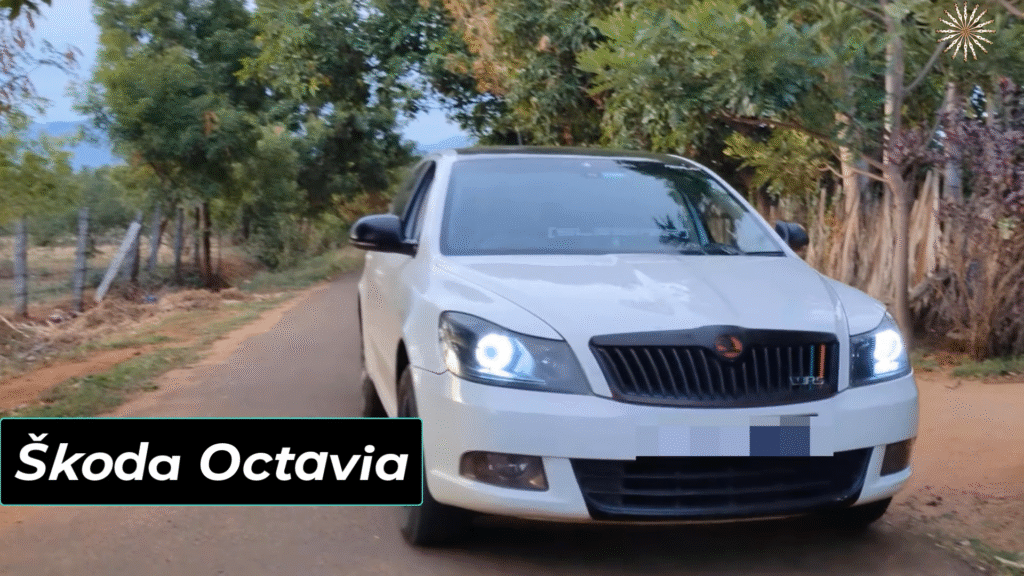
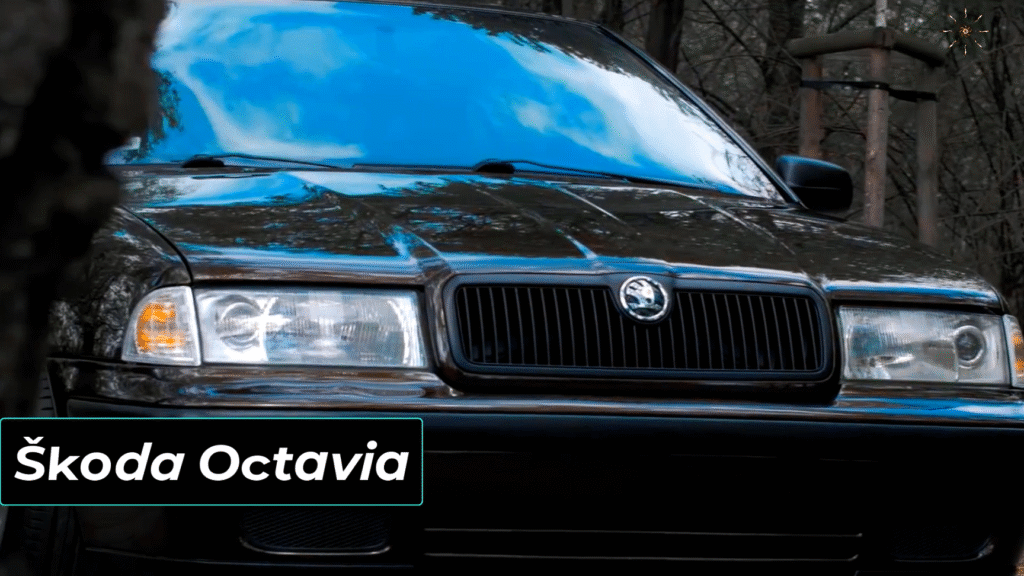
| 1st Generation (A4) | 1996–2010 | VW Golf-based platform, major leap in quality and safety. |
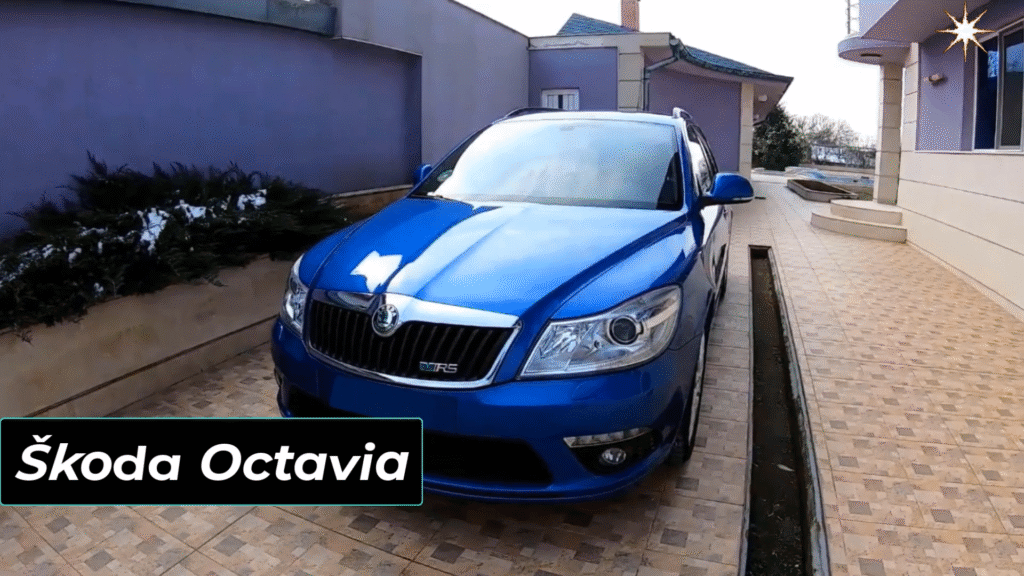
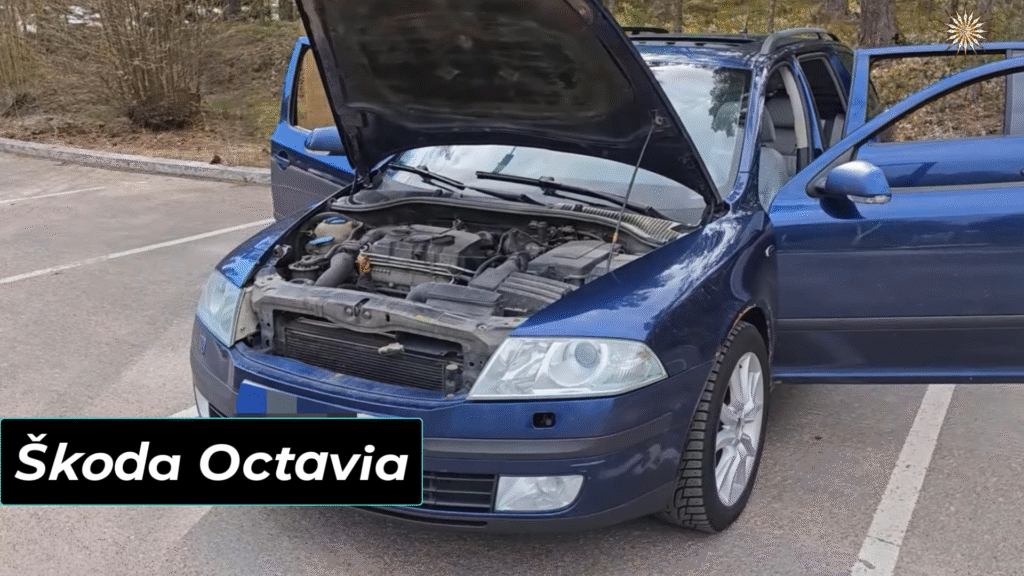
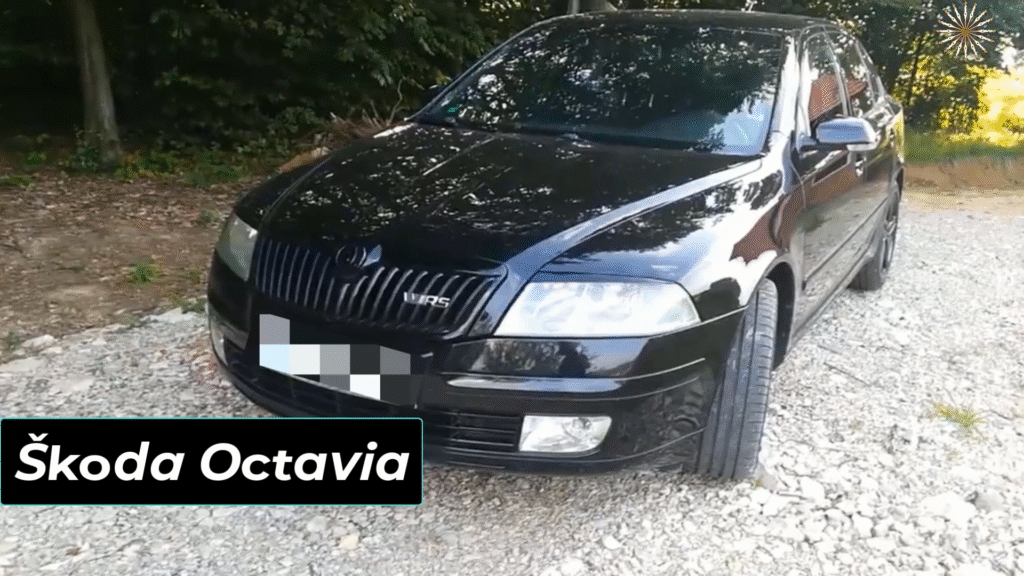
| 2nd Generation (A5) | 2004–2013 | Improved comfort, efficiency, and styling. |
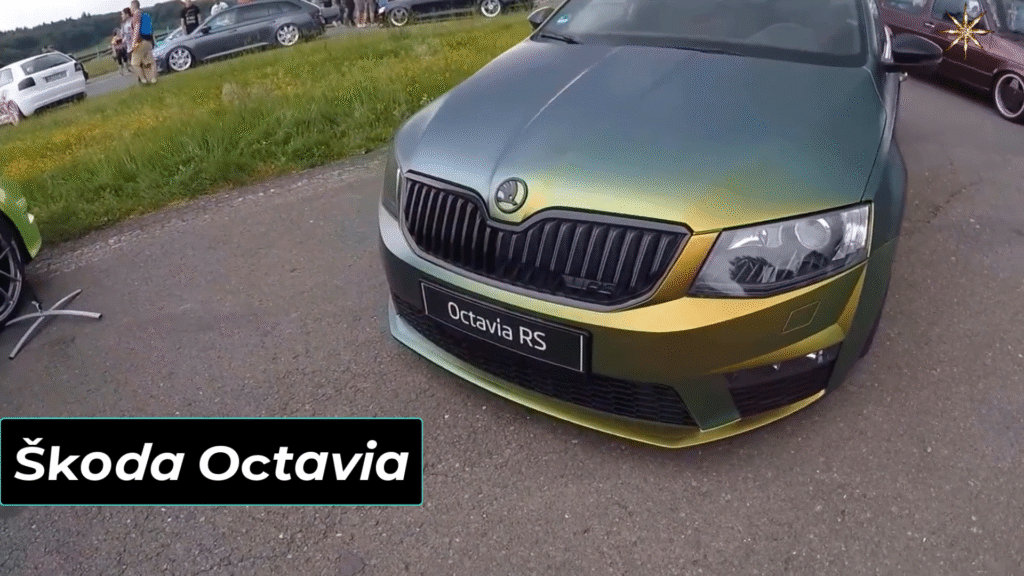
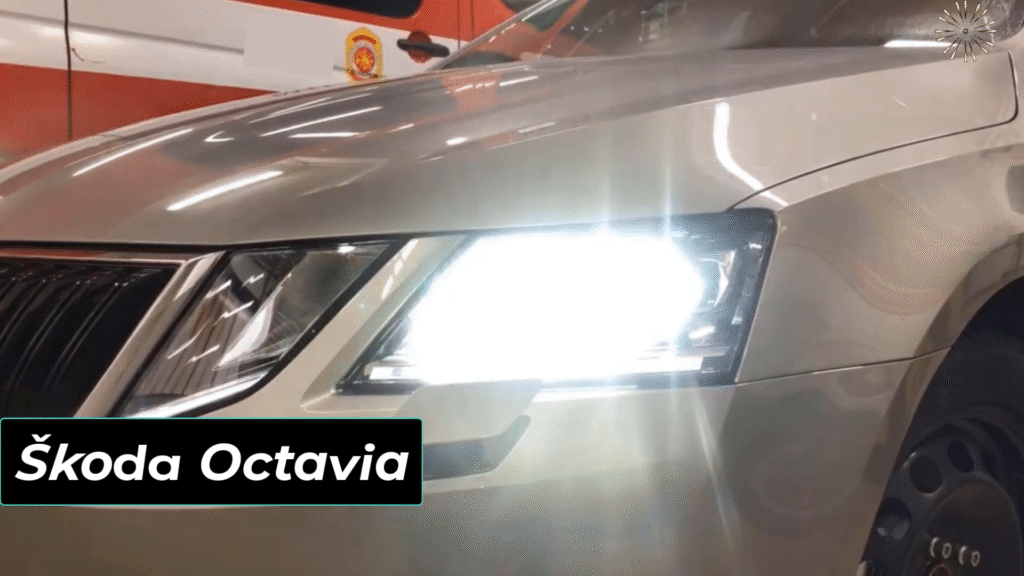
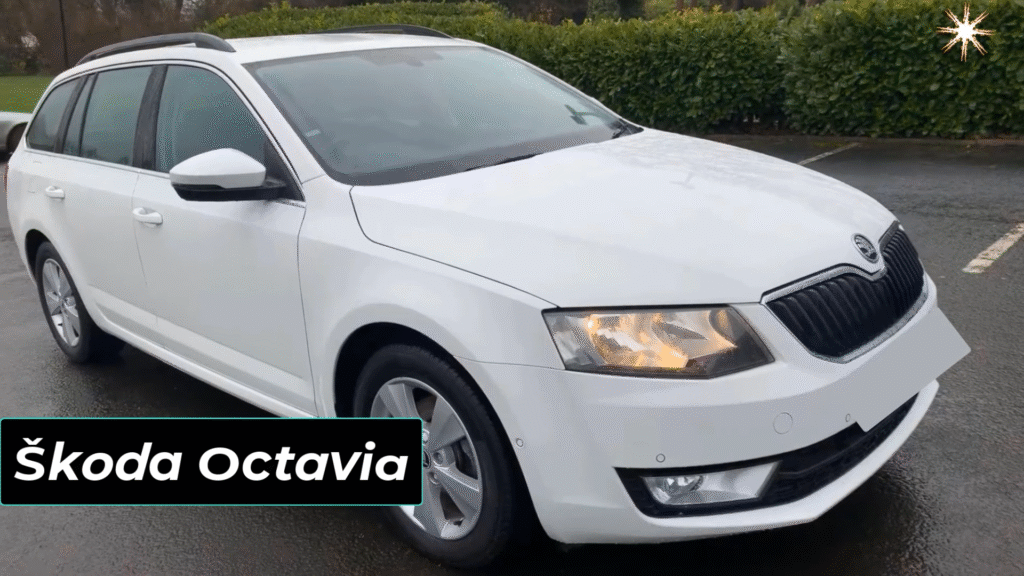
| 3rd Generation (A7) | 2013–2019 | Advanced driver-assists, lightweight chassis, larger cabin. |
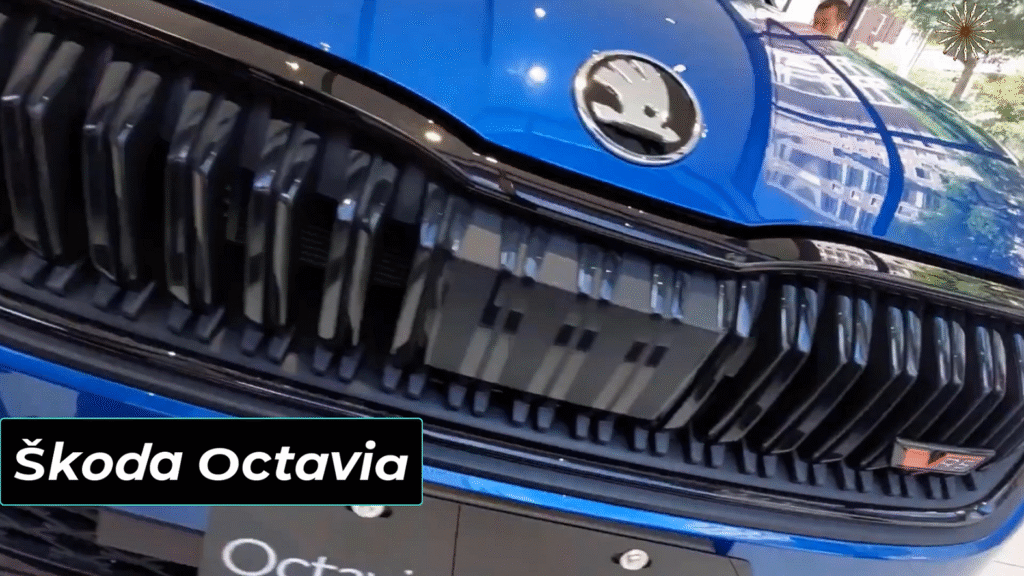
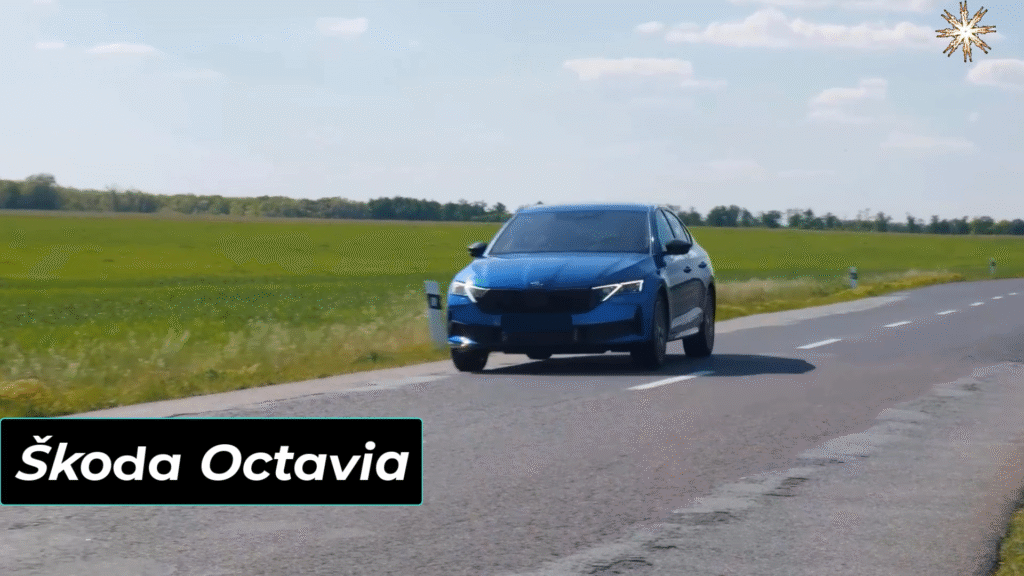
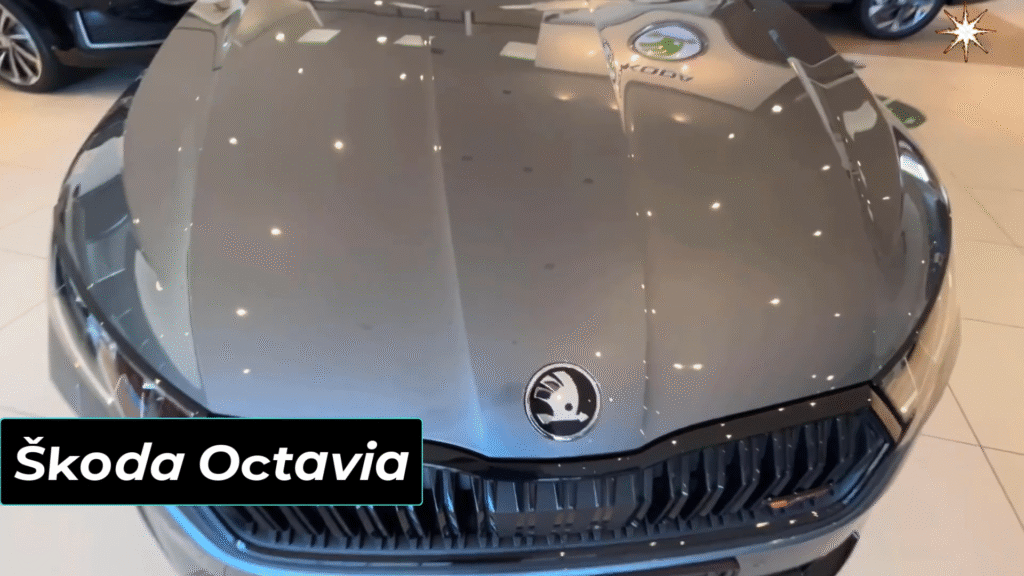
| 4th Generation (A8) | 2019–present | Modern tech, hybrid options, and refined design. |
5. Technical Highlights of the Original Octavia
The 1959 Octavia was rear-wheel-drive with a manual gearbox and basic yet durable mechanical components.
It measured 4.06 m long and 1.6 m wide, making it compact yet spacious for its time. The car’s robust suspension and reliable engine made it popular in both domestic and export markets.
6. Technical Evolution in Modern Generations
With each generation, the Octavia became more refined and powerful:
- Power output: ranges from 74 hp to over 240 hp.
- Engines: wide variety of petrol, diesel, and hybrid powertrains.
- Body styles: saloon (liftback) and estate (Combi).
- Boot capacity: up to 1,740 L in estate form — among the largest in its class.
- Transmission: manual, DSG automatic, and 4×4 options.

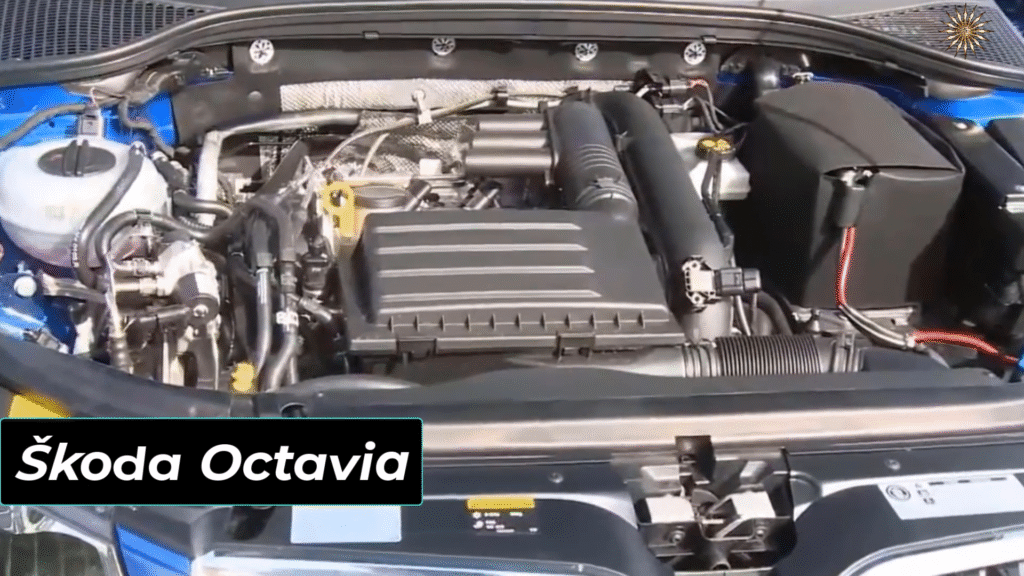
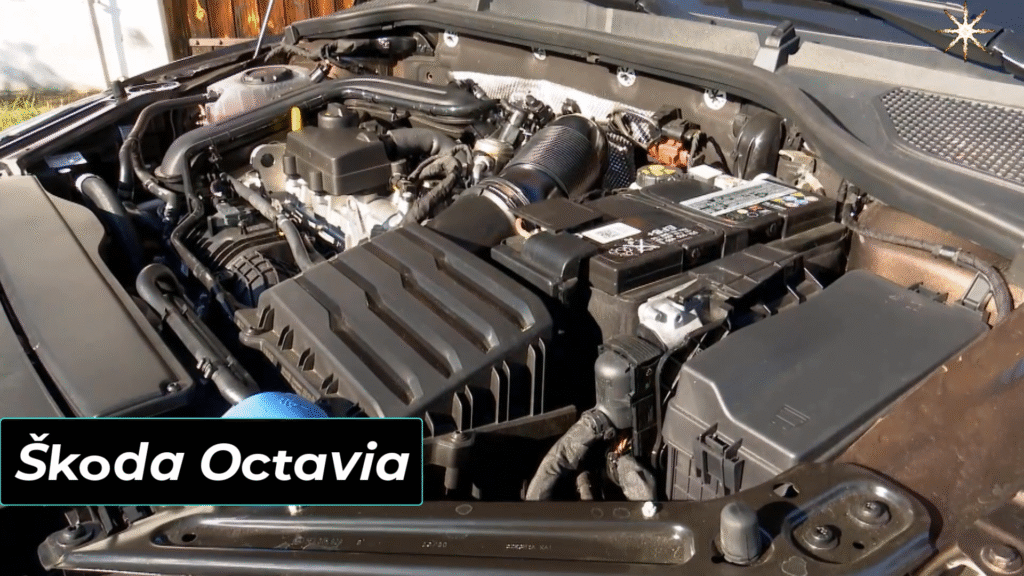
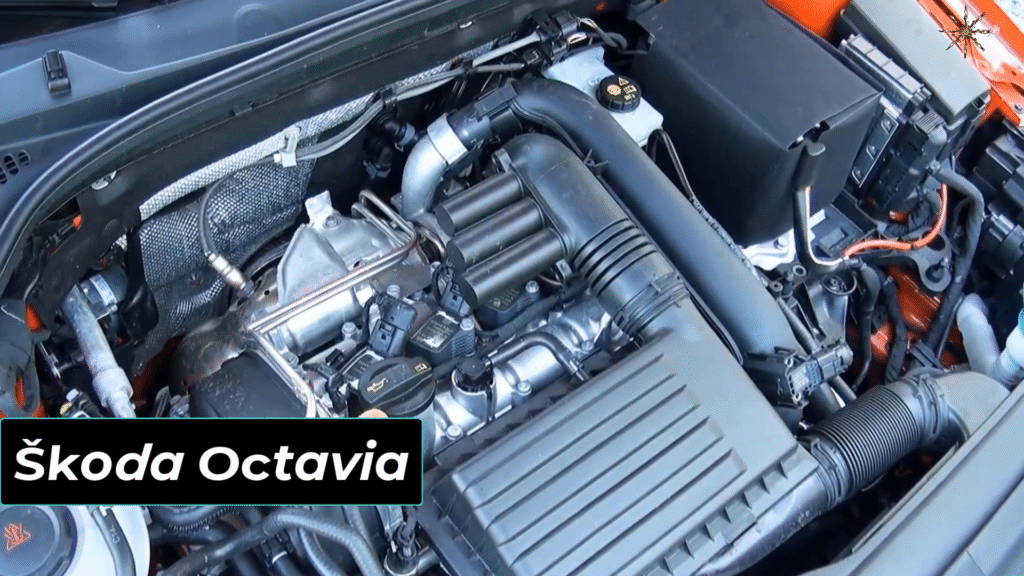
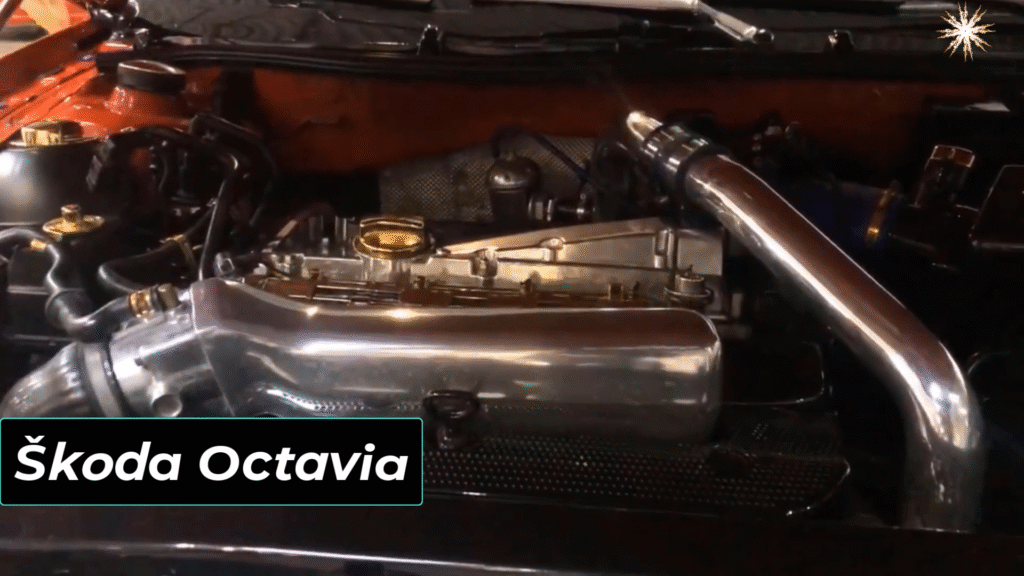
7. Engine & Performance Range
Petrol Engines
Efficient TSI units range from 1.0 L three-cylinder to 2.0 L turbocharged powerplants, delivering smooth acceleration and strong economy.
Diesel Engines
The TDI diesels remain popular for long-distance drivers, combining torque with excellent fuel efficiency — often above 55 mpg on highways.
Hybrid & Electric
Recent versions introduced mild-hybrid (e-TEC) and plug-in hybrid (iV) options, blending low emissions with traditional performance.
8. Interior Comfort & Practicality
Inside, the Octavia offers top-class ergonomics and exceptional space for its price segment.
The estate (Combi) versions especially excel in practicality, offering room for families, luggage, or business equipment.
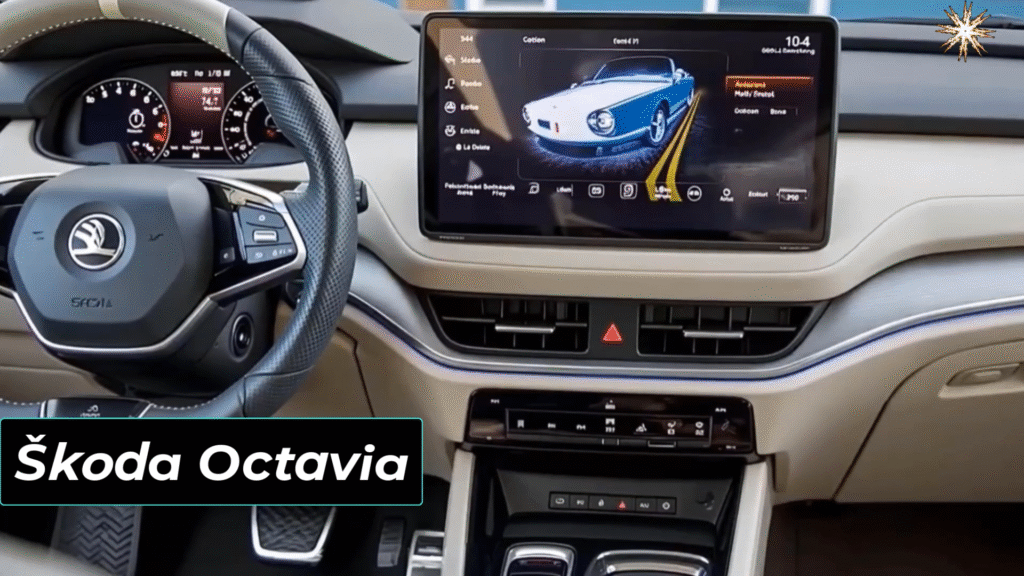
Later generations introduced digital dashboards, ambient lighting, and high-quality materials, elevating the interior close to premium standards.

9. Technology & Safety Innovations
The third and fourth generations introduced major advances:
- Adaptive cruise control
- Lane-keeping assist
- Traffic sign recognition
- Emergency braking
- 360° camera systems
These systems, combined with five-star Euro NCAP safety ratings, make the Octavia a secure and intelligent choice.
10. Strengths of the Škoda Octavia
- Outstanding space — one of the largest boots in its class.
- Great value for money — high-end engineering at mid-range pricing.
- Versatile range — from economical city cars to sporty vRS versions.
- Strong resale value — especially across European markets.
- Proven reliability — when serviced properly, engines can exceed 300,000 km.

11. Weaknesses and Common Issues
Despite its strengths, the Octavia has a few weak points:
- Turbo petrol engines may suffer carbon build-up if oil changes are delayed.
- Diesel models can experience EGR or DPF clogging under short-trip use.
- Cooling systems and water pumps occasionally fail on older versions.
- Ride comfort on sportier trims can be firm on rough roads.
Regular maintenance largely prevents these problems.



12. Buying Tips for New and Used Models
When shopping for a used Škoda Octavia:
- Verify full service history — especially timing belt and water pump changes.
- Inspect suspension, turbo, and clutch wear.
- Test all electronic and safety systems.
- Prefer cars with consistent dealer servicing.
For new buyers, the 1.5 TSI petrol and 2.0 TDI diesel remain balanced, efficient options for mixed driving.
13. Ownership Experience
Owners often praise the Octavia for being economical to run, with service intervals up to 15,000 km, and a solid network of service centers. Insurance, tax, and maintenance costs are generally affordable compared to its rivals.
14. Future Outlook
Škoda continues to evolve the Octavia toward electrification. Upcoming models are expected to feature:
- Enhanced hybrid efficiency
- AI-based driver assistance
- More sustainable materials
- Connected infotainment with over-the-air updates
The Octavia remains at the heart of Škoda’s transition to greener mobility.
15. Frequently Asked Questions (FAQs)
Q1. Is the Škoda Octavia reliable?
Yes — when serviced on time, it’s considered one of the most dependable vehicles in its class.
Q2. Which engine is best for city use?
The 1.0 TSI petrol offers smooth performance and great fuel economy for urban driving.
Q3. Is the Octavia good for long trips?
Absolutely. Diesel and hybrid versions provide superb comfort, range, and efficiency.
Q4. What’s the difference between the hatchback and Combi?
The Combi (estate) offers greater luggage capacity and versatility for families or professionals.
Q5. Does the Octavia have hybrid options?
Yes — the Octavia iV combines electric and petrol power, providing low emissions and up to 60 km electric-only range.
Q6. How does the Octavia compare to competitors?
It competes with models like the VW Golf, Ford Focus, and Hyundai i30 — offering more space and often better value.
16. Conclusion
The Škoda Octavia remains a benchmark in practicality, comfort, and engineering value. From its humble 1959 origins to today’s high-tech hybrid versions, it has continuously evolved while maintaining its core strengths: reliability, spaciousness, and affordability.
Whether you’re buying new or used, the Octavia delivers a balanced blend of European quality and everyday usability, making it one of the smartest automotive choices in its segment.