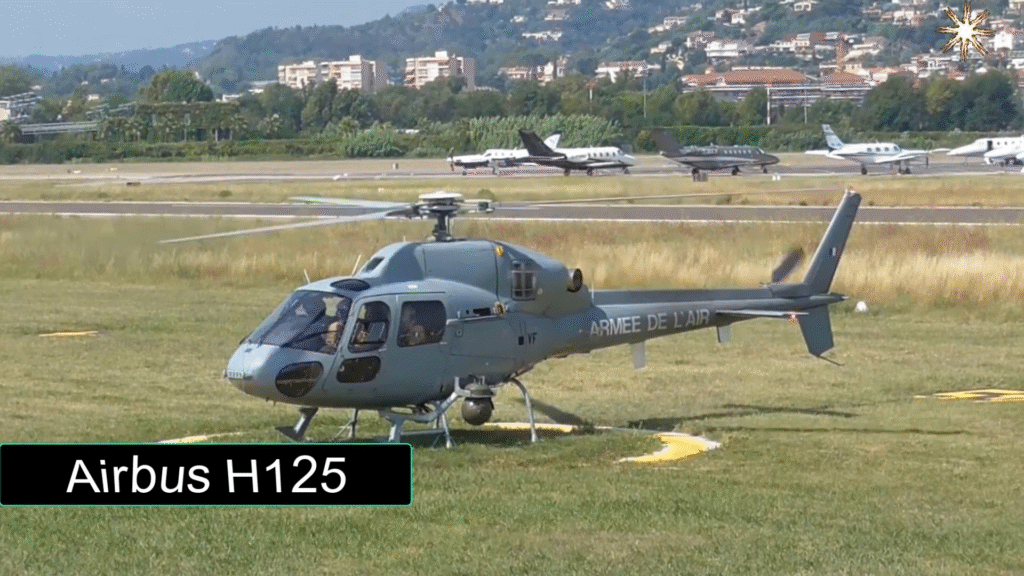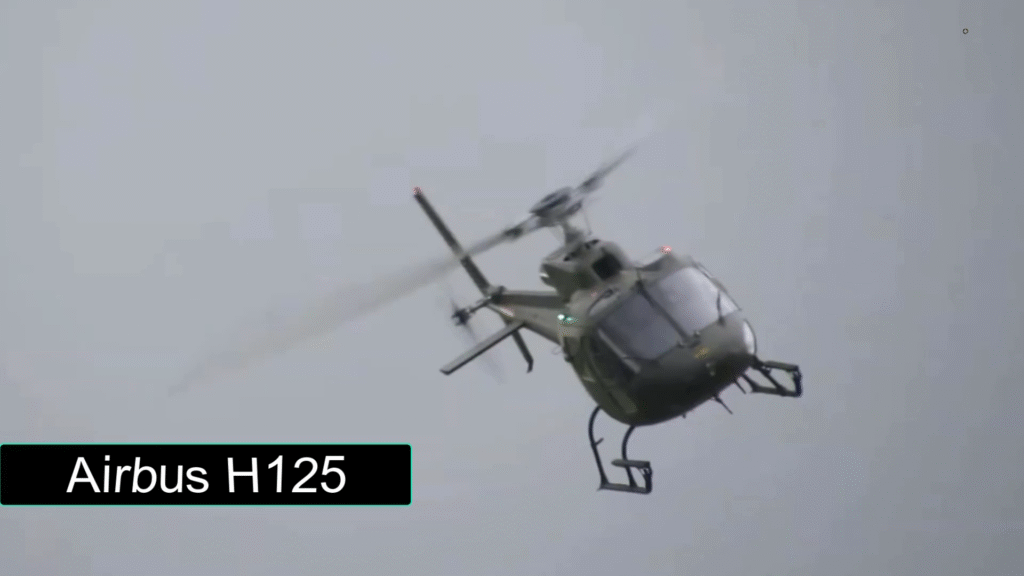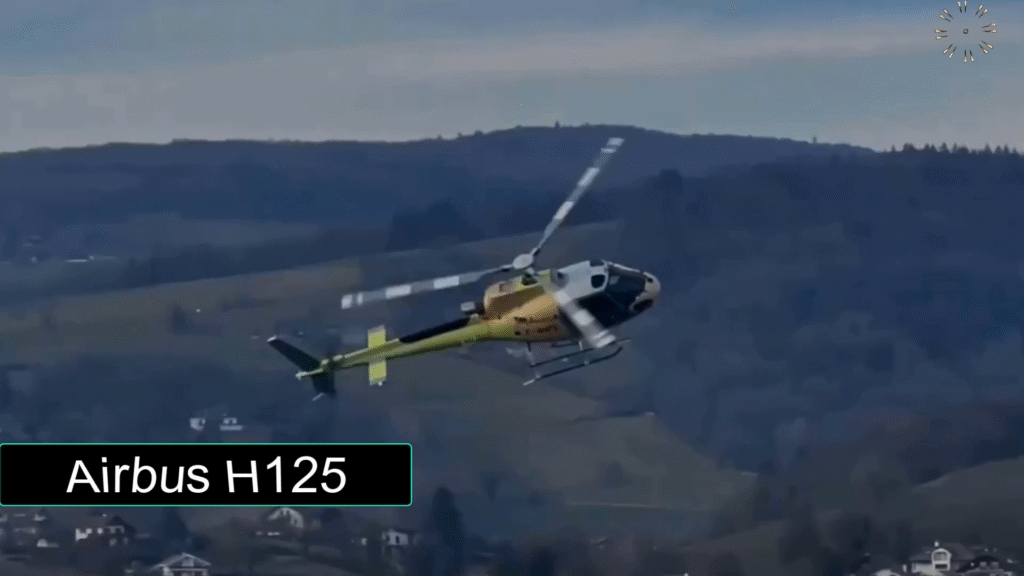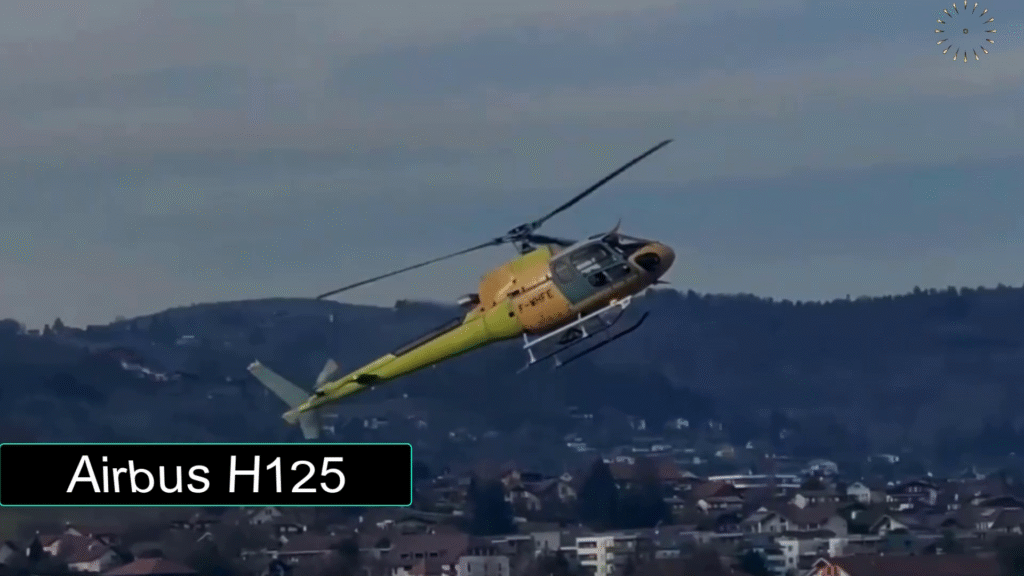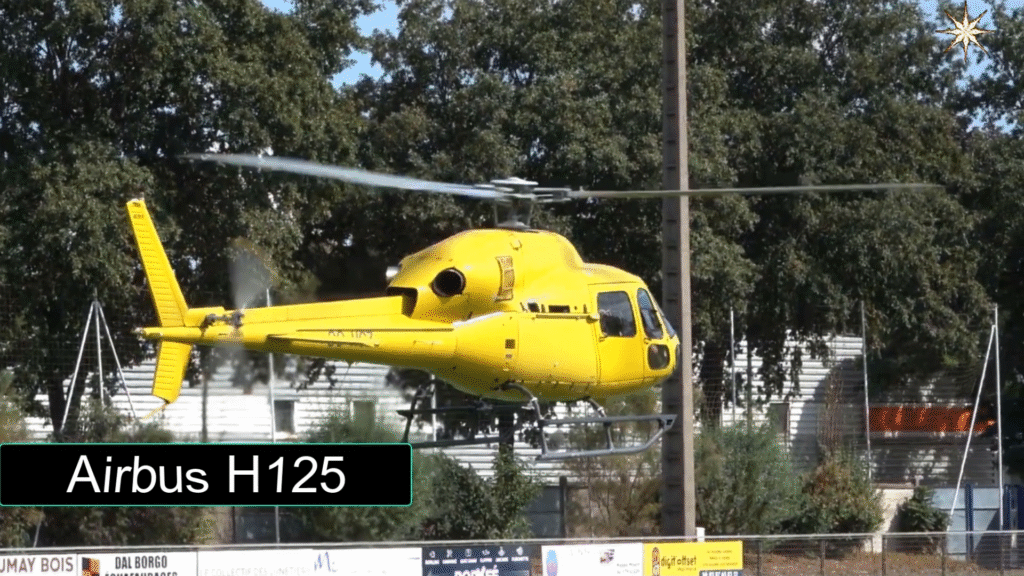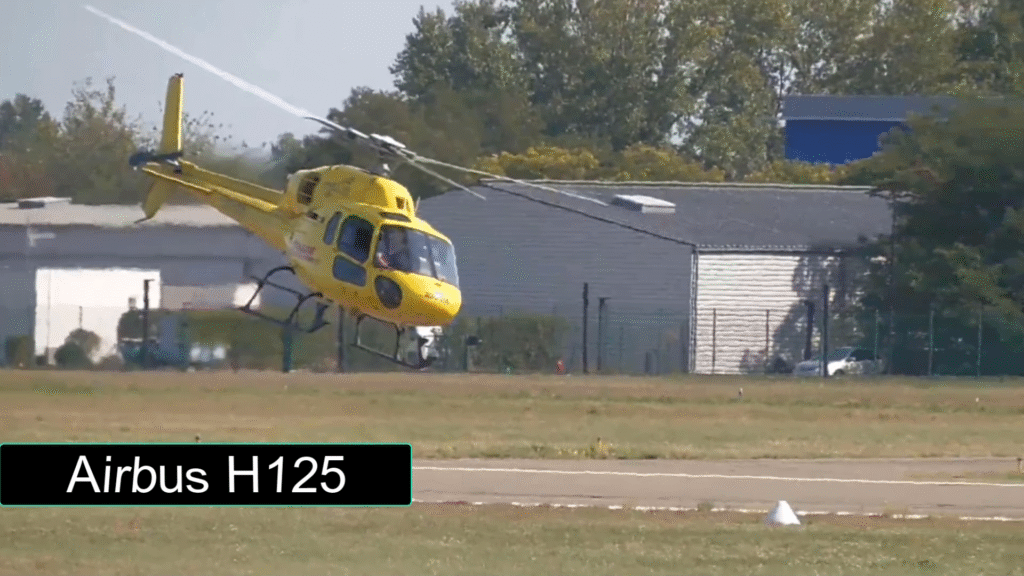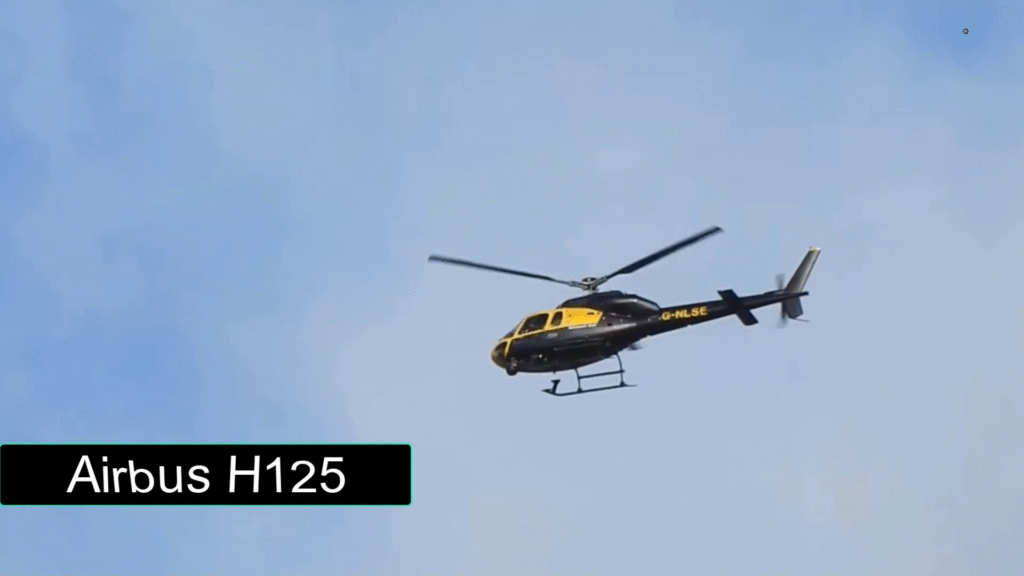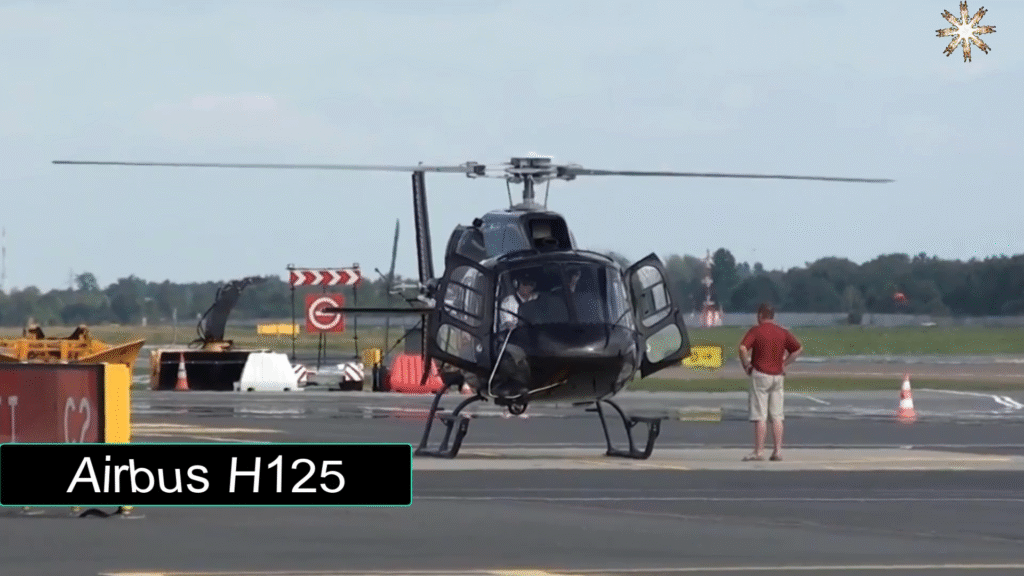

Introduction to the Airbus Helicopters H125
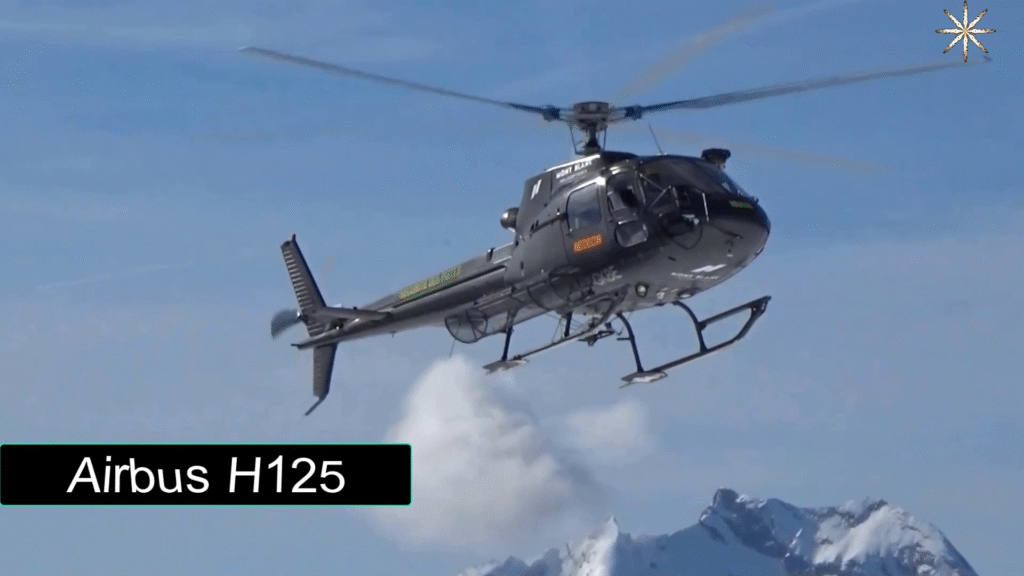
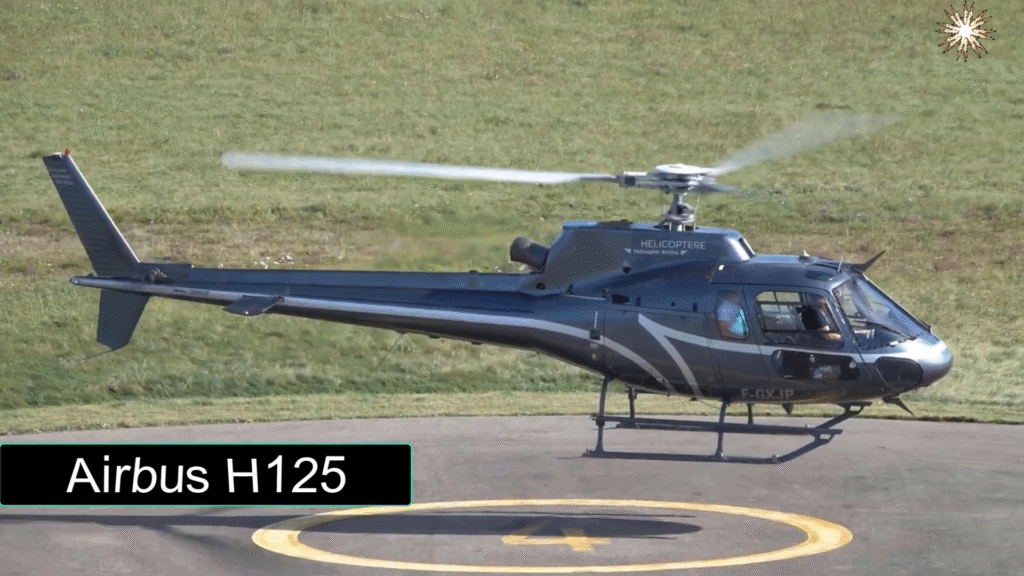
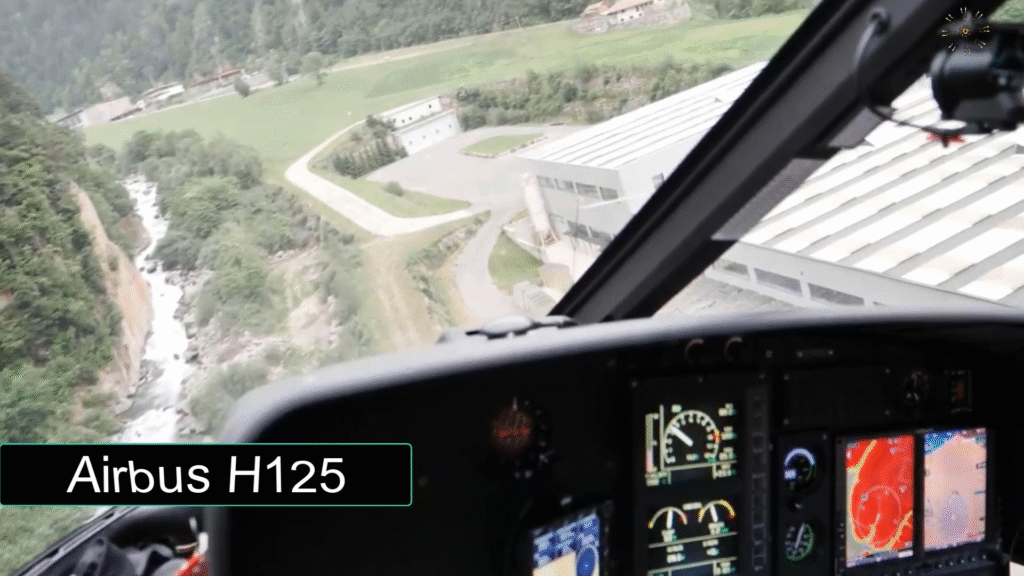
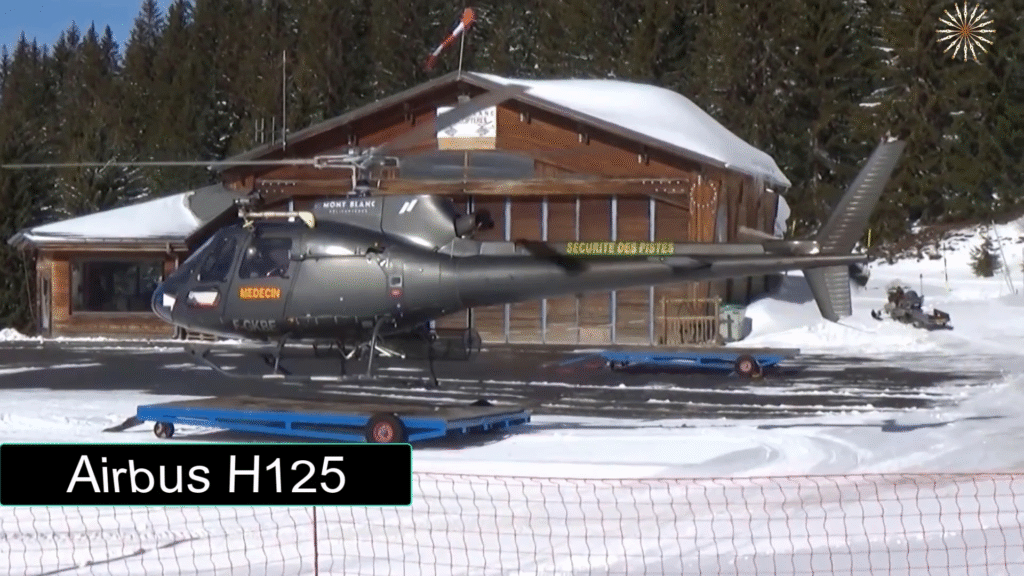
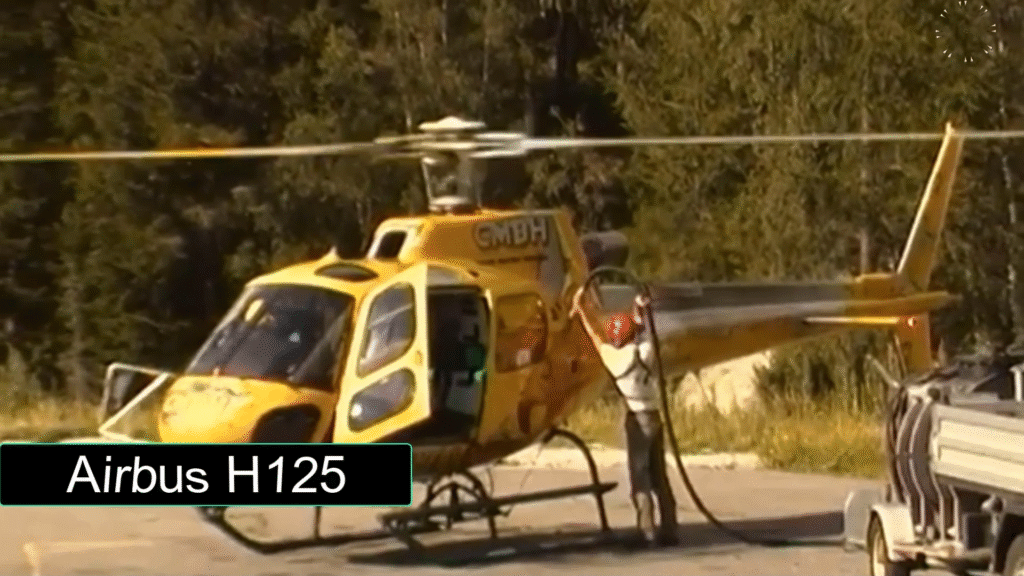
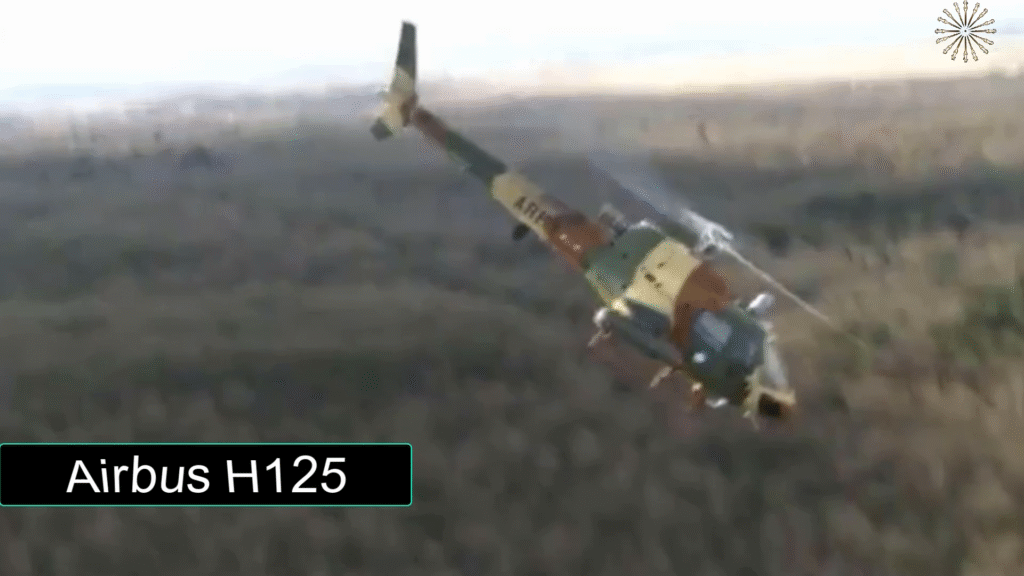
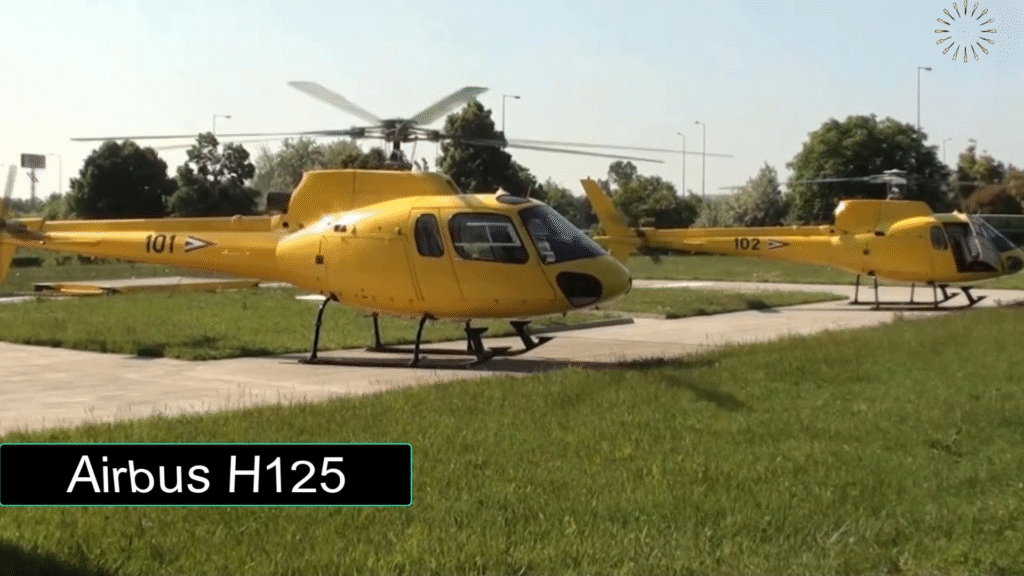
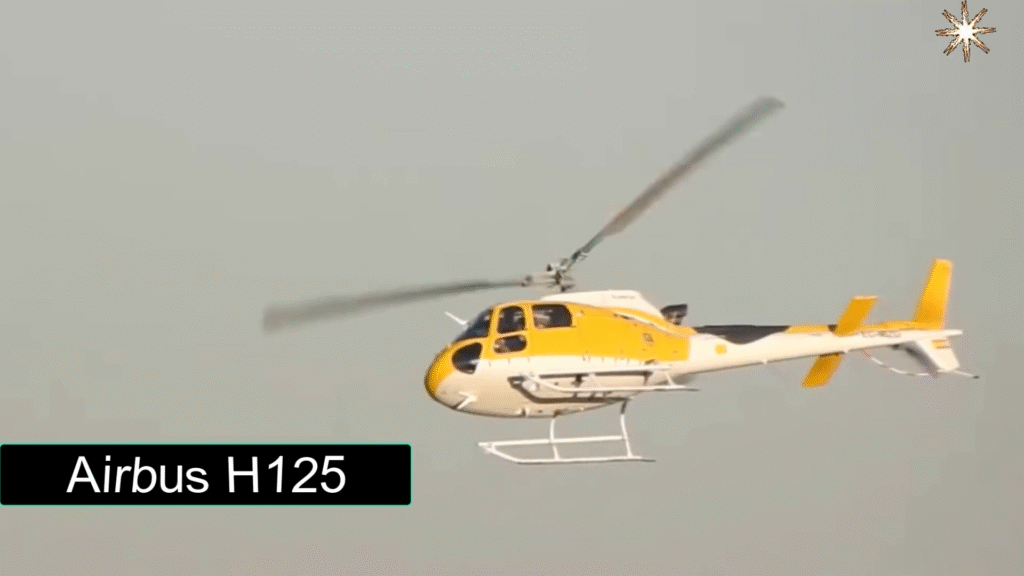
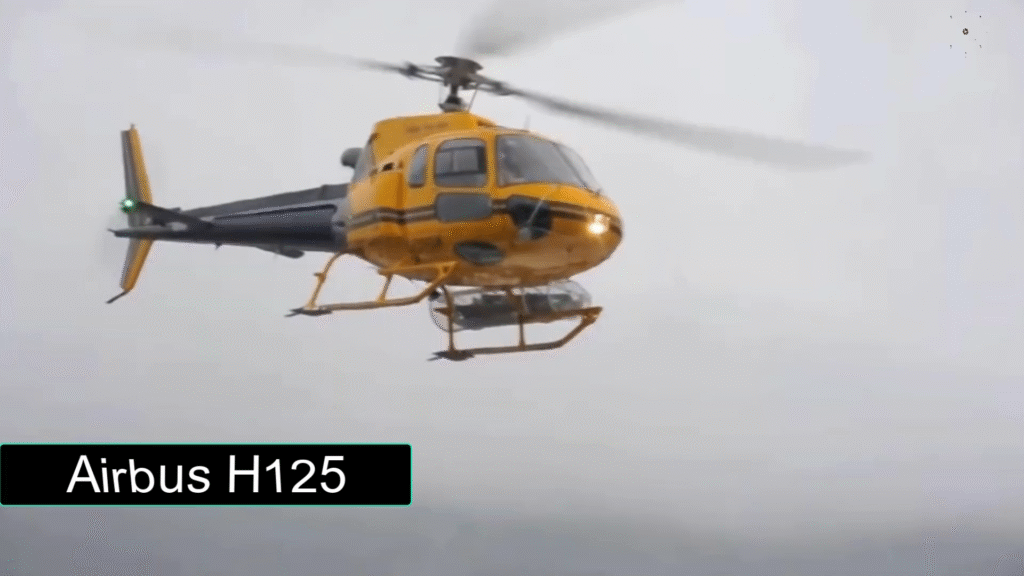
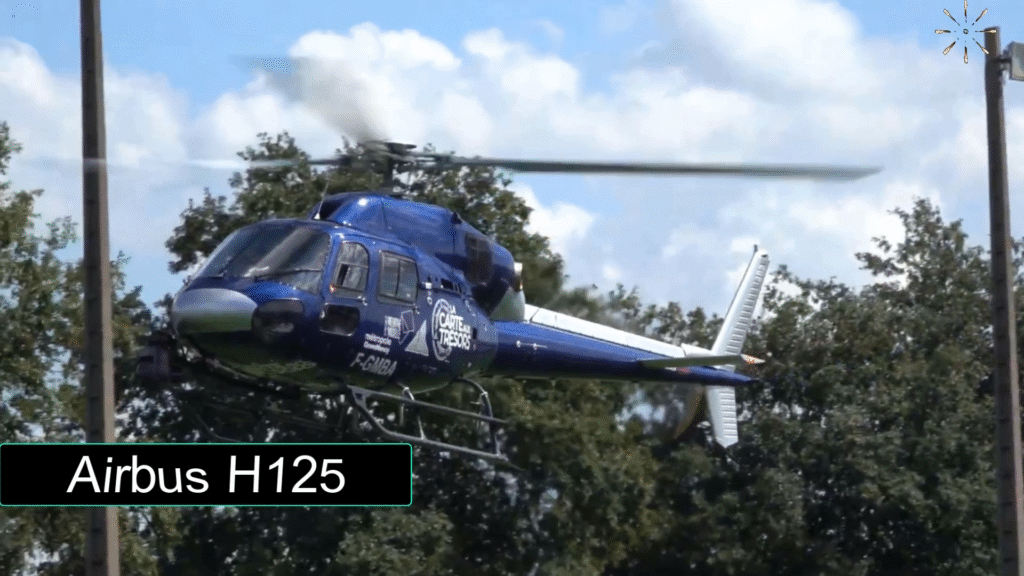
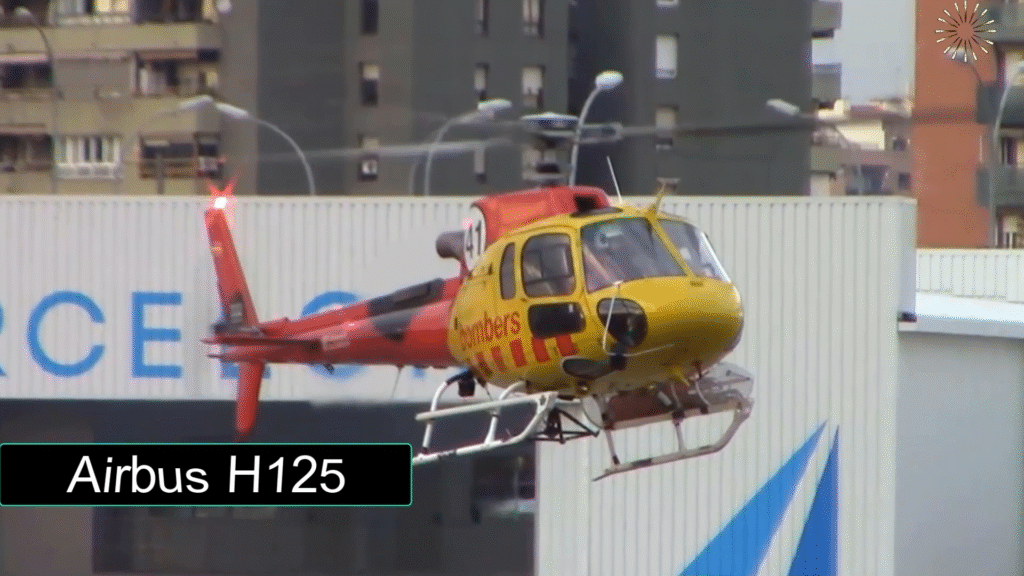
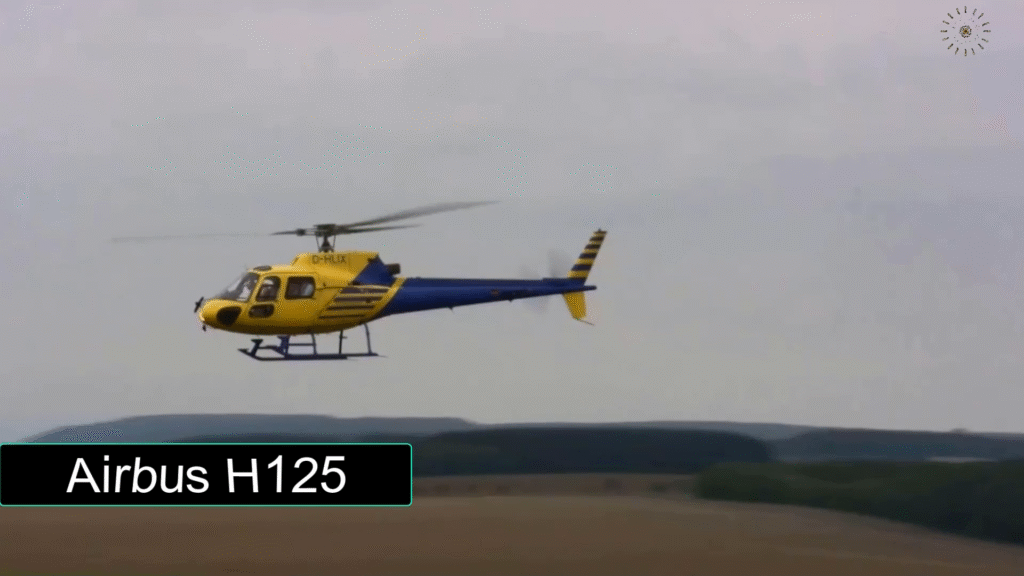
The Airbus Helicopters H125, previously known as the Eurocopter AS350 Écureuil, is one of the most versatile and successful light utility helicopters ever built. This single-engine aircraft has carved a reputation for being reliable, adaptable, and capable of operating in some of the most extreme environments on Earth. Whether flying tourists over scenic landscapes, transporting patients in emergency situations, or landing on the summit of Mount Everest, the H125 consistently proves its worth.
Historical Background of the H125
H125 Origins as the Eurocopter AS350 Écureuil
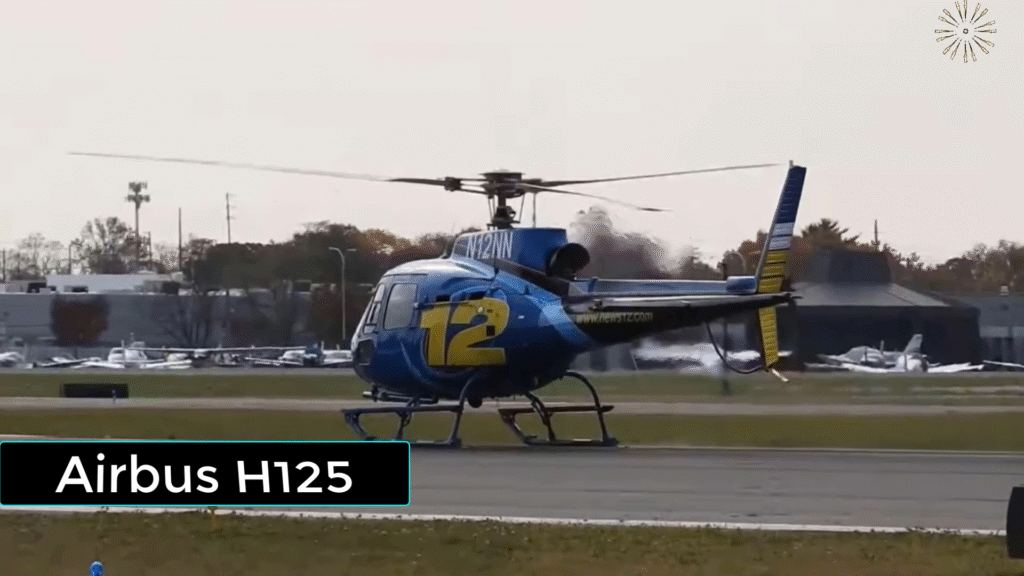
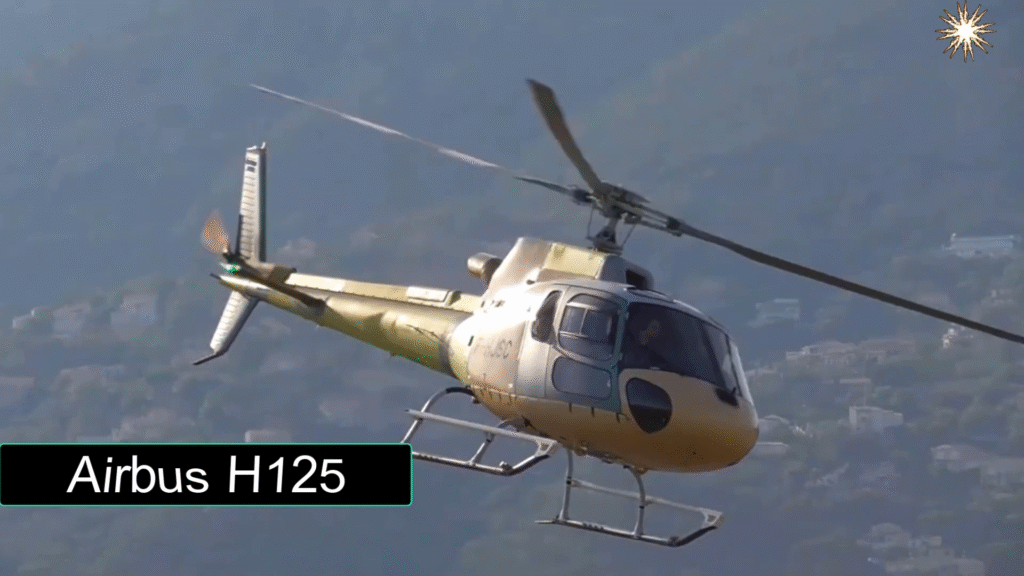
The H125 traces its roots back to 1974, when it first took flight as the AS350 Écureuil (French for “Squirrel”). Developed by Aérospatiale, it quickly gained popularity thanks to its performance in both civil and paramilitary roles.
Evolution into Airbus Helicopters Branding
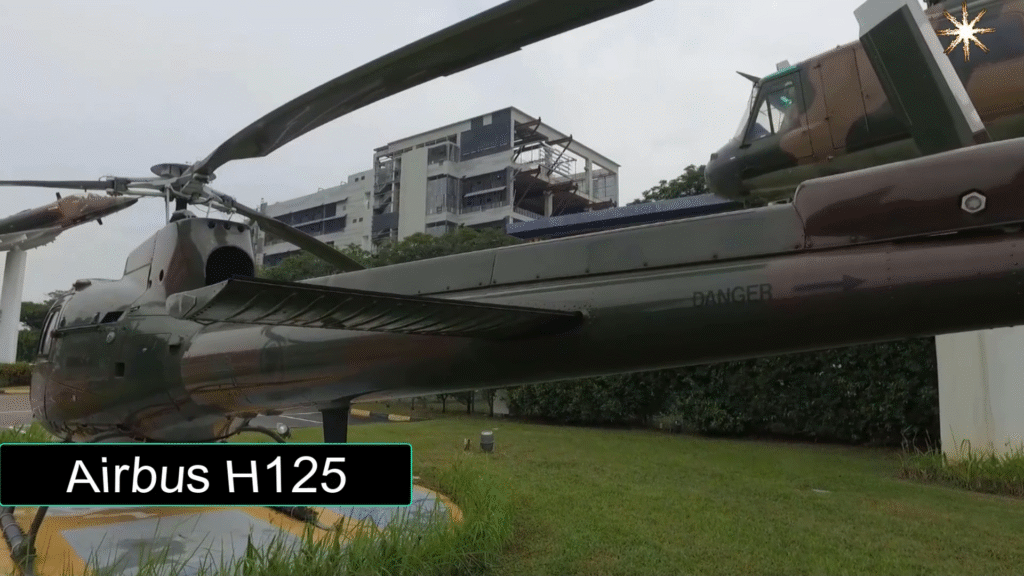
Over time, the program transitioned from Aérospatiale to Eurocopter, and eventually to Airbus Helicopters, retaining its iconic design but benefiting from constant upgrades. Today, the H125 continues to roll off the production line, carrying forward its legacy as one of the most trusted helicopters worldwide.
Key Specifications of the Airbus H125
Engine and Powerplant
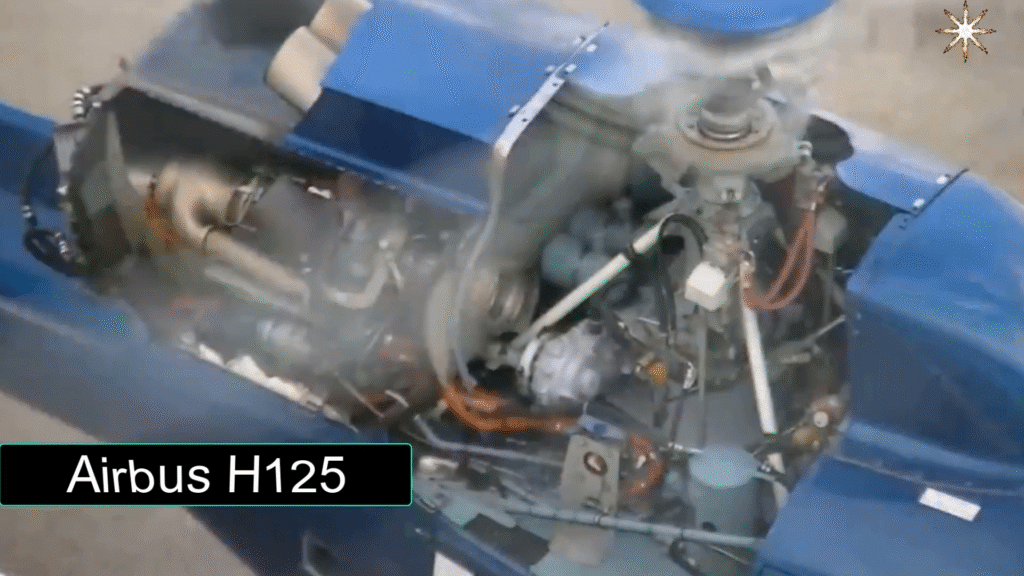
At the heart of the H125 lies the Safran Arriel 2D turboshaft engine, known for delivering reliable power in diverse conditions.
H125 Passenger Capacity and Cargo Options
The helicopter typically accommodates 1 pilot and up to 6 passengers, though it can be reconfigured for cargo, rescue, or specialized missions.
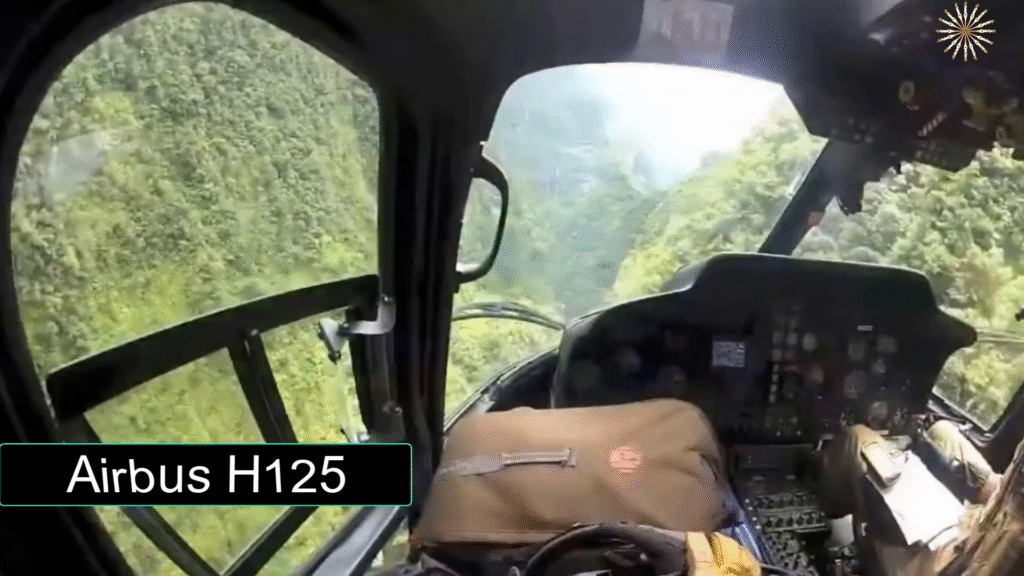
Performance Metrics (Speed, Range, Service Ceiling)
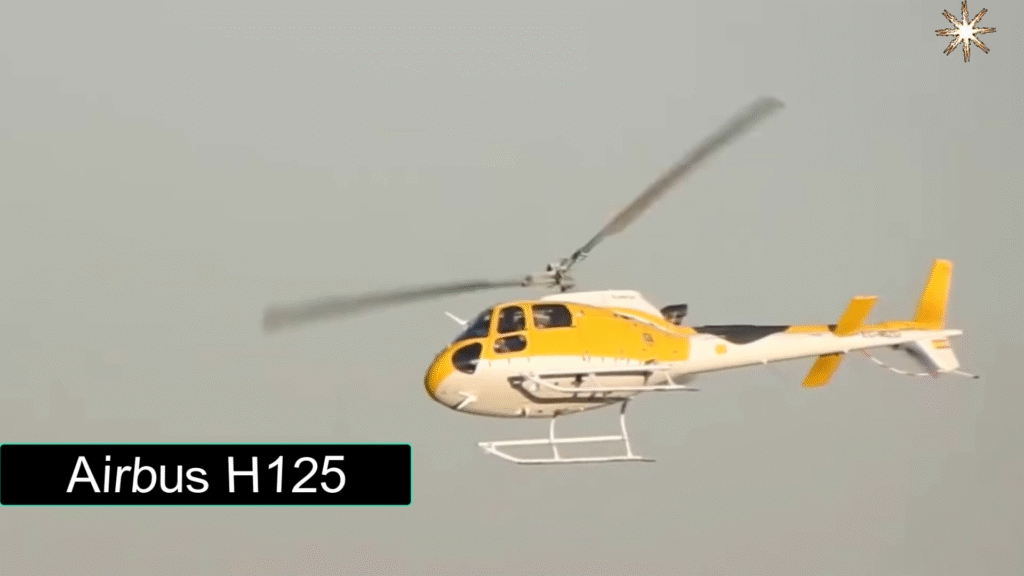
- Maximum Takeoff Weight (MTOW): ~2,250 kg (4,960 lb)
- Cruise Speed: ~245 km/h (152 mph; 132 knots)
- Range: ~630 km (340 nmi)
- Service Ceiling: ~7,010 m (23,000 ft)
These numbers highlight why the H125 is chosen for high-altitude and “hot-and-high” operations, where thinner air makes flying challenging.
Unique Features of the H125
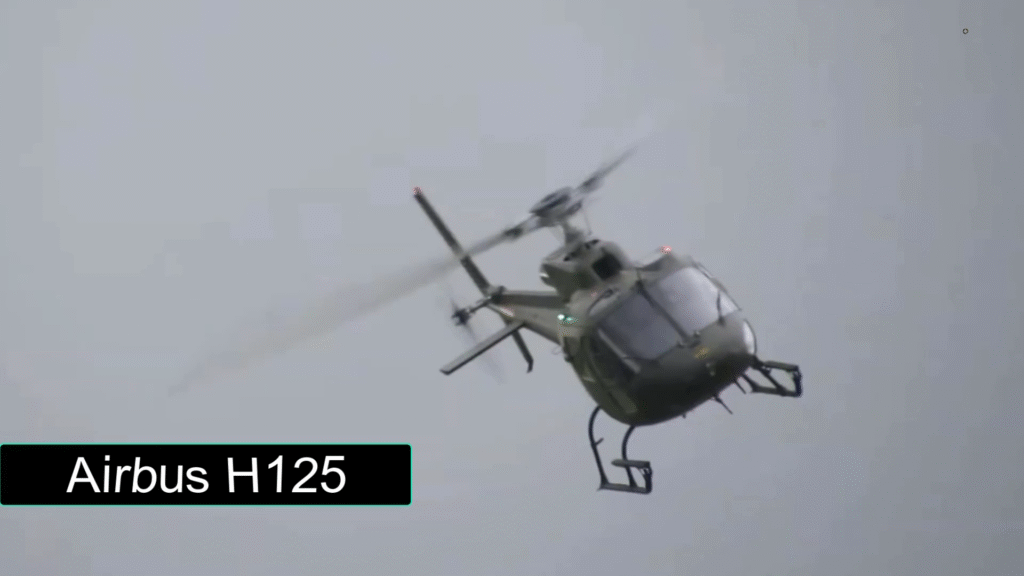
Hot and High Performance
The H125 excels at operating in extreme heat and high-altitude regions, making it ideal for mountainous terrains and desert conditions.
High Versatility and Mission Reconfiguration
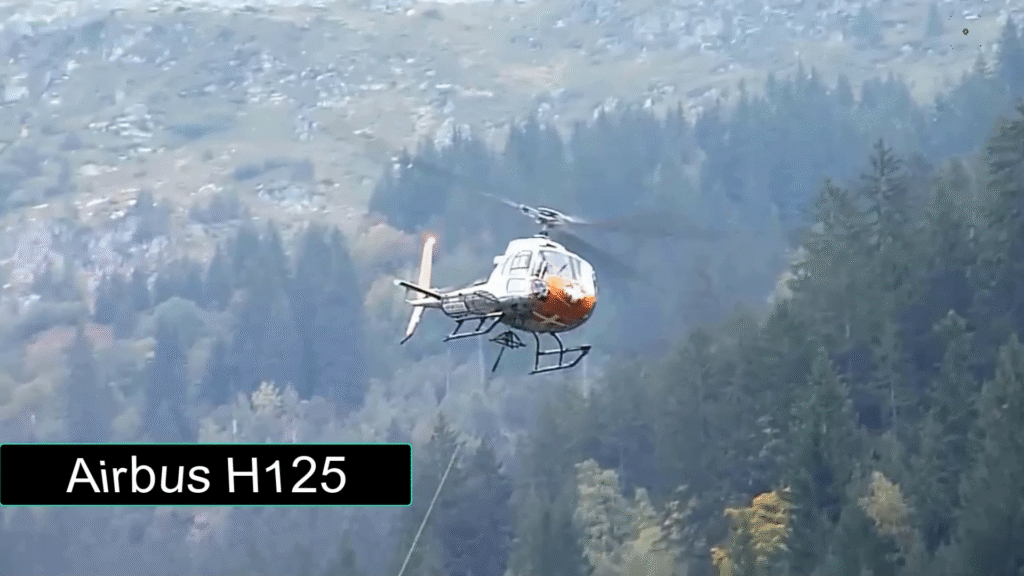
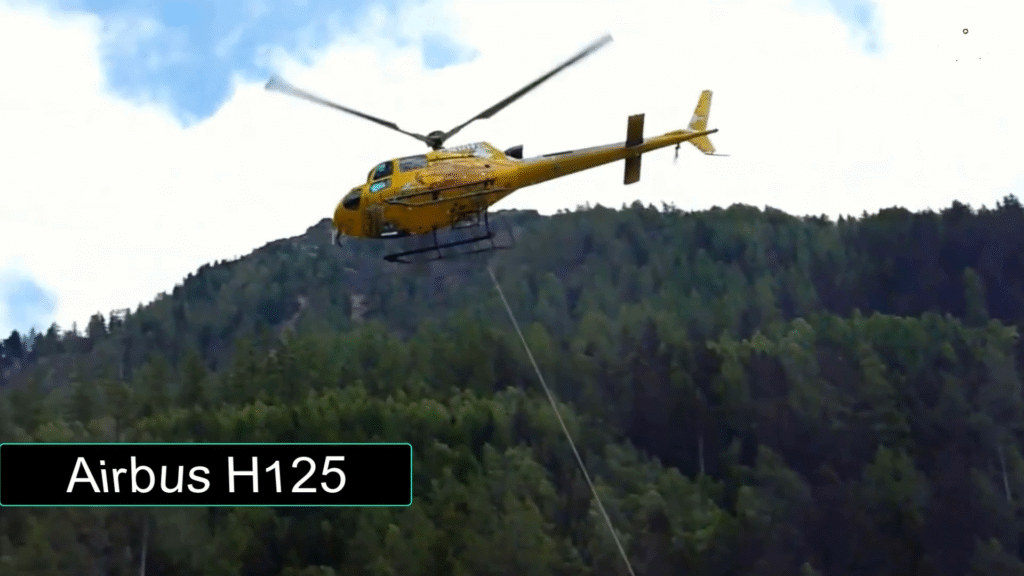
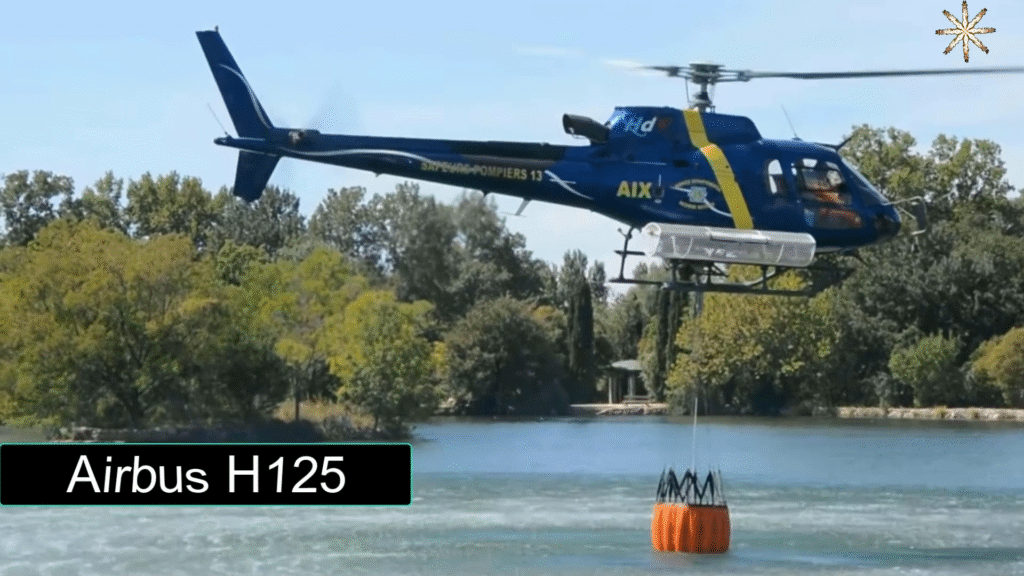
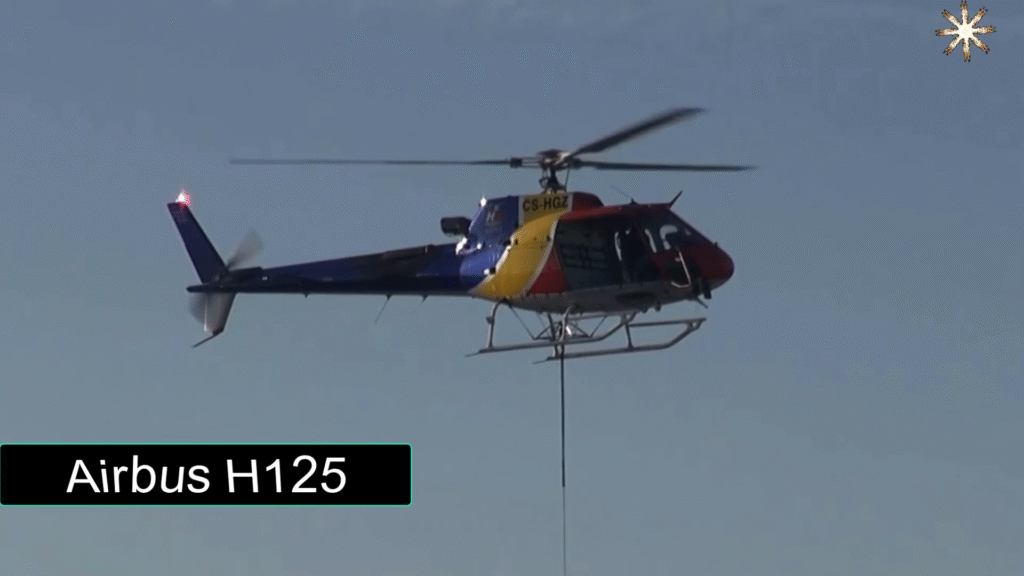
The aircraft can be rapidly adapted for multiple roles, including passenger transport, firefighting, medical evacuation, or aerial filming.
Proven Reliability and Flight Hours
With over 30 million flight hours logged across thousands of helicopters in service, the H125 is a proven workhorse trusted worldwide.
Operational Roles of the Airbus H125
Civilian Applications
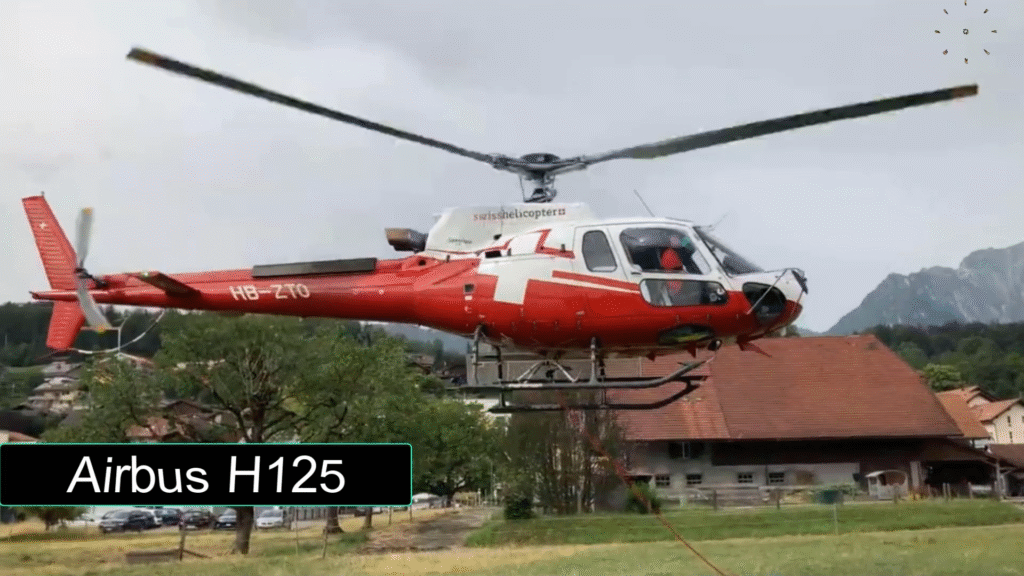
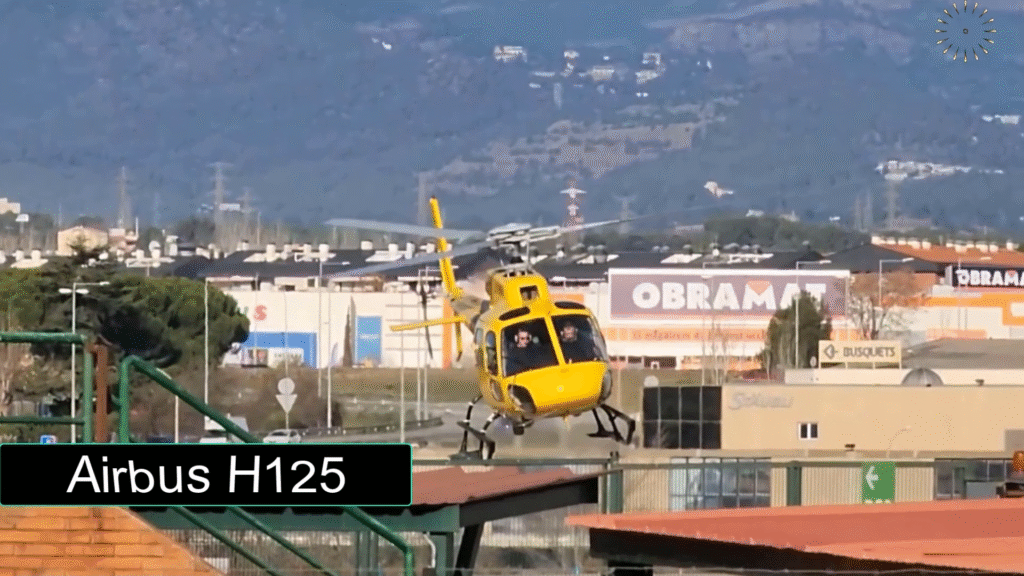
The H125 is extensively used for tourism flights, aerial filming, corporate transport, firefighting, and emergency medical services (EMS).
Law Enforcement and Security Use
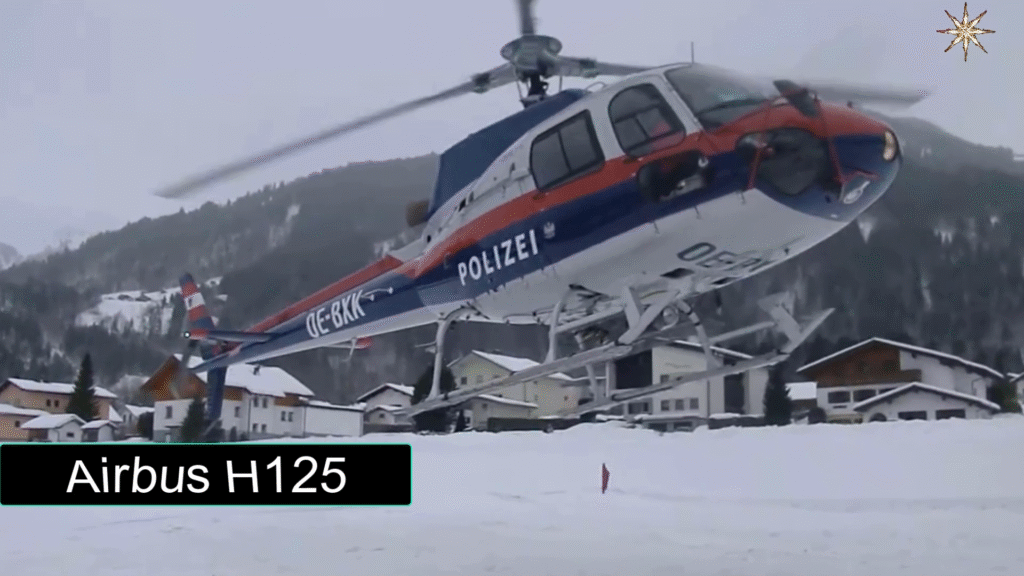
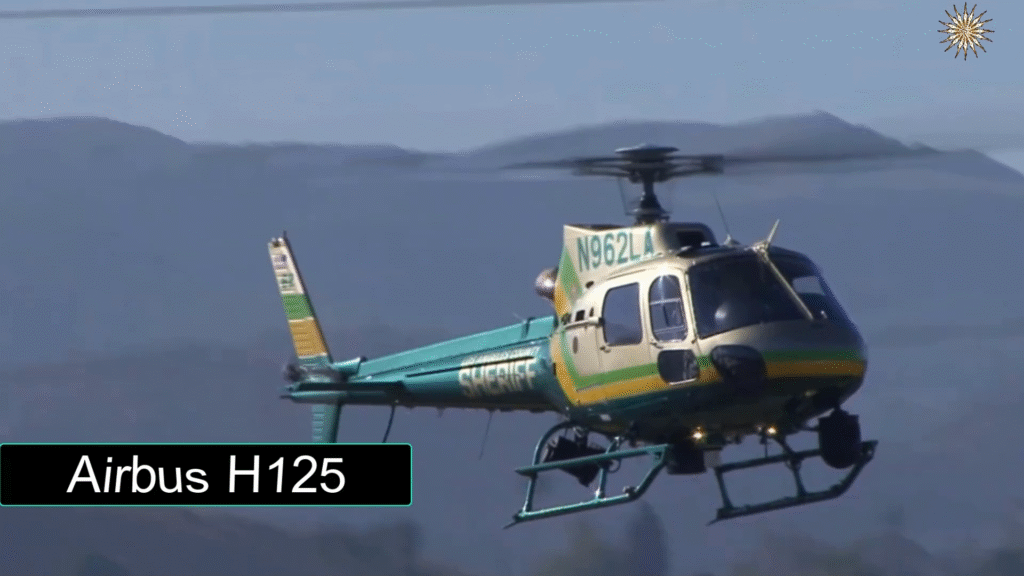
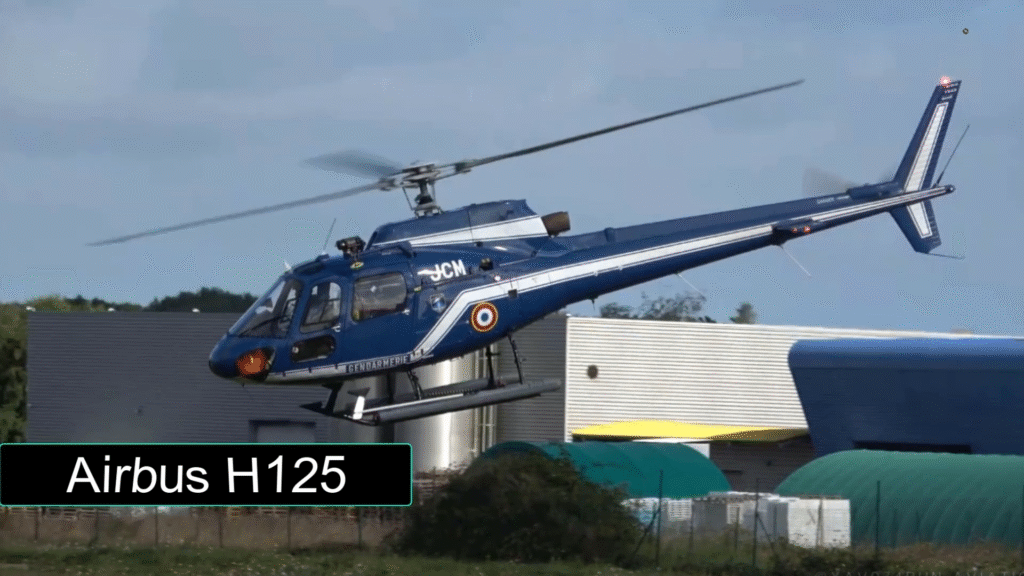
Many police forces operate the H125 for surveillance, patrol, and rapid response, thanks to its maneuverability and adaptability.


Military and Paramilitary Roles
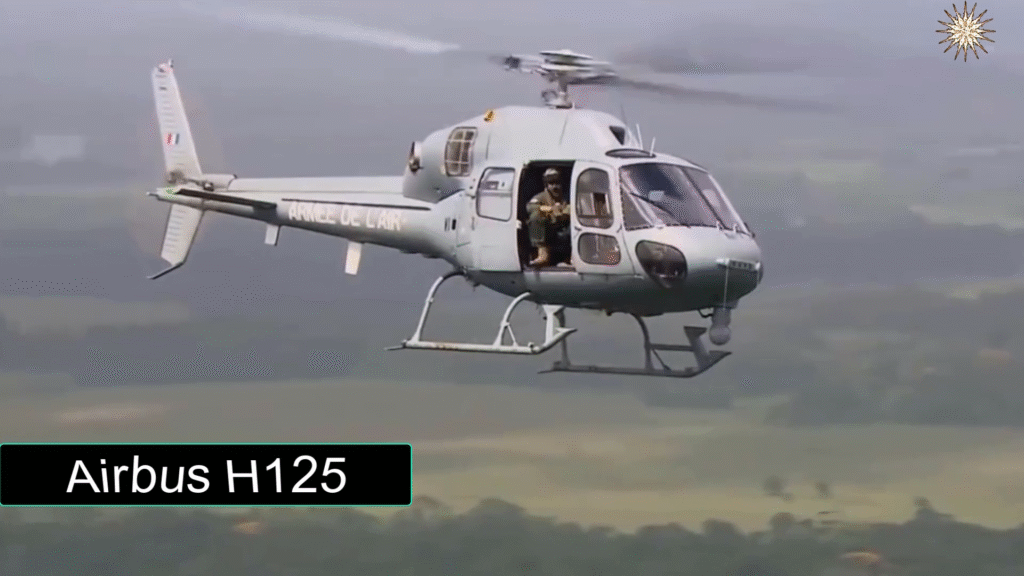
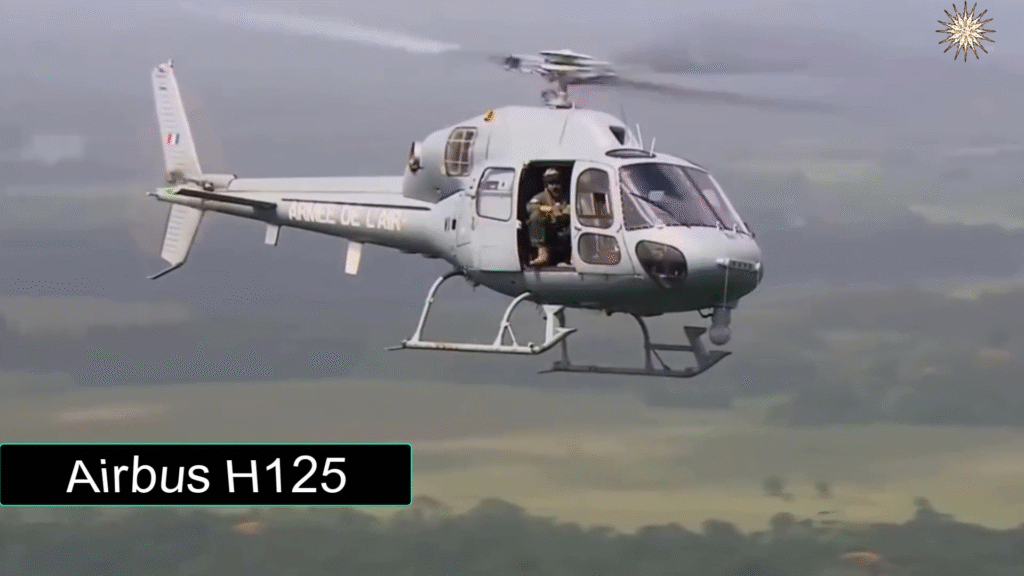
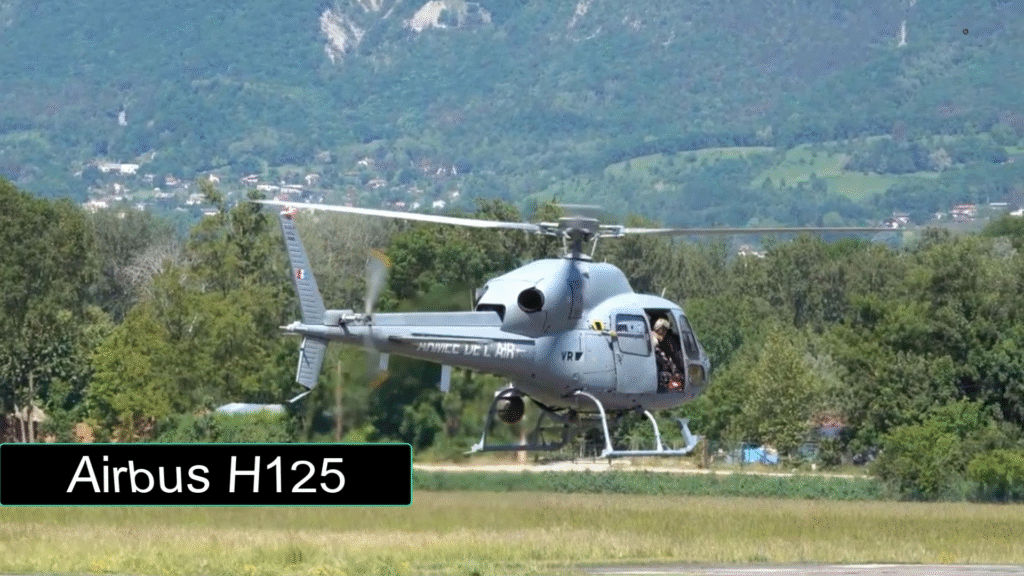
As the AS550 Fennec, the H125 has been adapted for light attack, utility transport, reconnaissance, and training missions.



High-Altitude and Extreme Operations
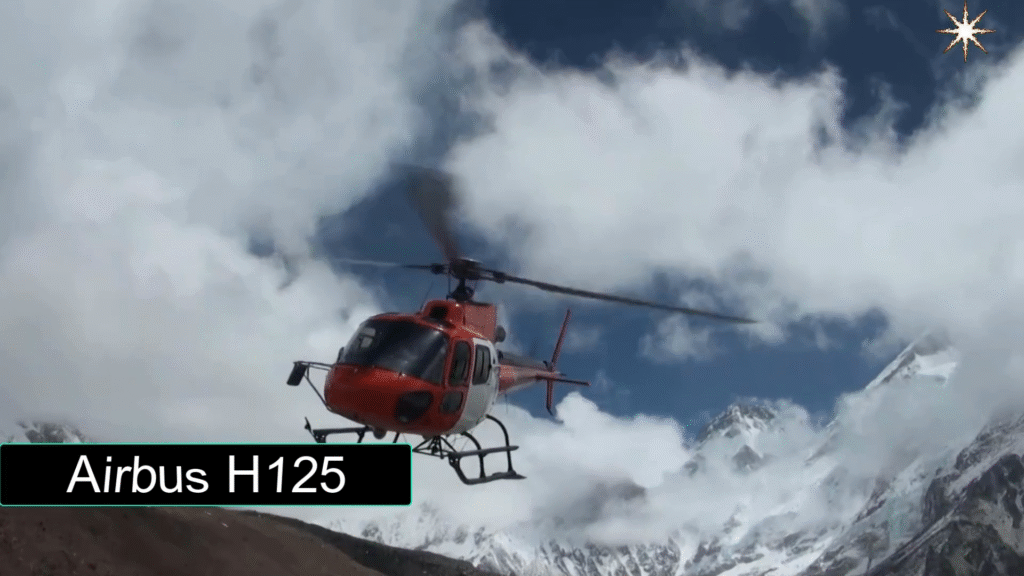
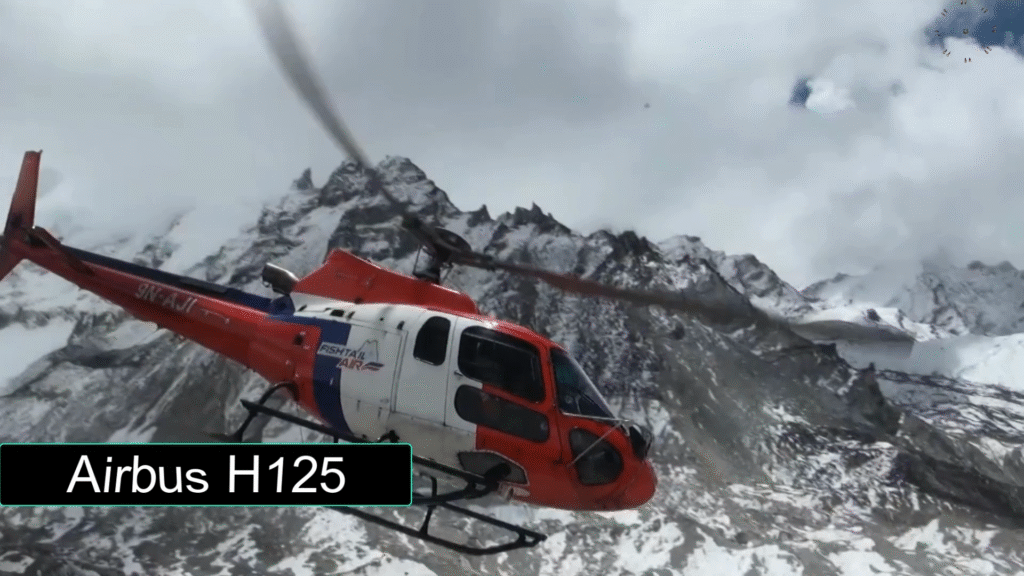
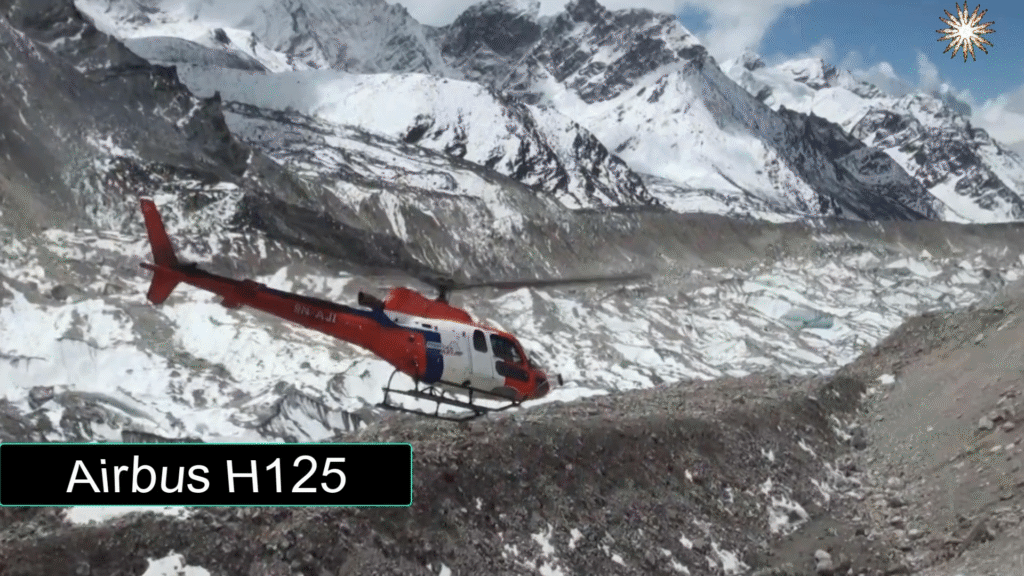
Perhaps its most famous achievement is the highest helicopter landing ever made—on the summit of Mount Everest (8,848 m / 29,029 ft), a feat that demonstrates its unmatched capability.

Record-Breaking Everest Landing
In 2005, French test pilot Didier Delsalle flew an AS350 B3 (now H125) to the summit of Mount Everest, setting a record that still stands. This highlighted not only the aircraft’s performance but also its unmatched safety and engineering excellence.
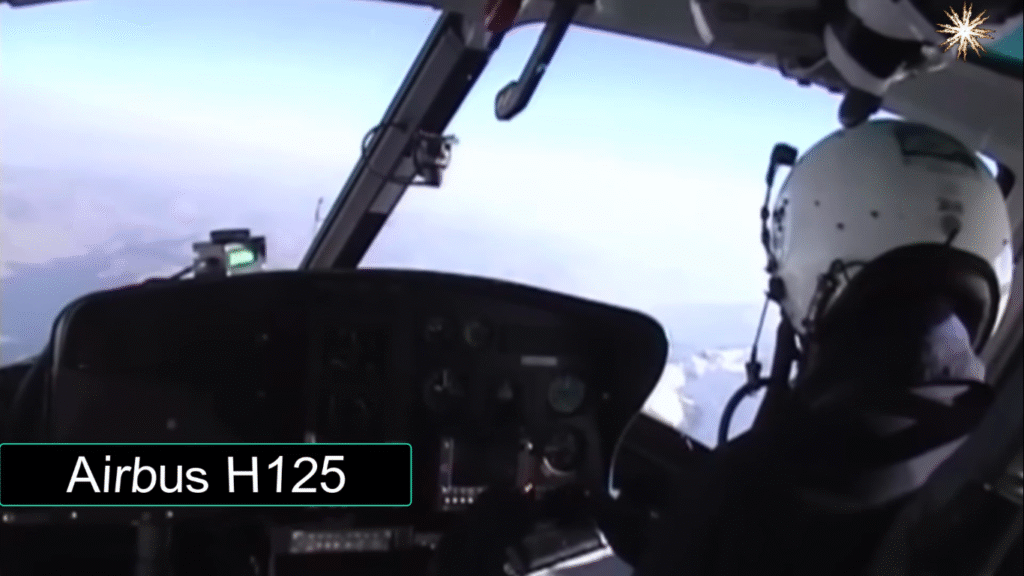
The Écureuil Family of Helicopters
AS350 Écureuil (Now Airbus H125)
The core civil utility helicopter, widely used for tourism, EMS, firefighting, and law enforcement.
AS355 Écureuil 2 (Twin Squirrel)
Introduced in 1979 with twin engines, providing redundancy for urban and offshore operations. Production ended in 2016.
AS550 Fennec (Military Single-Engine)
Adapted for military use, capable of carrying weapons and specialized equipment.
AS555 Fennec 2 (Military Twin-Engine)
A twin-engine variant designed for light attack, observation, and naval operations.
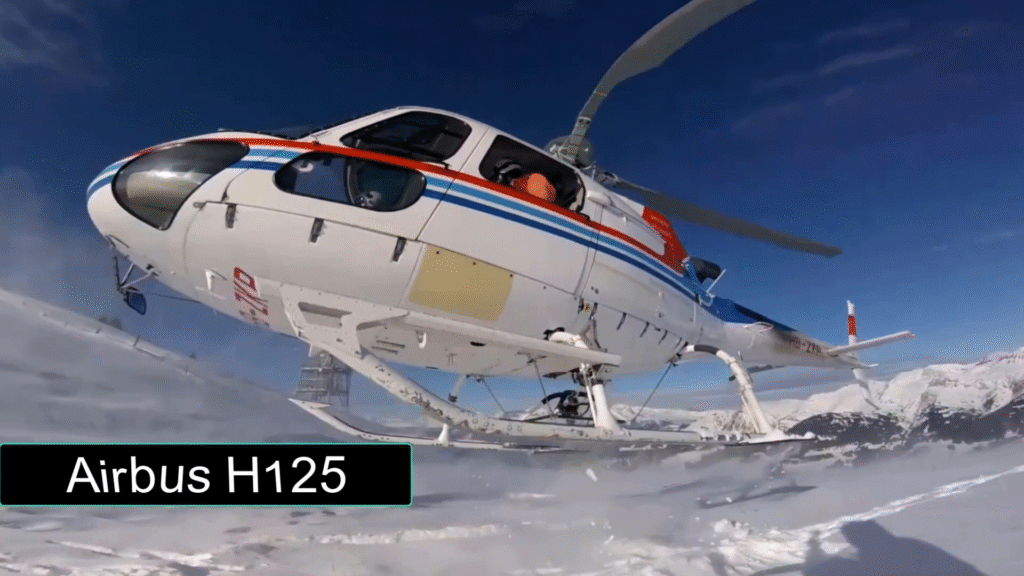
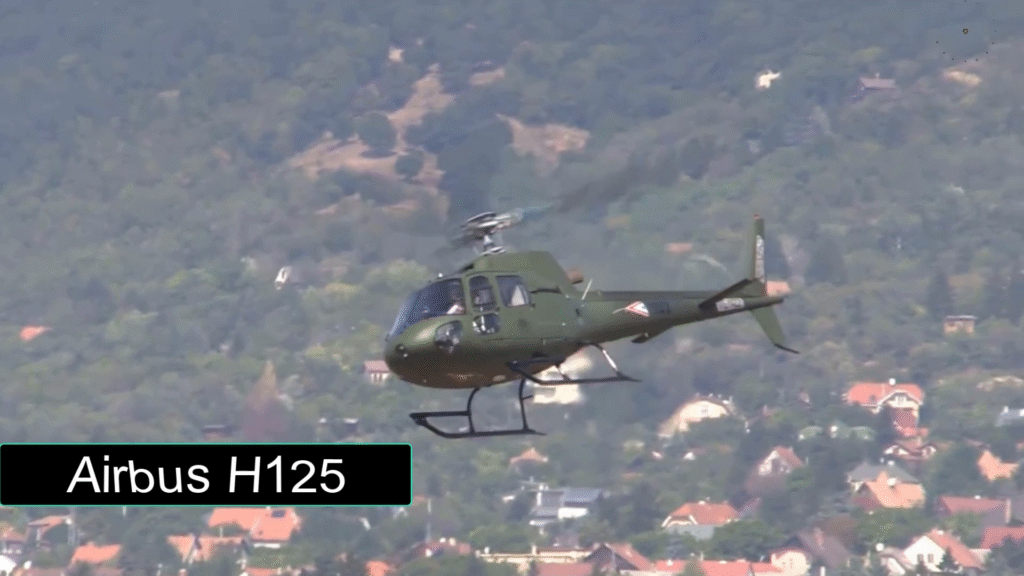
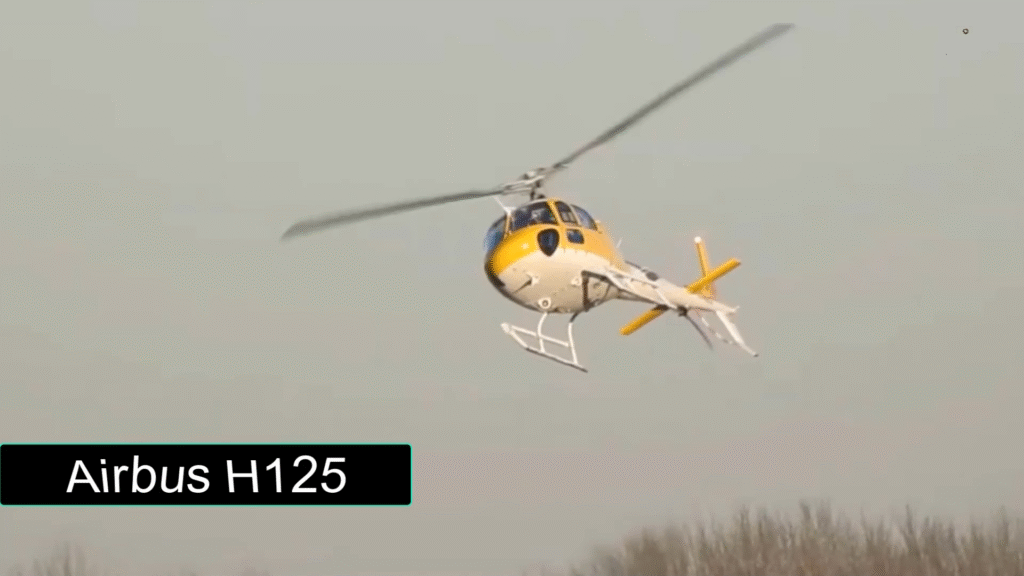



Global Operators and Market Popularity
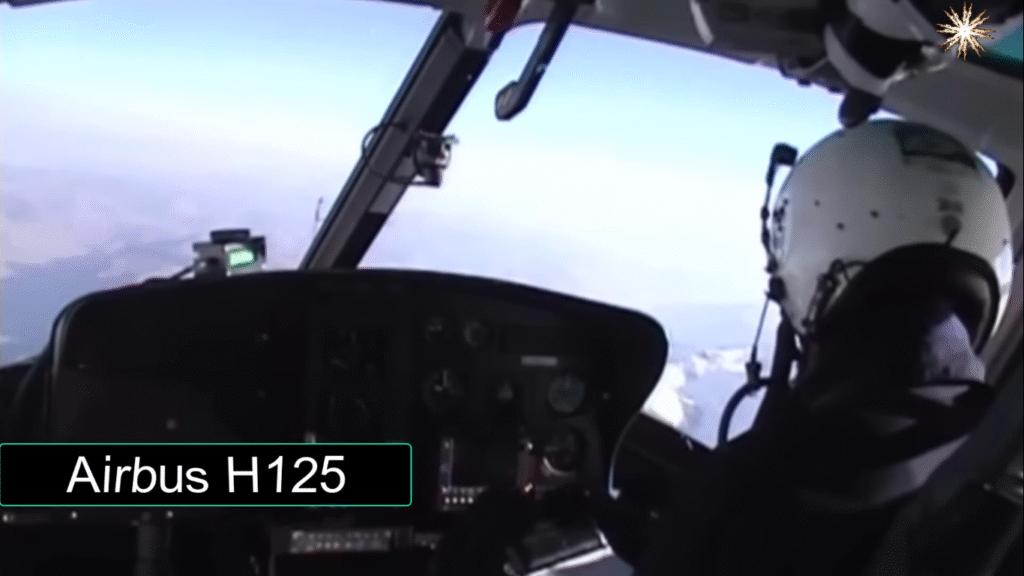
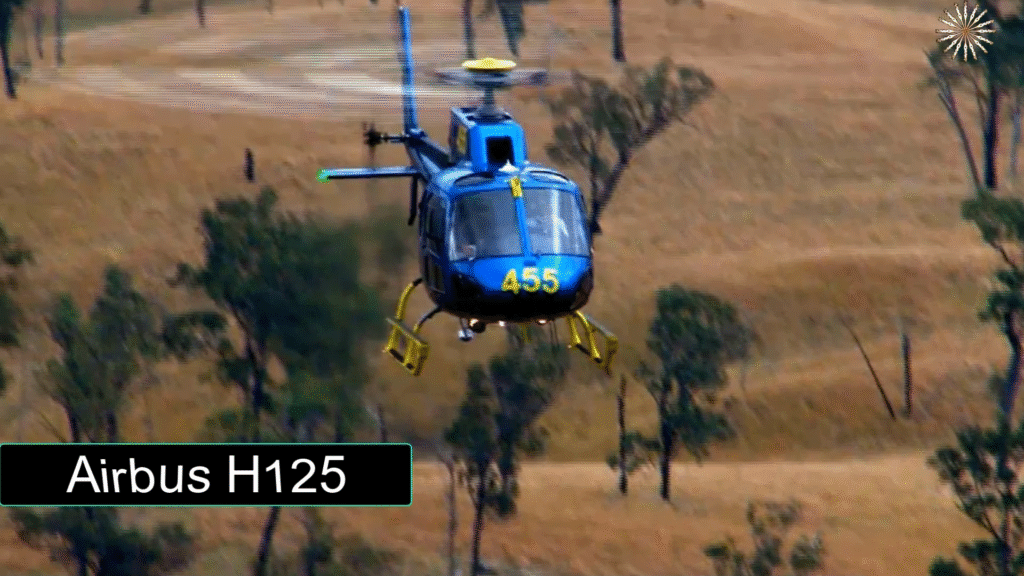
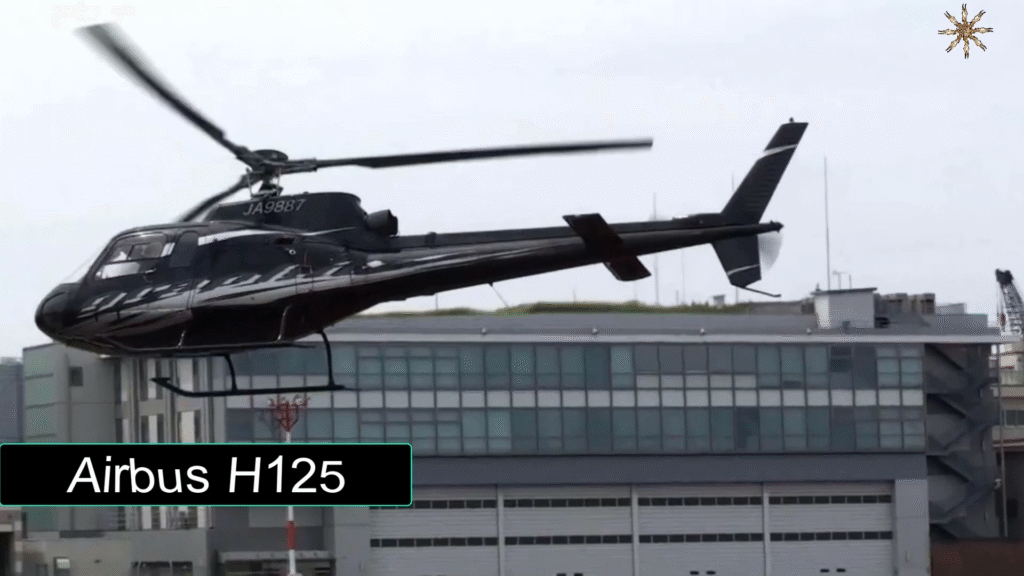
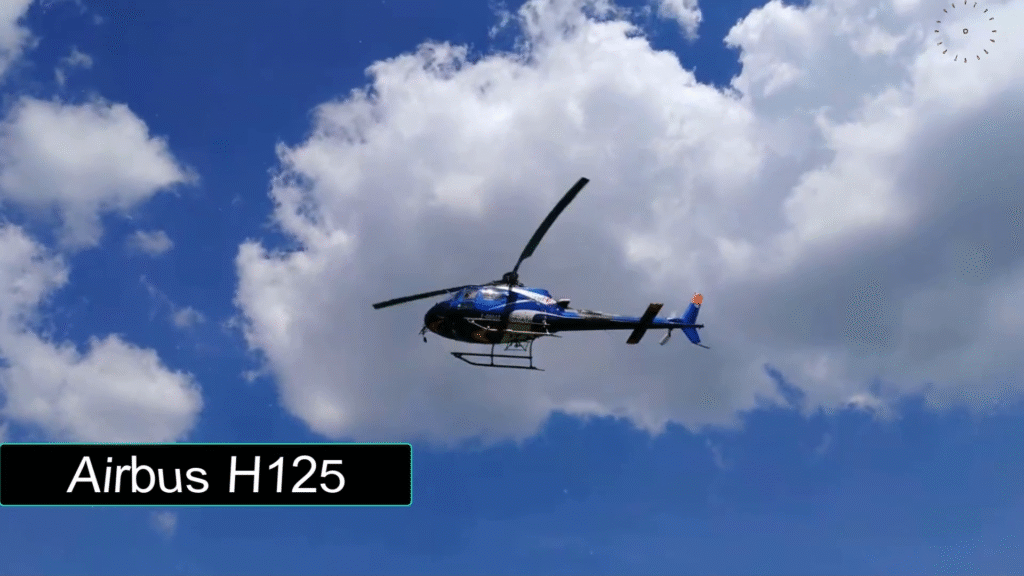
The H125 is flown by civil, military, and government operators worldwide. From police departments in major cities to private tour operators in the Alps and Himalayas, its global footprint is unmatched in the light utility helicopter class.


Why the H125 Stands Out Among Light Helicopters
The Airbus H125 dominates the market due to its combination of power, versatility, and cost-effectiveness. It bridges the gap between civilian needs and military demands, all while maintaining its reputation as one of the most trusted helicopters in aviation history.


Frequently Asked Questions (FAQs)
1. What is the Airbus Helicopters H125 mainly used for?
The H125 is used for tourism, corporate transport, EMS, firefighting, law enforcement, and military utility missions.
2. What engine powers the H125?
It is powered by a Safran Arriel 2D turboshaft engine, optimized for high performance and efficiency.
3. How many passengers can the H125 carry?
Typically, it carries 1 pilot plus 5–6 passengers, though configurations can vary.
4. Why is the H125 famous for high-altitude operations?
It set a world record by landing on Mount Everest, showcasing its superior hot-and-high performance.
5. What is the difference between the H125 and AS355?
The AS355 (Twin Squirrel) has two engines for redundancy, while the H125 (AS350) is a single-engine model optimized for efficiency.
6. Is the H125 still in production?
Yes, Airbus Helicopters continues to produce the H125, ensuring modern avionics and safety upgrades.


Conclusion
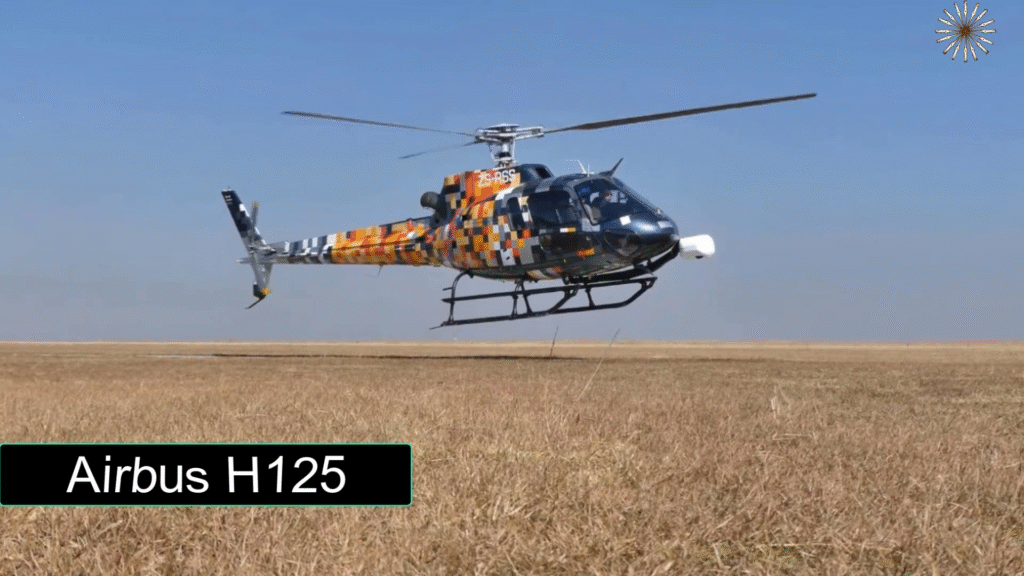
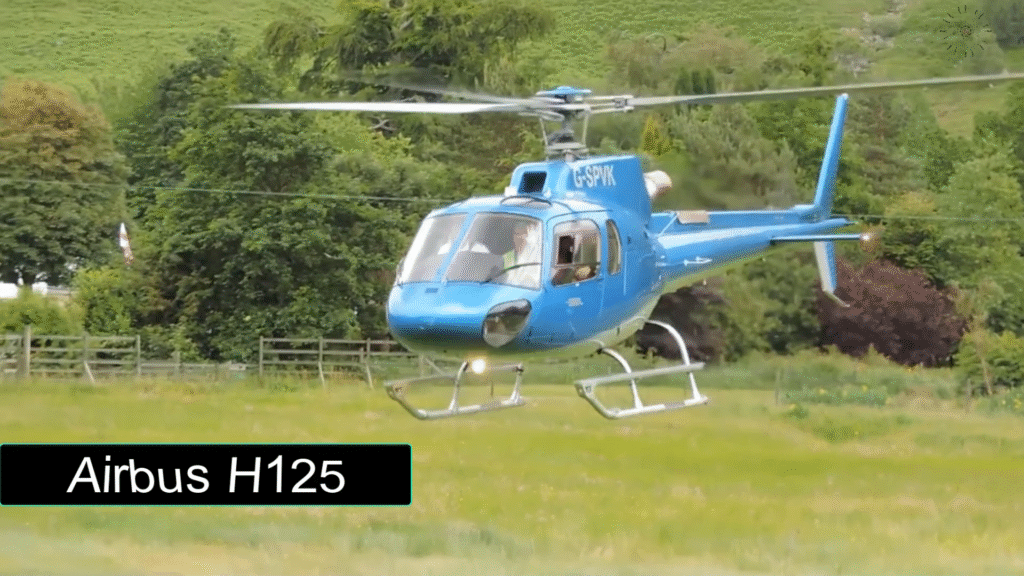
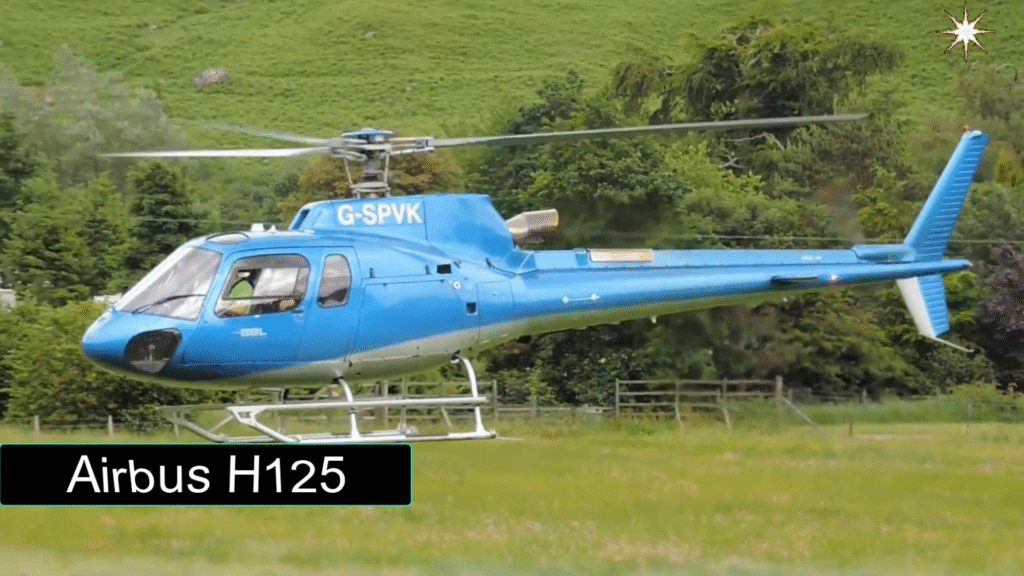
The Airbus Helicopters H125 stands as a benchmark in the aviation industry. With decades of proven reliability, unmatched high-altitude performance, and an incredible track record across civilian, law enforcement, and military missions, it remains a leader in the light utility helicopter category. Whether soaring above cityscapes, saving lives, or conquering the world’s tallest mountains, the H125 continues to prove why it is one of the most trusted helicopters ever built.