Introduction to RSV Aurora Australis
What Is RSV Aurora Australis?
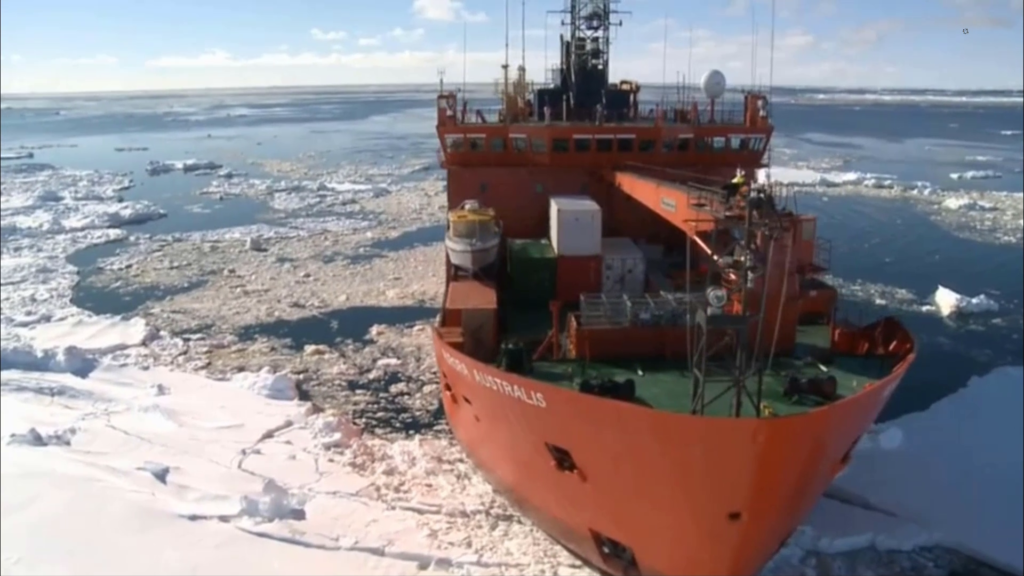
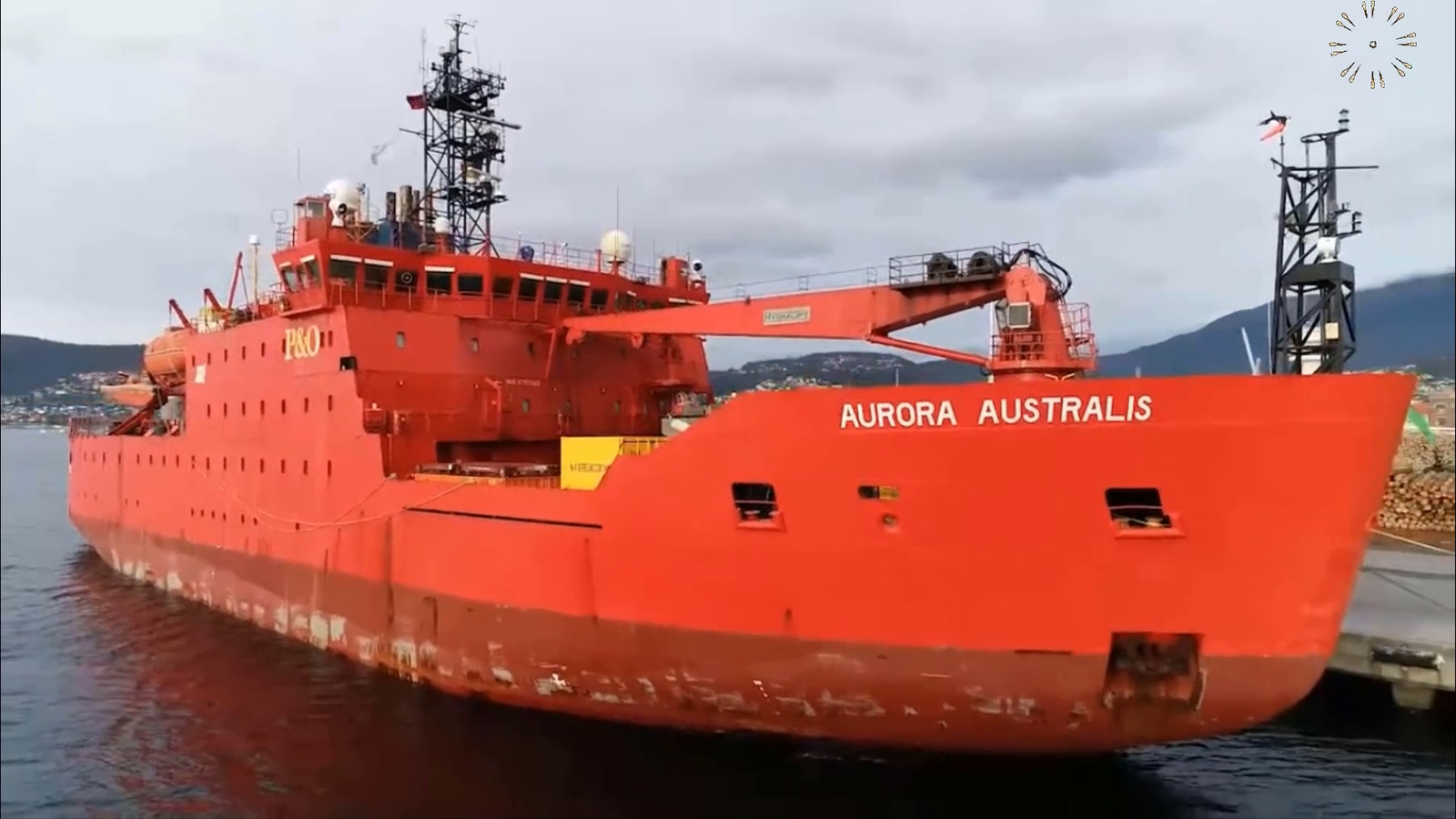
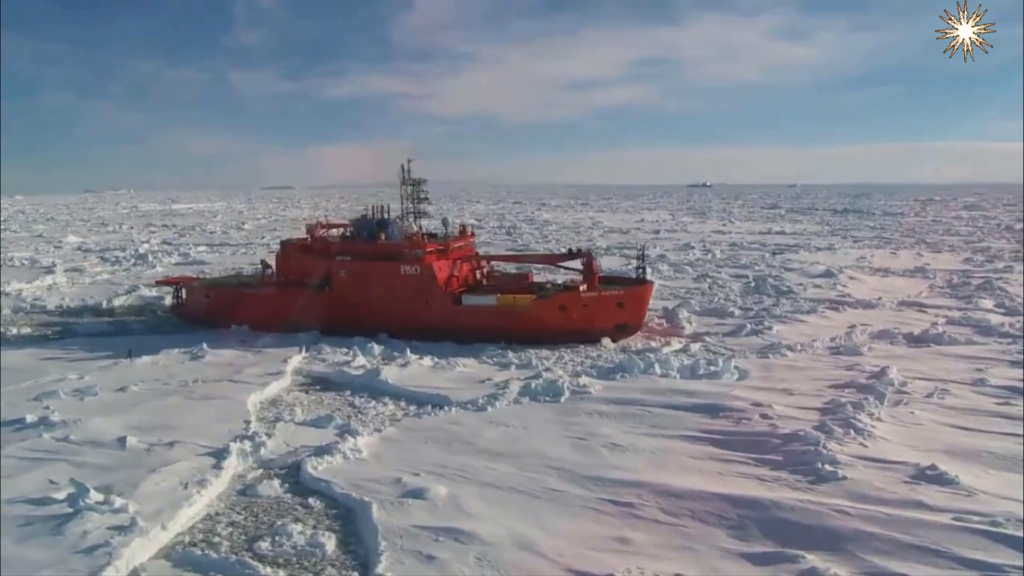
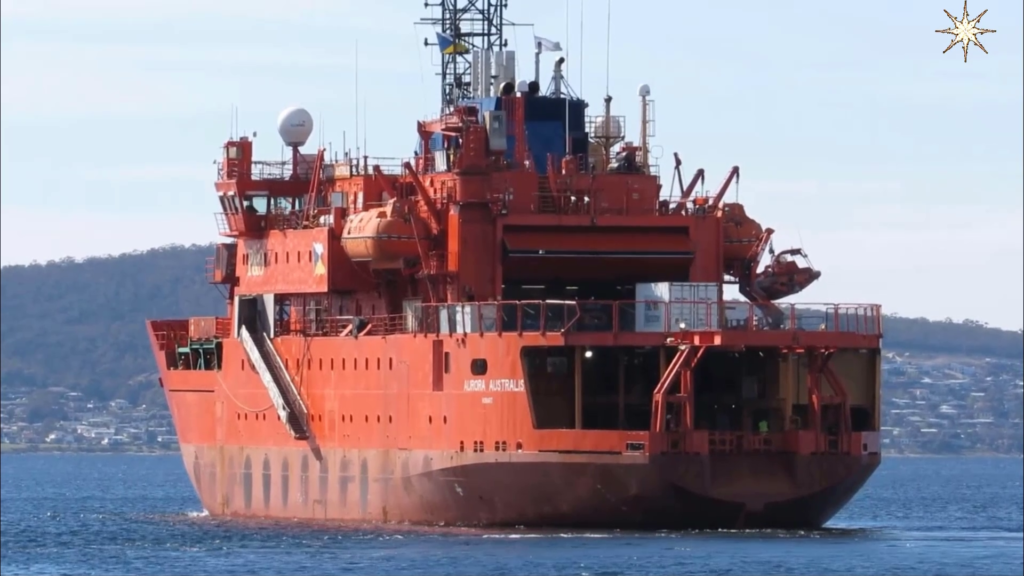
The RSV Aurora Australis was one of Australia’s most important icebreaking vessels. Built to navigate harsh Antarctic waters, it served as a lifeline between Australia and its Antarctic research stations. Commissioned in 1990, the ship played a vital role in scientific discovery, logistics, and exploration.
Importance in Antarctic Exploration
For nearly 30 years, RSV Aurora Australis supported Australia’s Antarctic missions. It transported scientists, cargo, fuel, and equipment across some of the most dangerous seas on Earth. Without vessels like this, research in Antarctica would be extremely difficult.

Historical Background
Ordering and Construction
The ship was ordered in December 1987 and built by Carrington Slipways in Tomago, Australia. Construction began on 28 October 1988, marking the start of an ambitious project.
Shipyard and Design Details
Designed as an icebreaker, the vessel featured a reinforced hull capable of cutting through thick sea ice. Its engineering allowed it to operate efficiently in freezing temperatures.
Launch and Commissioning
The ship was launched on 10 September 1989 and officially commissioned on 29 March 1990. From that moment, it became a cornerstone of Australia’s Antarctic program.
Ownership and Operation
Role of P&O Maritime Services
RSV Aurora Australis was owned by P&O Maritime Services, a company known for managing specialized vessels worldwide.
Operational Management by P&O Polar
The ship was operated by P&O Polar, which handled its day-to-day missions, crew management, and logistics.
Technical Specifications
Dimensions and Capacity
The ship measured nearly 95 meters in length and had a beam of over 20 meters. Its displacement reached over 8,000 tons, making it a powerful and stable vessel.
Cargo and Passenger Capabilities
It could carry:
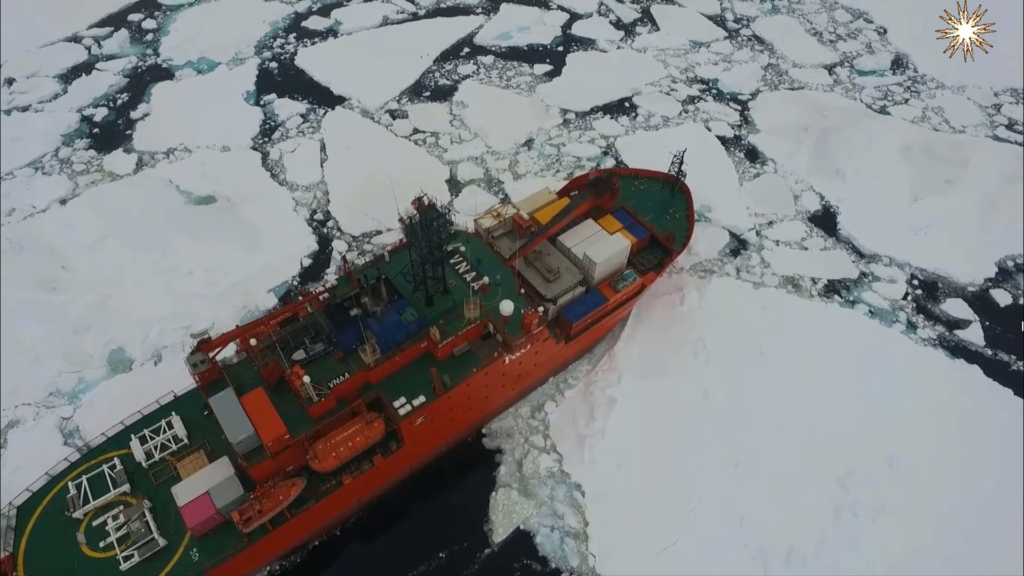
- 1,700 cubic meters of cargo
- 1,000 cubic meters of fuel
- 29 shipping containers (TEU)
- Up to 116 passengers
This made it highly versatile for long Antarctic missions.

Engine and Power Systems
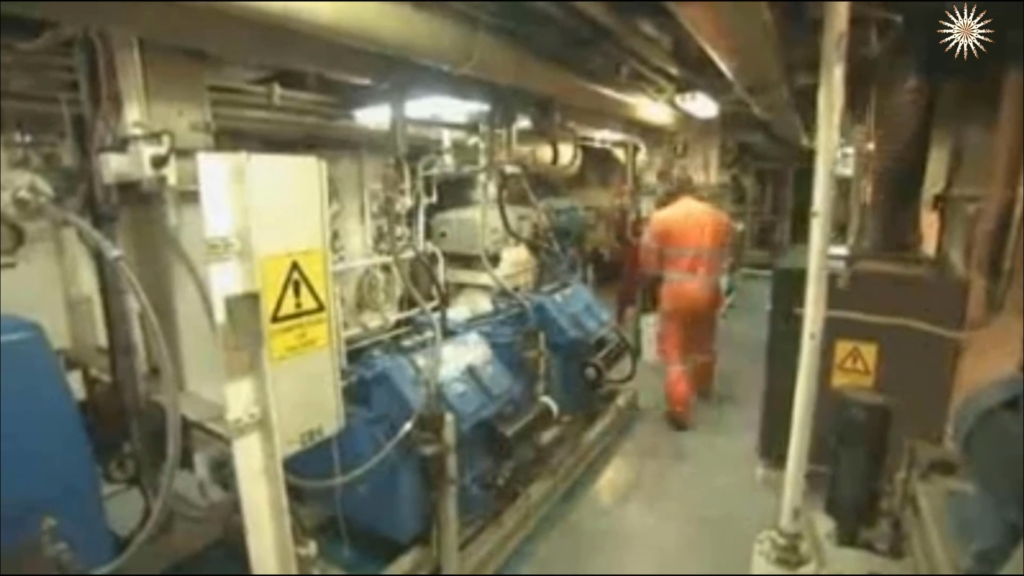
The vessel was powered by Wärtsilä engines:
- 16V32D (5,500 kW)
- 12V32D (4,500 kW)
These engines provided the strength needed to navigate icy waters.
Propulsion and Thrusters
The ship featured:
- One controllable-pitch propeller
- One bow thruster
- Two stern thrusters
This setup allowed excellent maneuverability, even in tight icy conditions.
Icebreaking Capabilities
Ice Class Ratings Explained
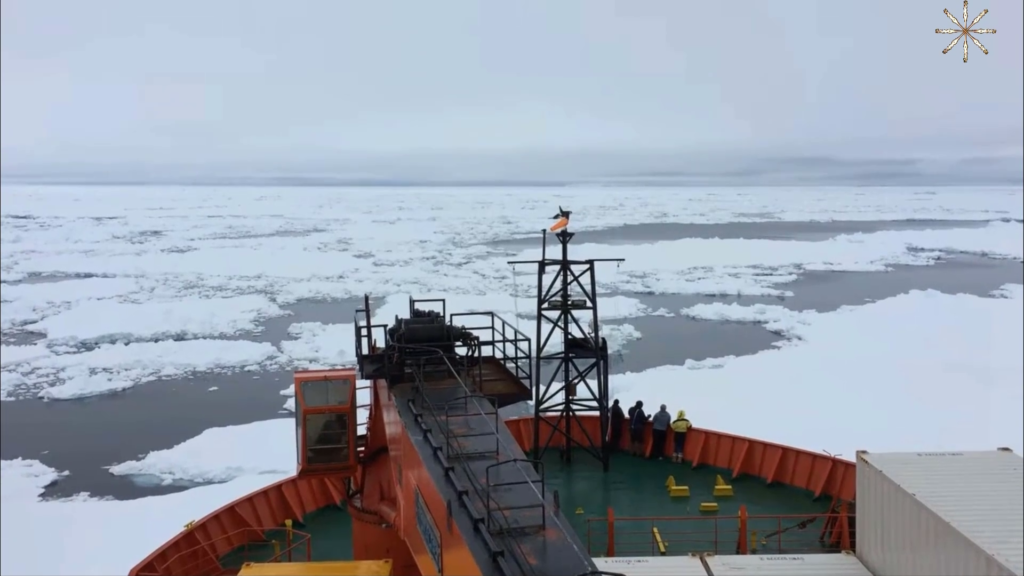
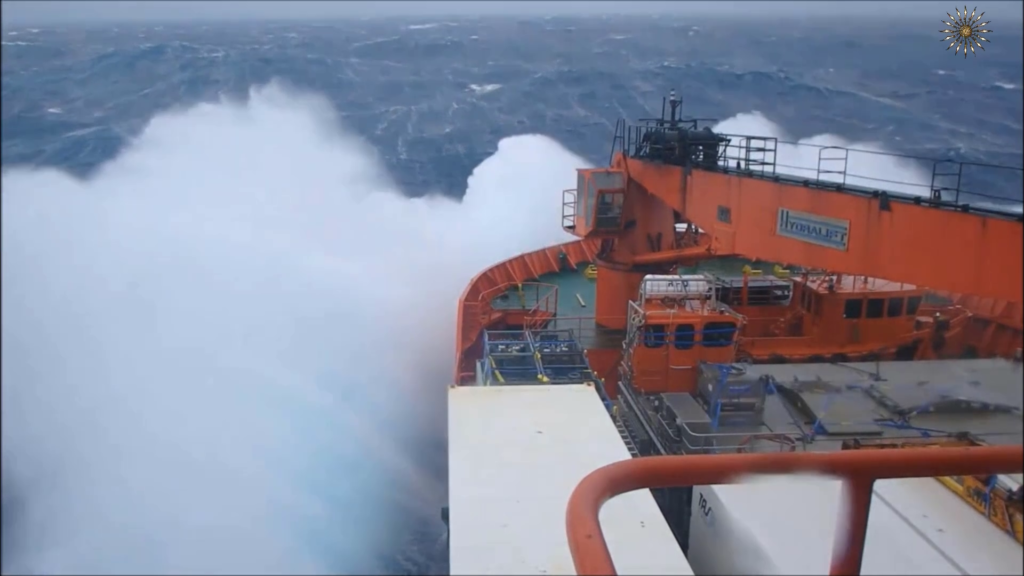
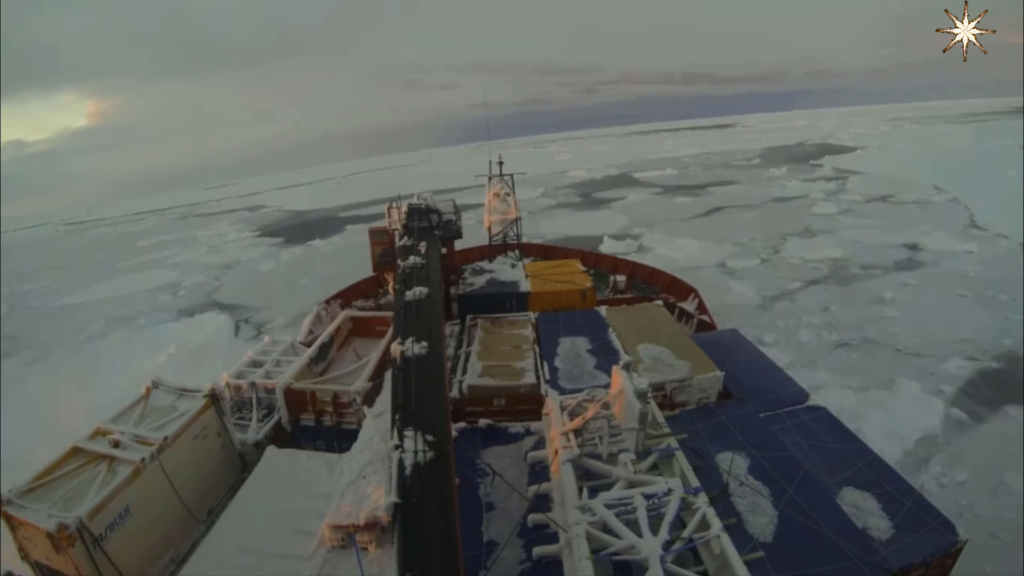
RSV Aurora Australis had an Ice Class of 1A Super, meaning it could operate in severe ice conditions. It also met CASPPR Ice Class standards for safety.
Performance in Harsh Conditions
The ship could break through ice up to 1.23 meters thick at a speed of 2.5 knots. Its maximum speed reached 16.8 knots in open water.
Daily Operations and Missions
Antarctic Supply Missions
The ship regularly traveled between Hobart and Antarctica. It delivered essential supplies such as food, fuel, and equipment to research stations.
Scientific Research Support
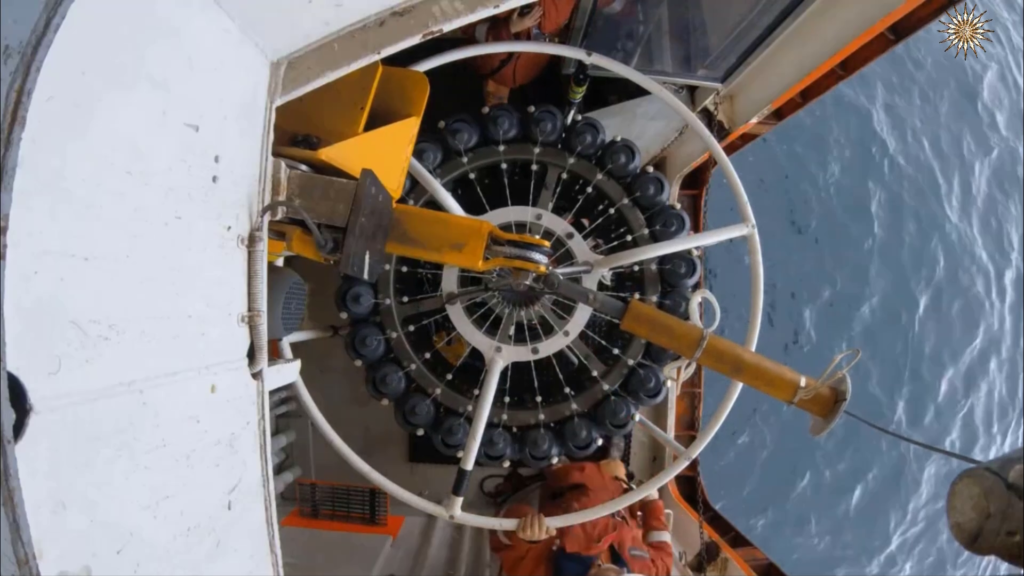
Scientists onboard conducted studies in:
- Climate change
- Marine biology
- Oceanography
The vessel acted as a floating laboratory.
Life Onboard the Vessel
Crew and Passenger Experience
With a crew of 24, the ship supported over 100 passengers. Life onboard was structured but comfortable, with shared spaces for work and relaxation.
Facilities and Accommodation
The ship included:
- Dining areas
- Laboratories
- Sleeping quarters
- Recreational spaces
These features ensured long missions were manageable.

Aircraft and Aviation Facilities
Helicopter Operations
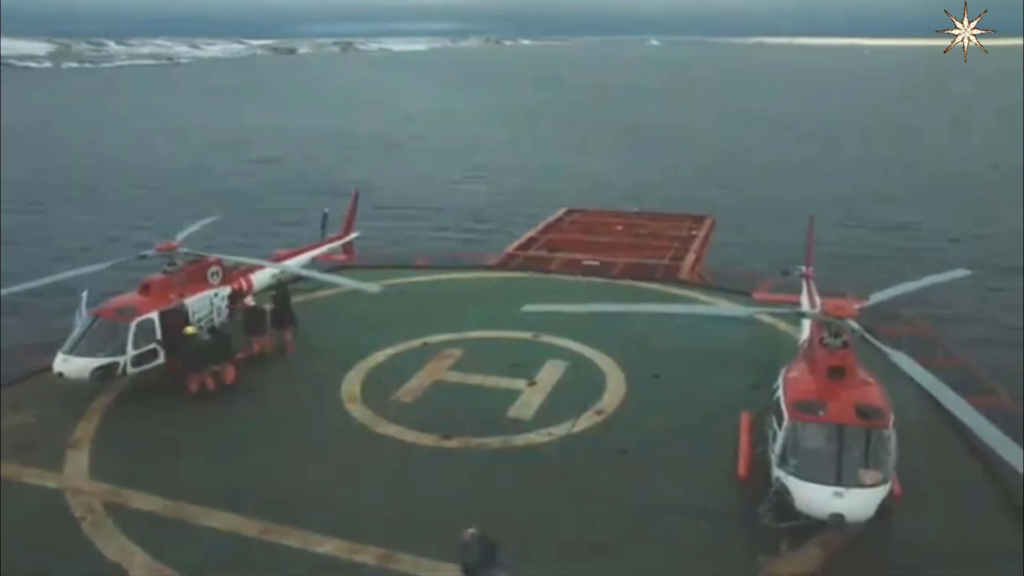
RSV Aurora Australis could carry up to four helicopters. It had both a helideck and a hangar, allowing aerial transport and research operations.
Nickname and Cultural Impact
Why “Orange Roughy”?
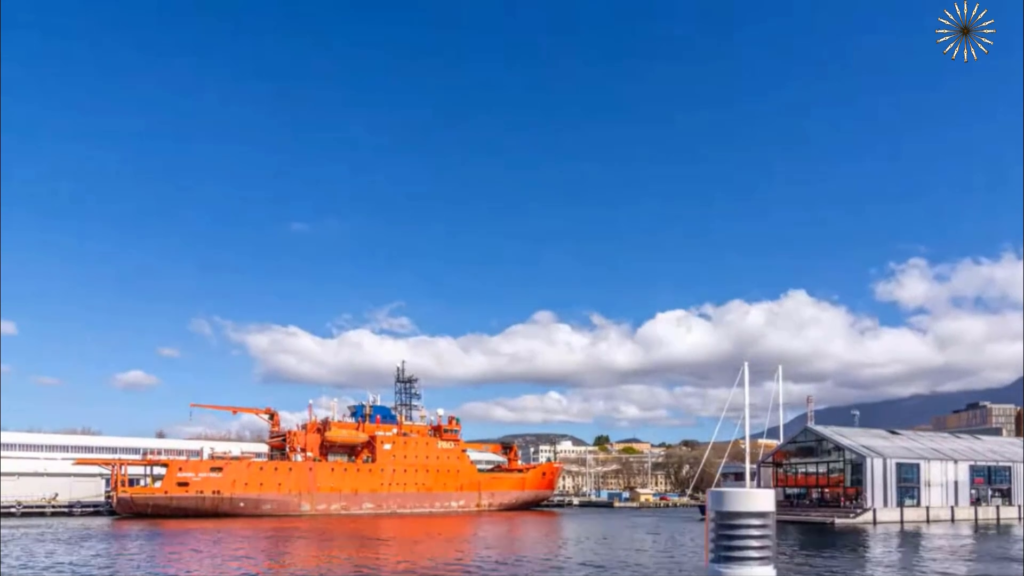
The ship earned the nickname “Orange Roughy” due to its bright orange color. This made it highly visible in icy waters and gave it a unique identity.
Decommissioning and End of Service
Final Voyage and Retirement
After nearly 30 years of service, the ship was decommissioned in March 2020. Its retirement marked the end of an era in Antarctic exploration.
Legacy and Contributions
Impact on Antarctic Science
RSV Aurora Australis played a crucial role in advancing scientific knowledge. It enabled countless discoveries and supported Australia’s presence in Antarctica.
Comparison With Modern Icebreakers
Modern vessels are more advanced, with improved fuel efficiency and technology. However, RSV Aurora Australis remains a symbol of reliability and innovation.
FAQs About RSV Aurora Australis
1. What does RSV stand for?
RSV stands for Research and Supply Vessel.
2. When was RSV Aurora Australis built?
It was built between 1988 and 1989.
3. How many passengers could it carry?
It could accommodate up to 116 passengers.
4. Why was it important?
It supported Antarctic research and logistics for nearly 30 years.
5. What was its top speed?
Its maximum speed was 16.8 knots.
6. When was it decommissioned?
It was retired in March 2020.
Conclusion
The RSV Aurora Australis stands as a remarkable achievement in maritime engineering and Antarctic exploration. From its construction in the late 1980s to its retirement in 2020, it served as a dependable bridge between Australia and Antarctica. Its powerful design, advanced capabilities, and dedication to science made it one of the most respected icebreakers in history. Even today, its legacy continues to inspire future exploration and innovation.