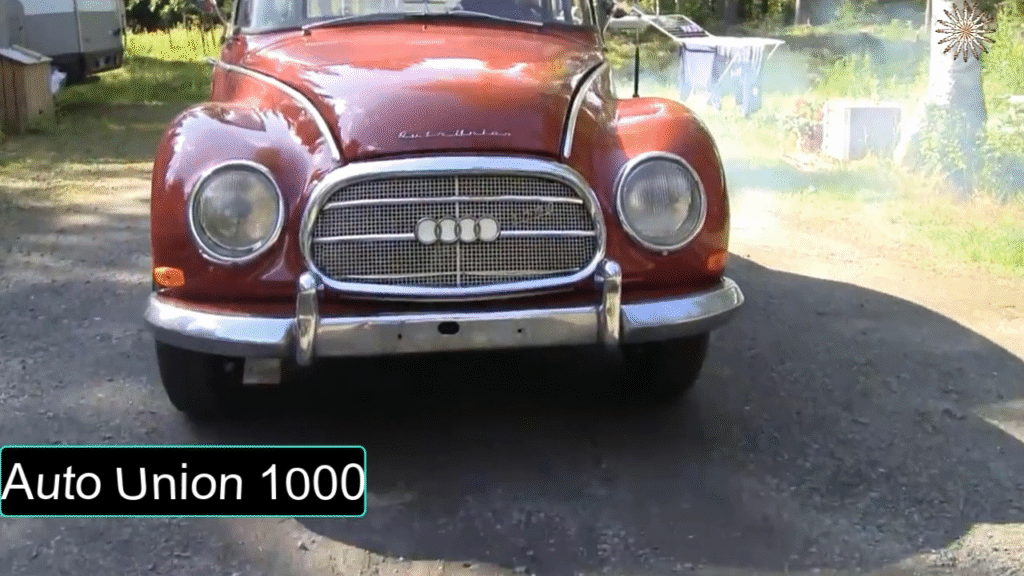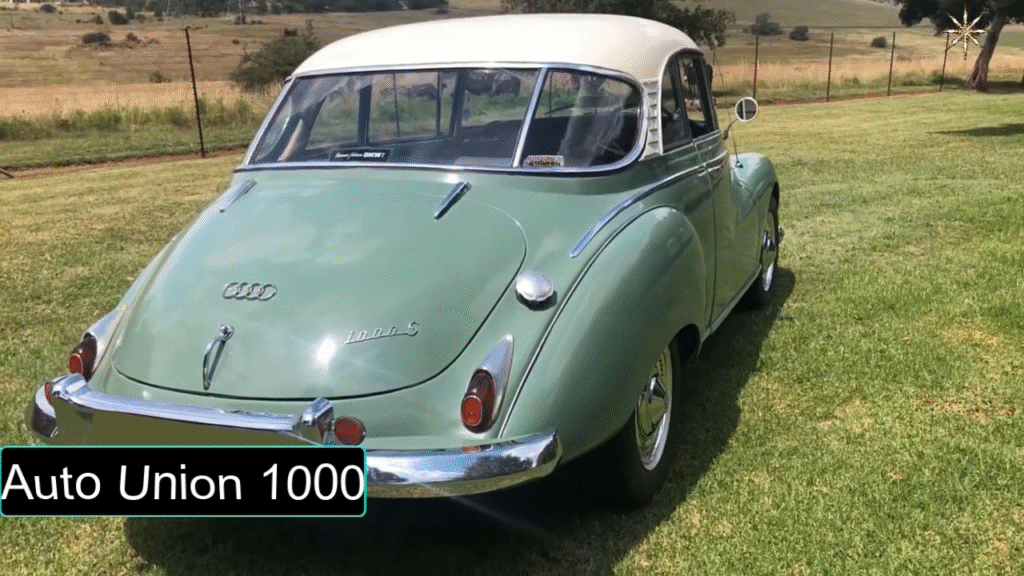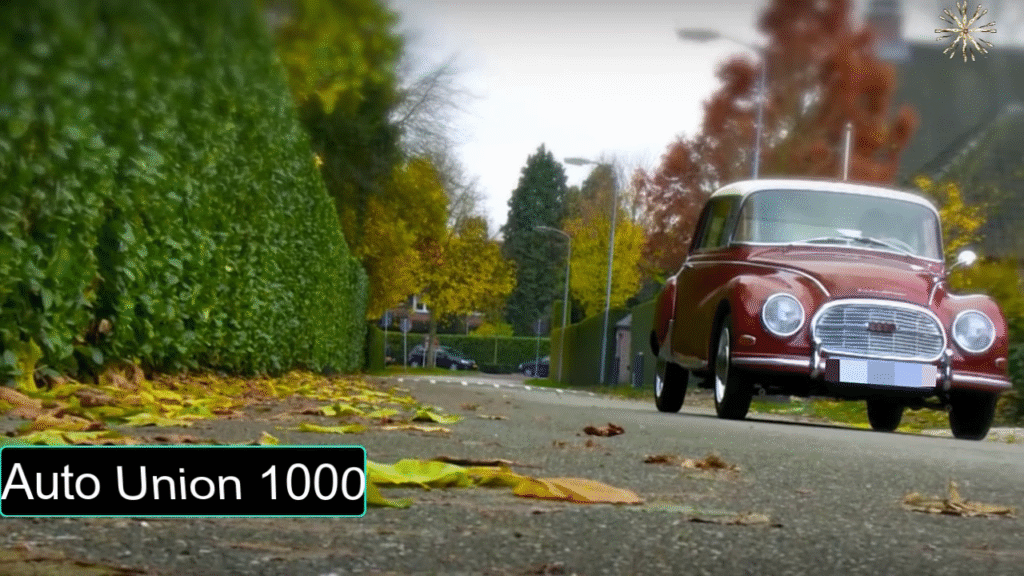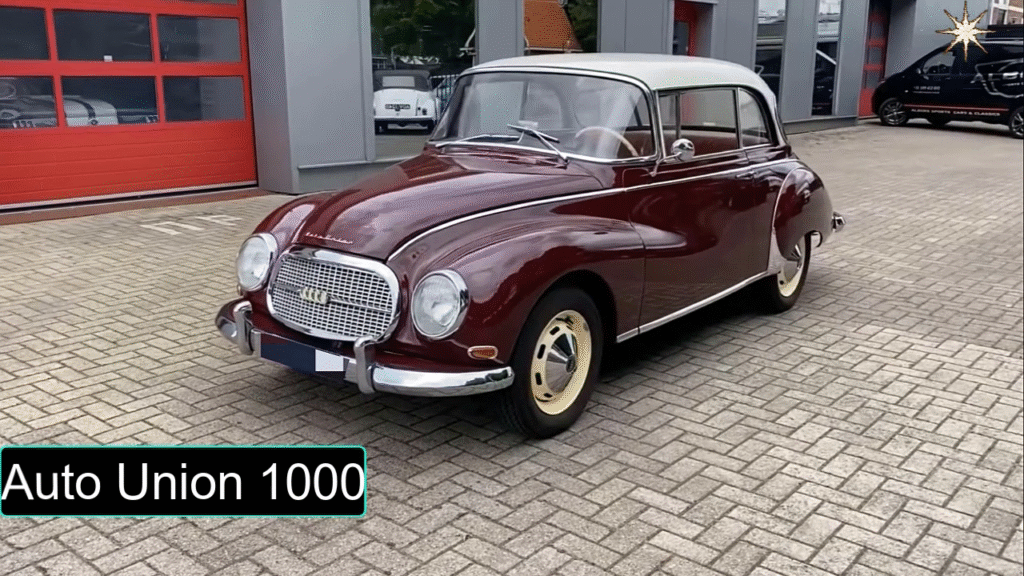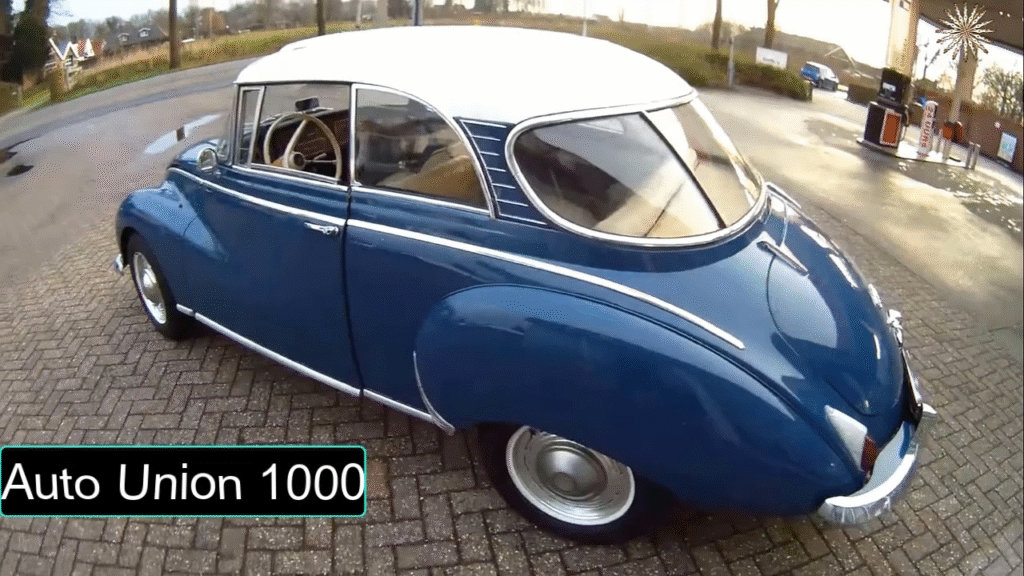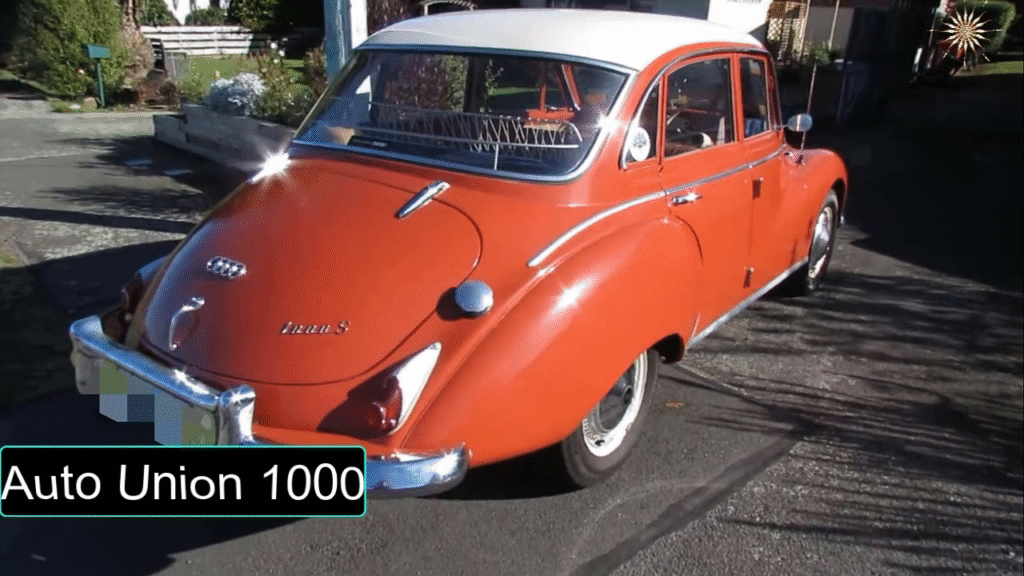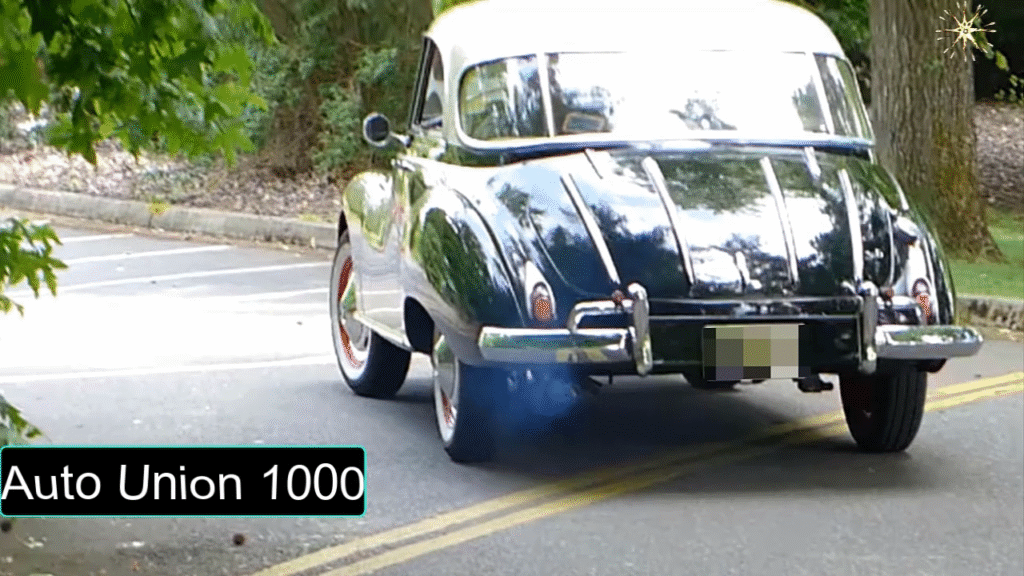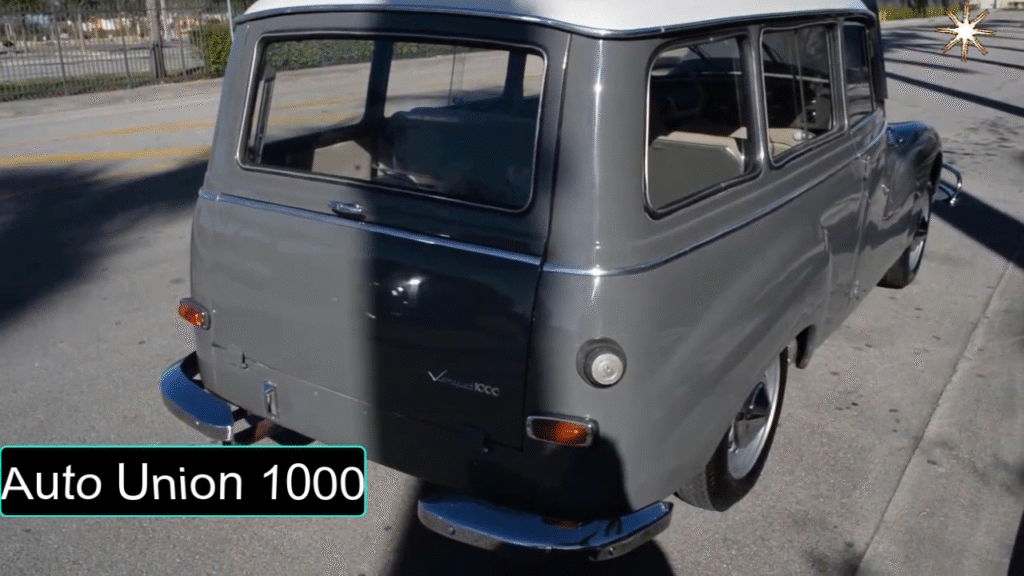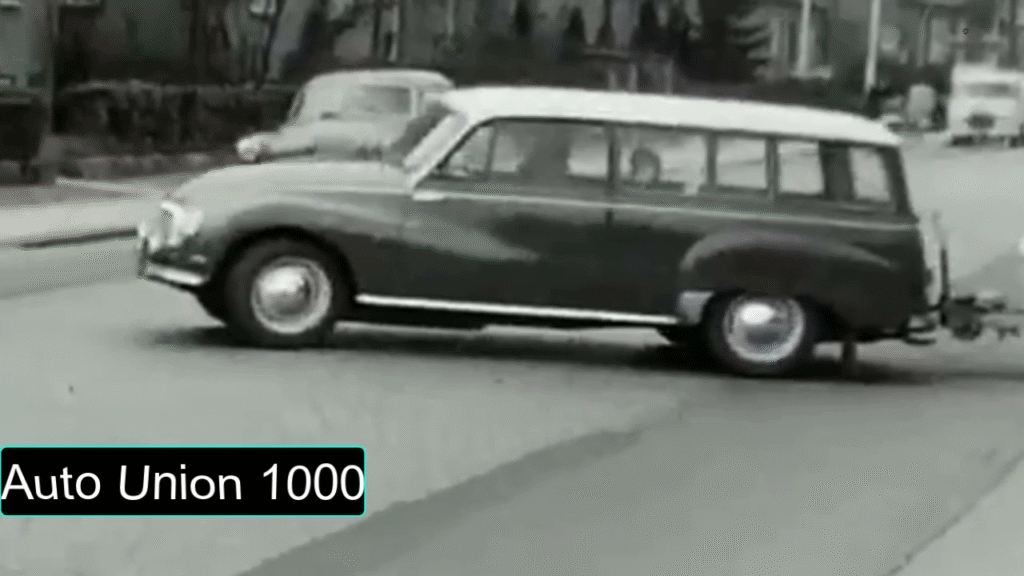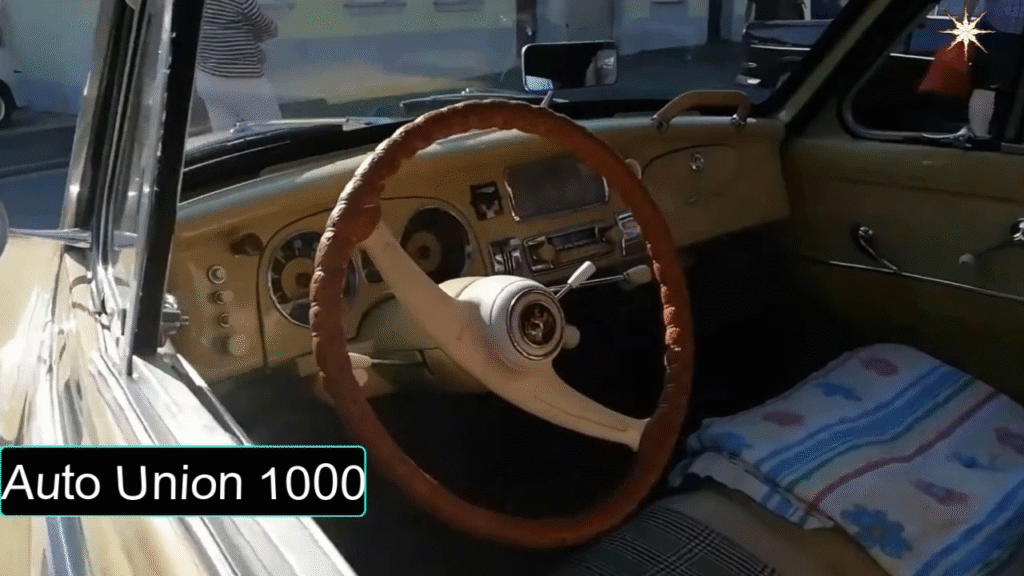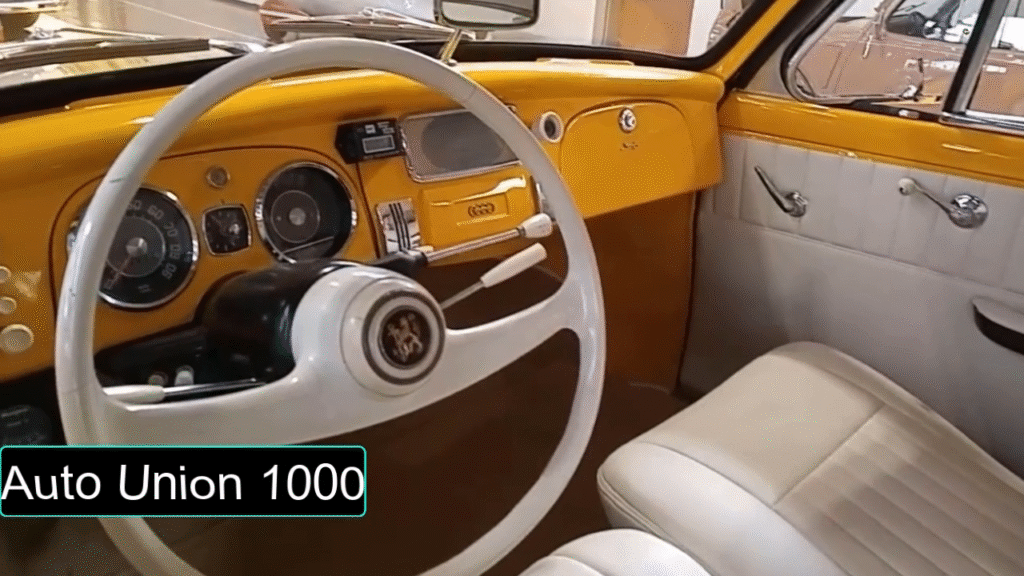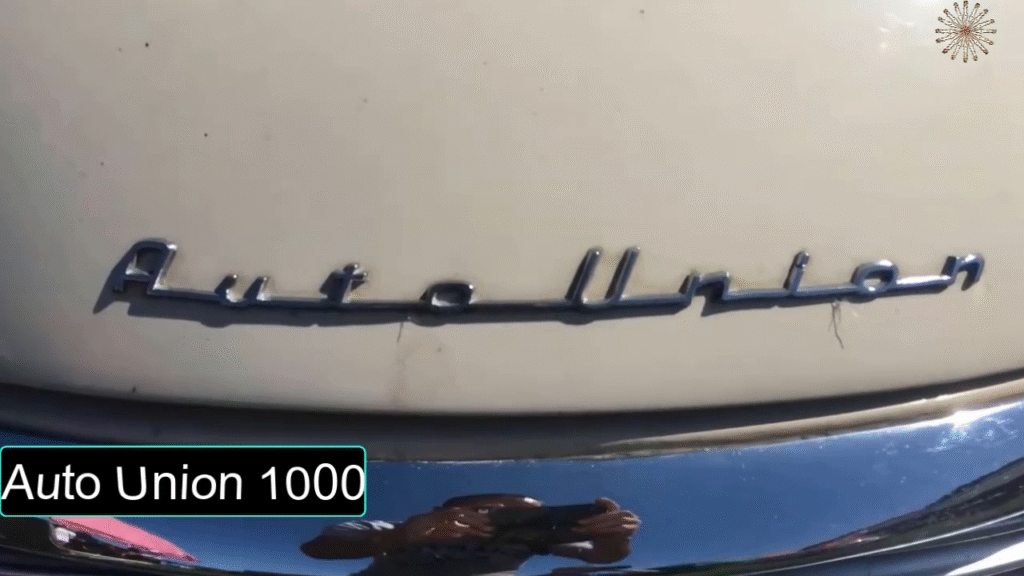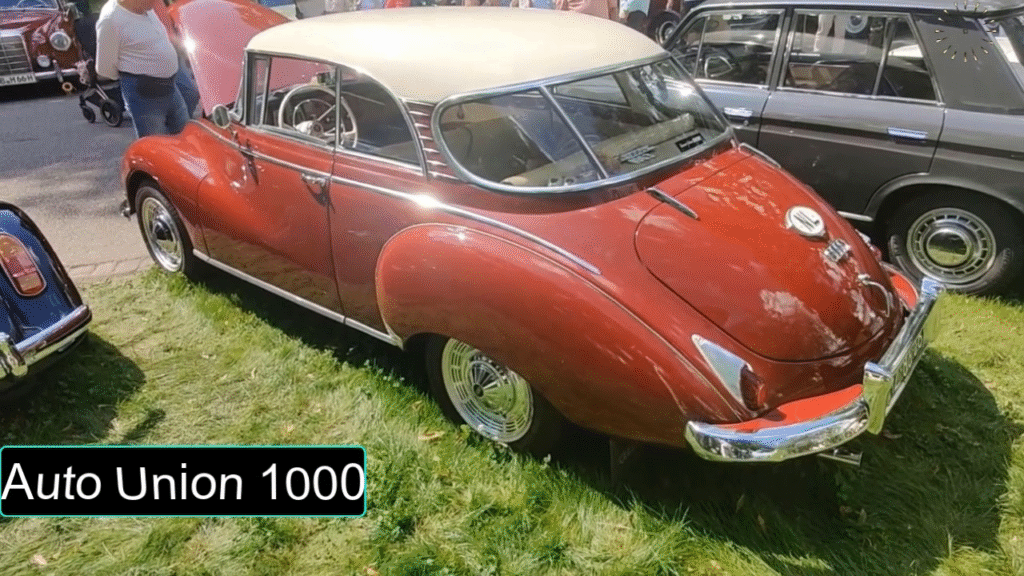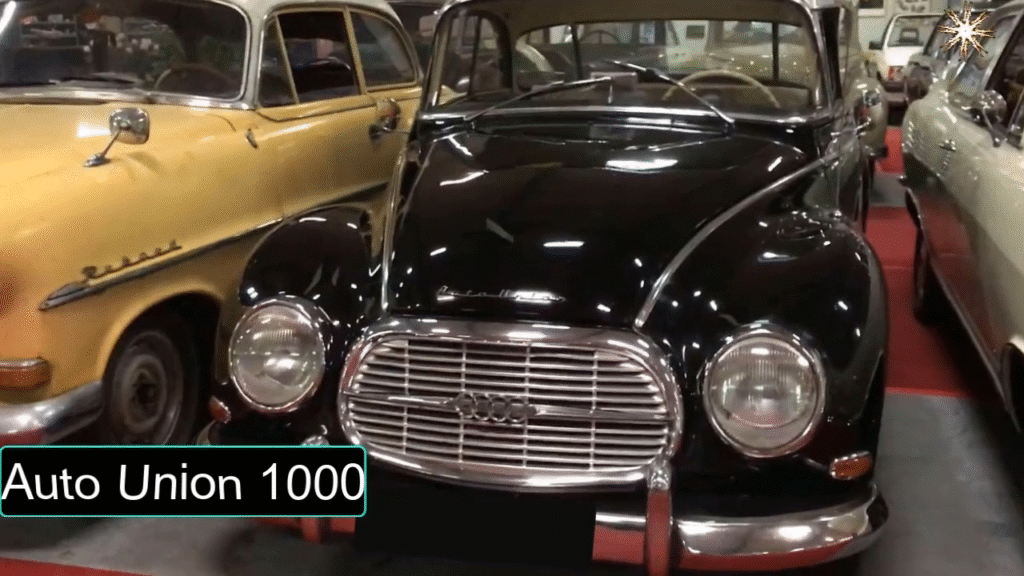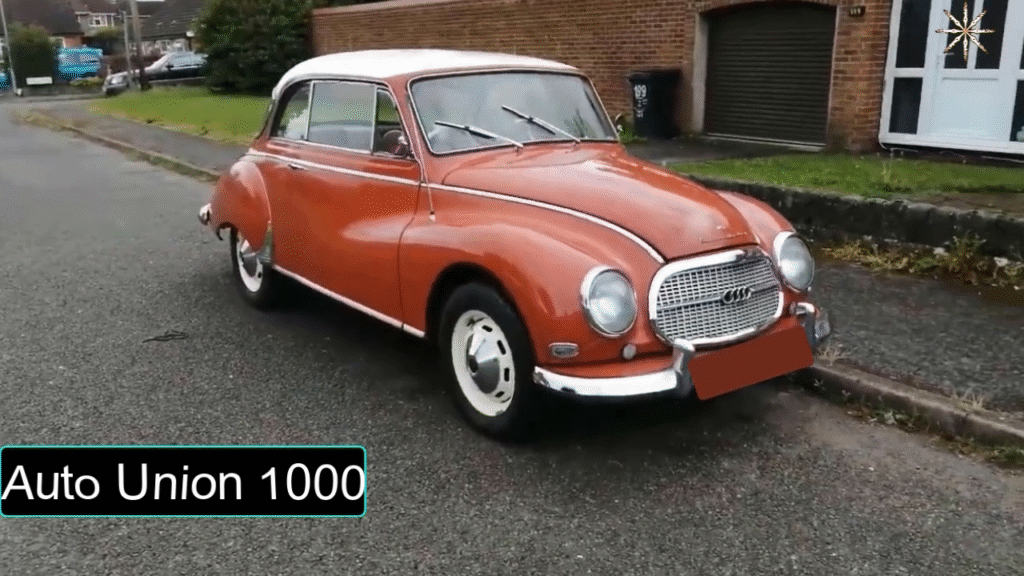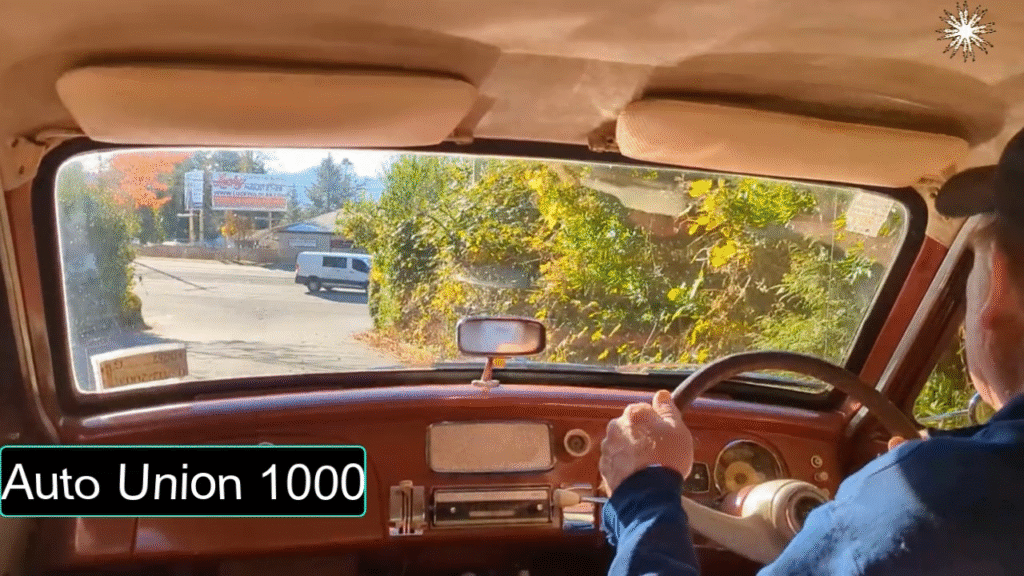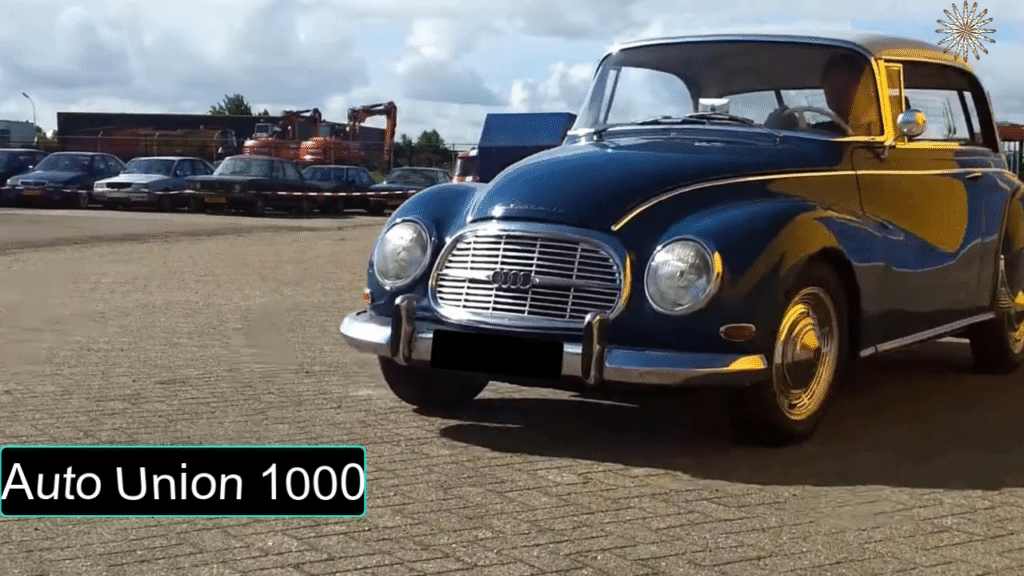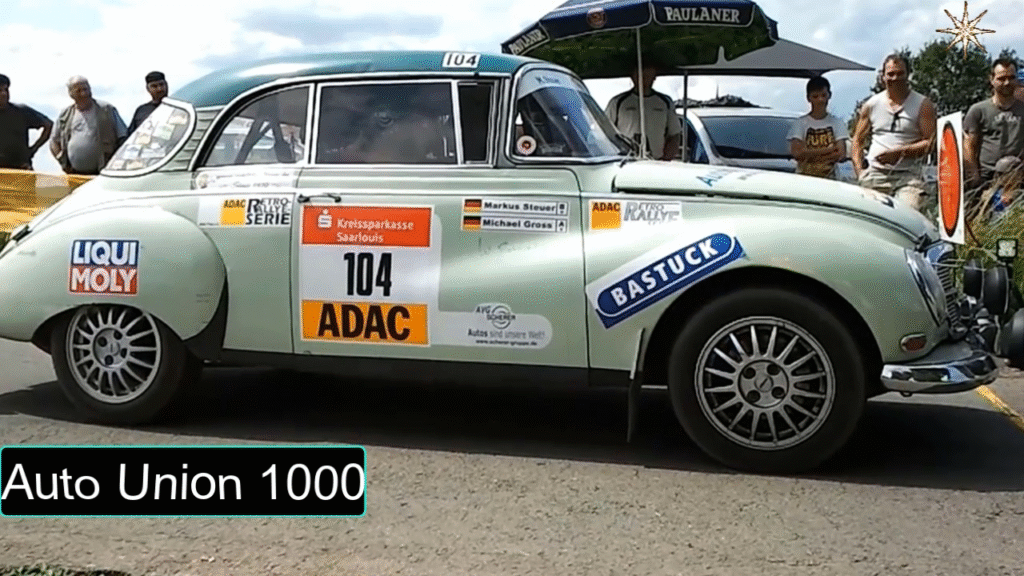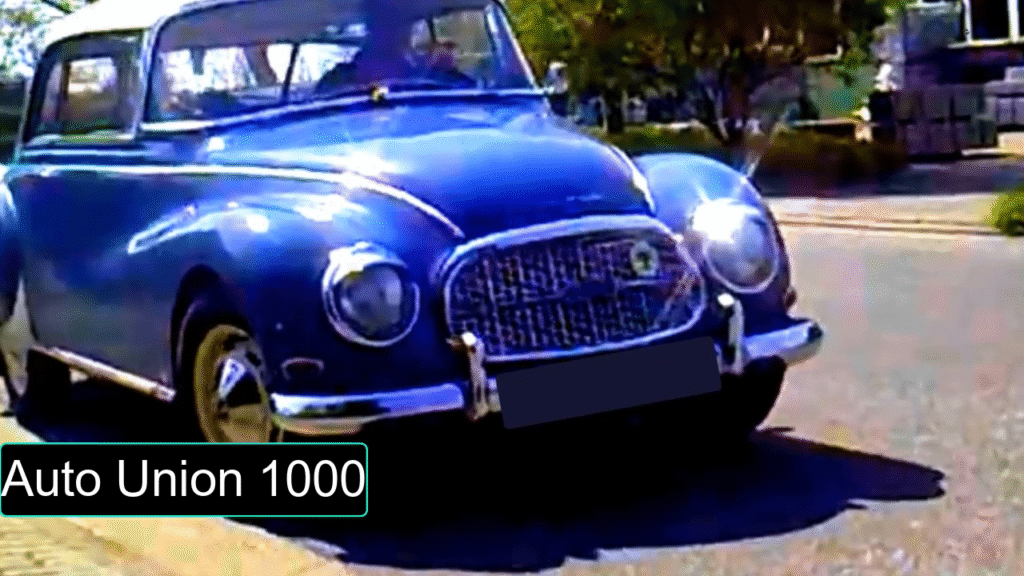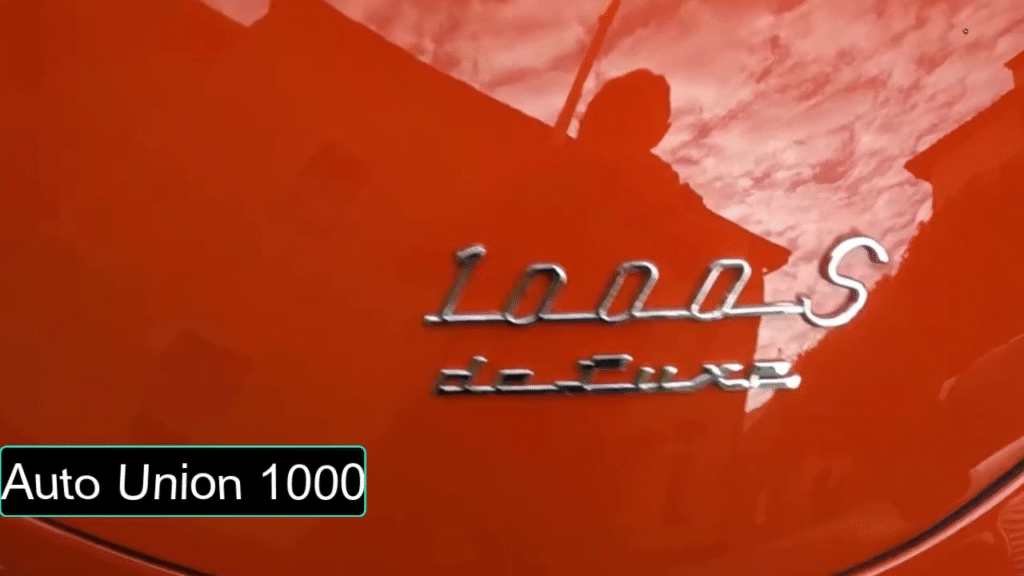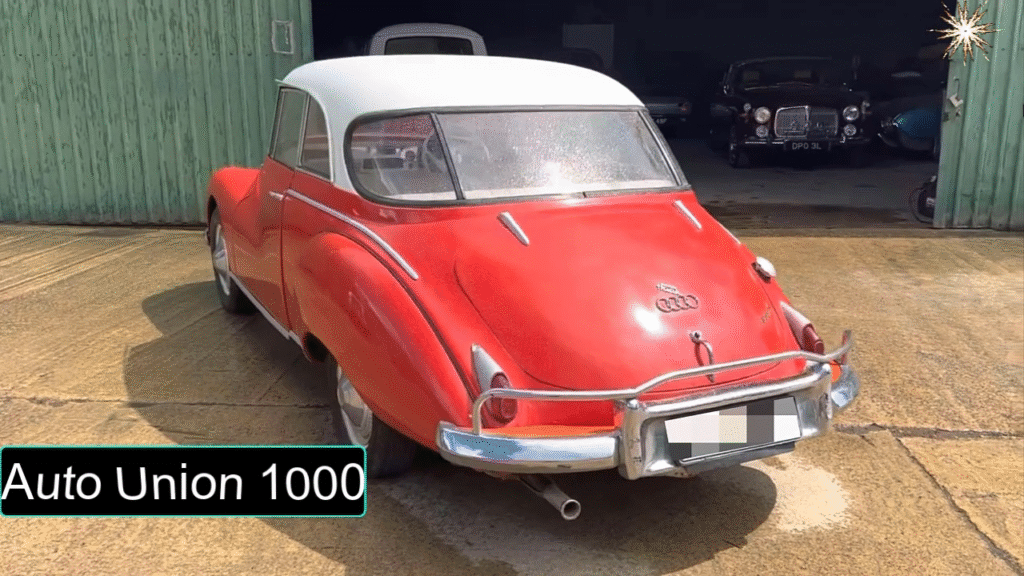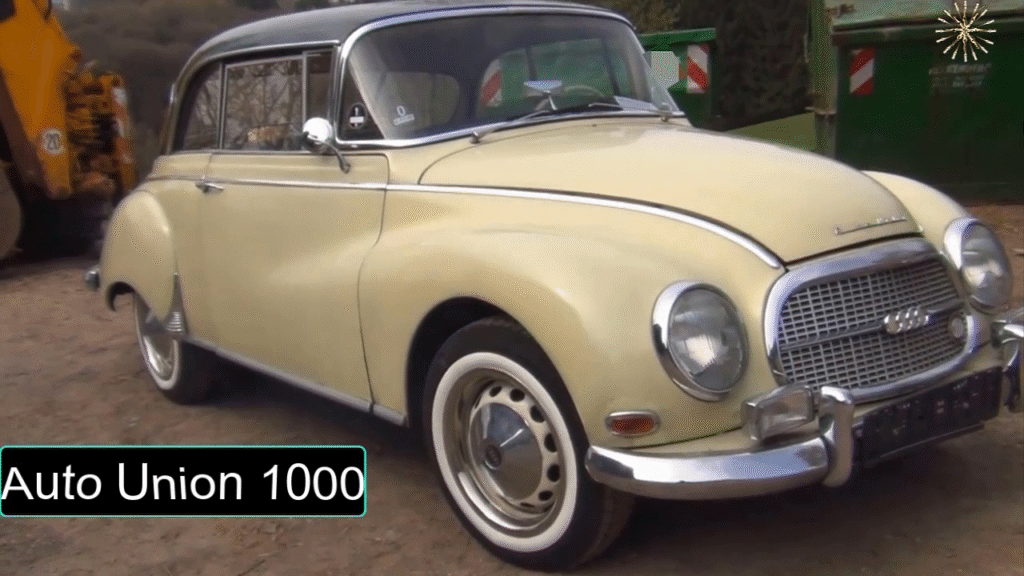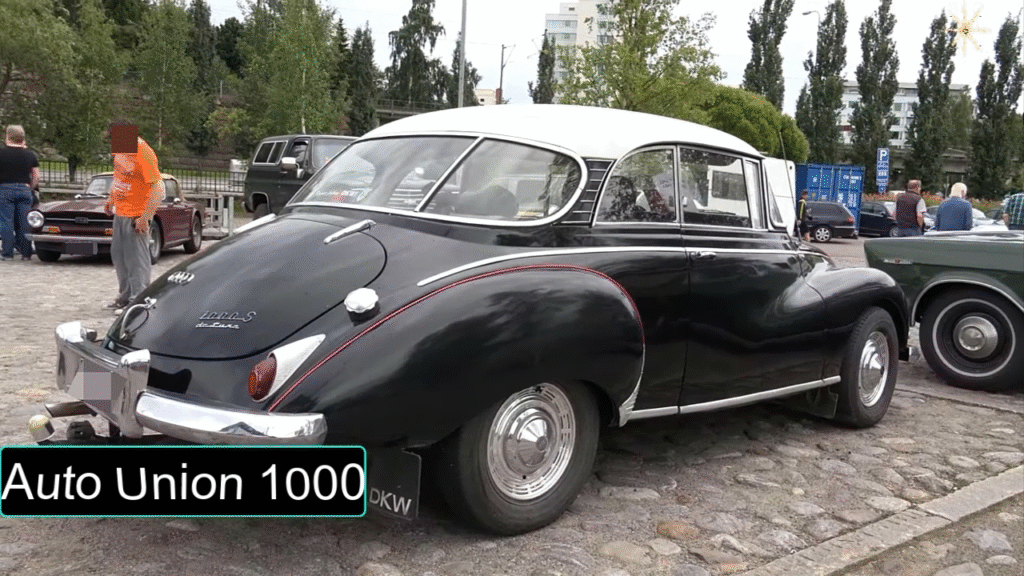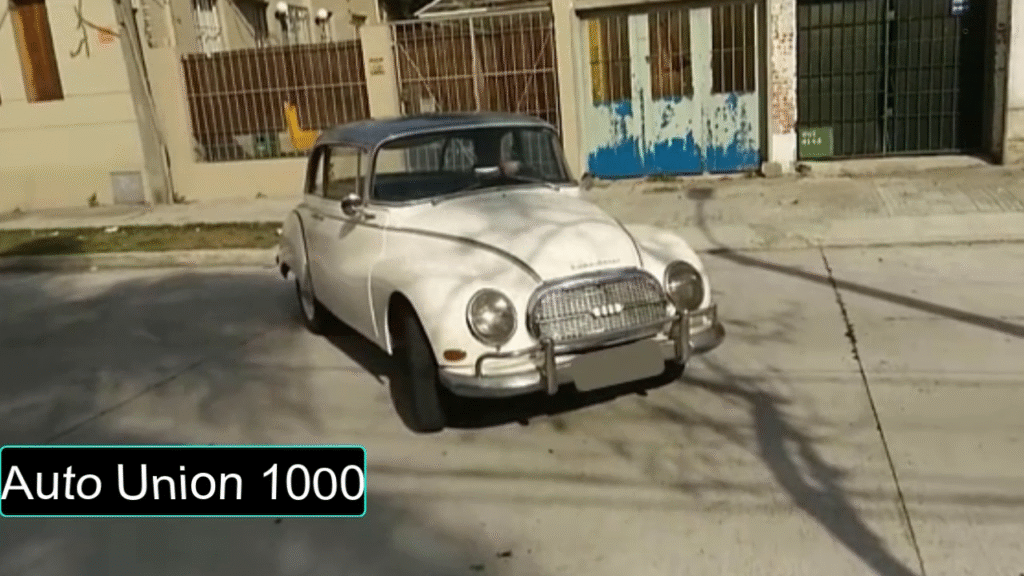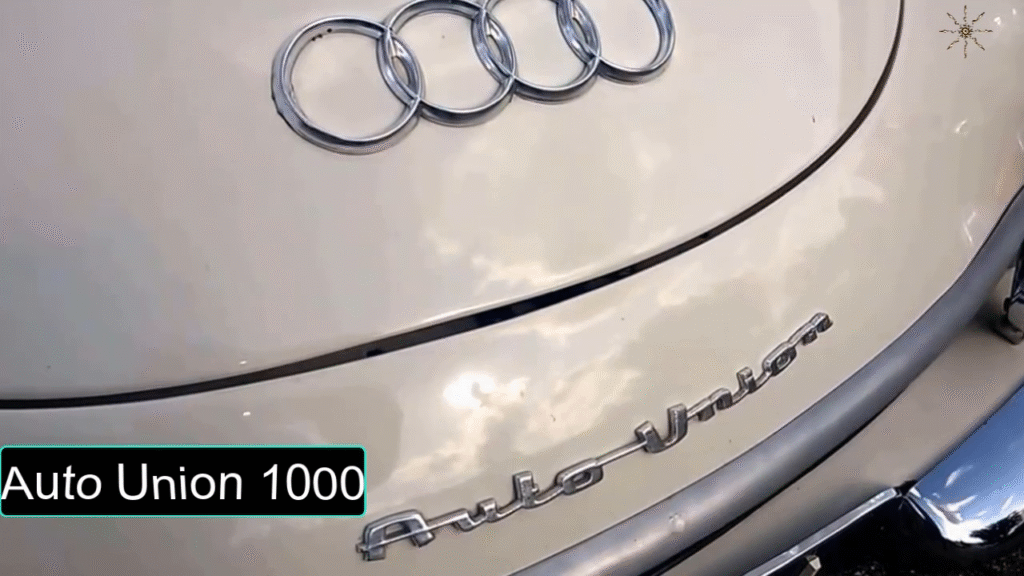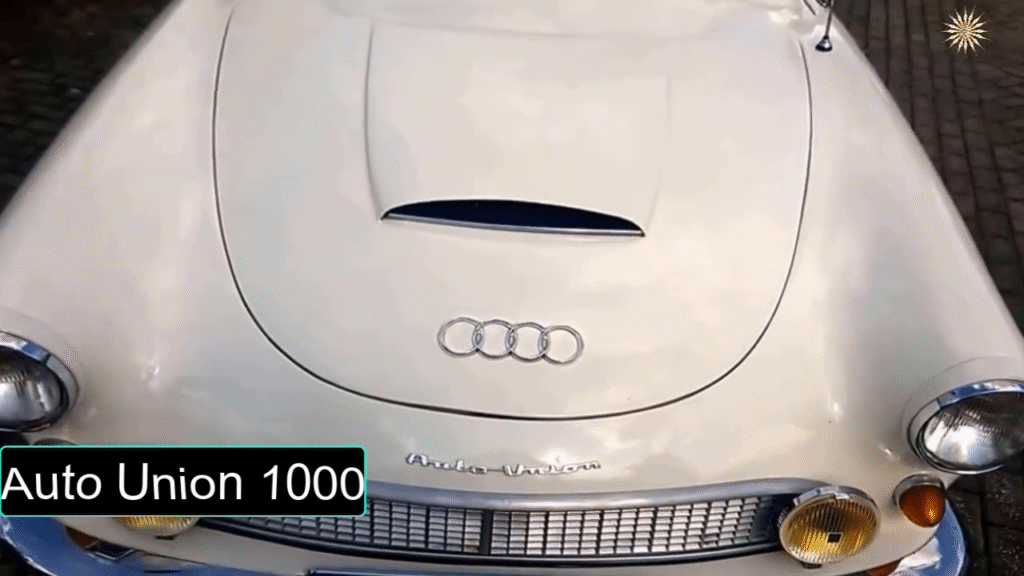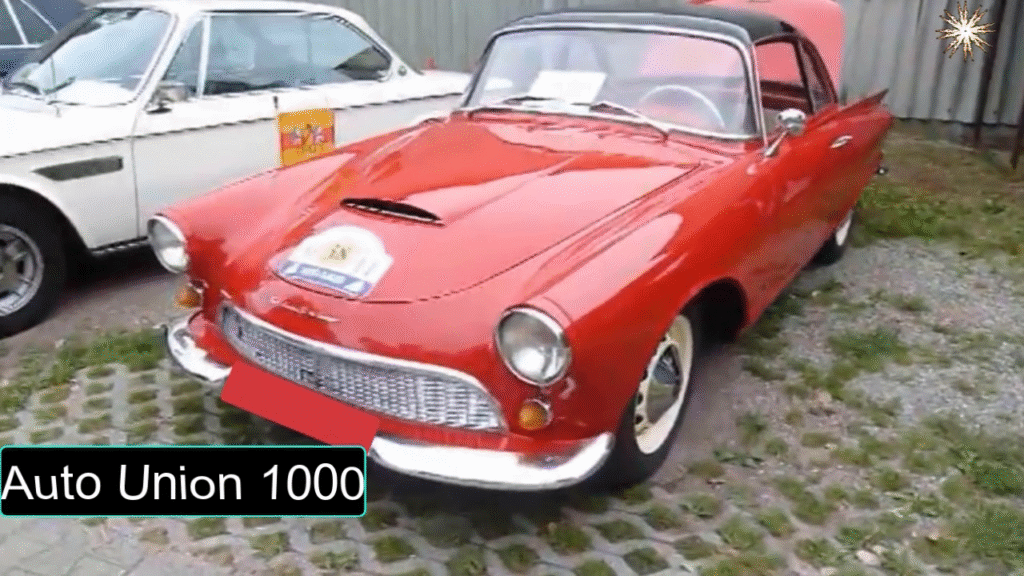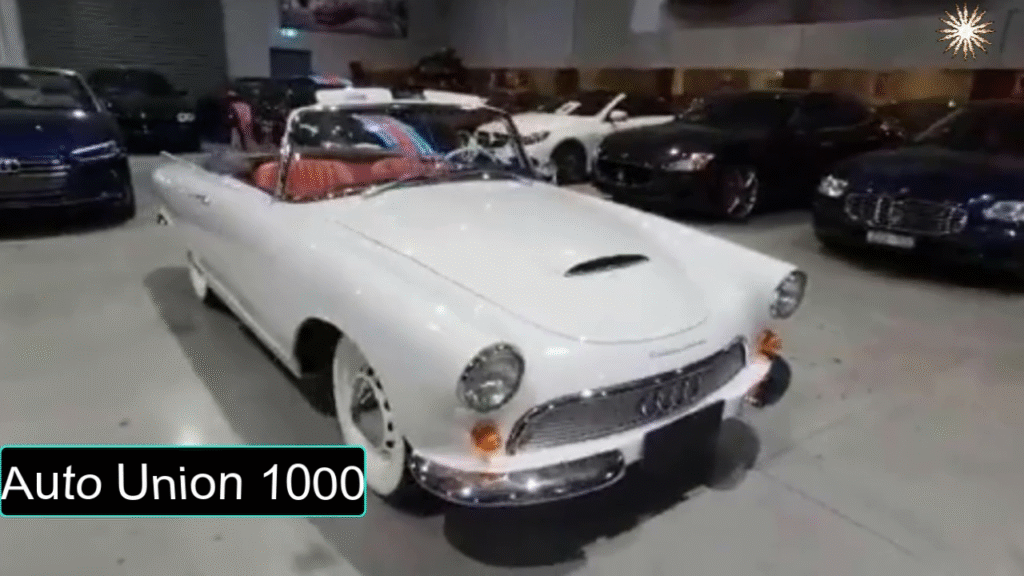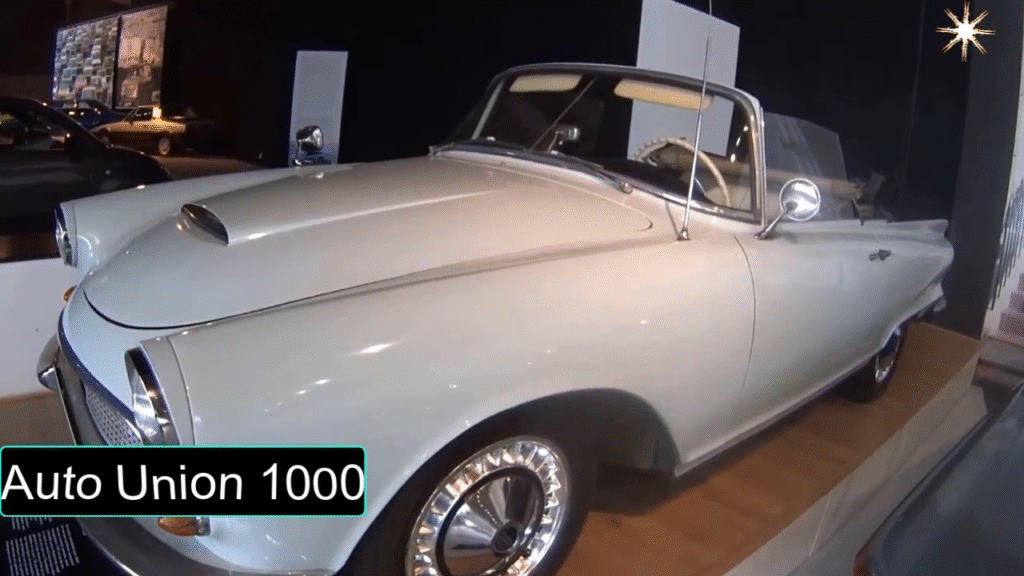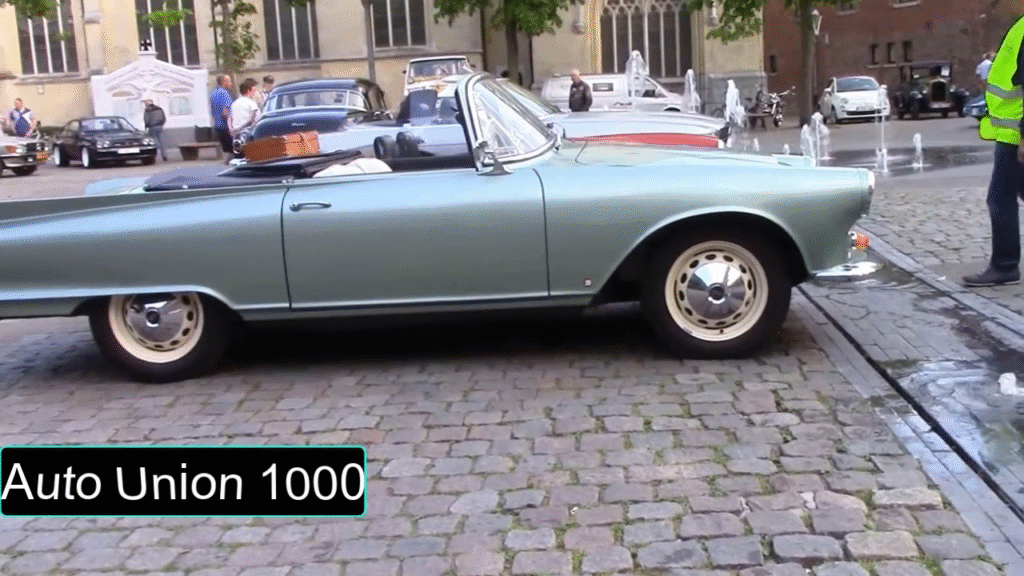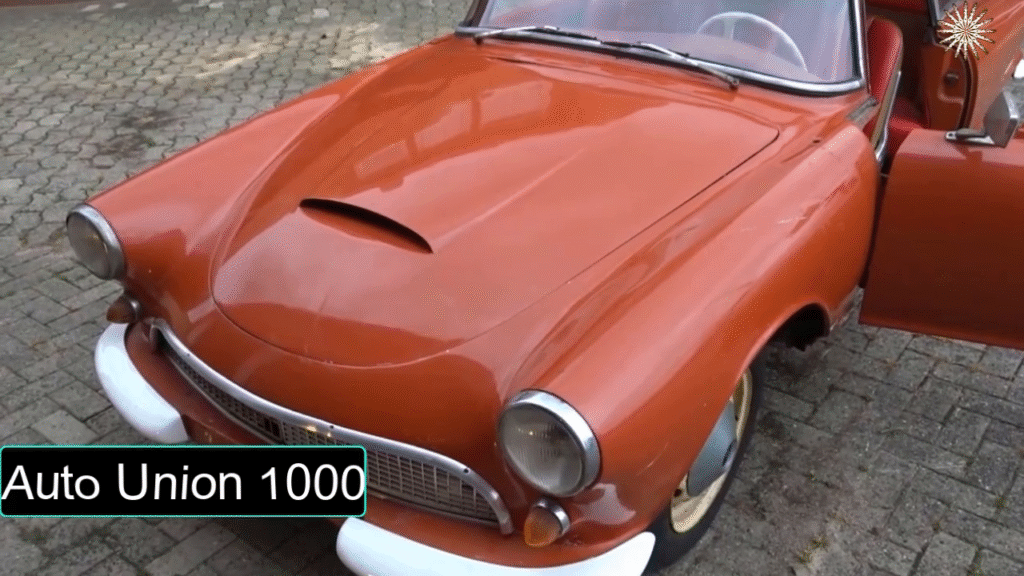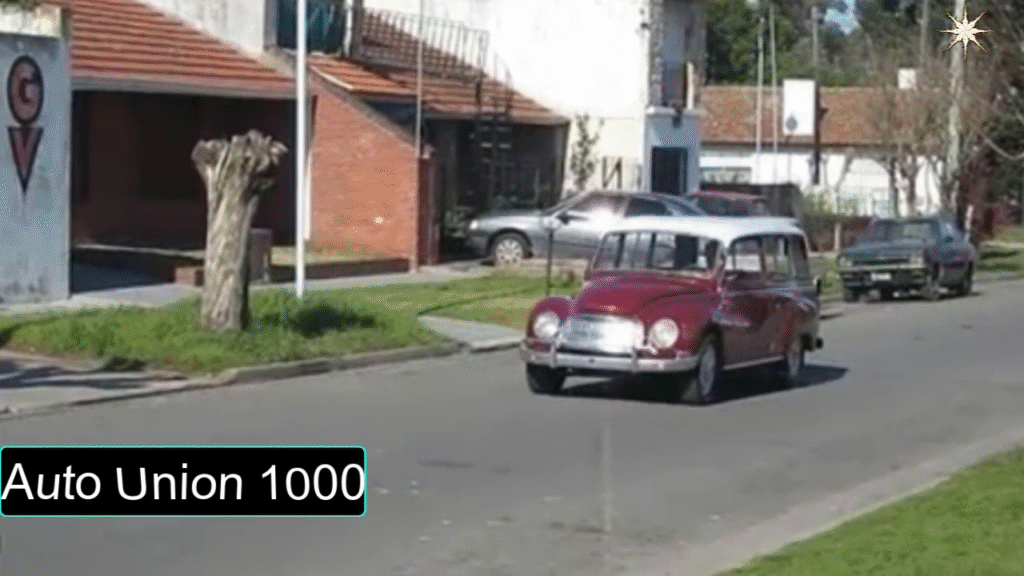
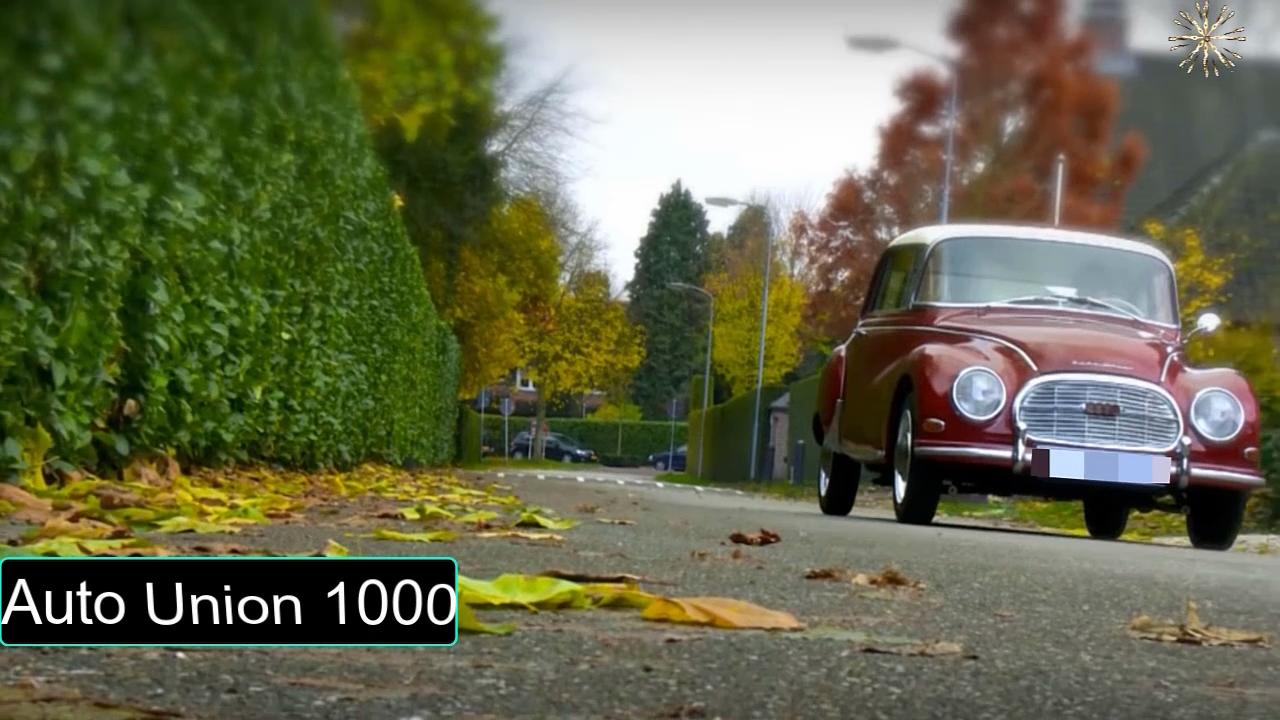
The Auto Union 1000, produced by Auto Union GmbH (the company that would later become Audi) between 1958 and 1965, remains a beloved piece of German automotive history. Known for its compact design, two-stroke engine, and rarity today, the 1000 has earned a place among collectors and rally enthusiasts.
Key Facts
- Manufacturer: Auto Union GmbH (West Germany)
- Years of Production: 1958–1965
- Class: Compact / Small family car (C)
- Body Styles: 2-door and 4-door sedan, coupé, convertible, 3-door estate
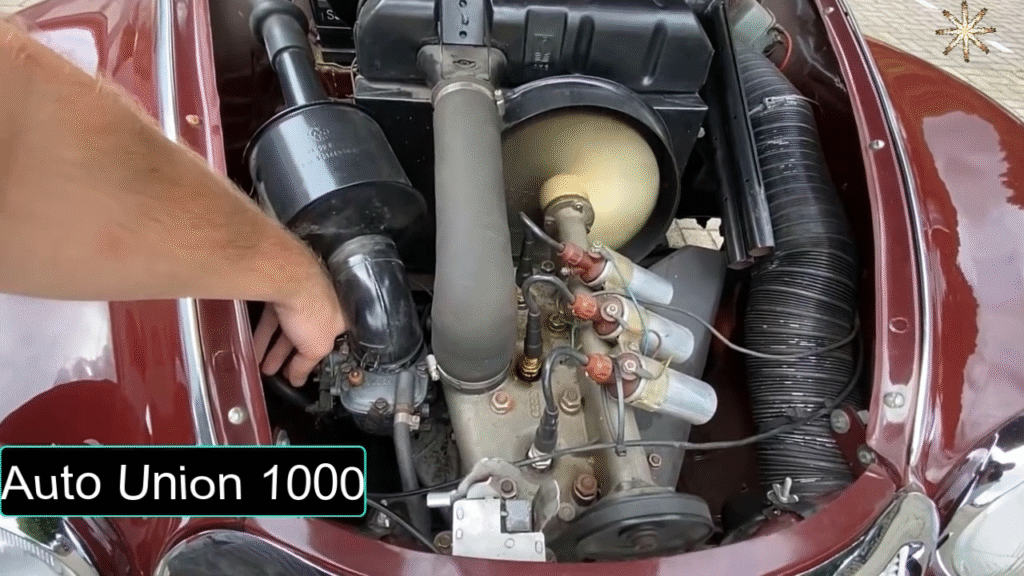
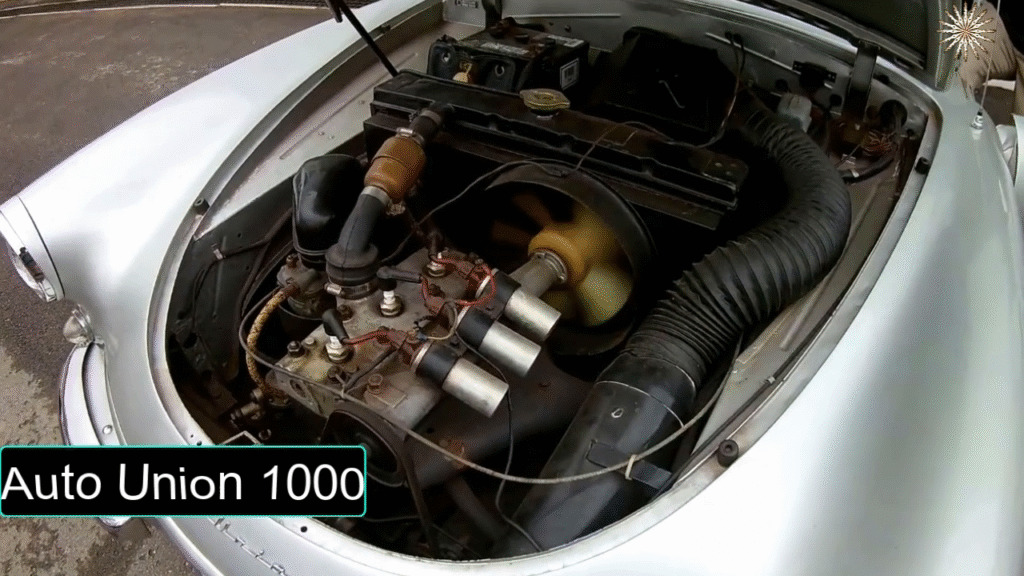
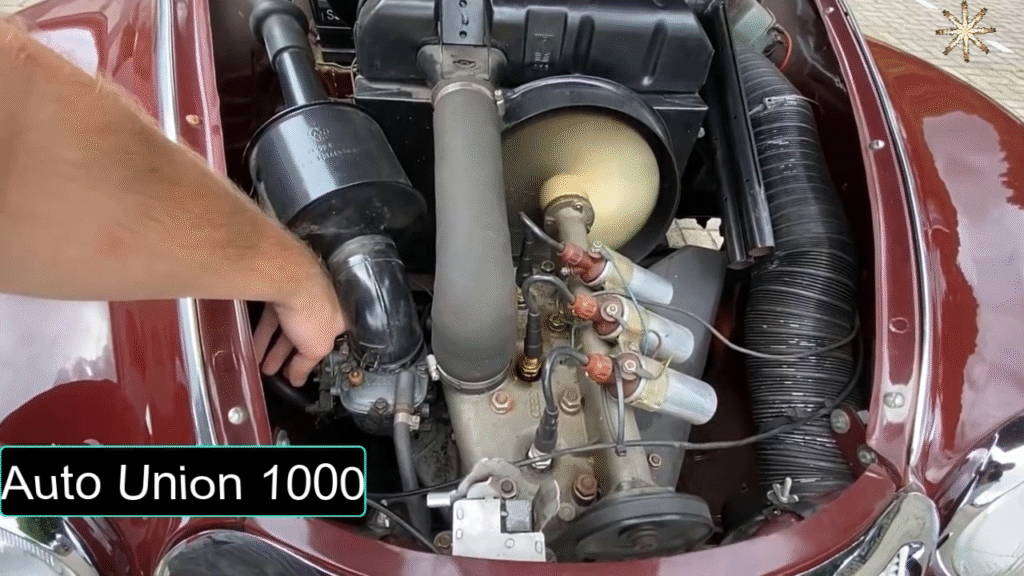
- Engine: 981 cc, 3-cylinder, 2-stroke (~44–55 hp)
- Transmission: 4-speed manual
- Top Speed: ~130 km/h (81 mph)
- Layout: Front-engine, front-wheel drive (FF layout)
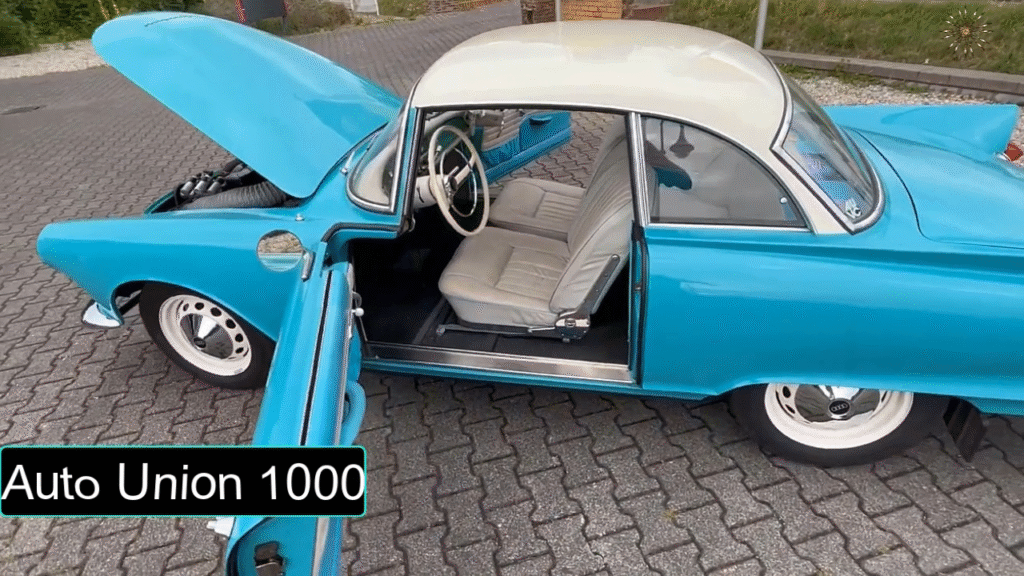
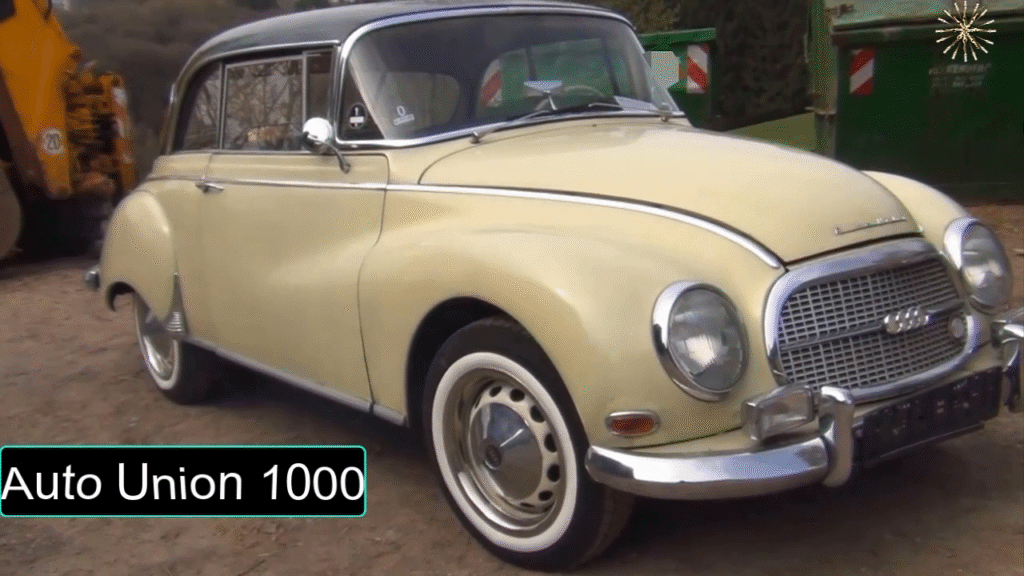
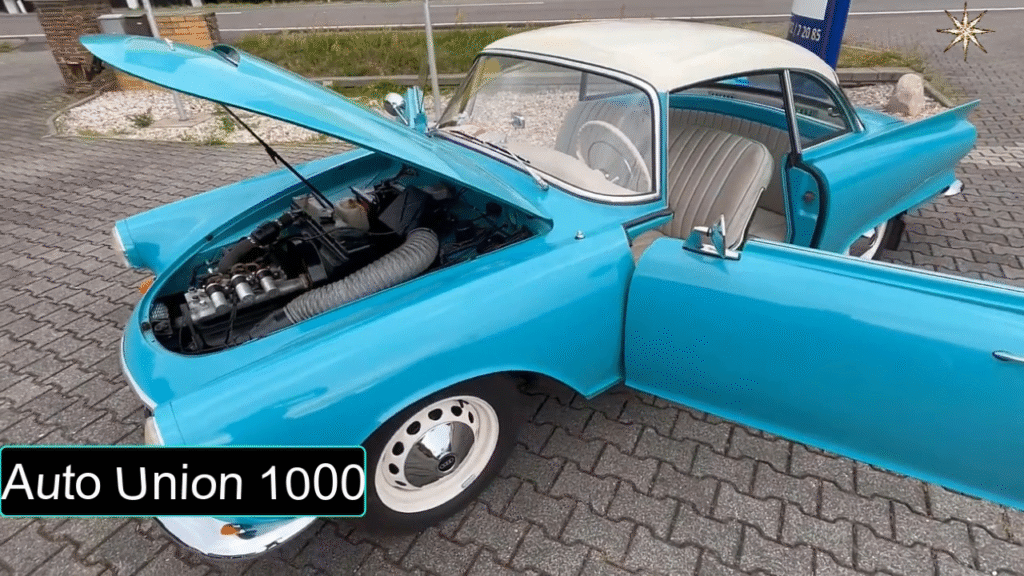
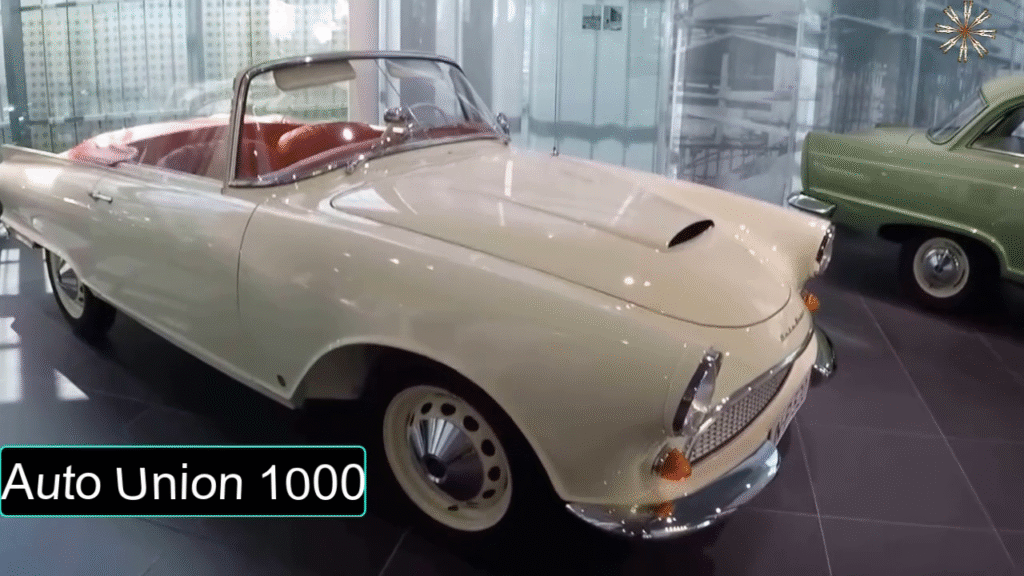
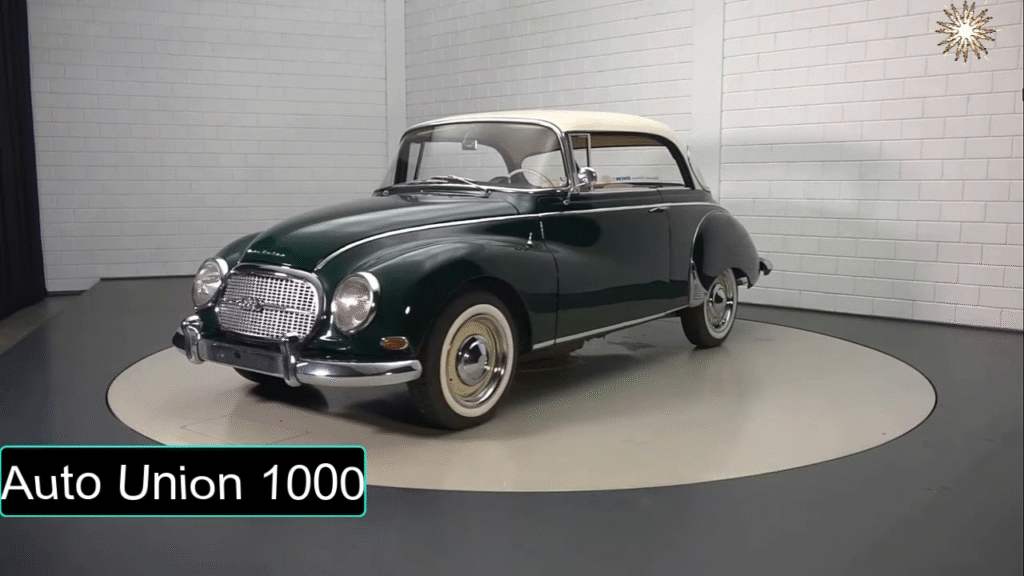
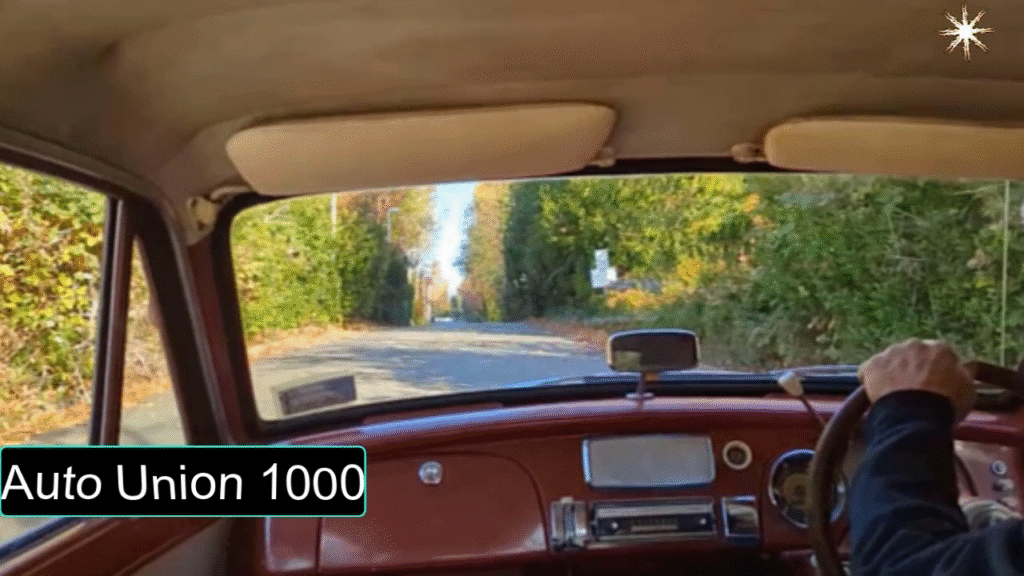
- Styling: Rounded, American-influenced design with wraparound windshields and chrome trim
- Predecessor: DKW 3=6
- Successor: DKW F102
Design & Engineering
The “1000” designation referred to the engine size, just under one liter. Despite its modest capacity, the 3-cylinder two-stroke engine produced up to 55 PS, making the car light, agile, and surprisingly capable for its time. Its front-wheel drive setup and compact design contributed to its popularity in rallying during the early 1960s.
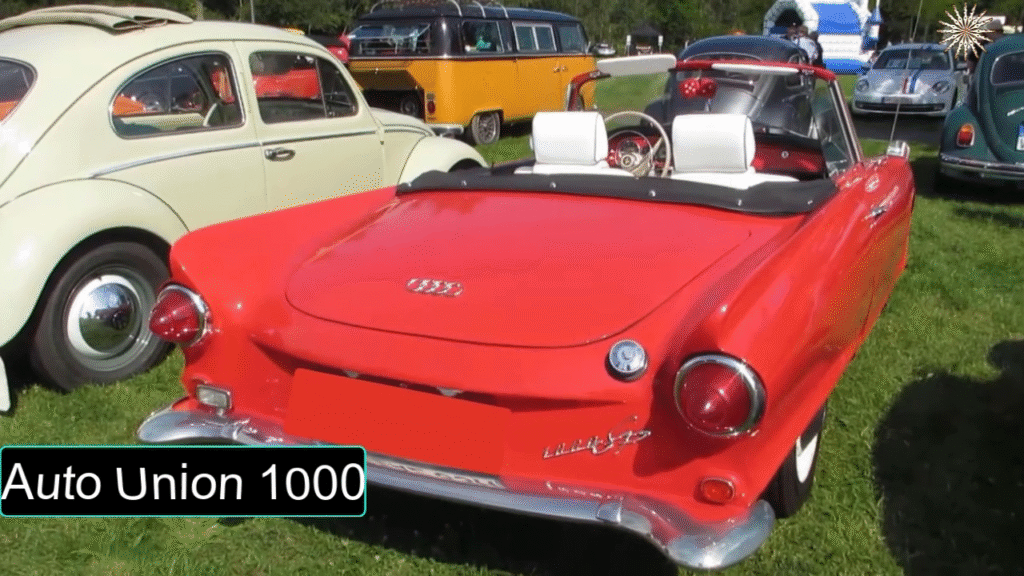
Stylistically, the Auto Union 1000 reflected American influences of the era, with flowing lines, chrome accents, and wraparound windshields. The sportiest version—the Auto Union 1000 Sp—earned the nickname “baby Thunderbird” due to its resemblance to Ford’s iconic model.
Market Value Today
The Auto Union 1000, especially the 1000 Sp coupé and convertible, has become a rare collector’s car. Limited production—approximately 5,000 coupés and 1,640 convertibles—adds to its desirability.
Auction & Sale Highlights
- 1959 Auto Union 1000 Sp Coupé: Sold for $27,500 USD
- 1960 Auto Union 1000 Sp: Sold for $23,650 USD
- 1964 Sport Coupe One-Off: Listed at €61,500
European Listings
- Standard examples range from €12,000 to €30,000, depending on condition, originality, and restoration quality.
- Belgium: 1960 1000 S listed at €24,950.
- Italy: Restored 1959 model priced at €12,000.
Summary Table
| Model / Sale Type | Approximate Price (EUR/USD) |
|---|---|
| 1959 1000 Sp Coupé | ~$27,500 (USD) |
| 1960 1000 Sp | ~$23,650 (USD) |
| One-off Sport Coupe (1964) | ~€61,500 |
| Standard listings (Europe) | €12,000–€30,000 |
| 1960 1000 S (Belgium) | ~€24,950 |
Collector Insights
- Restoration Matters: Fully restored cars command higher values.
- Rarity Boosts Price: Unique or limited-production variants (like one-offs) can fetch far above standard models.
- Condition & Provenance: European listings show wide price ranges depending on originality, ownership history, and level of restoration.
FAQs About the Auto Union 1000
1. What does the “1000” stand for in Auto Union 1000?
It refers to the engine size—just under one liter (981 cc).
2. Was the Auto Union 1000 successful in motorsports?
Yes. Thanks to its lightweight body and front-wheel-drive traction, it was popular in rallying during the early 1960s.
3. What is the most collectible version?
The Auto Union 1000 Sp coupé and convertible are the most sought-after due to their stylish design and limited production numbers.
4. How rare is the Auto Union 1000 today?
With only around 5,000 coupés and 1,640 convertibles produced, surviving examples are relatively scarce and highly valued by enthusiasts.
5. How much does an Auto Union 1000 cost today?
Prices vary widely: €12,000–€30,000 for standard models, while rare or restored versions can sell for $23k–$28k USD at auction. Exceptional one-offs may reach €60k+.
6. What was its successor?
The DKW F102 succeeded the Auto Union 1000 in 1965, marking the brand’s transition away from two-stroke engines.
Final Thoughts
The Auto Union 1000 is more than just a compact car from the 1950s and ’60s—it’s a significant part of Audi’s heritage and a classic symbol of postwar German automotive engineering. For collectors, especially those seeking the rare 1000 Sp, it represents a unique blend of affordability, style, and historical importance.