
— Why the Navy’s Amphibious Powerhouse Is Quietly One of the Most Important Ships Afloat Today
When most people think “U.S. Navy,” they picture aircraft carriers, submarines, or destroyers slicing through oceans at flank speed. But ask anyone who’s actually deployed, and they’ll tell you: the real Swiss-Army-Knife of American sea power is an amphibious assault ship.
And sitting near the top of that list?
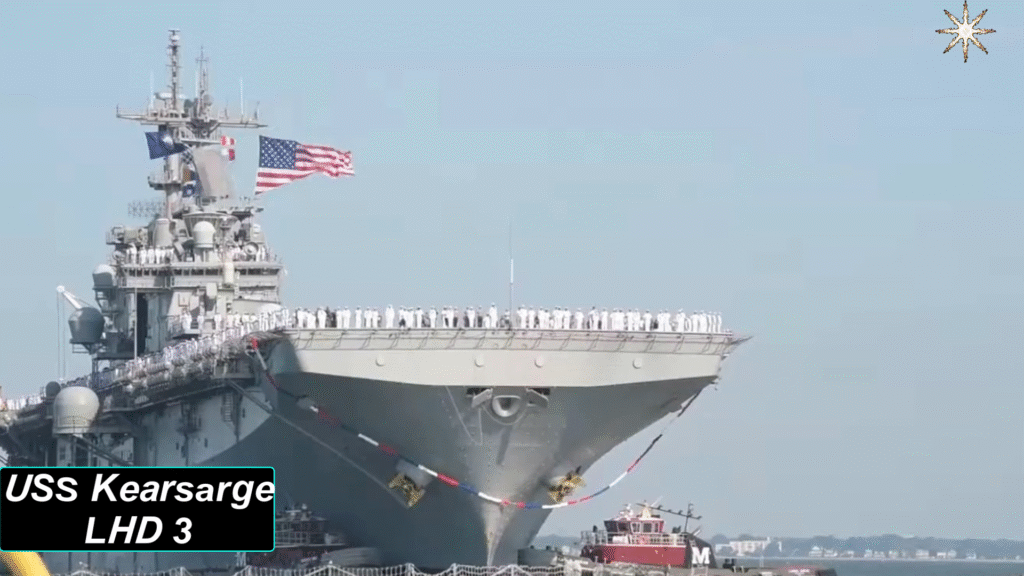
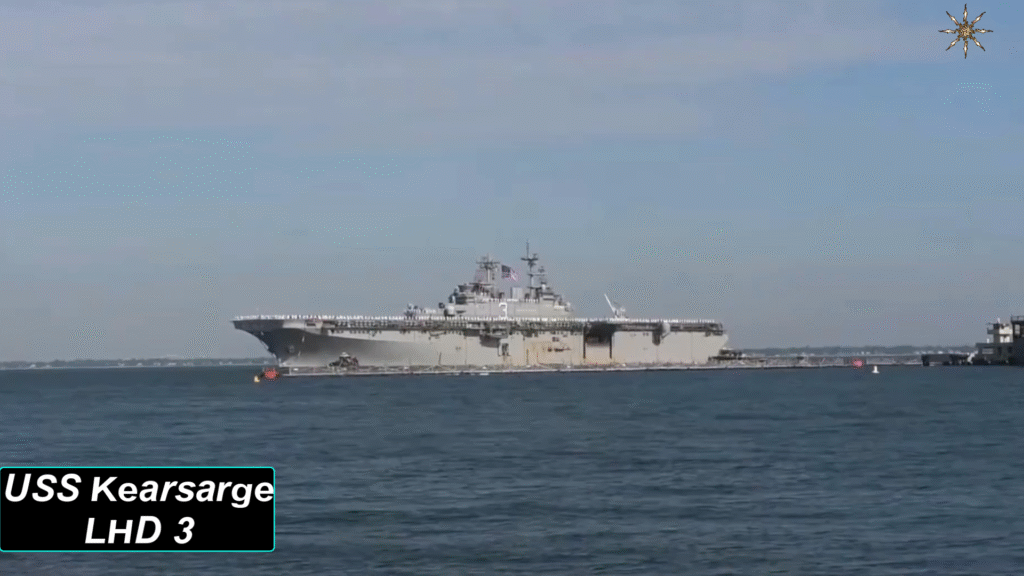
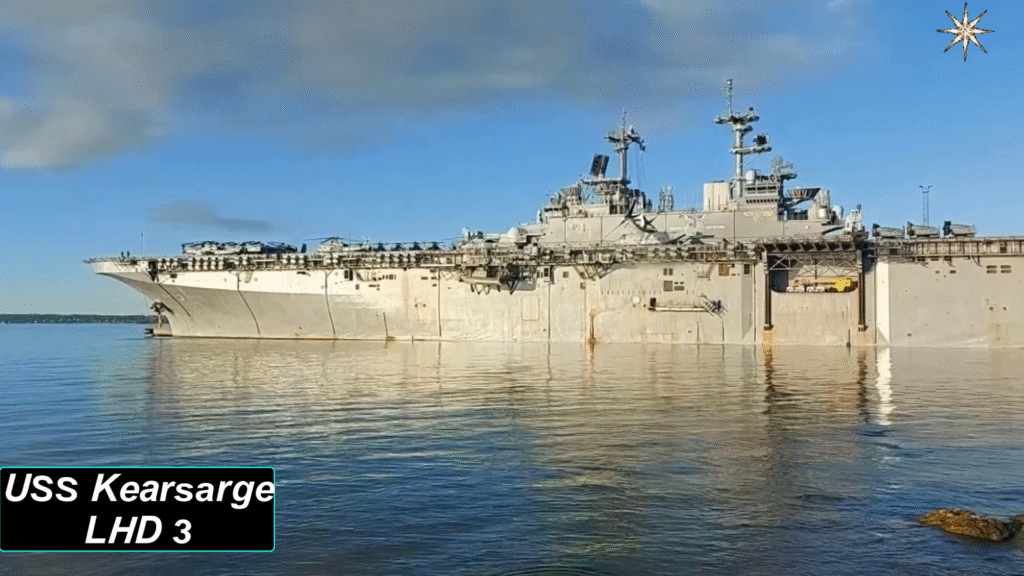
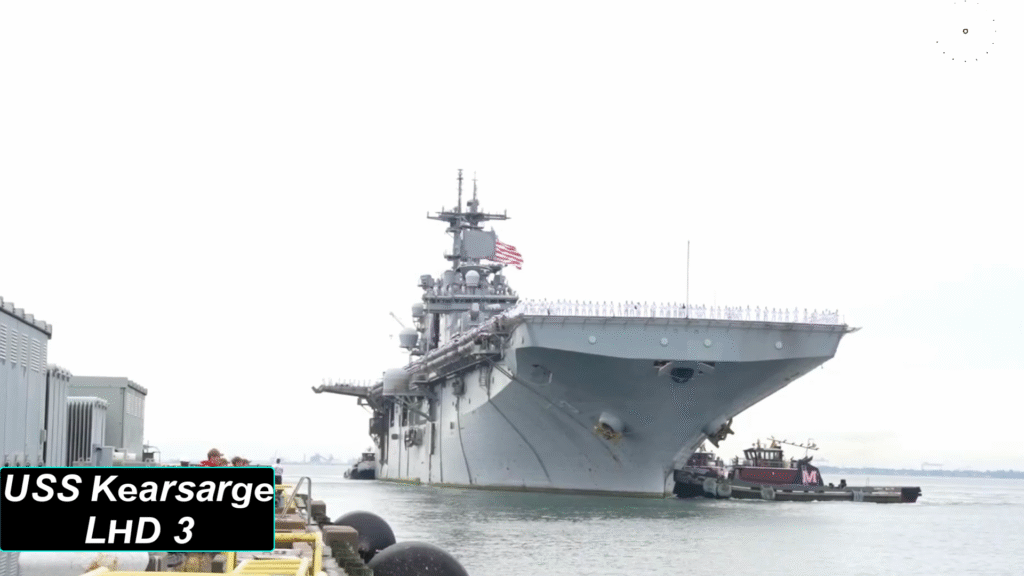
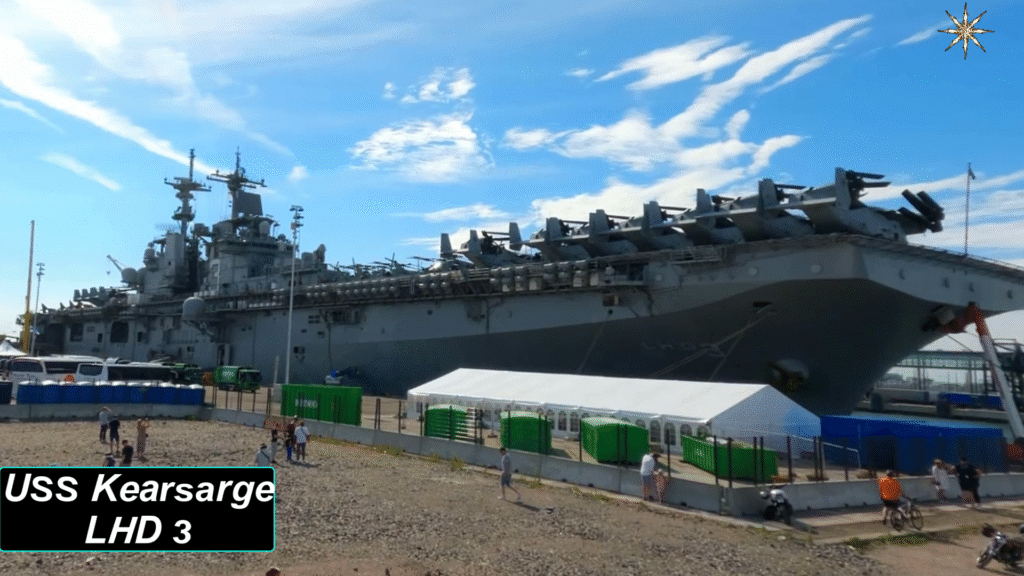
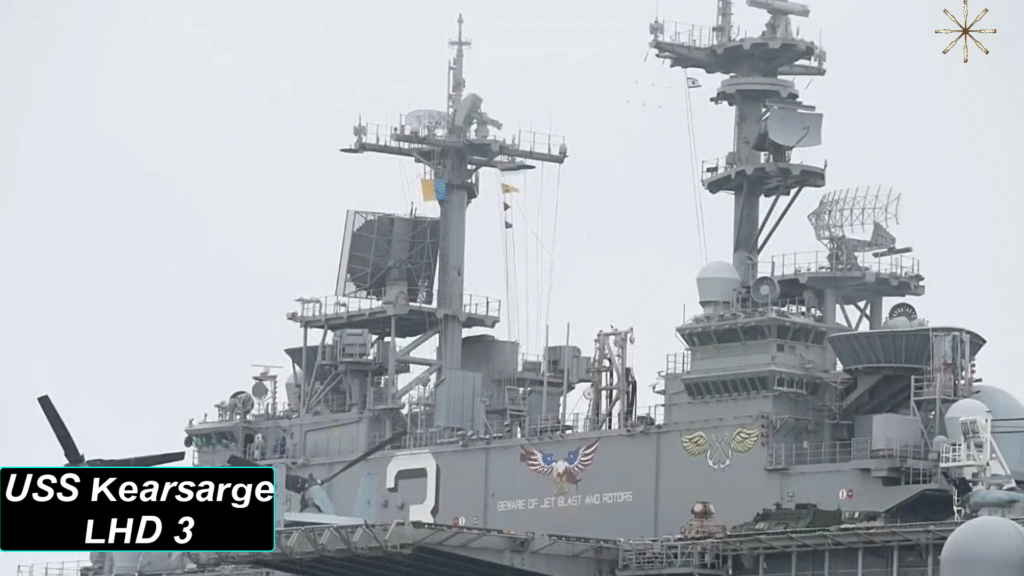
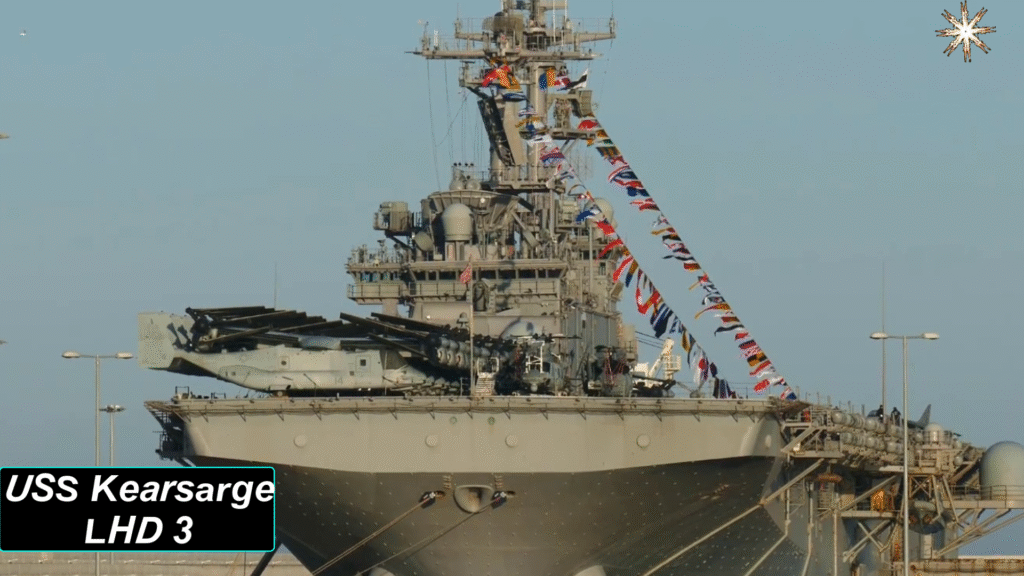
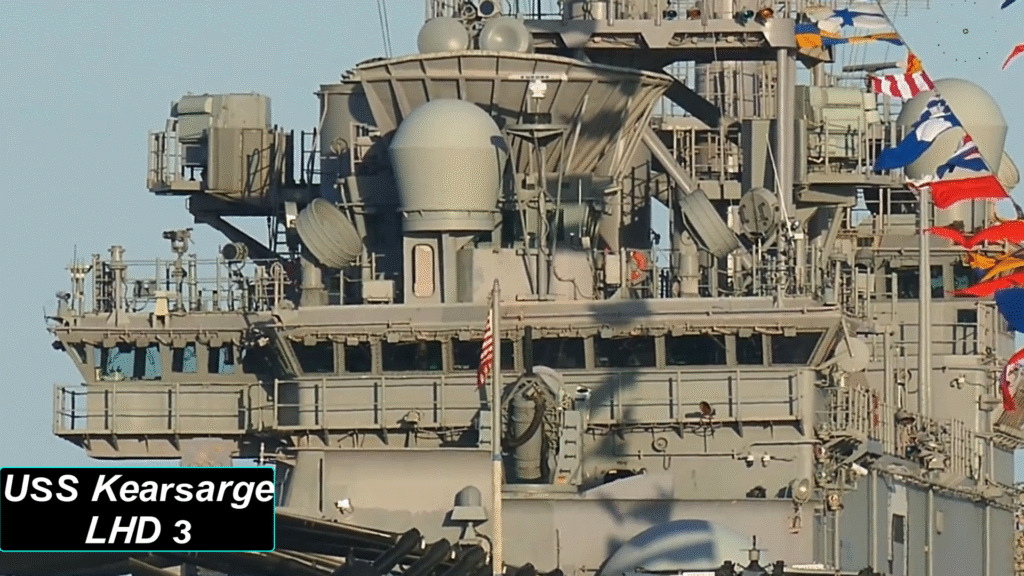
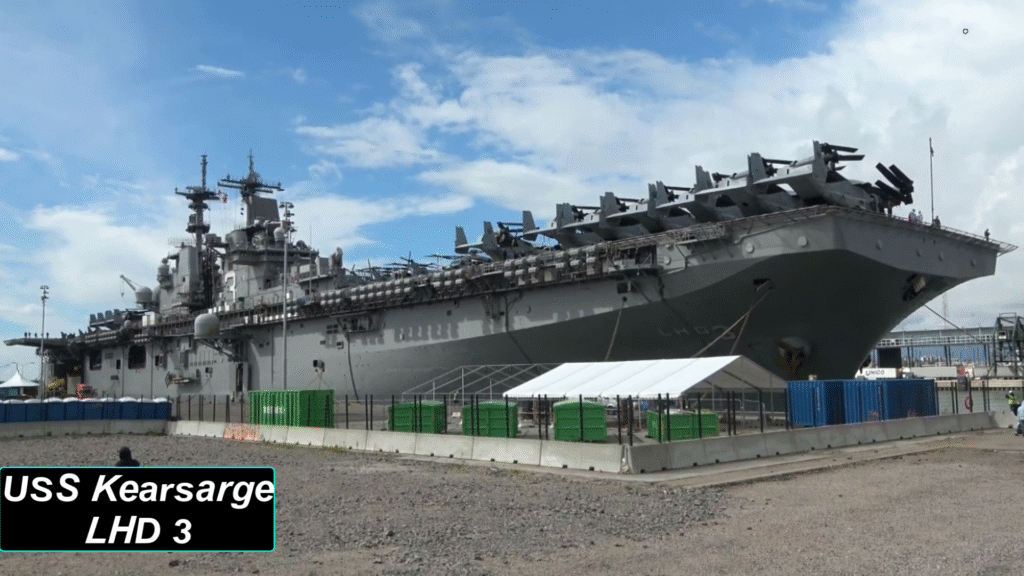
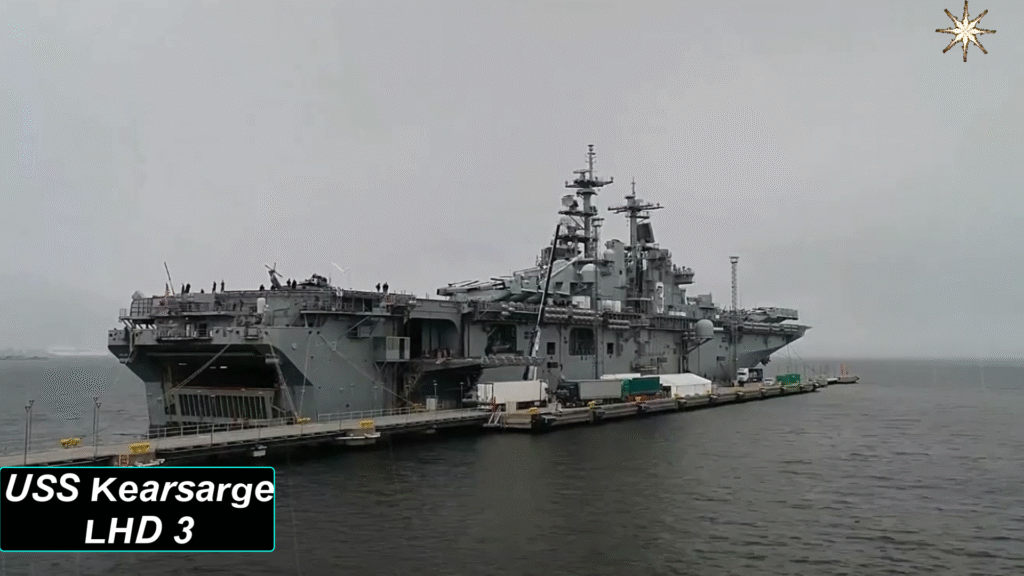
USS Kearsarge (LHD-3).
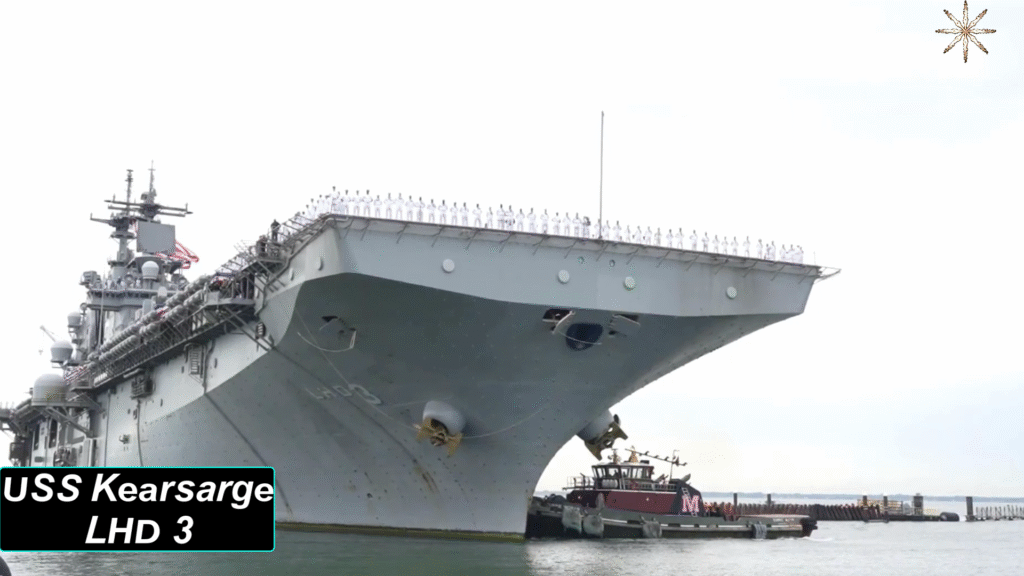
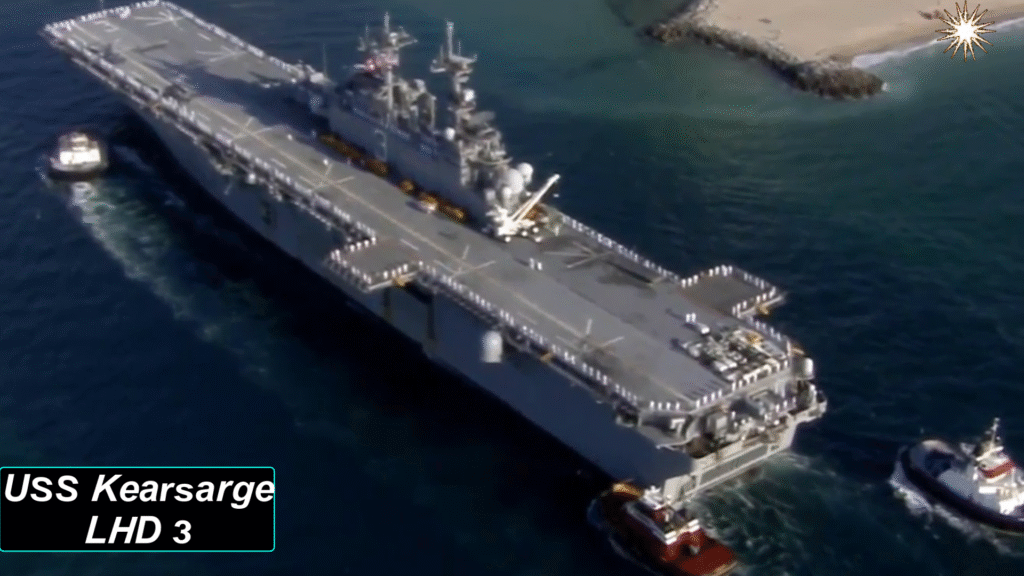
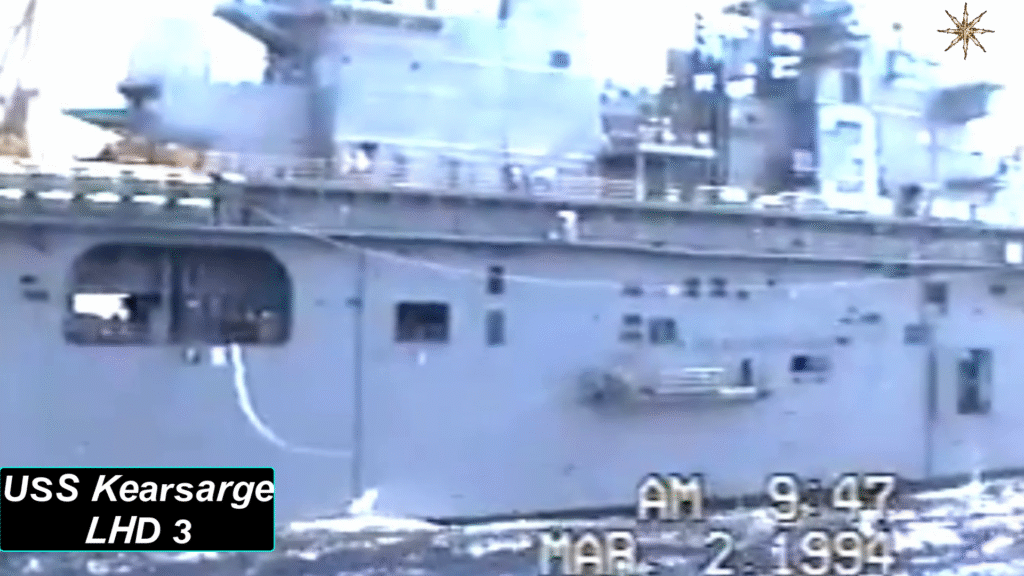
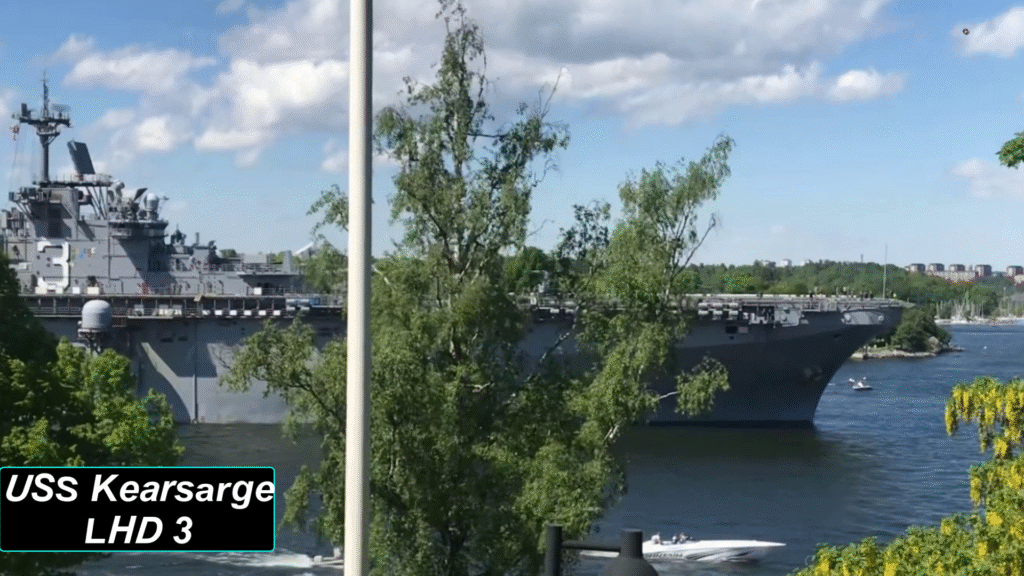
This Wasp-class beast isn’t just a ship — it’s a floating base, a mobile airport, a disaster-response platform, and a 22-knot armored Uber for the U.S. Marine Corps. Since her commissioning in 1993, Kearsarge has been everywhere: war zones, humanitarian crises, high-tempo training operations, and calm-before-the-storm standoffs where stability is measured in flight decks and diplomacy in amphibious readiness teams.
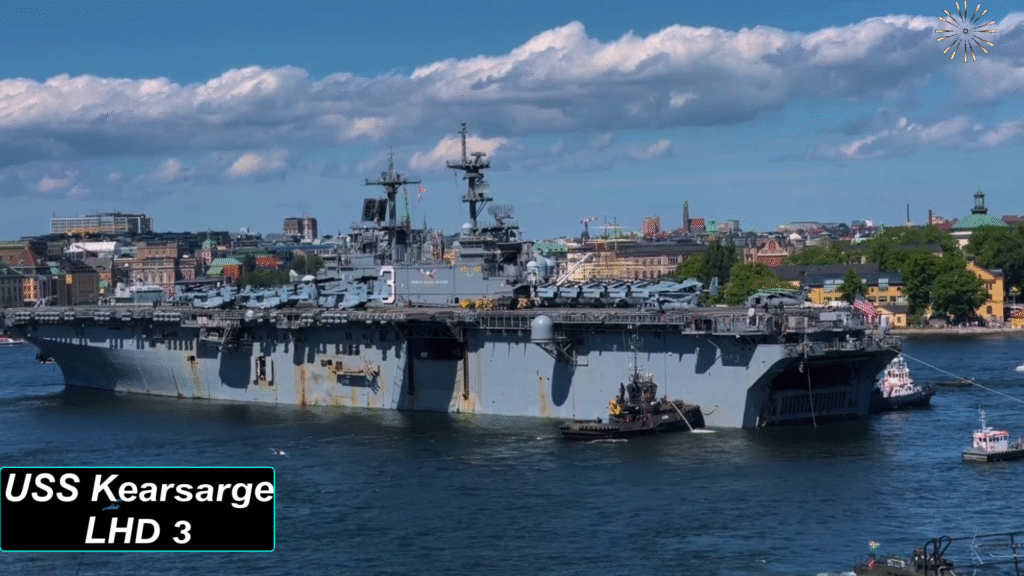
⚓ A 40,000-Ton Multitool
Unlike supercarriers optimized for air dominance, Kearsarge is designed for the messy business of real-world contingency response. Her job description looks like a checklist of 21st-century chaos:
✔ Deliver Marines—fast
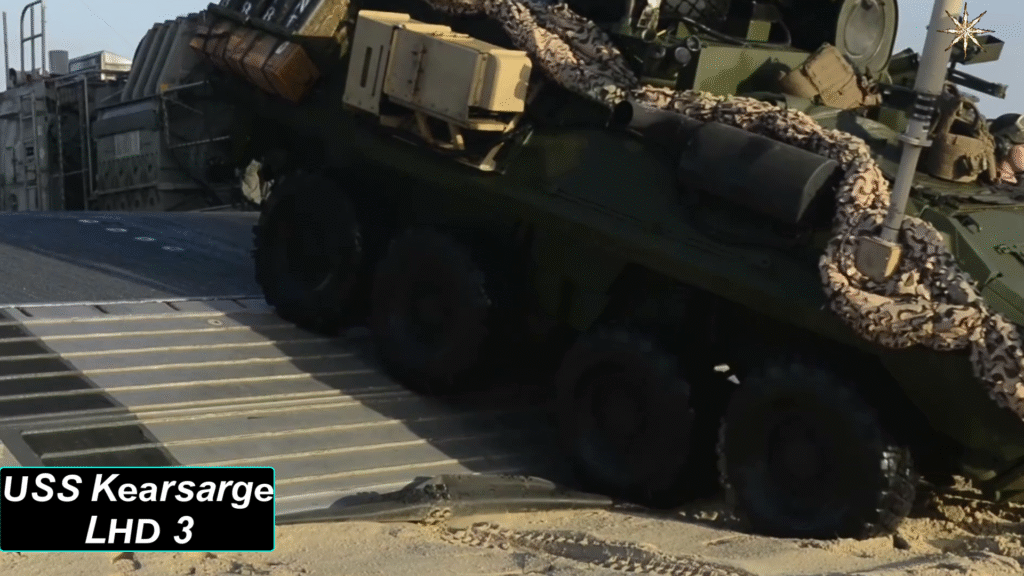
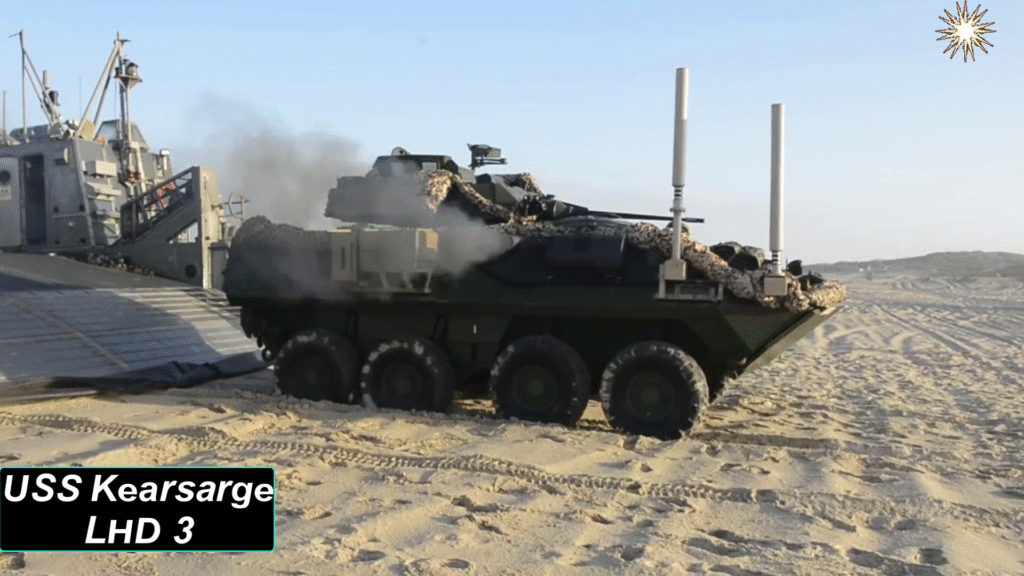
With room for 1,800+ Marines, armored vehicles, and the landing craft to put them ashore, Kearsarge is built to hit the beach or stage forces just offshore.


✔ Launch helicopters and jump jets
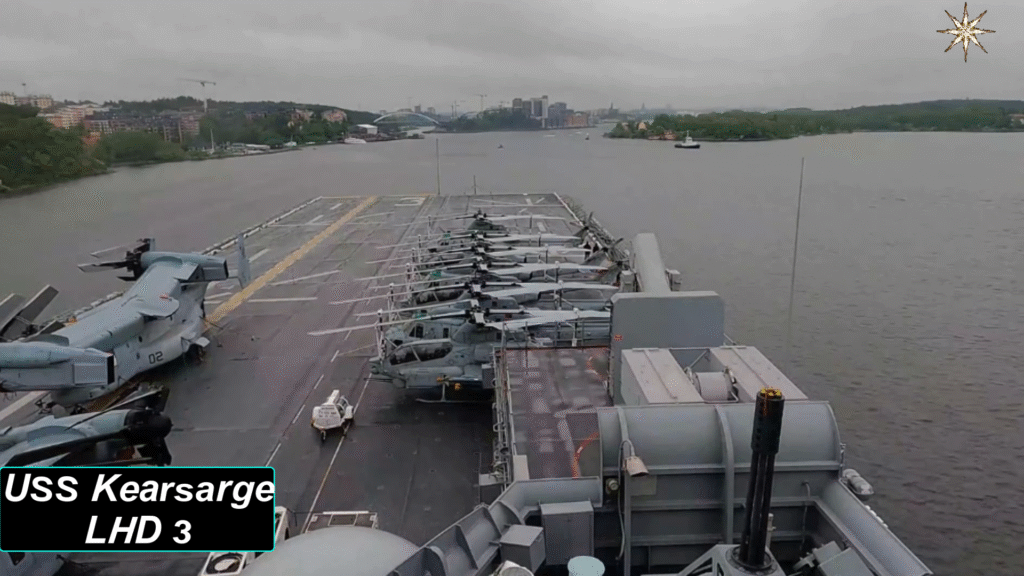
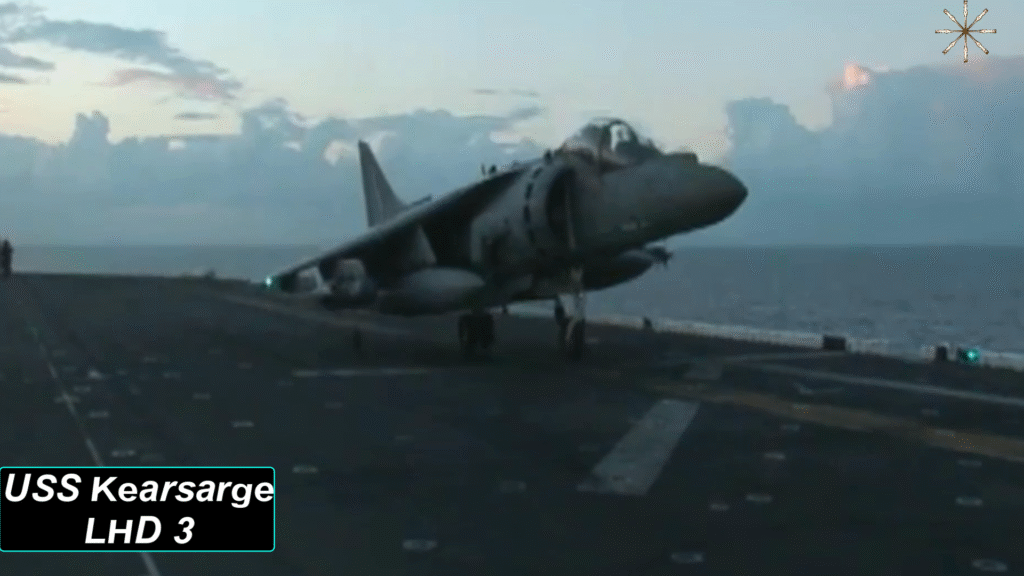
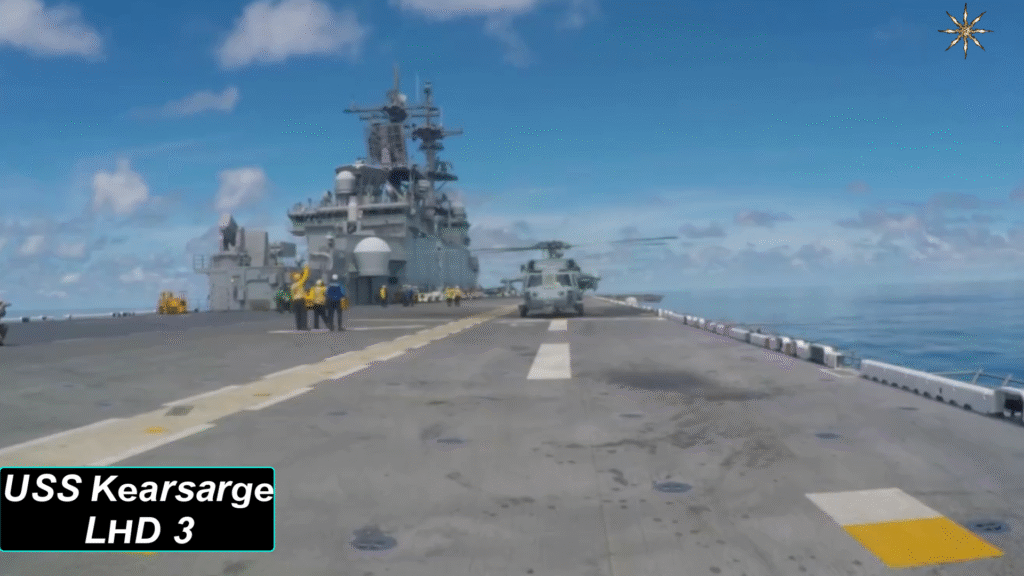
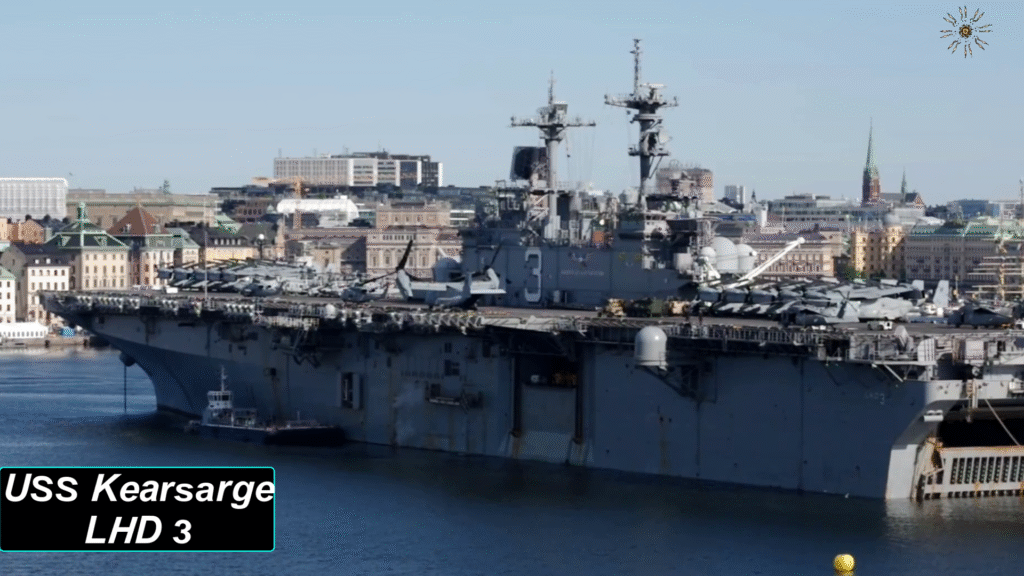
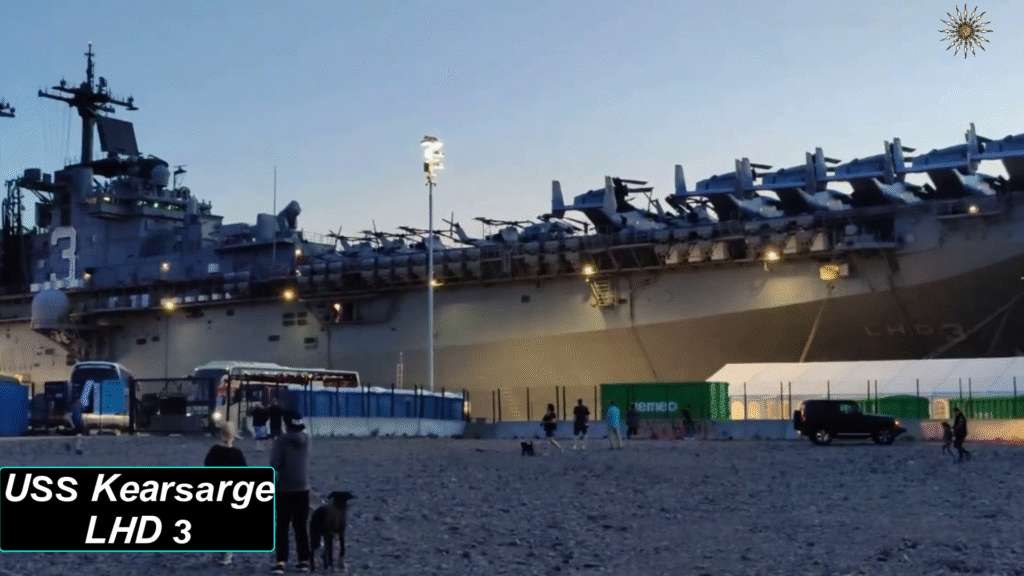
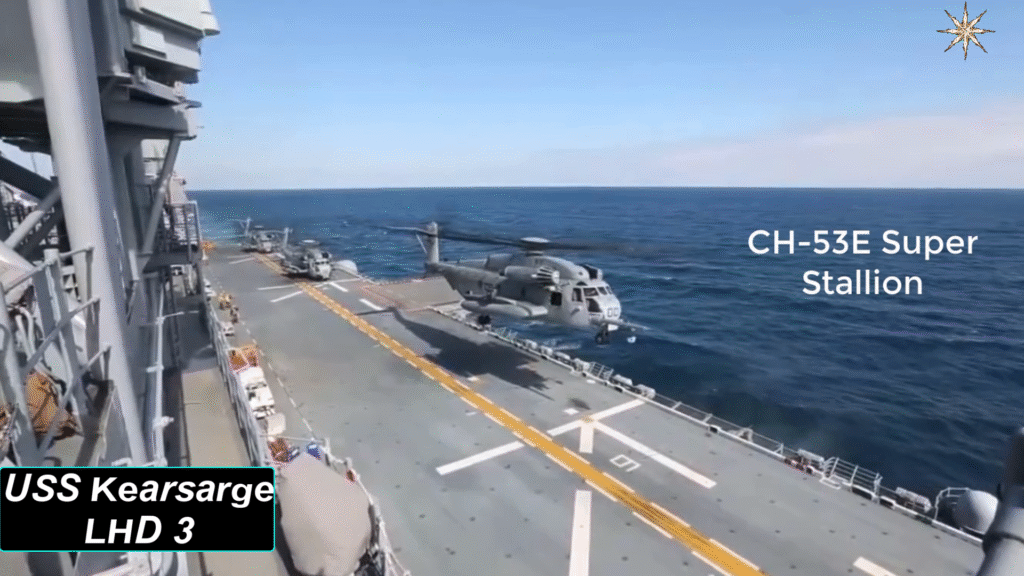
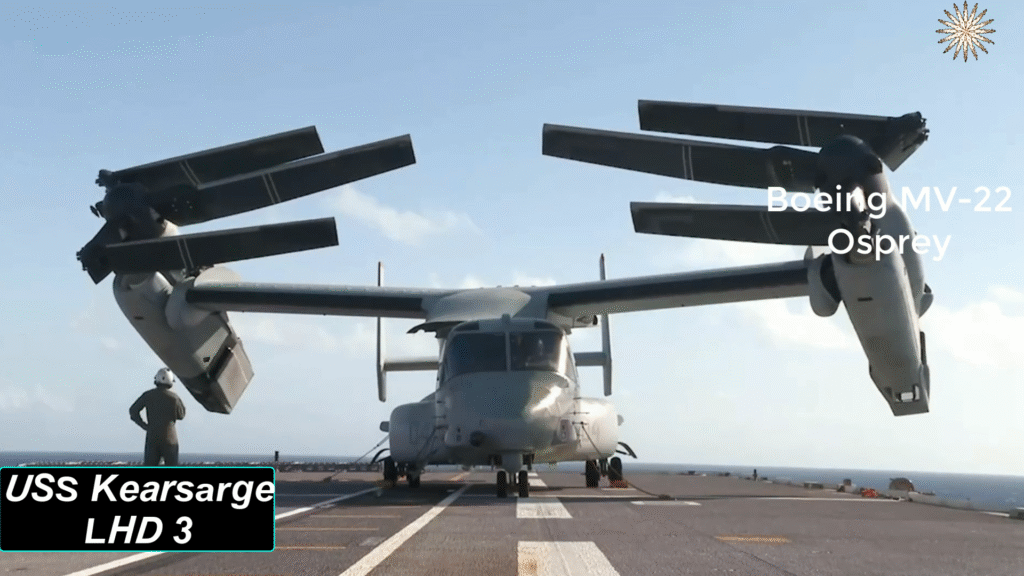
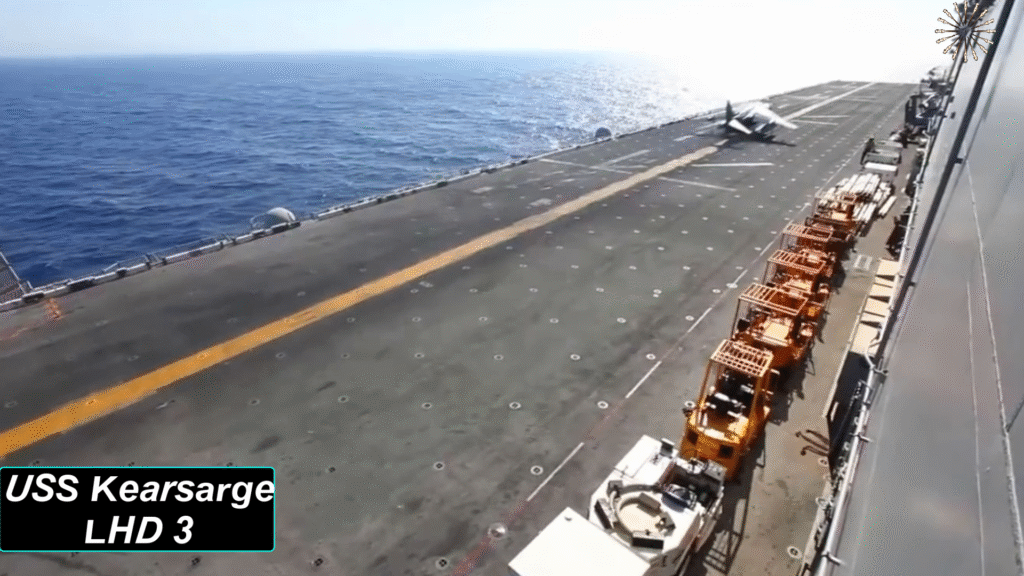
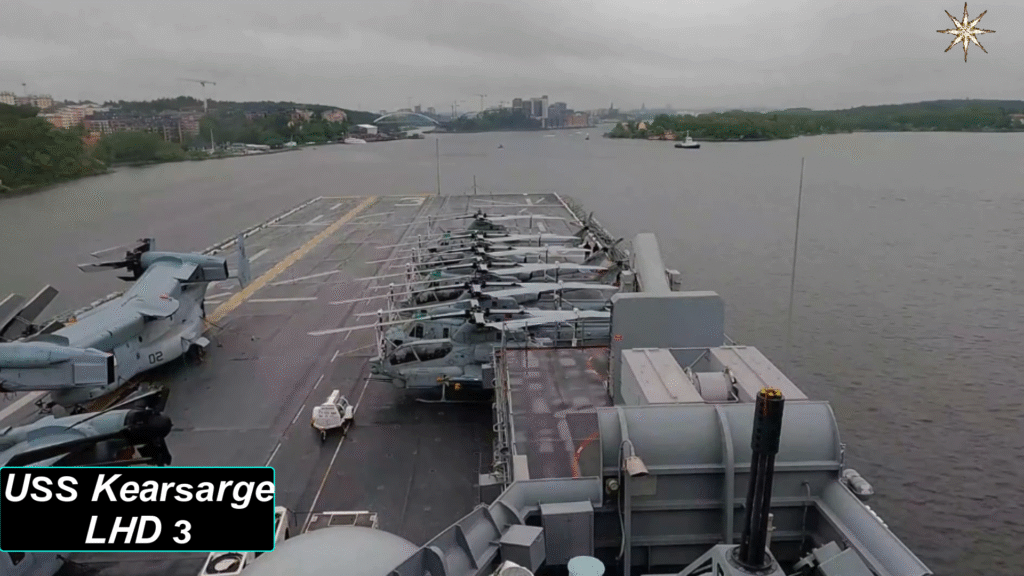
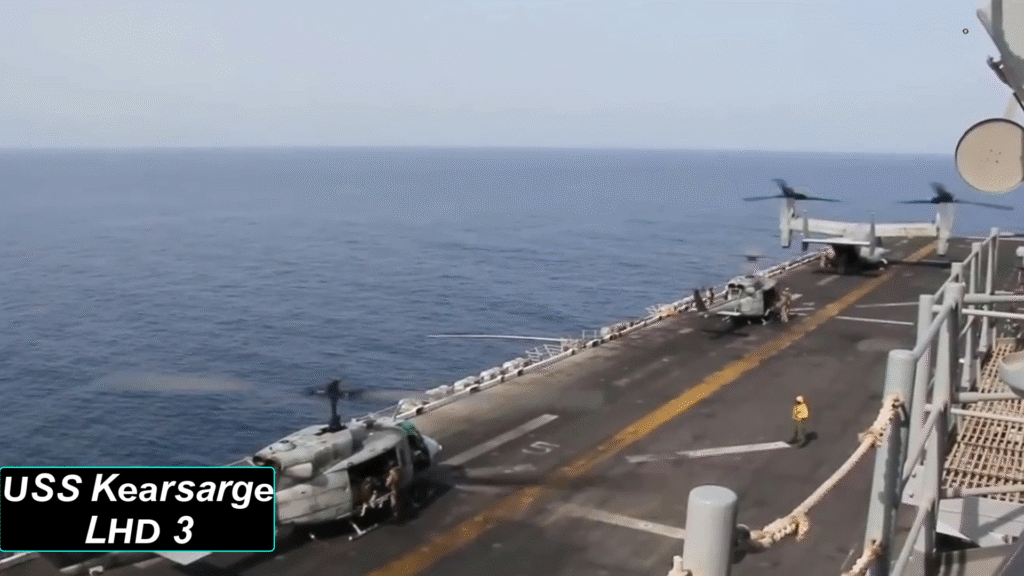
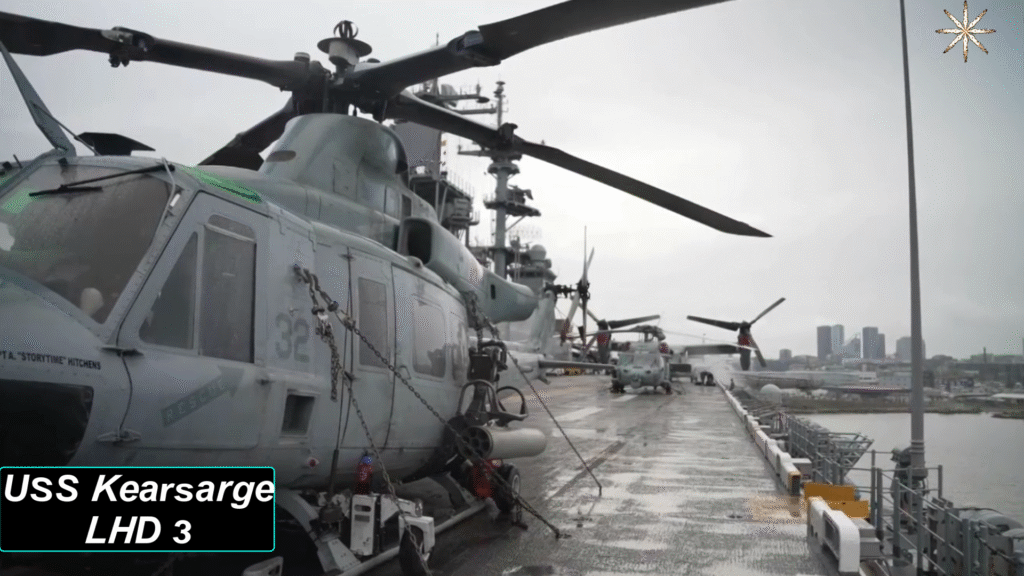
Her flight deck supports CH-53s, MV-22 Ospreys, and AV-8B Harriers. If it hovers, tilts, folds, or blasts off vertically, Kearsarge can fly it.
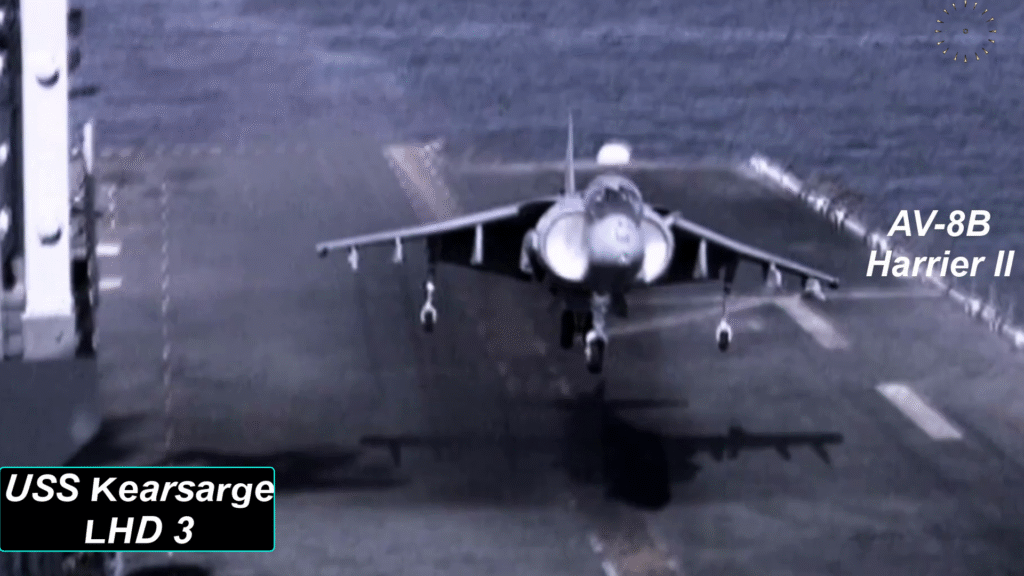
✔ Run humanitarian missions
She’s been front-and-center during evacuations, disaster relief efforts, and mass rescue operations. When people need help now, amphibious ships get the call.
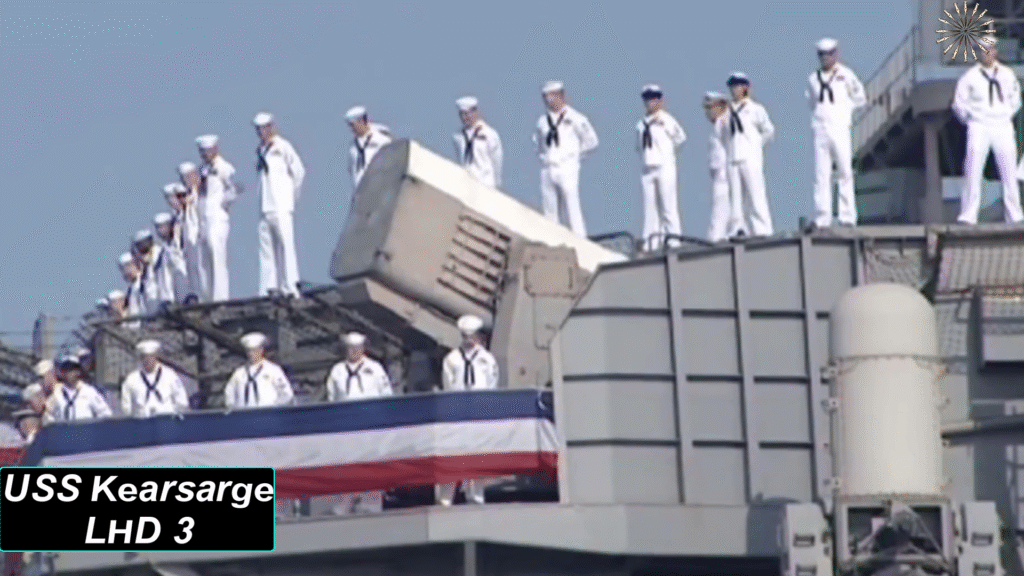
✔ Act as a command-and-control nerve center
Inside is a self-contained communications world: operations centers, medical facilities, and coordination suites big enough to run a small city.
It’s no exaggeration: LHD-3 can show up anywhere on Earth and instantly become the most capable facility within hundreds of miles.

🌍 A Deployment Portfolio that Reads Like a World Crisis Map
Kearsarge has always been front-row at history:
- Bosnia, 1995 — early test of her rapid-response muscle.
- Sierra Leone, 1997 — noncombatant evacuation in a volatile zone.
- Middle East, early 2000s — a key presence during early stages of the Global War on Terror.
- Countless humanitarian missions — from medical aid to disaster support.
Where chaos breaks out, a Wasp-class ship shows up.
Where a Wasp-class ship shows up, Kearsarge often leads.
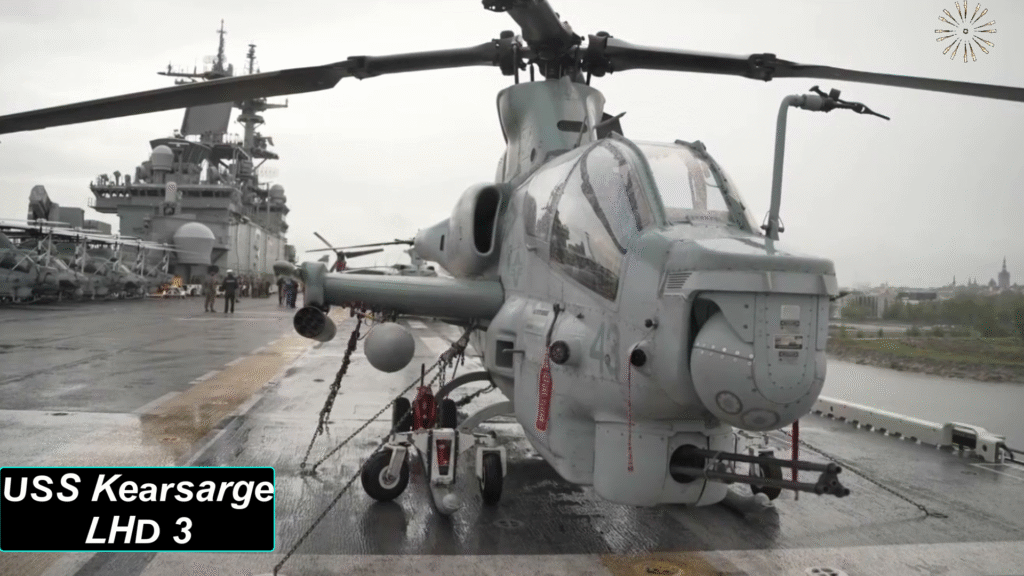
🚁 Inside the Machine
Think of Kearsarge as a mobile hub of controlled power.
🛩 The Flight Deck
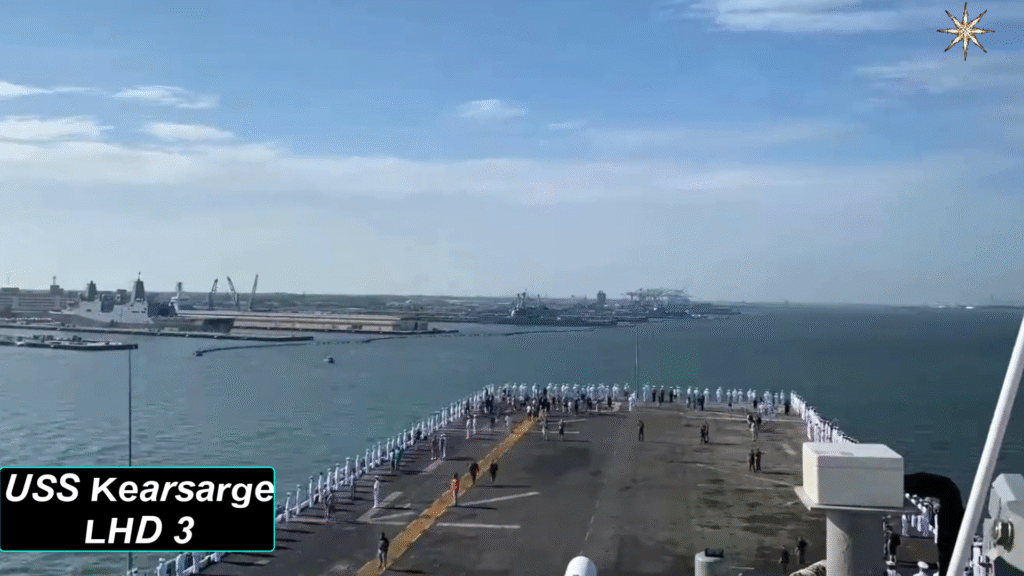
Big enough for multiple Osprey and helicopter ops simultaneously — the ship’s “sky garage.”

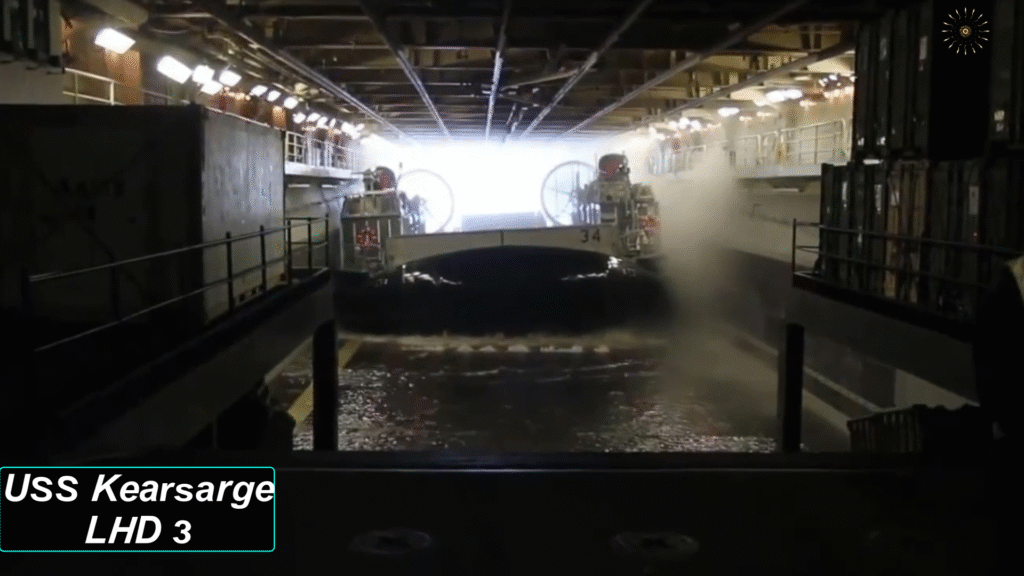
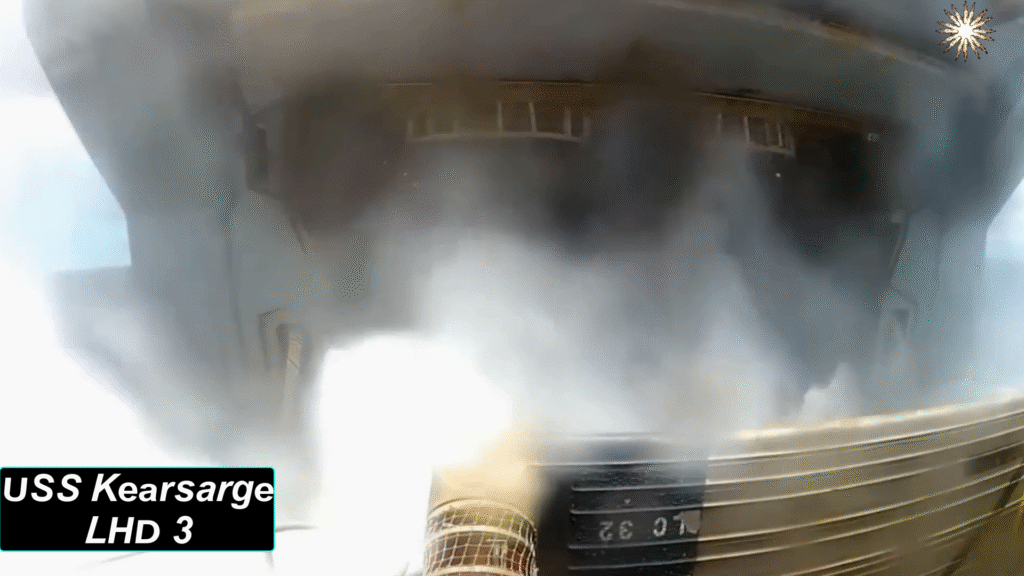
🌊 The Well Deck
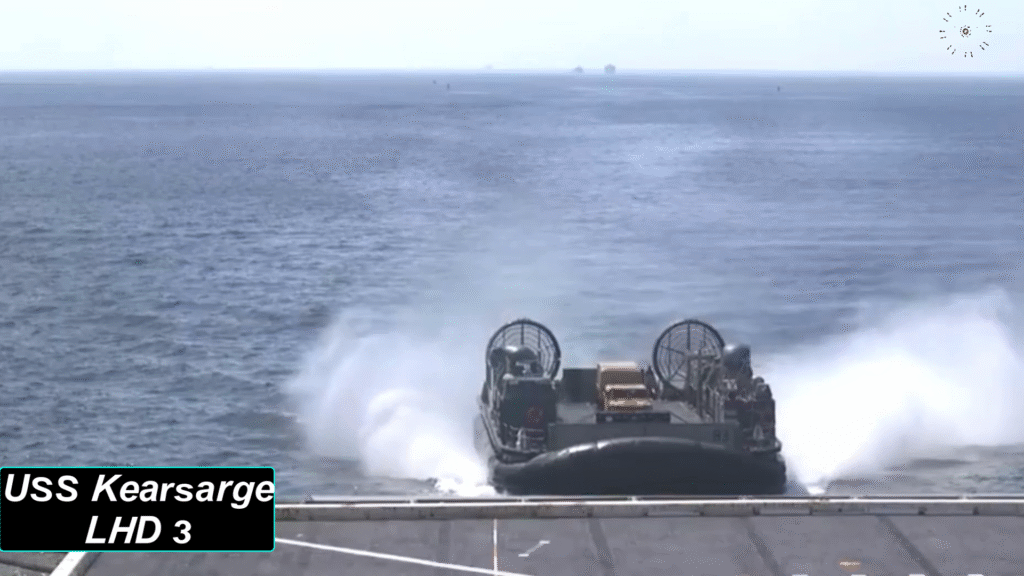
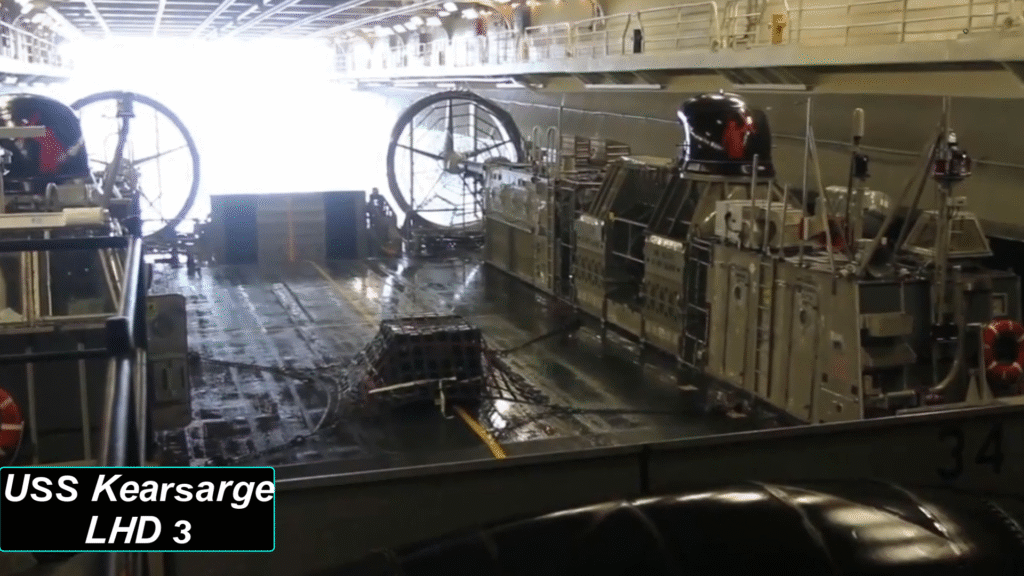
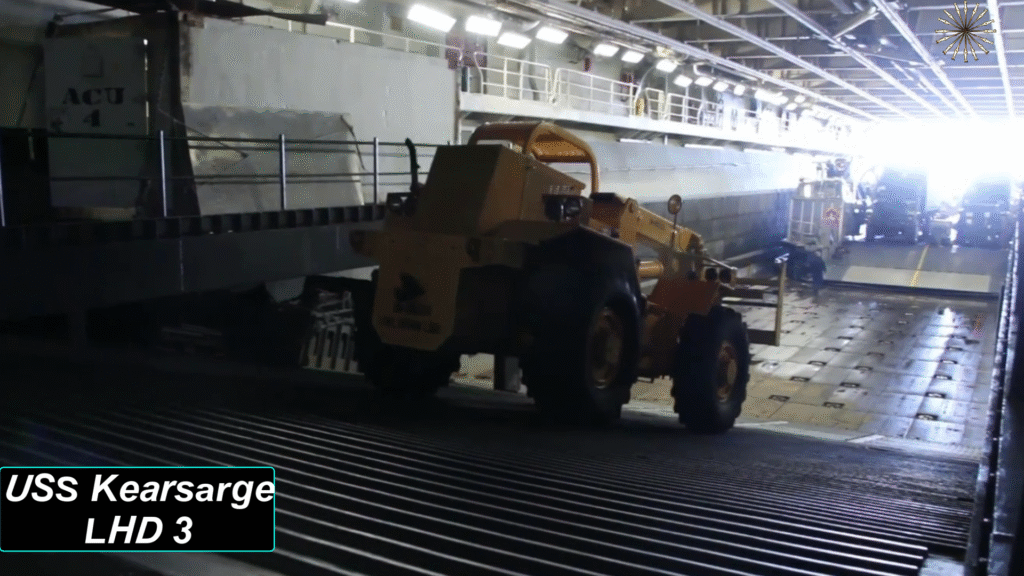
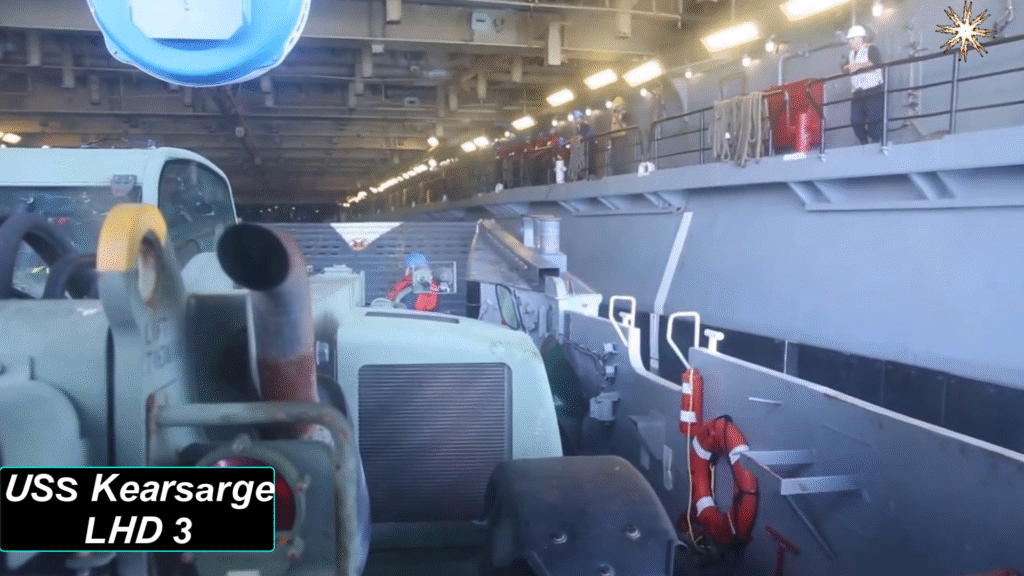
A cavernous, floodable launch bay where LCAC hovercraft roar in and out carrying tanks, vehicles, and gear.

🏥 Full Hospital Capabilities
Operating rooms. ICUs. Dental suites. Enough capacity to support thousands during crises.
🛰 Communications & Command
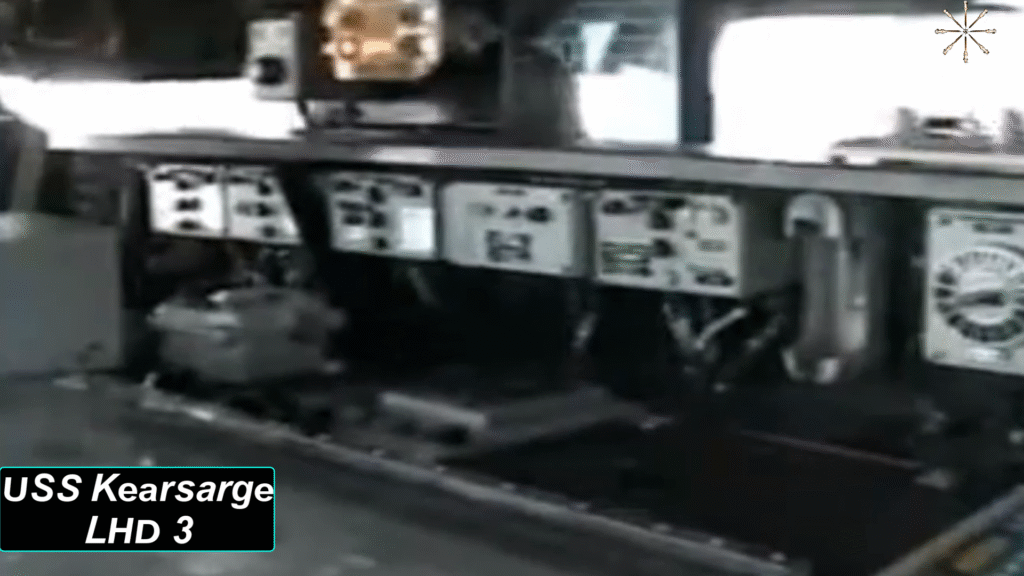
If you walked into her Combat Information Center, you’d think you just crashed a sci-fi movie set. Screens, sensors, encrypted networks — all built to keep commanders fully wired in.
💥 More Than Steel — A Symbol
For sailors and Marines who’ve deployed on her, Kearsarge is more than a ship; she’s a home, a workspace, and occasionally a lifeline. Crews talk about her like a trusted old warrior: capable, rugged, and reliable even when the world isn’t.
And while newer amphibious ships and future hybrid designs are already on drawing boards, Kearsarge continues to show why the Wasp class has lasted so long:
she’s flexible, tough, and built for uncertainty.

🔮 The Future of Kearsarge
With geopolitical hotspots multiplying and humanitarian crises becoming more frequent, ships like Kearsarge are more valuable than ever. She can project force one month, deliver medical care the next, and airlift refugees days later.
In a world that refuses to sit still, USS Kearsarge remains the steady, steel-hulled answer to unpredictability.