
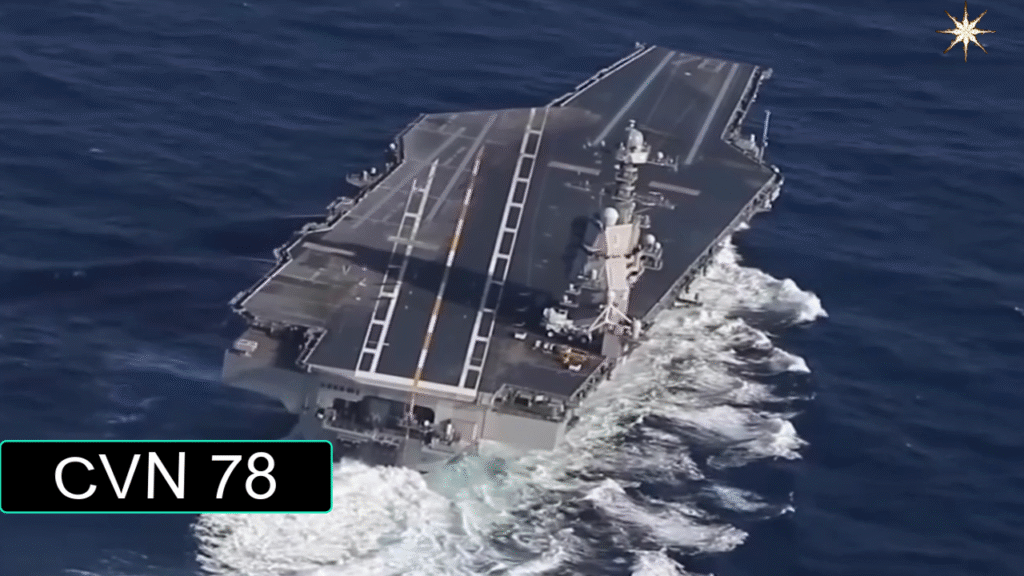
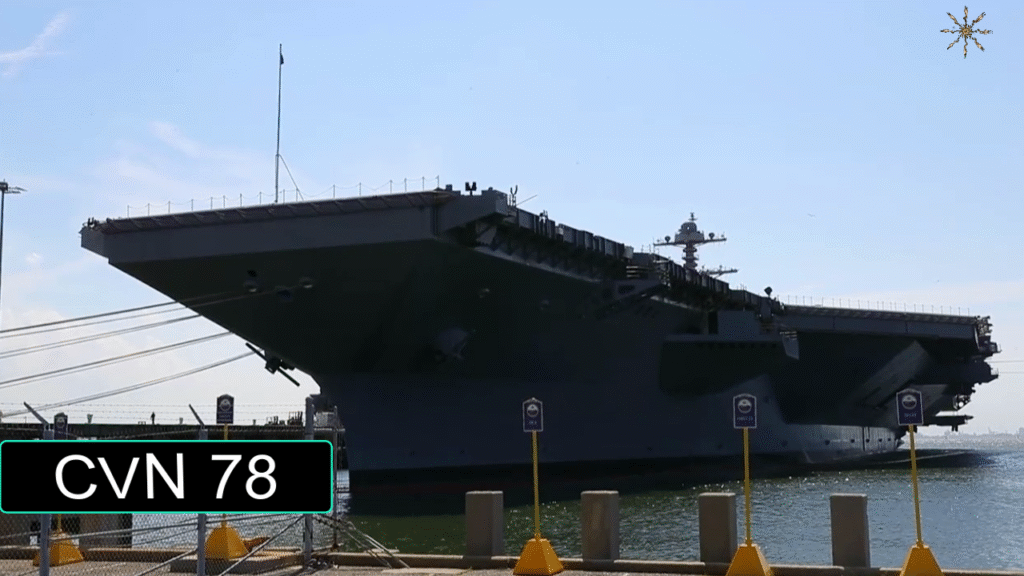
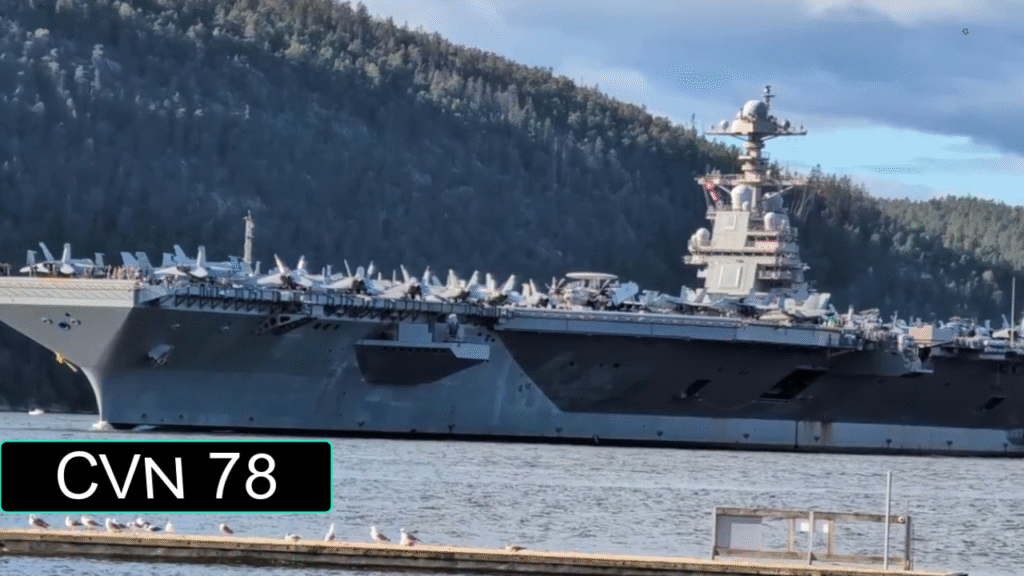
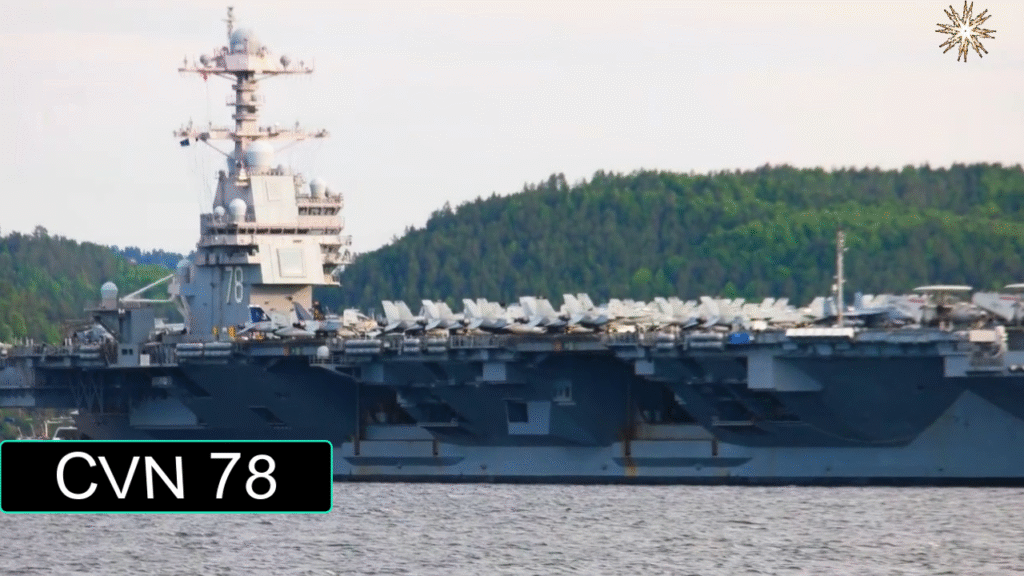
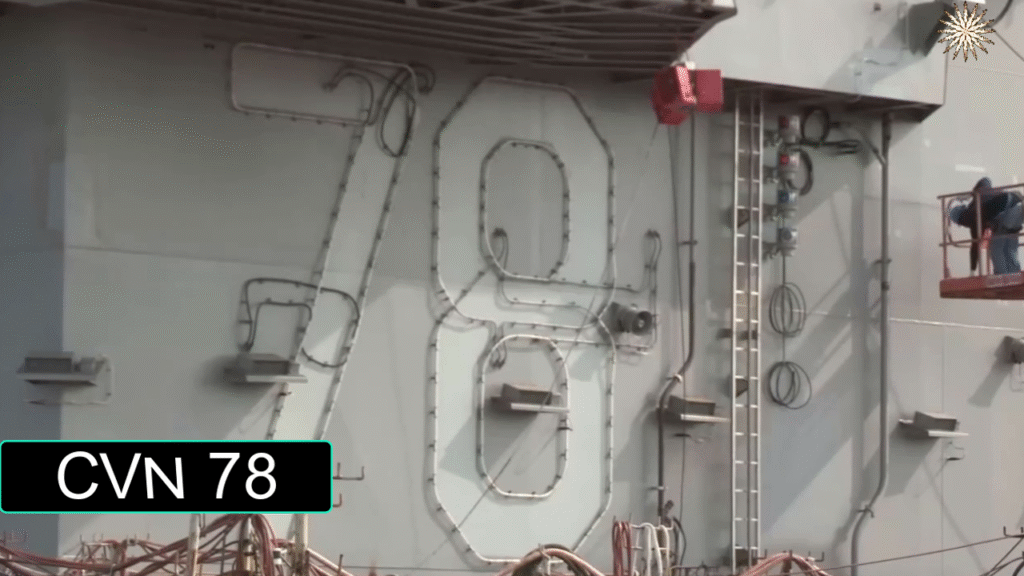
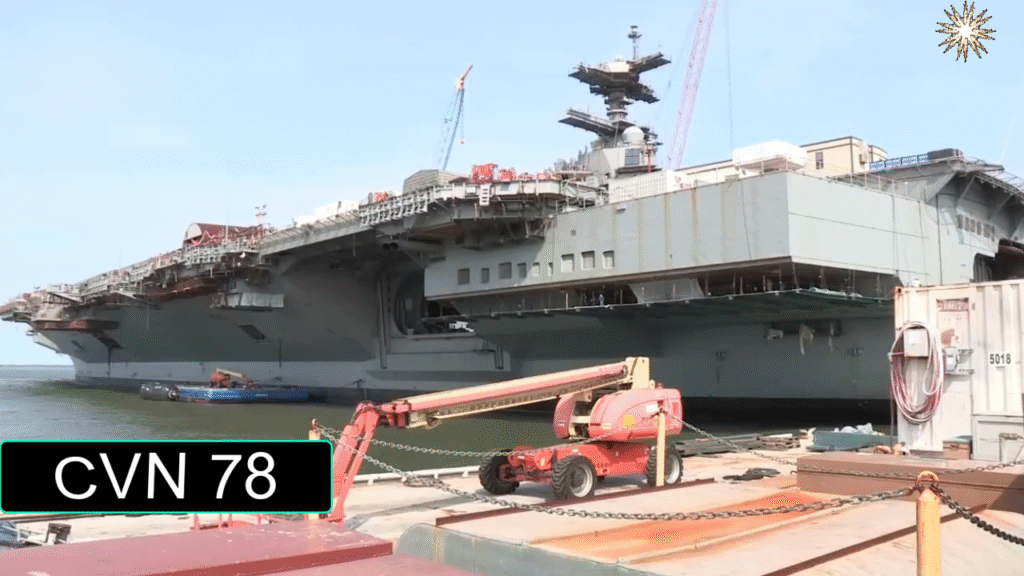
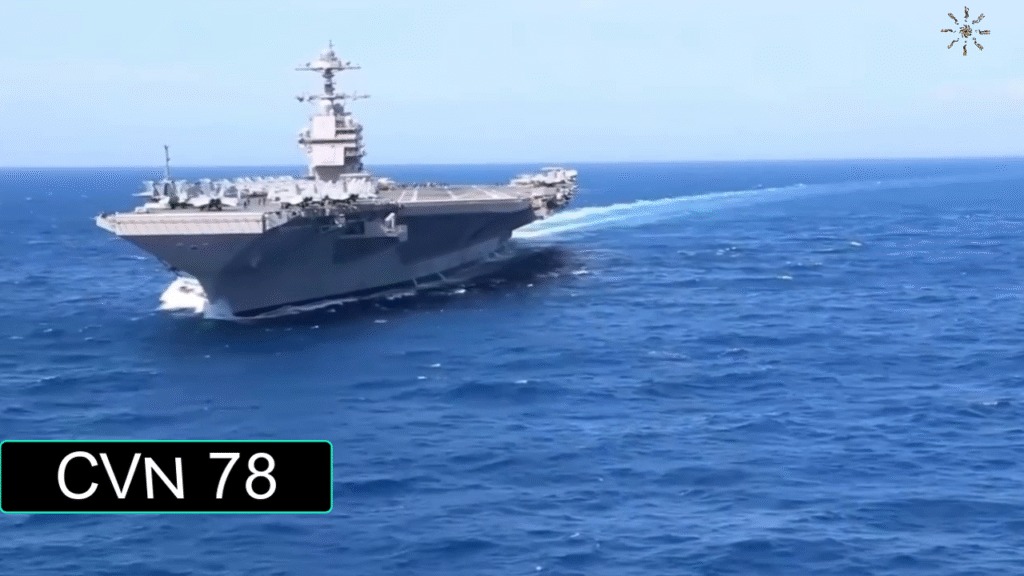
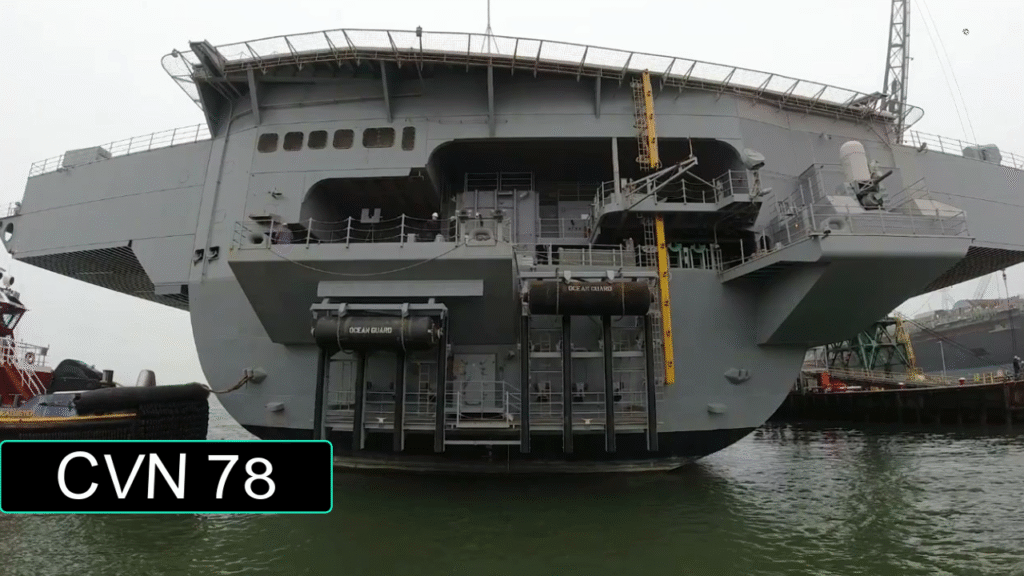
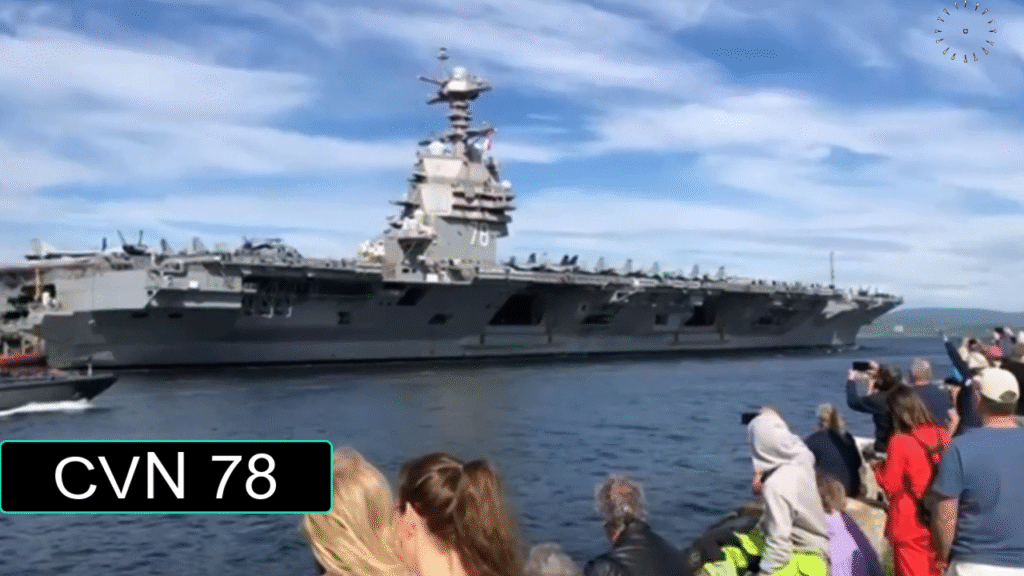
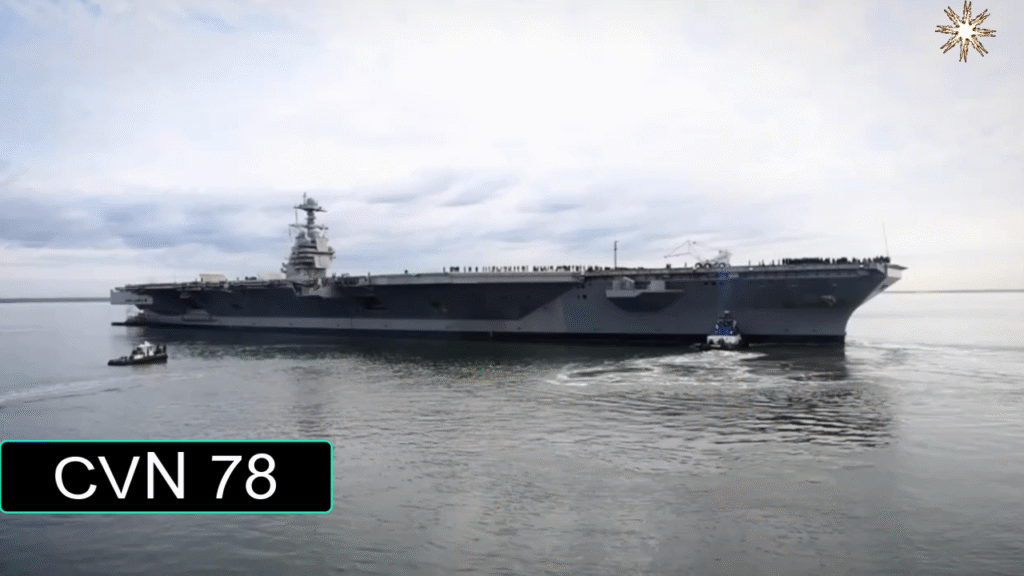
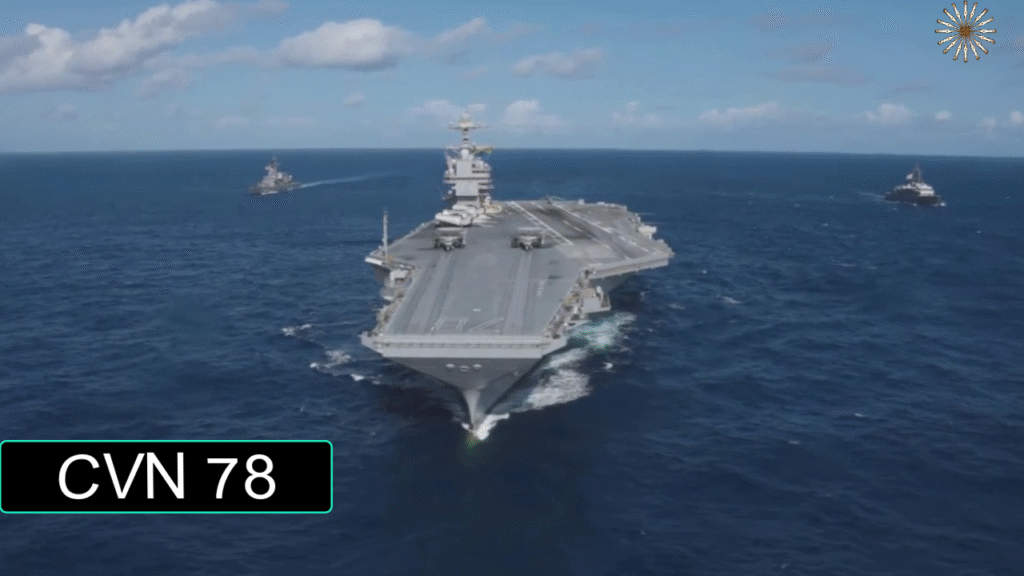
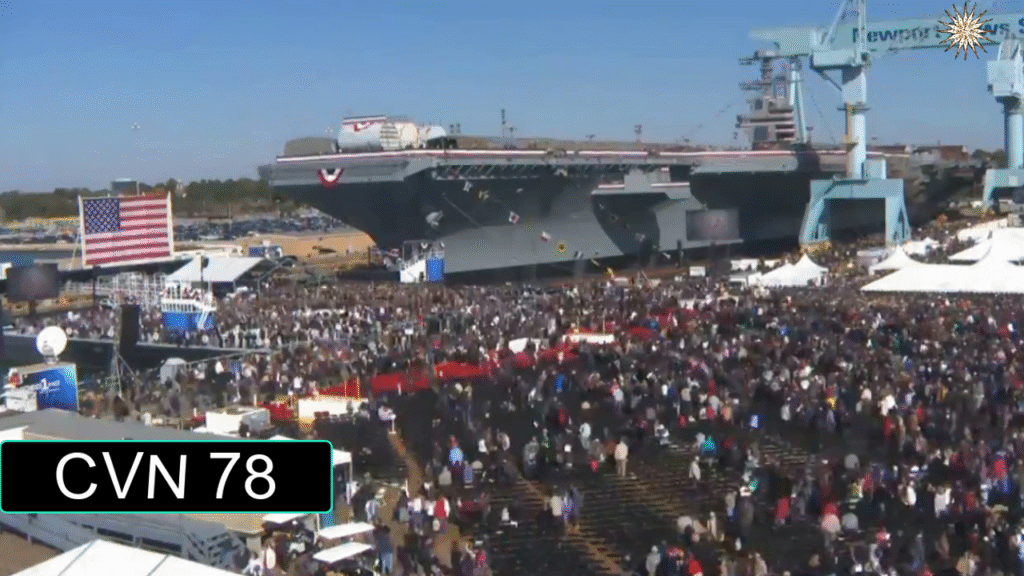
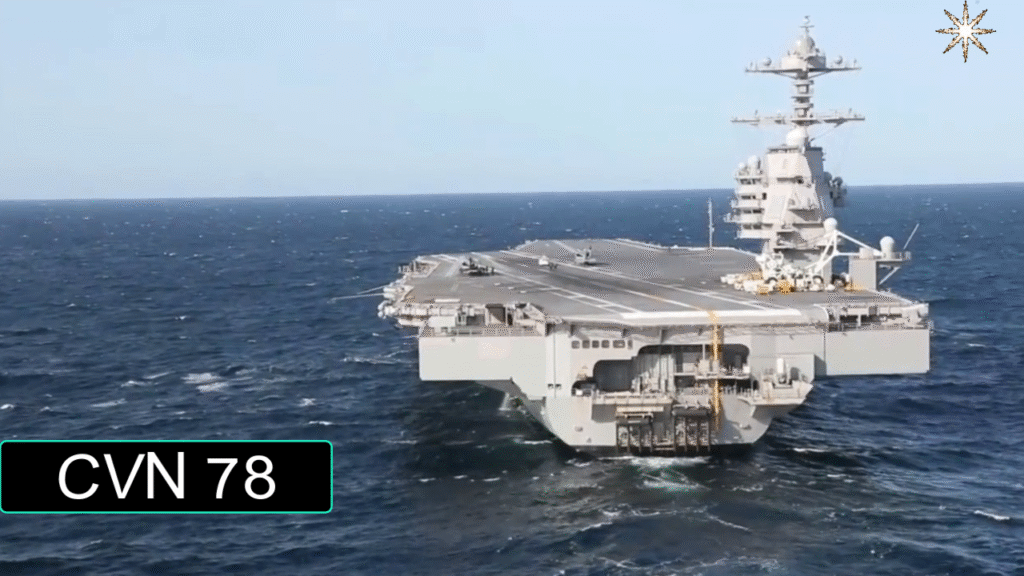
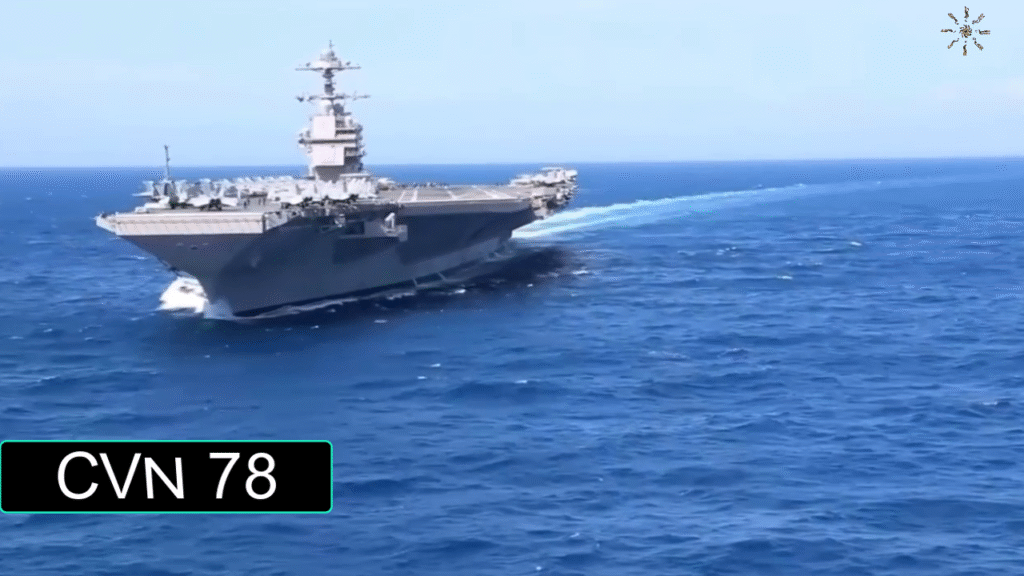
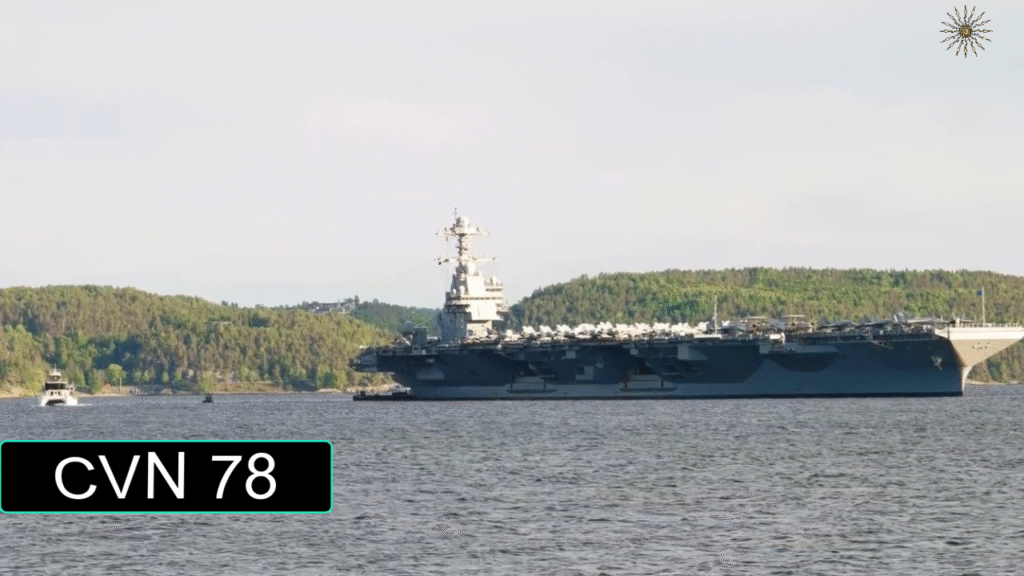
The USS Gerald R. Ford (CVN-78) stands as the symbol of a new era in naval aviation. As the lead ship of the Gerald R. Ford–class aircraft carriers, it represents the most advanced and powerful warship ever built for the United States Navy. Designed to replace the aging Nimitz-class carriers, the Ford-class integrates cutting-edge technology, enhanced efficiency, and future-ready systems that redefine what an aircraft carrier can do in the 21st century.
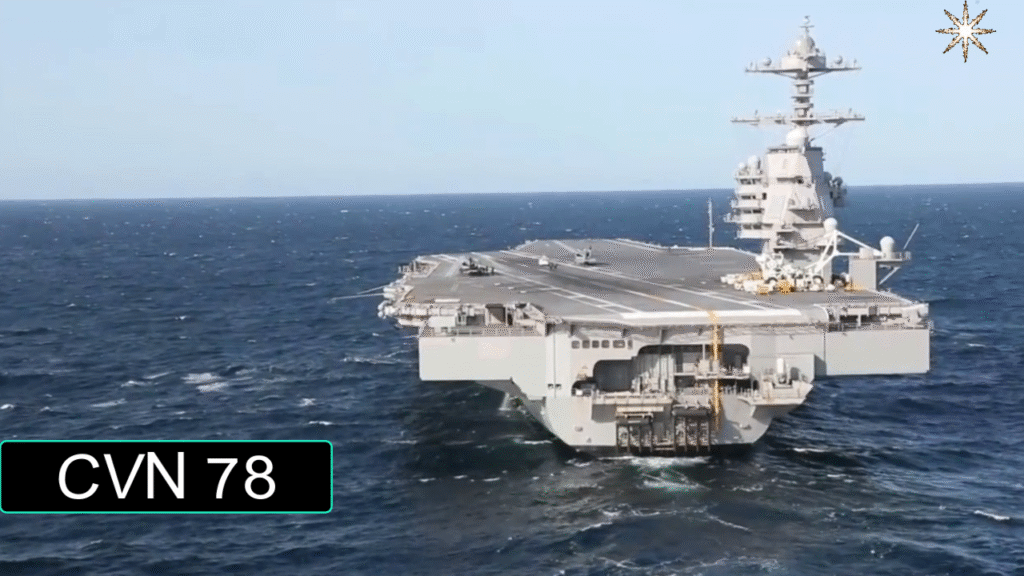
⚓ Basic Information
- Name: USS Gerald R. Ford
- Hull Number: CVN-78
- Class and Type: Gerald R. Ford–class aircraft carrier
- Builder: Huntington Ingalls Industries, Newport News Shipbuilding (Virginia, USA)
- Commissioned: July 22, 2017
- Homeport: Norfolk, Virginia
- Displacement: ~100,000 tons (full load)
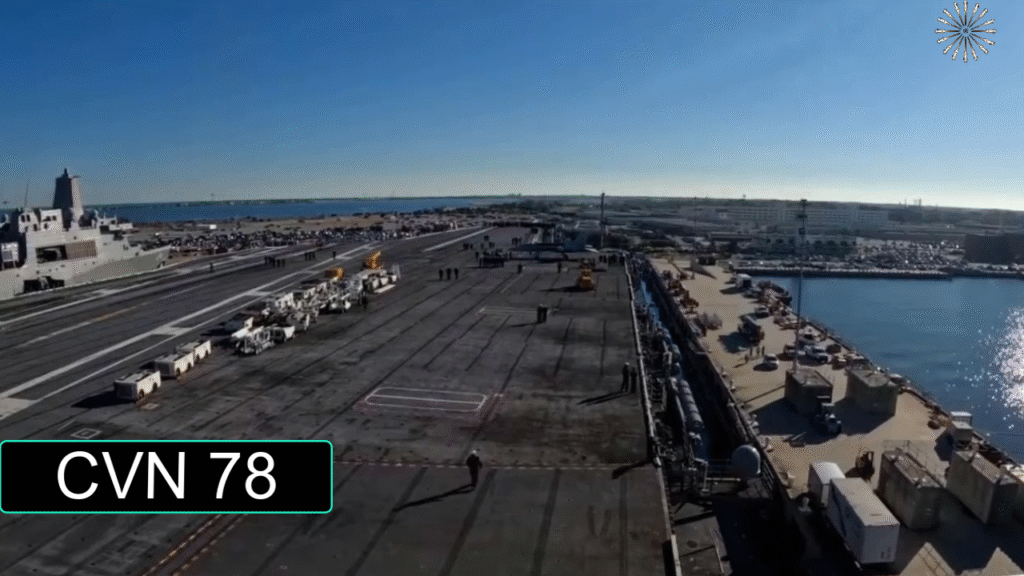
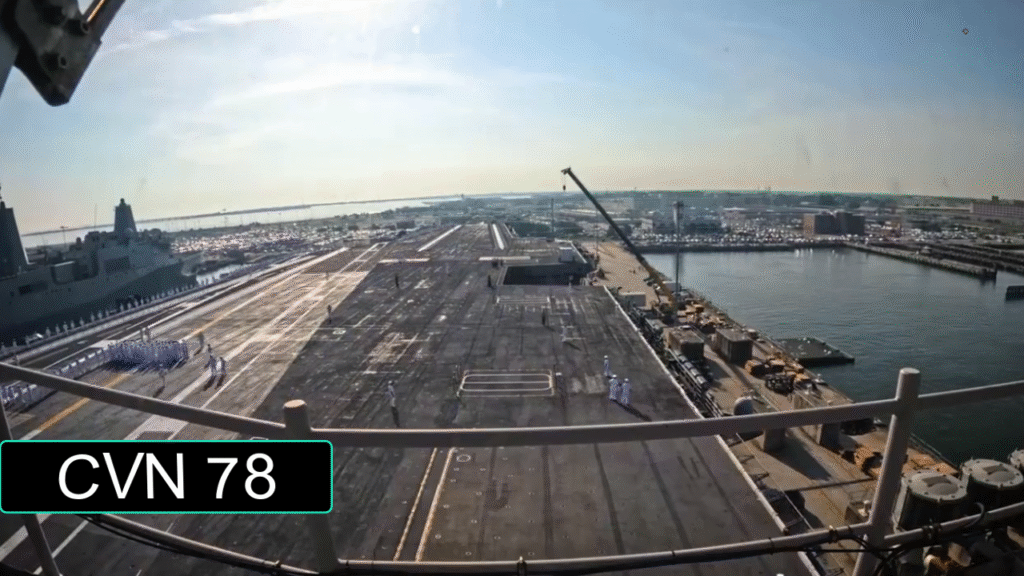
- Length: ~1,106 feet (337 m)
- Beam: ~256 feet (78 m) flight deck width
- Speed: 30+ knots (exact speed classified)
- Crew: Around 2,600 ship’s company + 2,480 air wing personnel
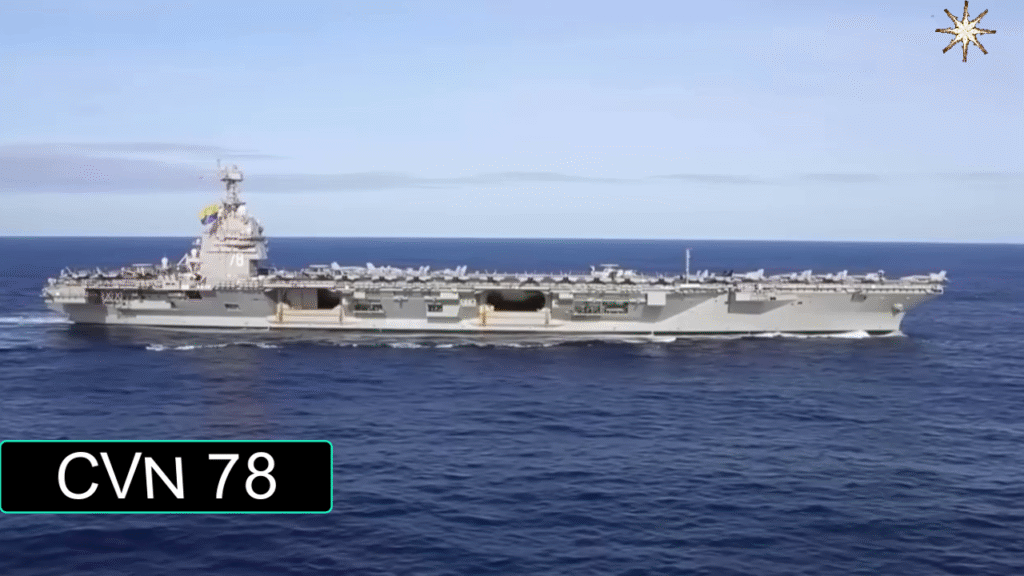
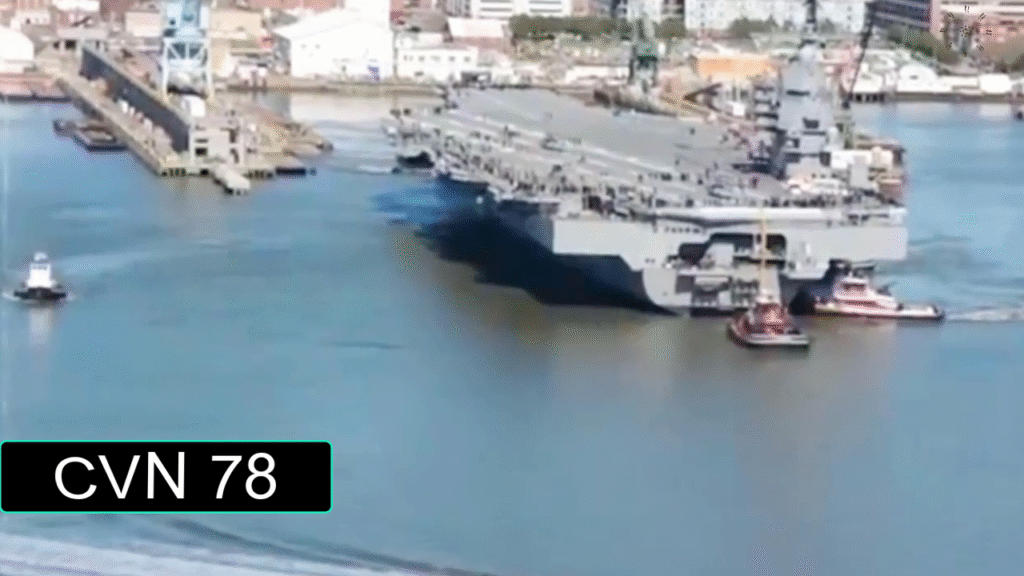
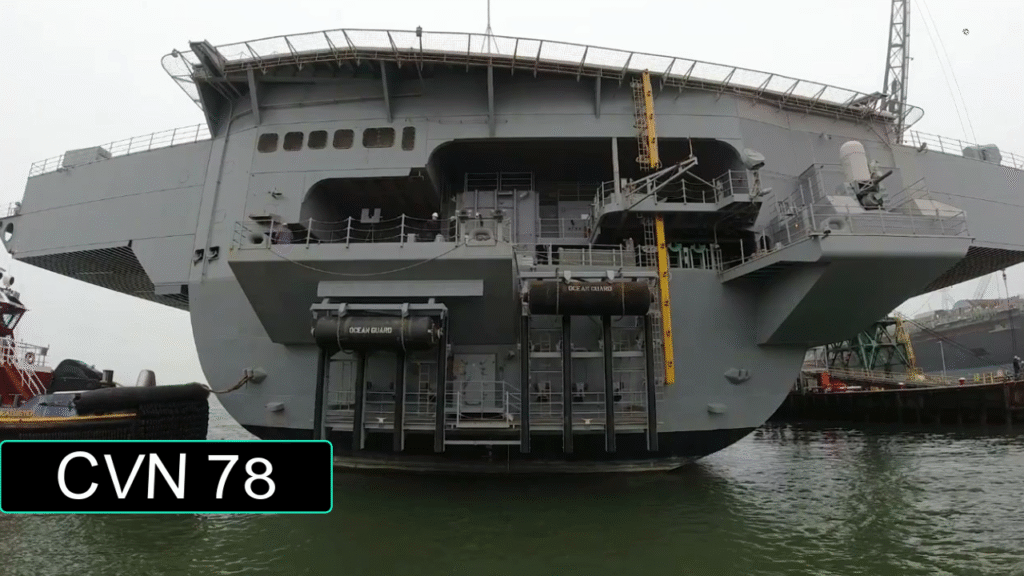
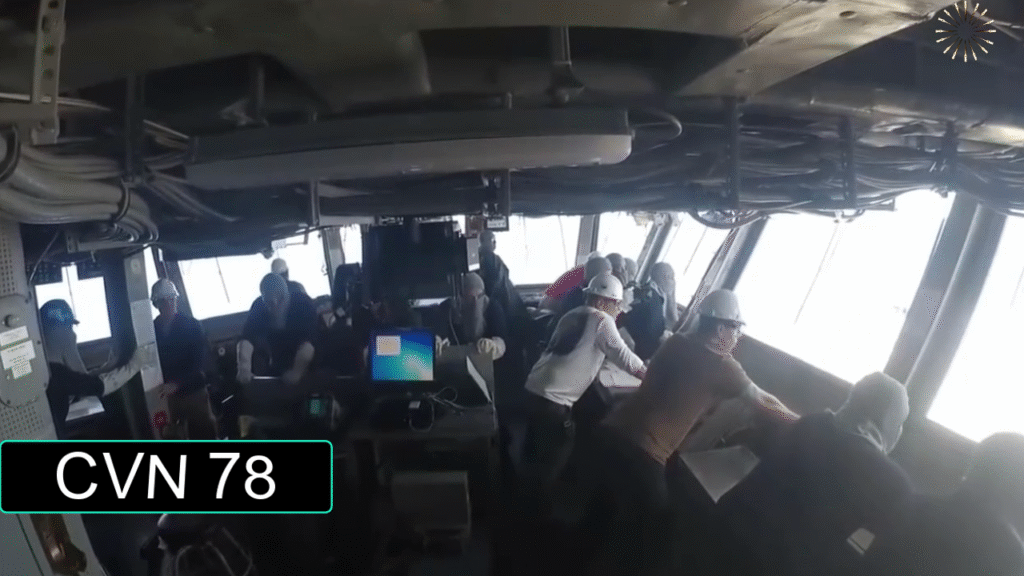
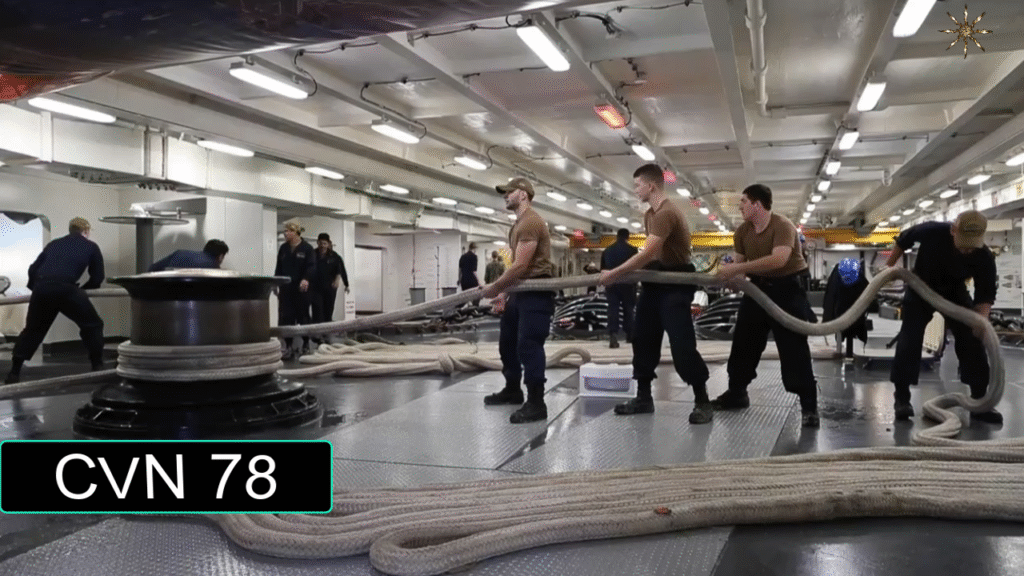
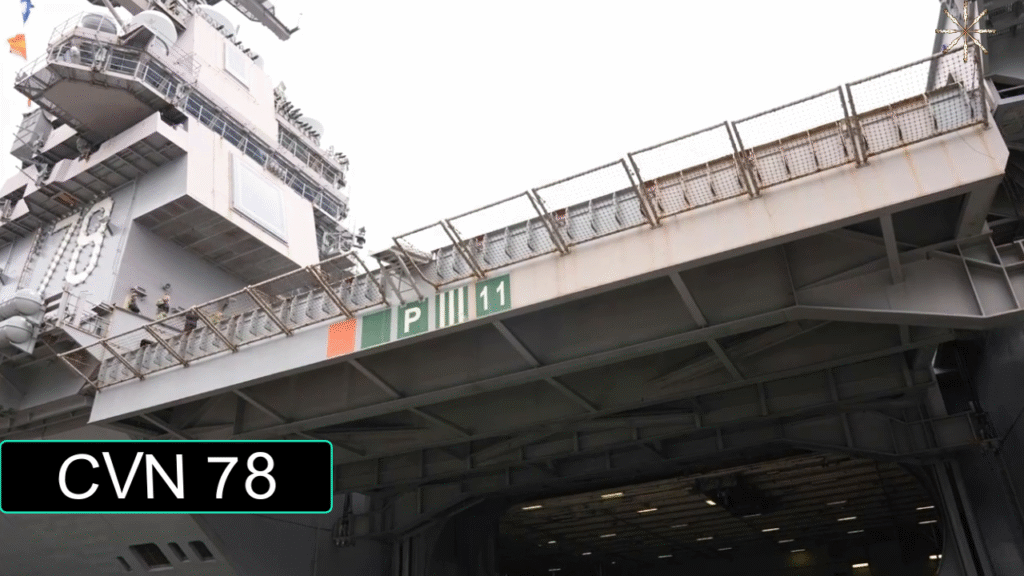
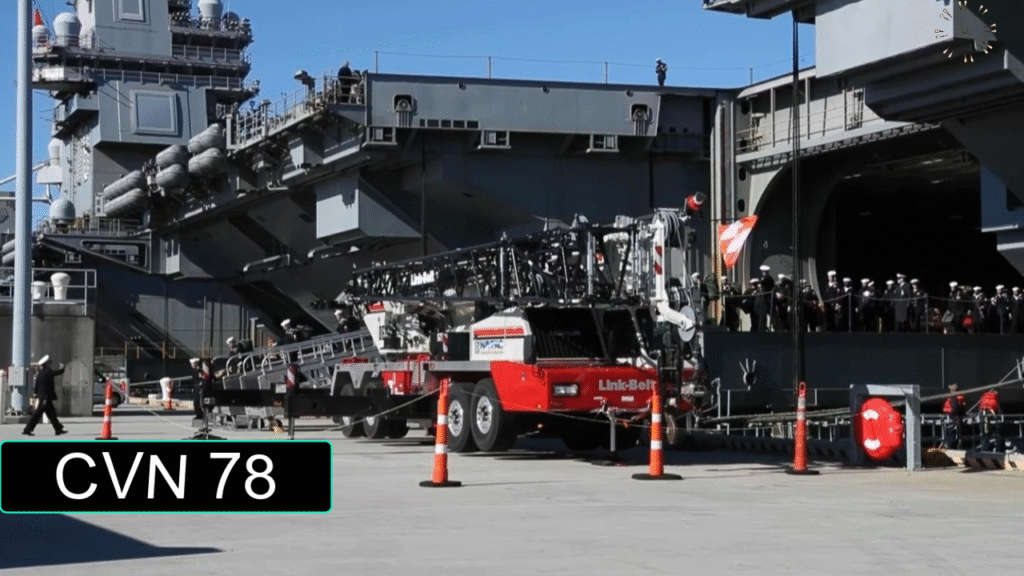
At over 1,100 feet long and displacing roughly 100,000 tons, the USS Gerald R. Ford is a floating city of steel, capable of carrying a full complement of crew, aircraft, and support systems. Its sheer scale allows it to serve as both a combat platform and a mobile command center during major naval operations.
🛠️ CVN-78 Technological Innovations
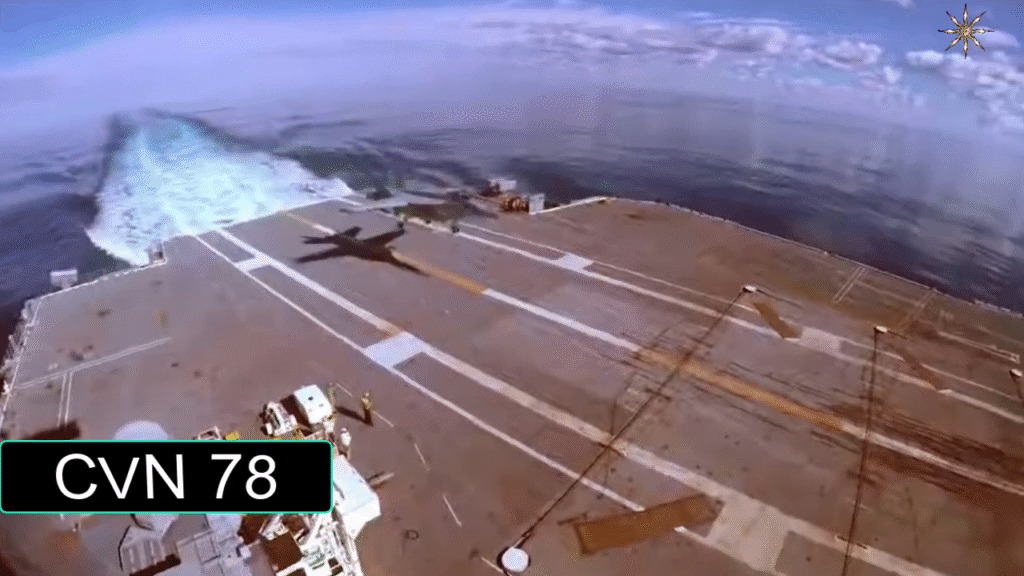
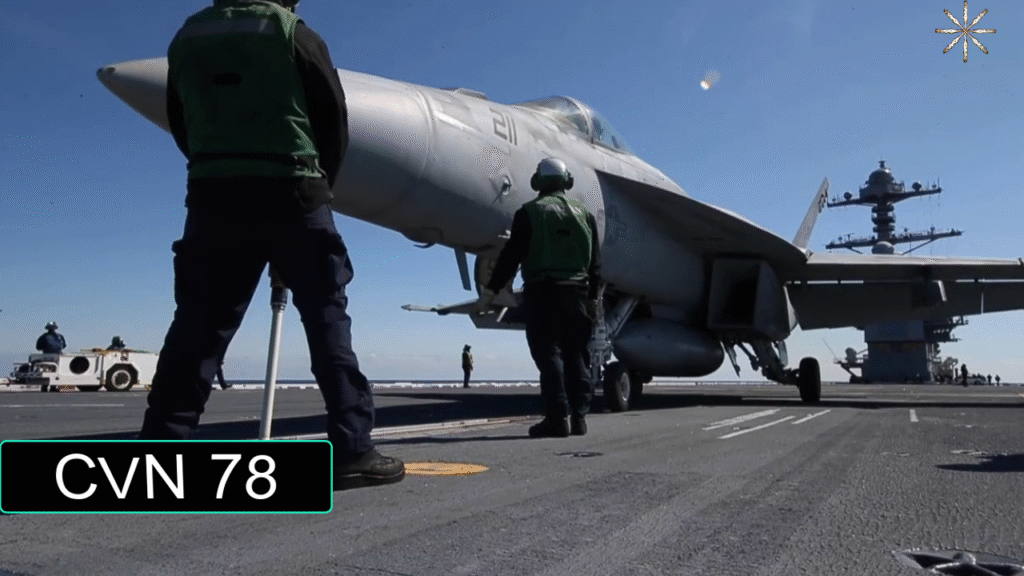
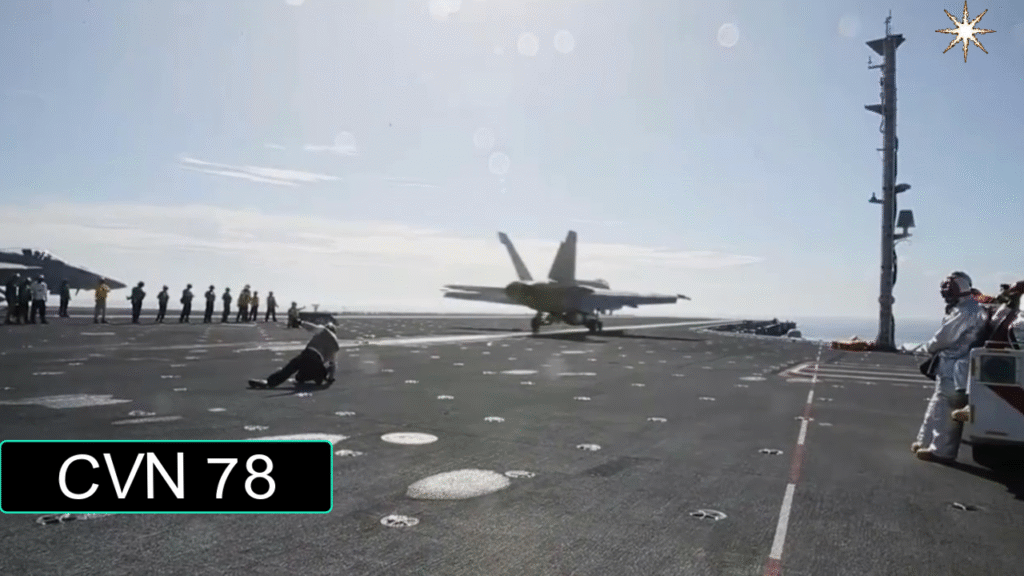
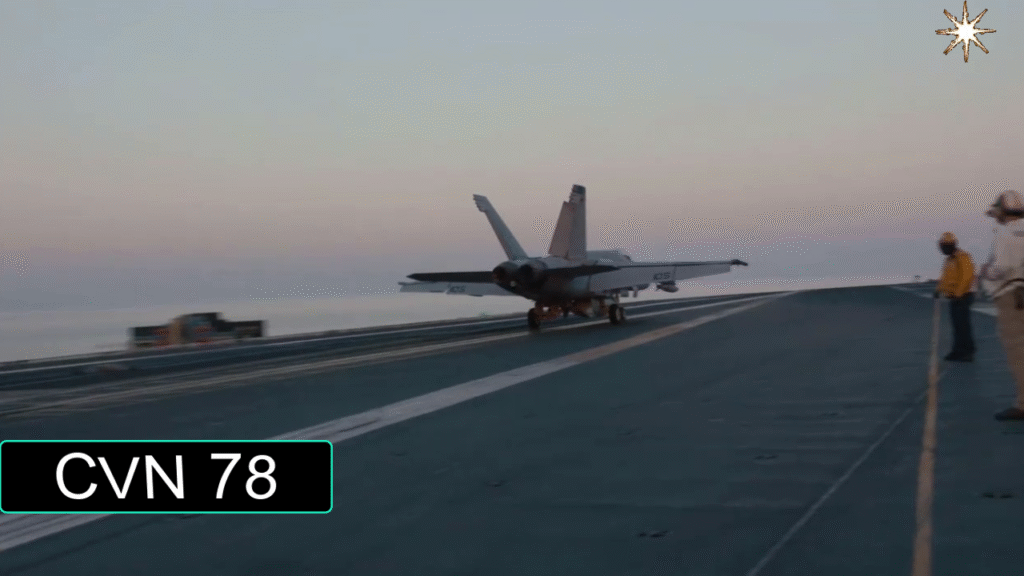
The Gerald R. Ford–class introduces over twenty-three major new technologies that distinguish it from its predecessors. Among the most revolutionary is the Electromagnetic Aircraft Launch System (EMALS), which replaces traditional steam catapults. EMALS offers smoother acceleration, reduces wear on aircraft, and allows the launch of lighter, unmanned aerial vehicles (UAVs) — a crucial capability for the future of naval aviation.
Another breakthrough system is the Advanced Arresting Gear (AAG), designed to recover aircraft more safely and efficiently. The AAG uses advanced energy-absorbing technology, ensuring reliable landings for a wide range of aircraft, from heavy fighters to lightweight drones.
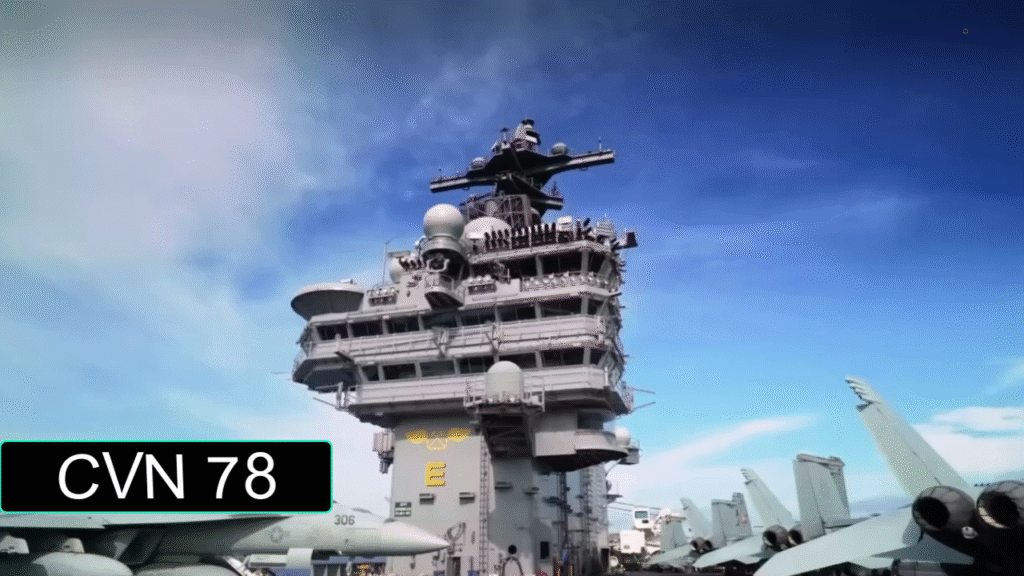
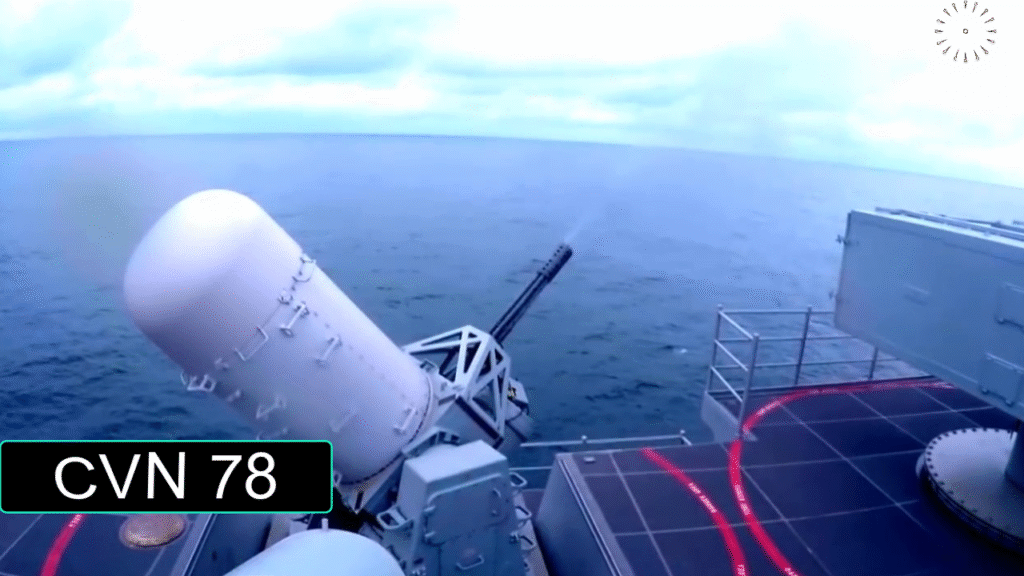
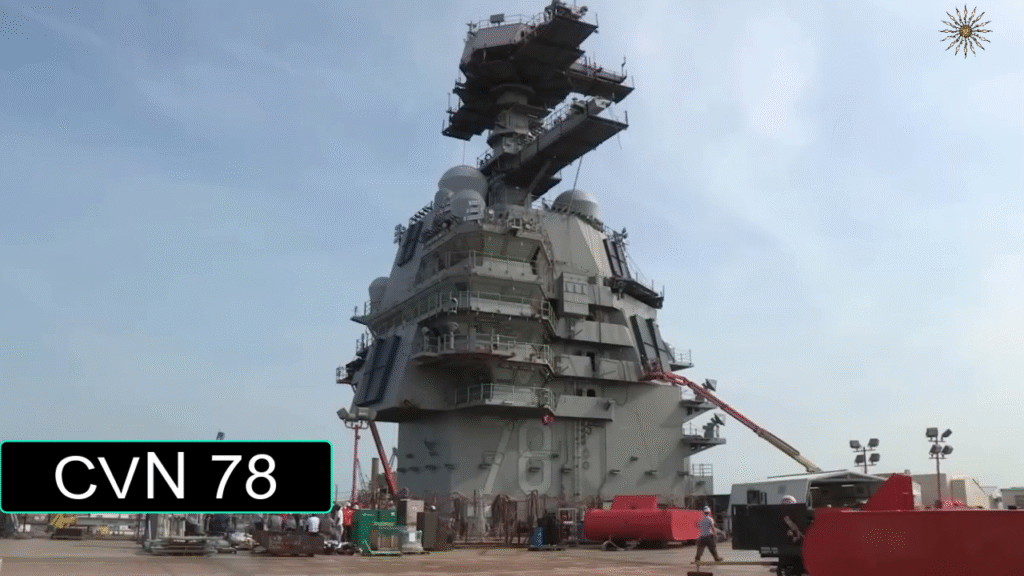
Equipped with a Dual Band Radar (DBR) system, the ship combines S-band and X-band radar functions into a single, highly capable integrated array, providing unmatched situational awareness and improved defense coordination.
Powering this technological marvel are two Bechtel A1B nuclear reactors, each significantly more efficient than those on previous carriers. These reactors produce enough electricity not only for the ship’s current systems but also for future directed-energy weapons, such as electromagnetic railguns and high-energy lasers.

🛩️ Air Wing Capabilities
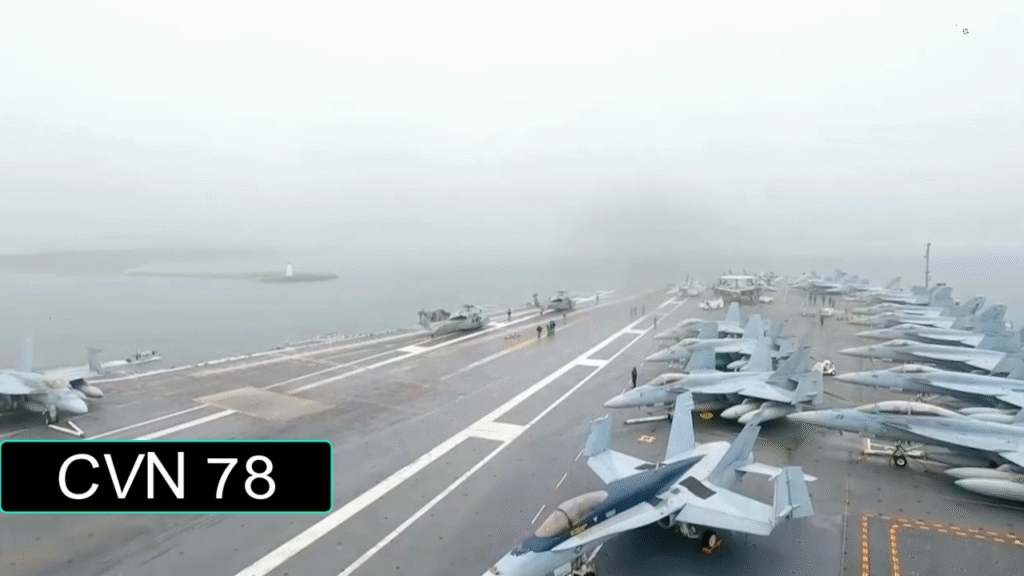
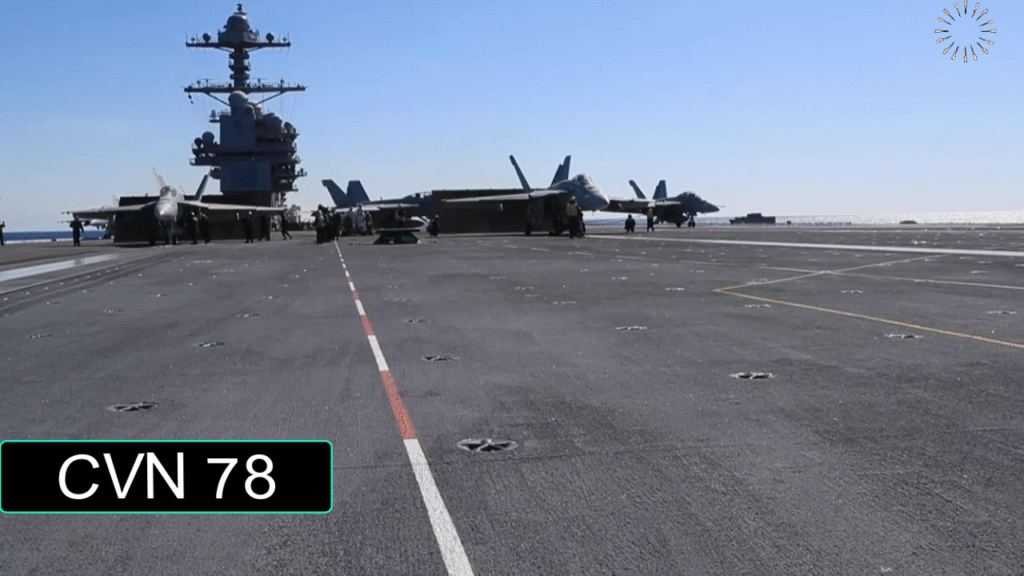
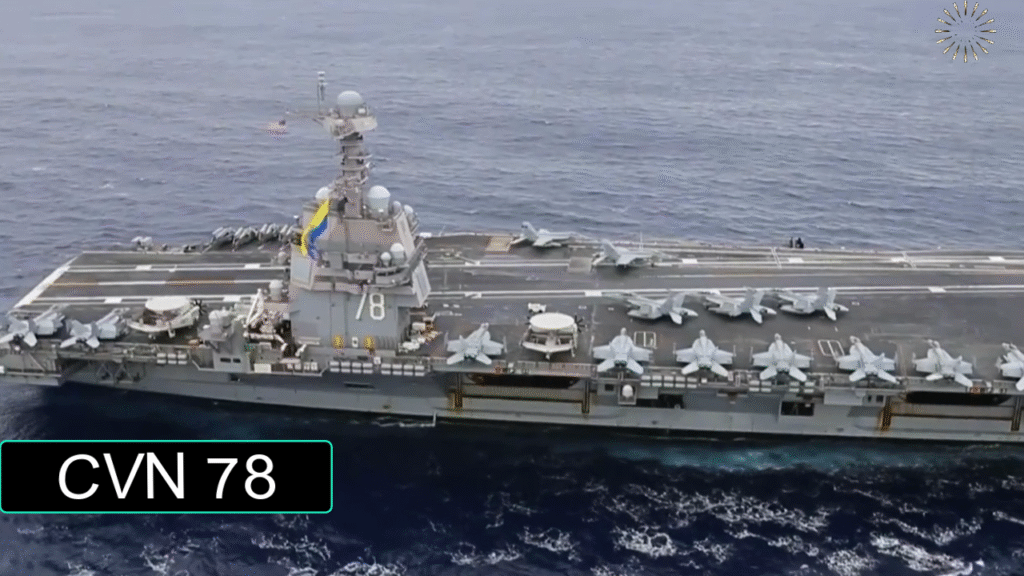
The USS Gerald R. Ford can operate an air wing of up to 75 aircraft, including F/A-18 Super Hornets, E-2D Hawkeyes, and MH-60R/S Seahawks. Future integration plans also include carrier-launched drones, expanding its reconnaissance, strike, and support capabilities.
The improved flight deck layout and advanced launch/recovery systems allow 30% more sorties per day compared to Nimitz-class carriers — a major leap in operational efficiency and combat readiness.

🌊 Operational History
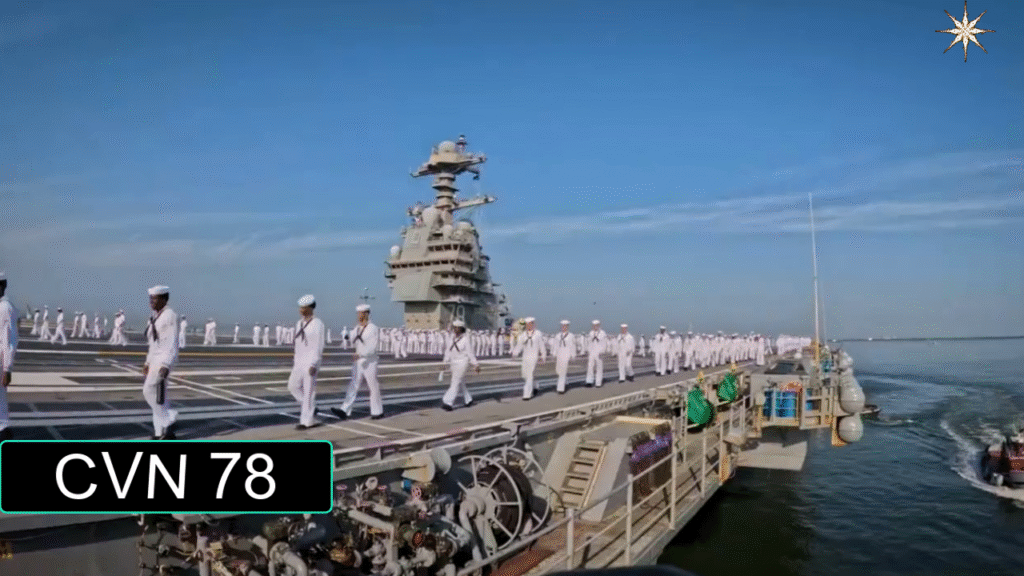
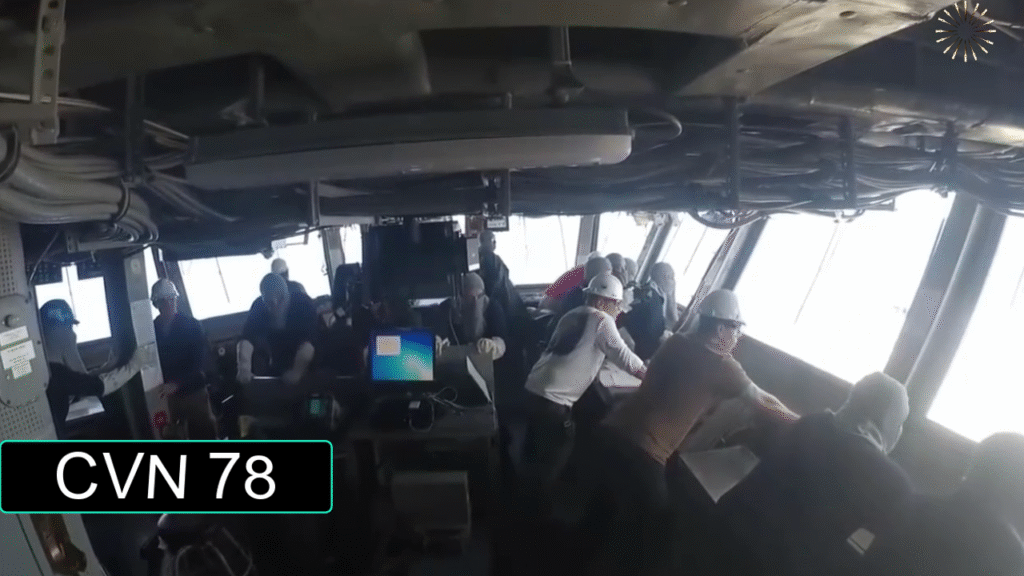
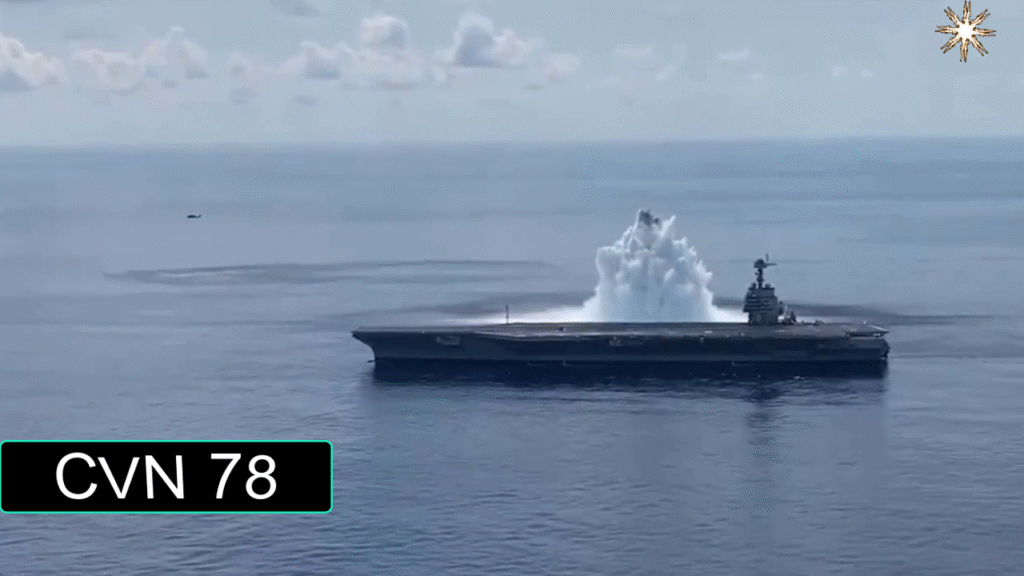
Commissioned in 2017, the USS Gerald R. Ford underwent several years of testing, trials, and system evaluations — a necessary process for a ship introducing so many unprecedented technologies. After extensive training and readiness assessments, it began initial deployments in the early 2020s.
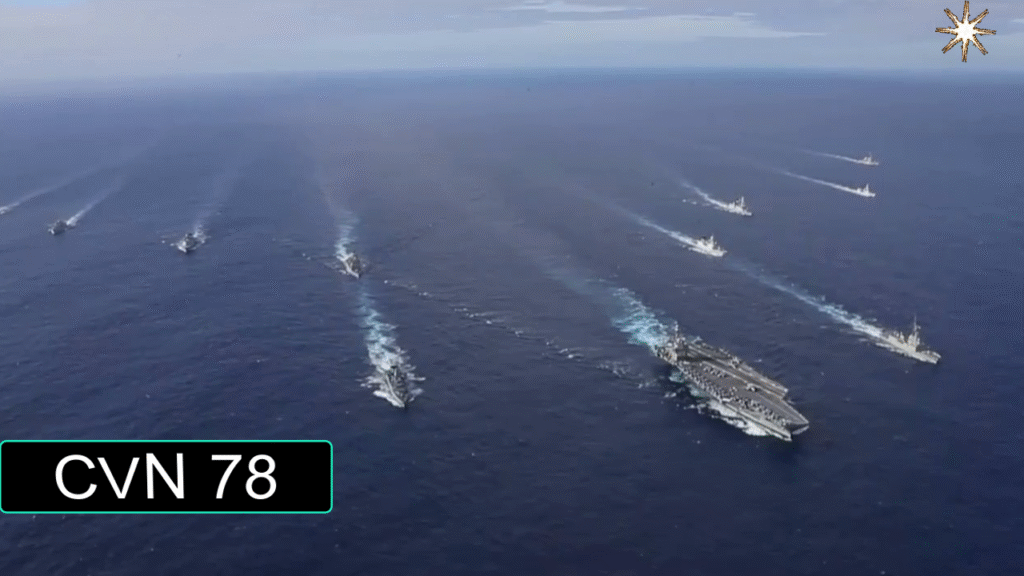
In 2023, the Ford completed its first full Atlantic deployment, operating alongside NATO allies and participating in multinational exercises. This mission demonstrated not only the ship’s readiness but also its role as a central pillar of U.S. naval presence and deterrence in strategic waters.
⚔️ A Platform for the Future
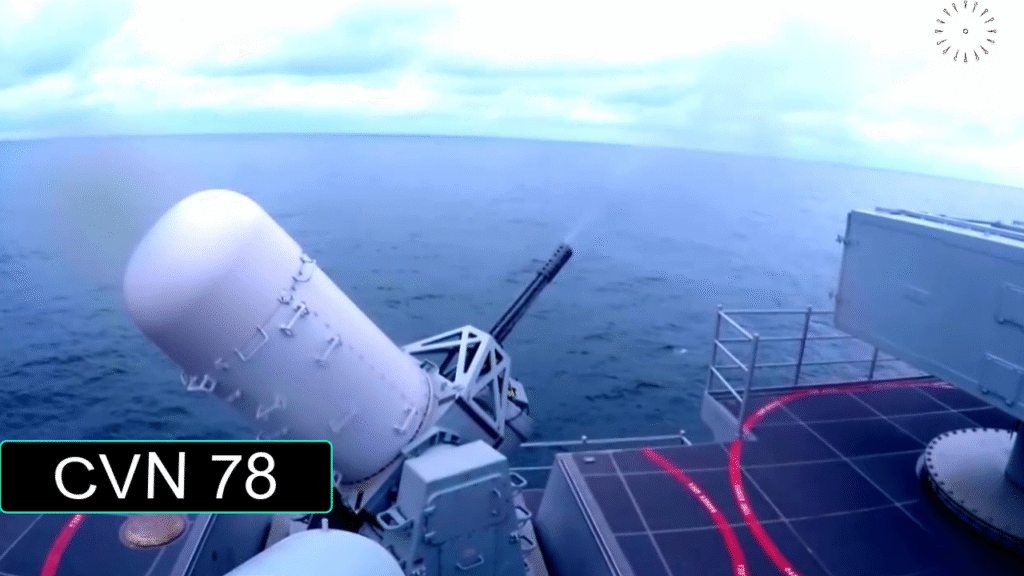
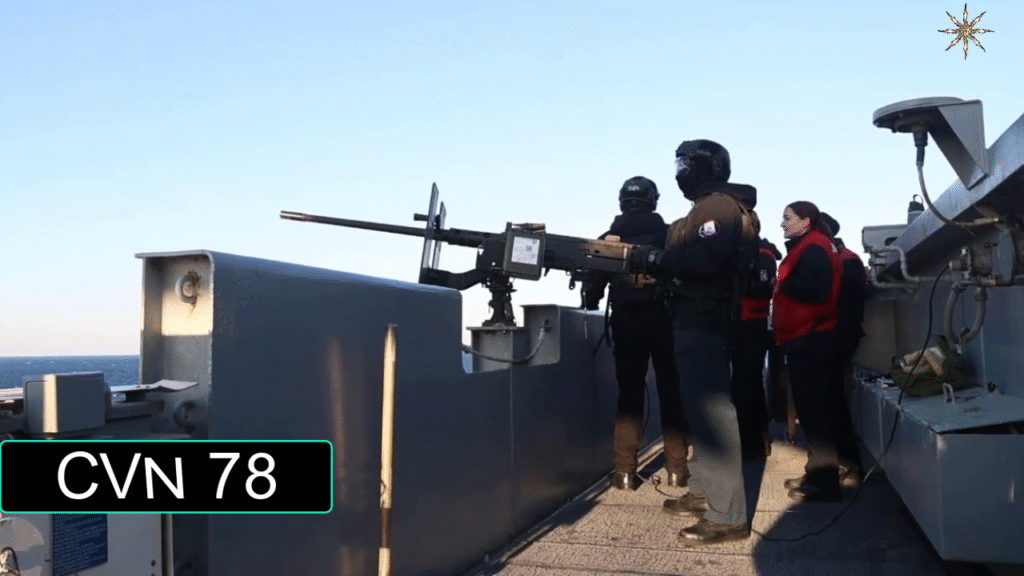
The USS Gerald R. Ford is more than just an aircraft carrier — it’s a blueprint for the next century of naval dominance. Every system on board is designed with modularity and modernization in mind, allowing the Navy to integrate emerging technologies for decades to come. From AI-assisted maintenance to energy-based defense systems, the Ford-class ensures that the U.S. Navy maintains a decisive edge in maritime power projection.
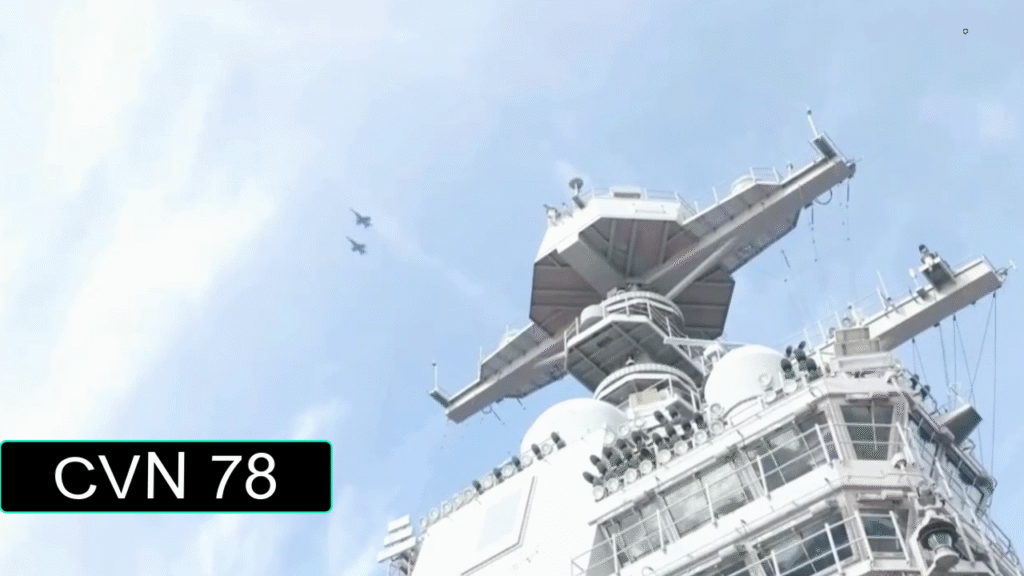
As the first of its class, the USS Gerald R. Ford embodies both innovation and legacy — a tribute to President Gerald R. Ford’s leadership and a testament to America’s enduring commitment to freedom of the seas.