Over the past decade, China’s naval modernization has accelerated at an unprecedented pace, with particular emphasis placed on platforms that enhance expeditionary and amphibious warfare capabilities. Among the most striking results of this effort is the Type 075 landing helicopter dock (LHD), a large-deck amphibious assault ship designed to serve as a central component of modern joint operations. Its introduction reflects a broader evolution in the People’s Liberation Army Navy (PLAN), which is increasingly oriented toward power projection, rapid response, and operations beyond China’s immediate coastal waters.
Design and General Characteristics
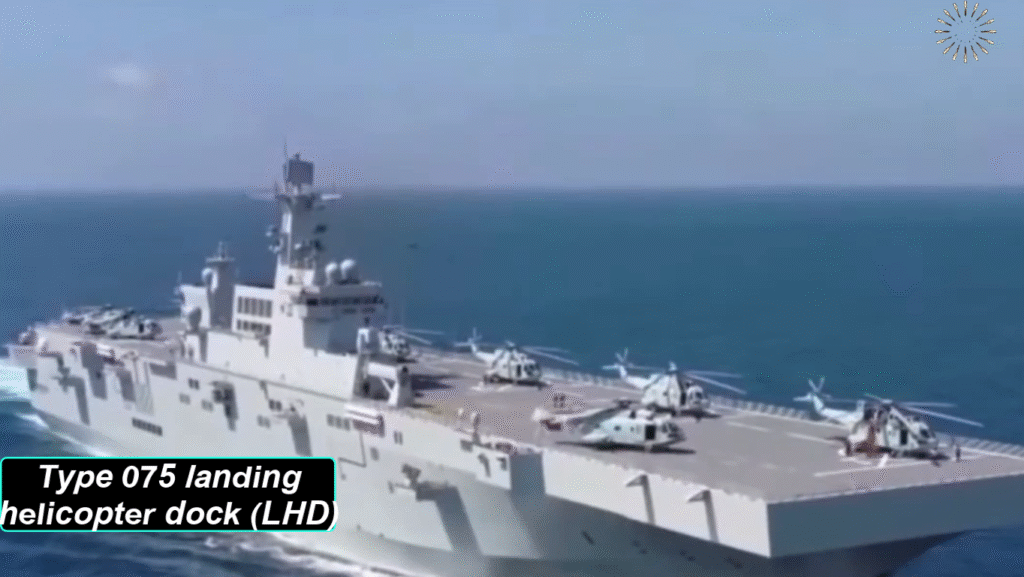
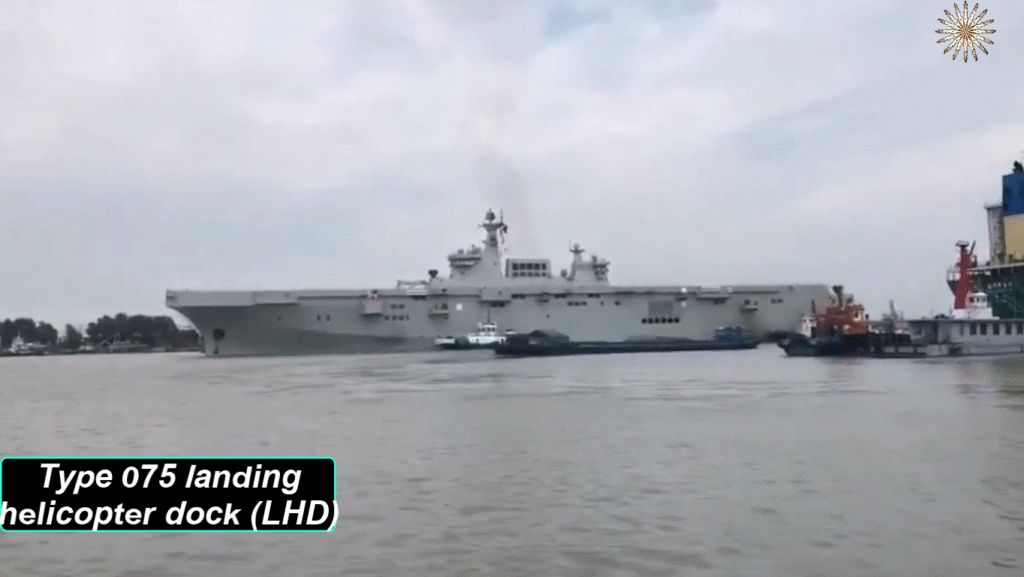
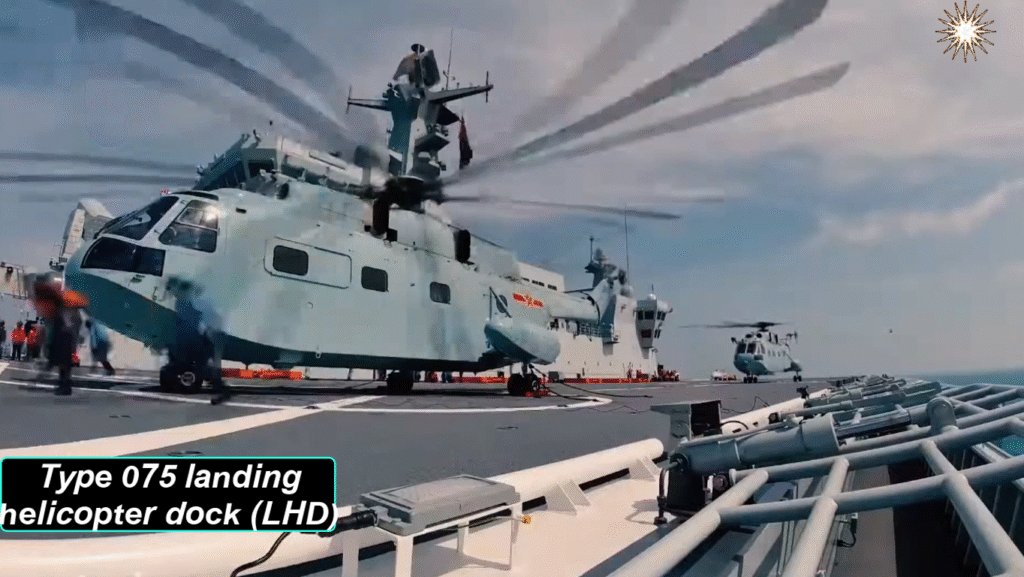
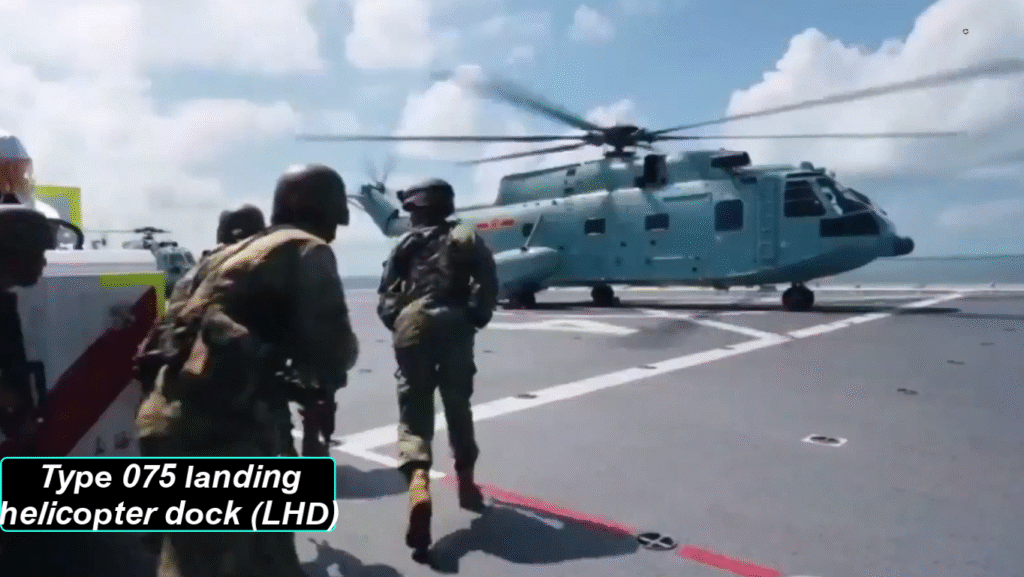
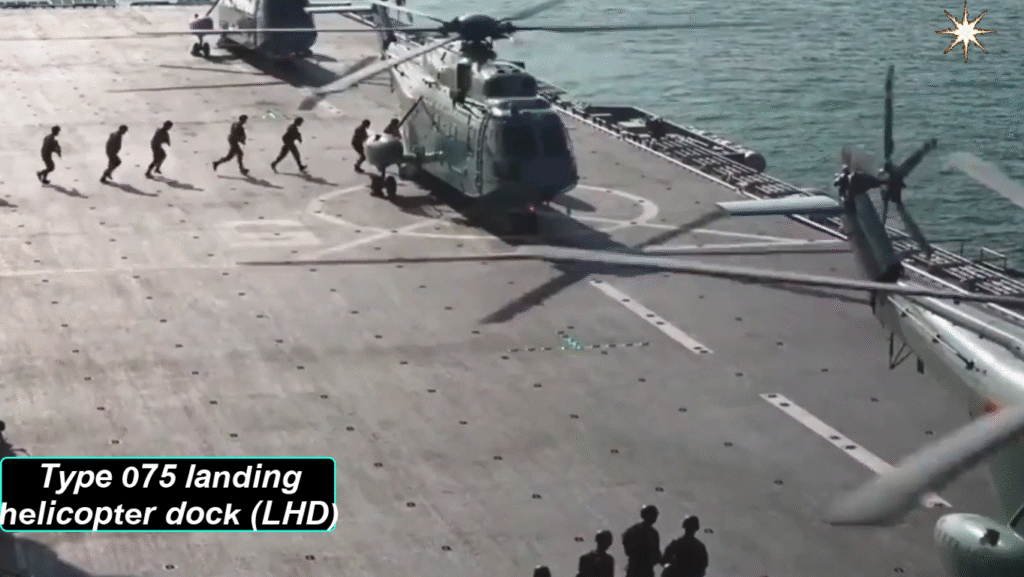
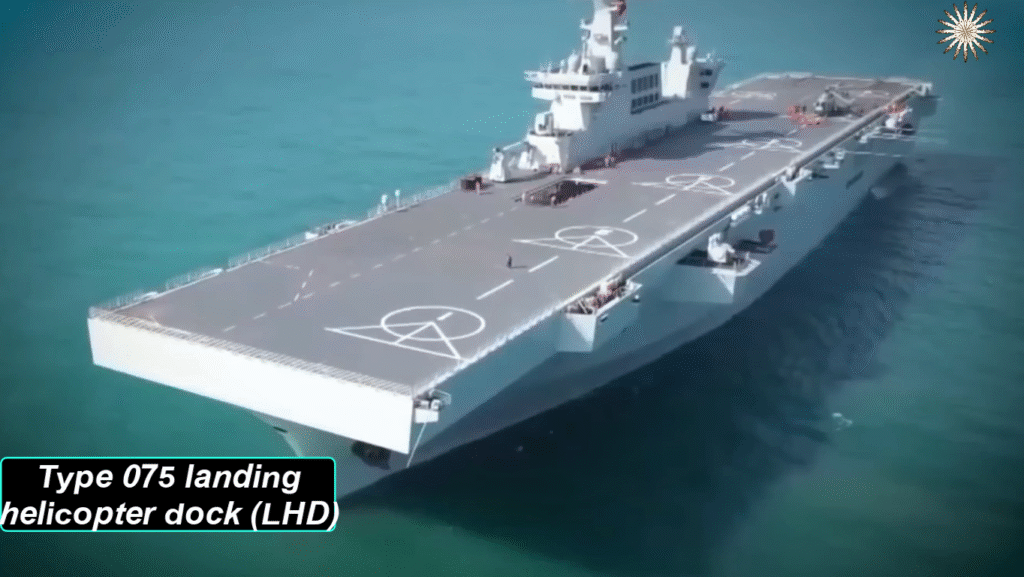
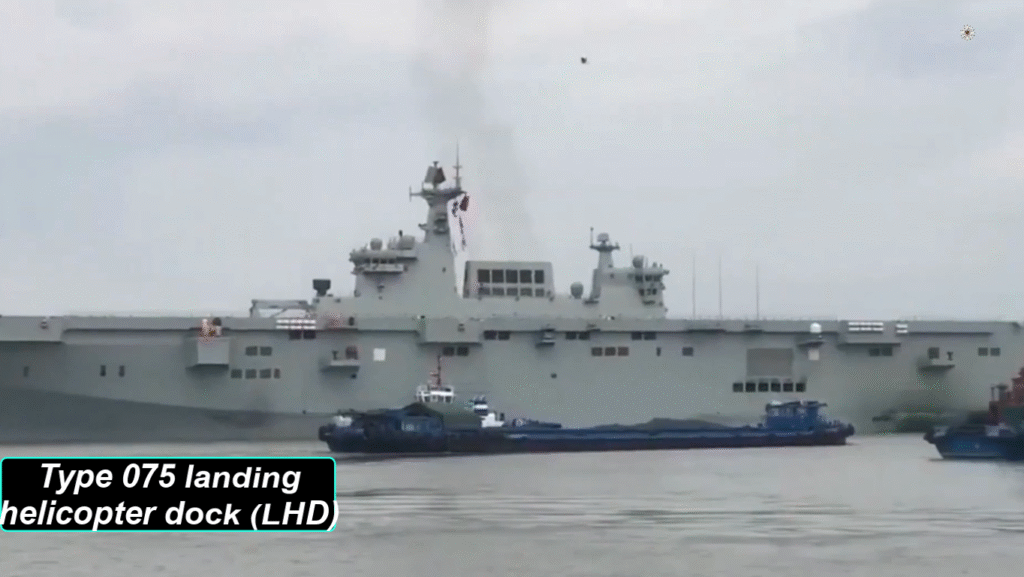
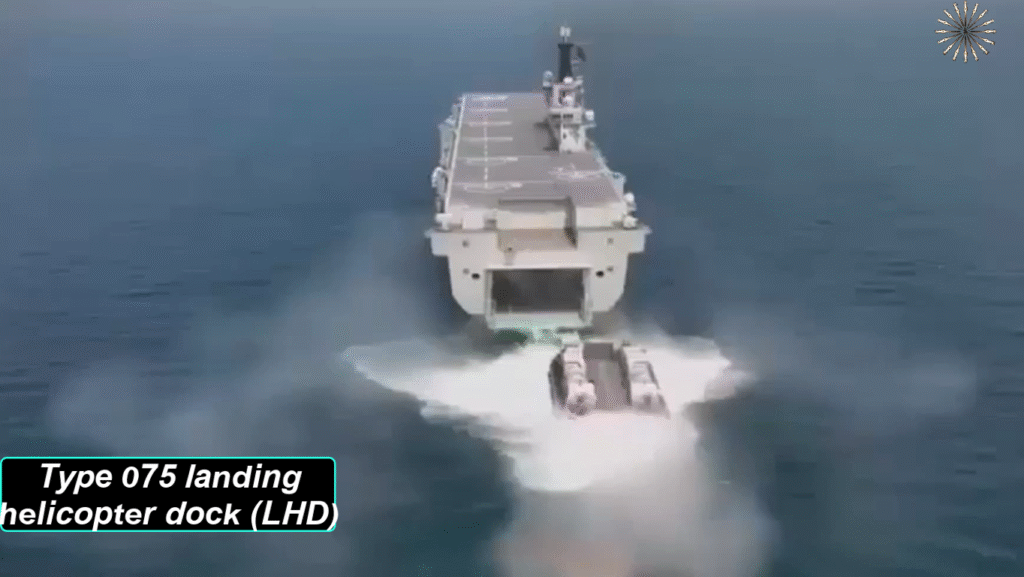
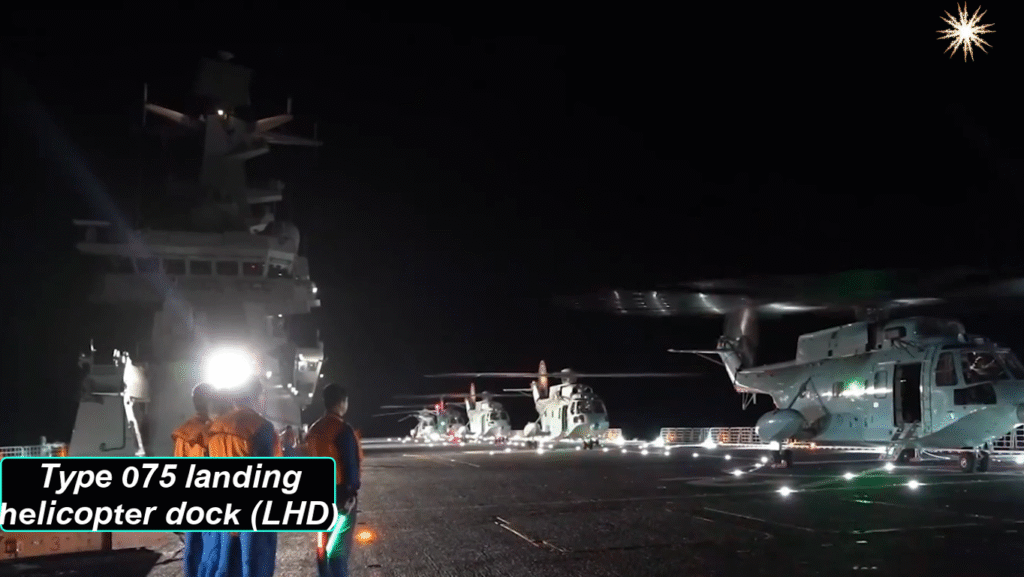
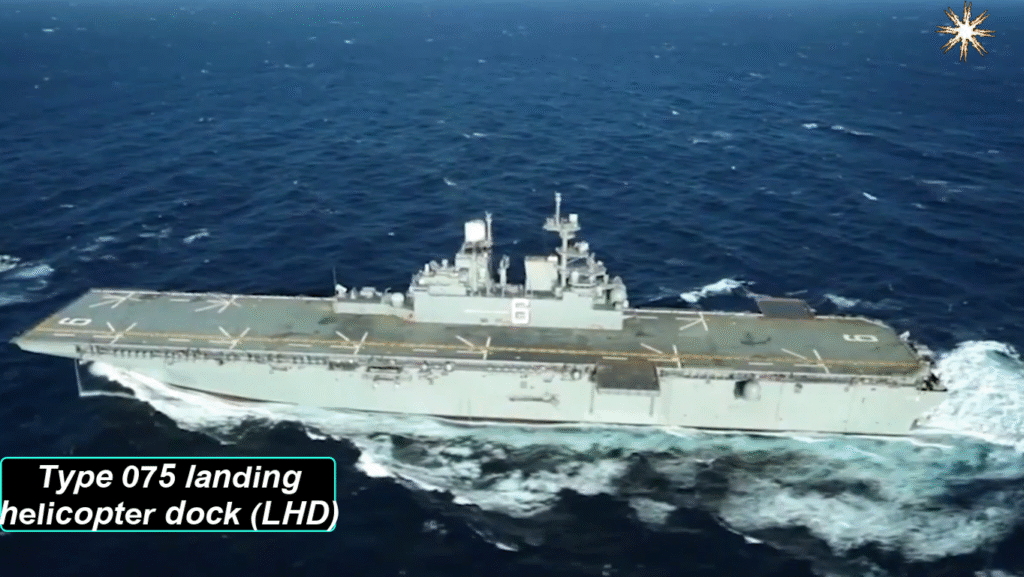
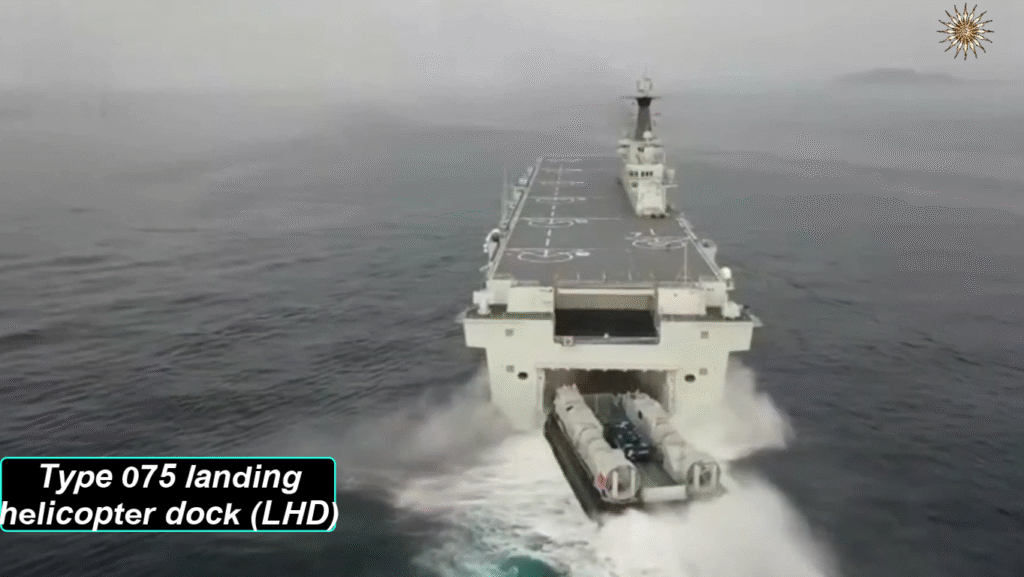
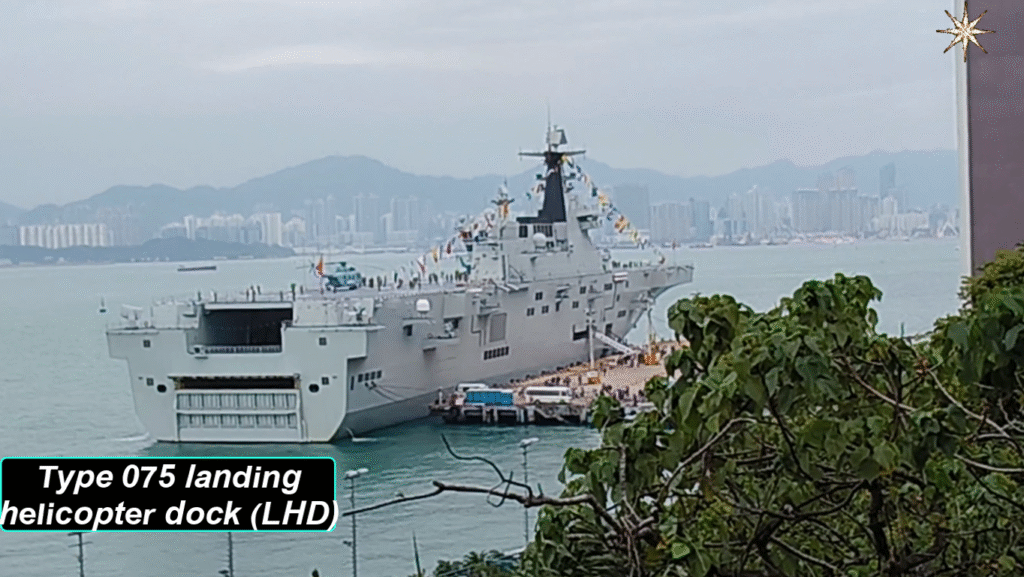
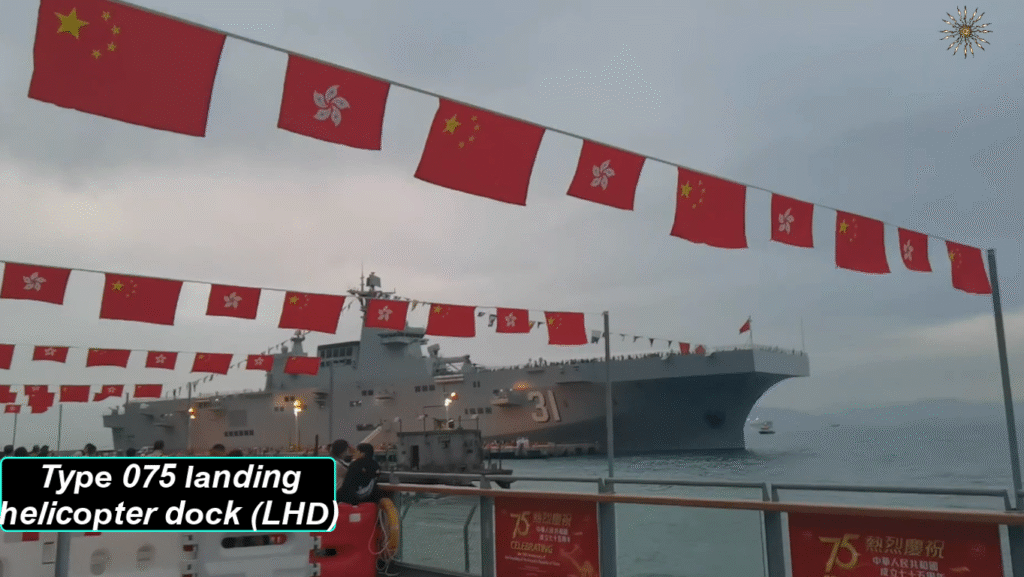
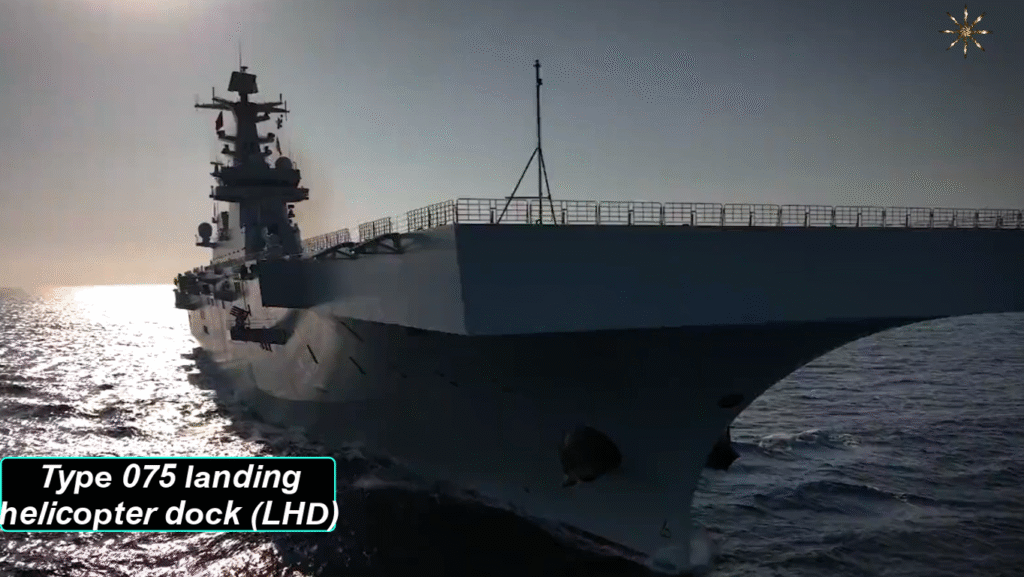
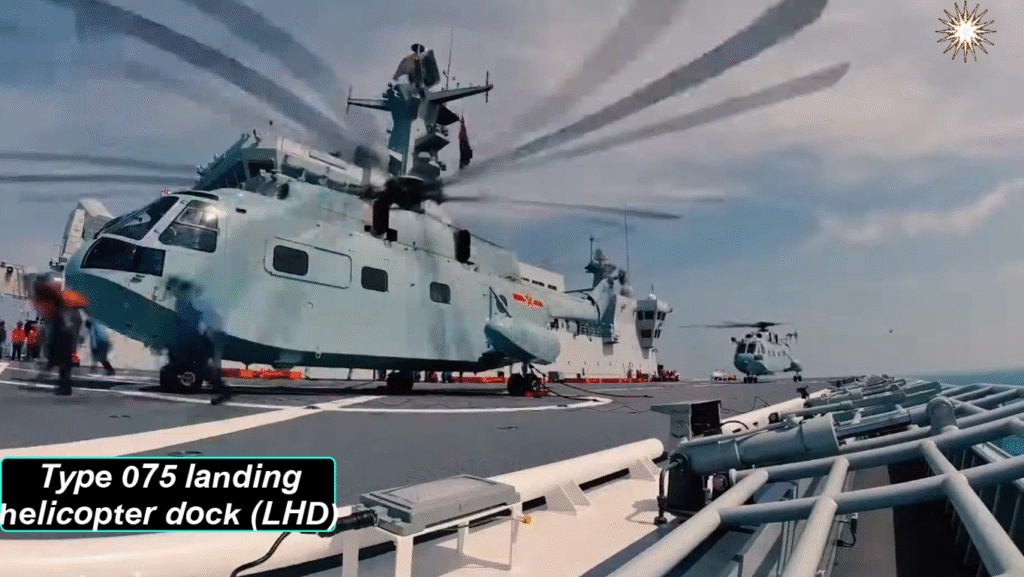
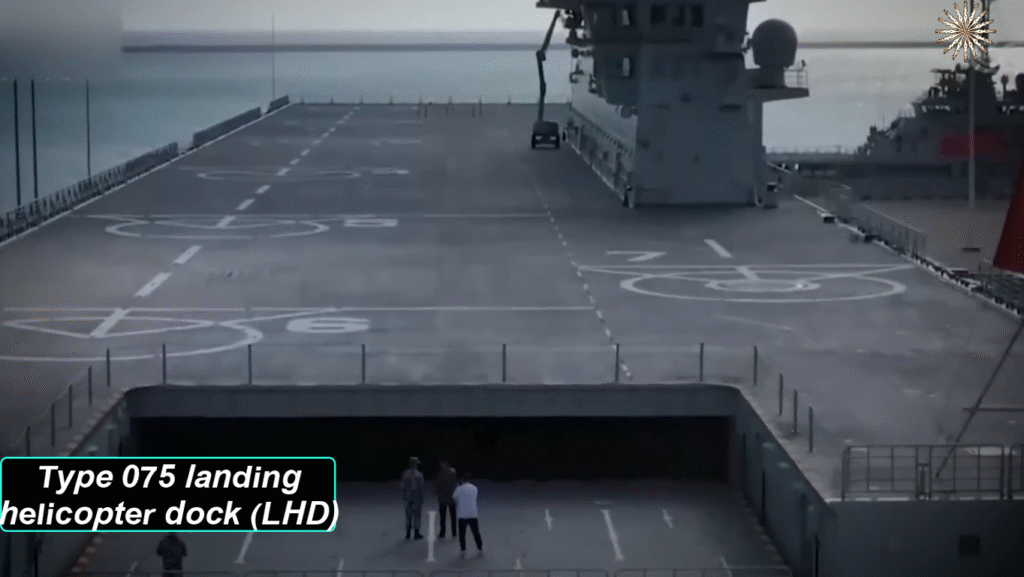
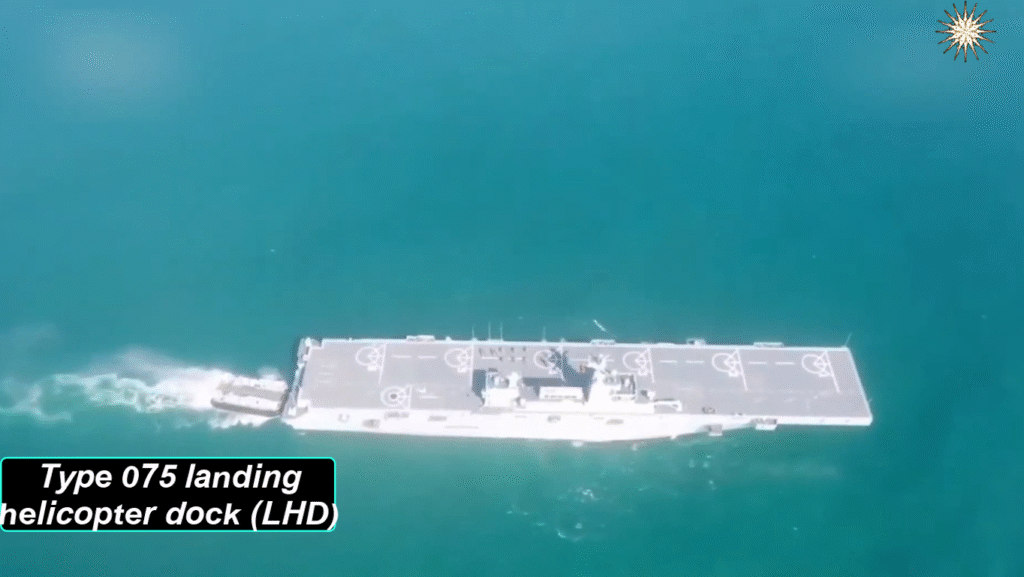
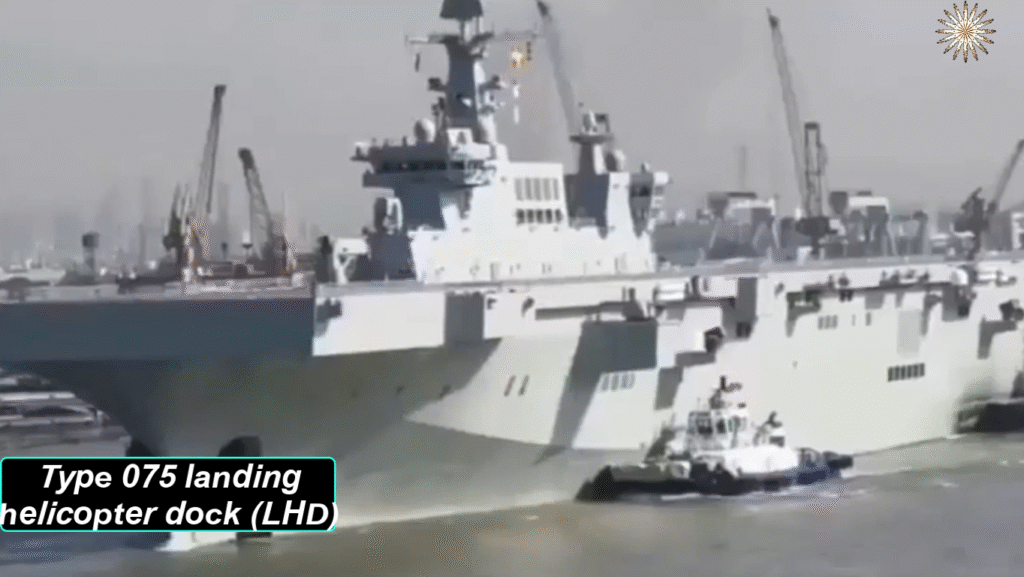
The Type 075 is one of the largest amphibious warships ever built for the PLAN, comparable in size and role to modern LHDs operated by other major naval powers. Its design prioritizes aviation operations, command-and-control functionality, and amphibious lift. A full-length flight deck dominates the ship’s profile, featuring multiple landing spots for helicopters and supporting sustained flight operations. Below the flight deck, internal hangars and maintenance facilities allow for the storage, servicing, and rapid deployment of rotary-wing aircraft.
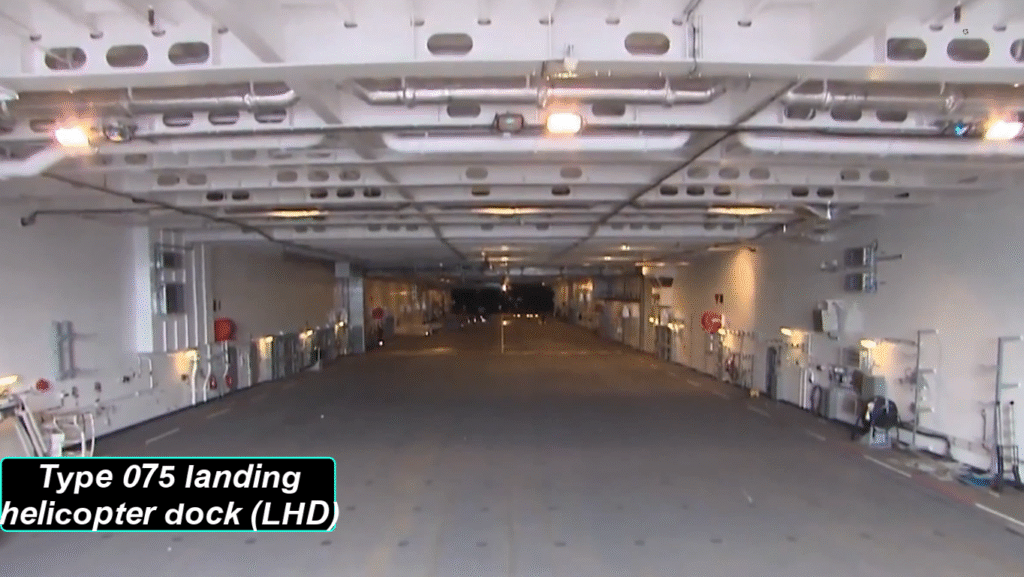
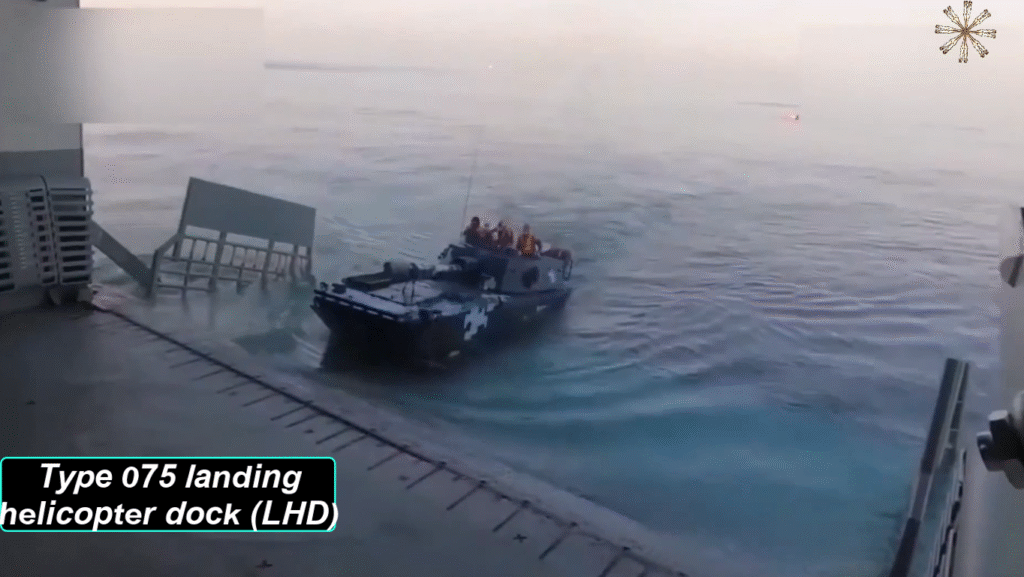
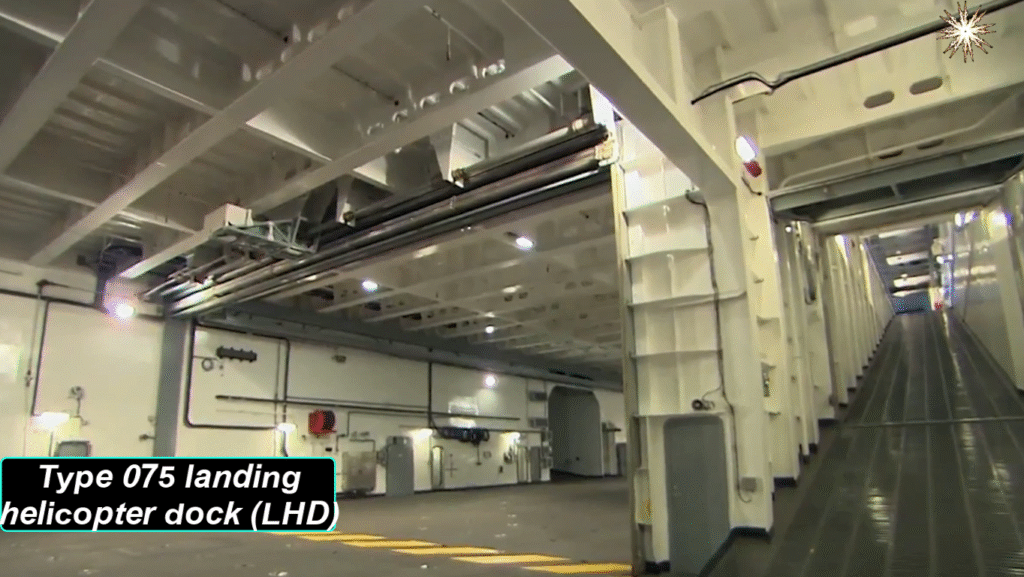
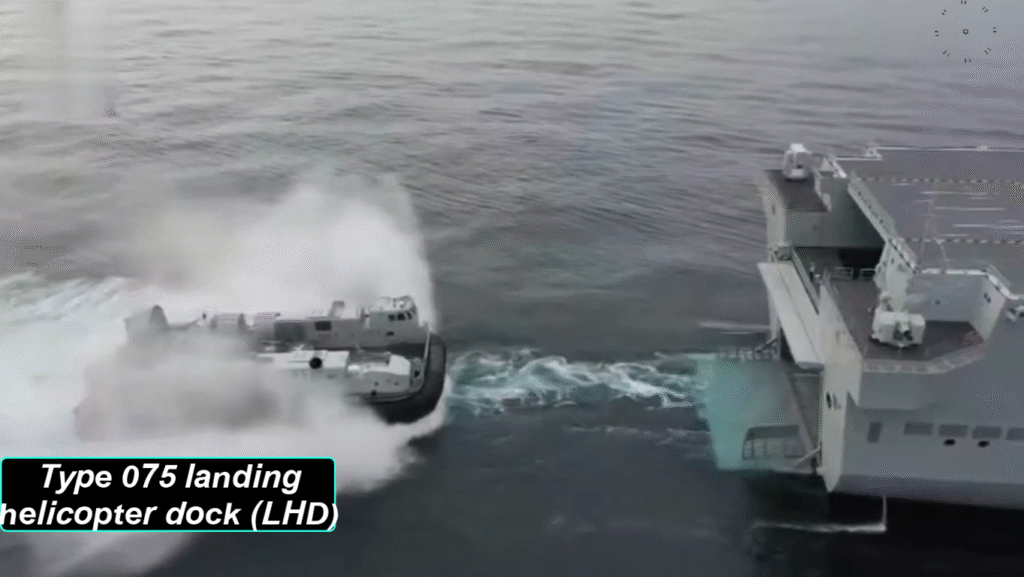
In addition to its aviation focus, the Type 075 incorporates a well dock at the stern, enabling the launch and recovery of landing craft and amphibious vehicles. This dual capability—air and sea insertion—allows commanders to tailor assault plans to the tactical environment, combining vertical envelopment with traditional surface landings. The ship’s internal layout also includes troop accommodations, vehicle storage areas, medical facilities, and extensive command spaces, reinforcing its role as a floating operational headquarters.
Aviation and Amphibious Operations
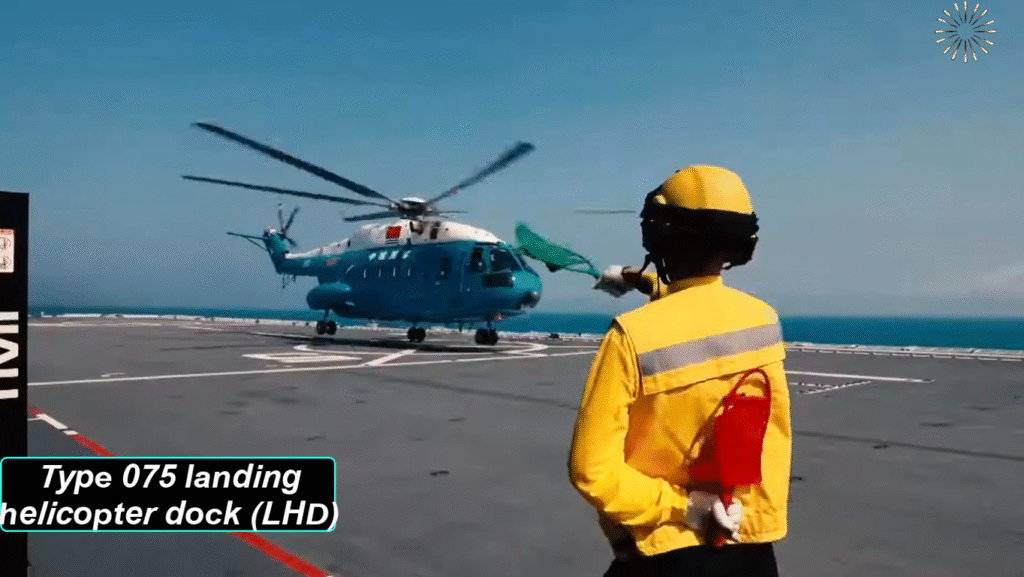
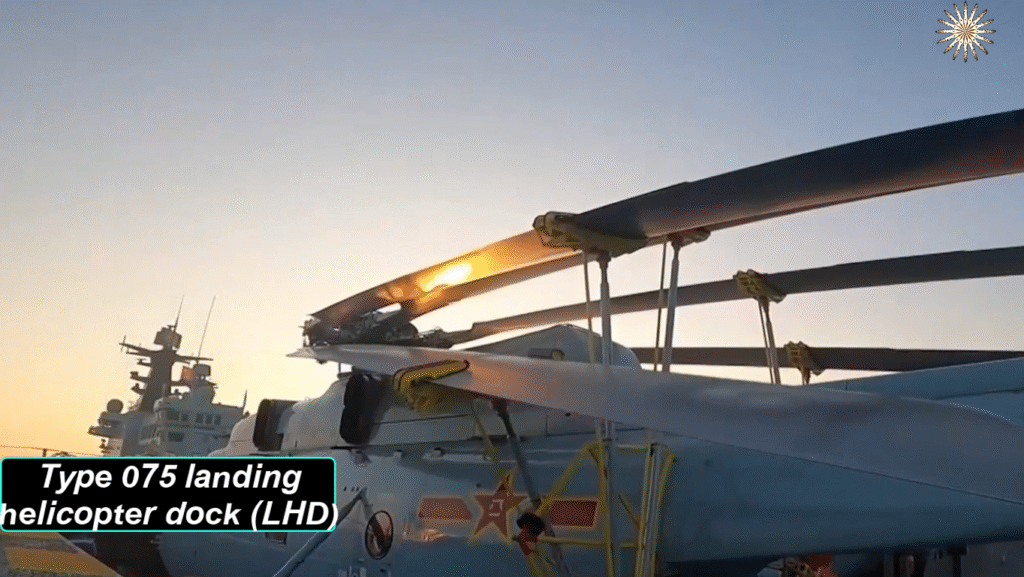
A defining feature of the Type 075 is its emphasis on helicopter-borne operations. The ship is intended to operate a mix of transport, utility, and attack helicopters, supporting rapid troop movement, close air support, reconnaissance, and logistics. This focus enables amphibious forces to bypass heavily defended beaches, insert troops inland, and seize key terrain with speed and flexibility.
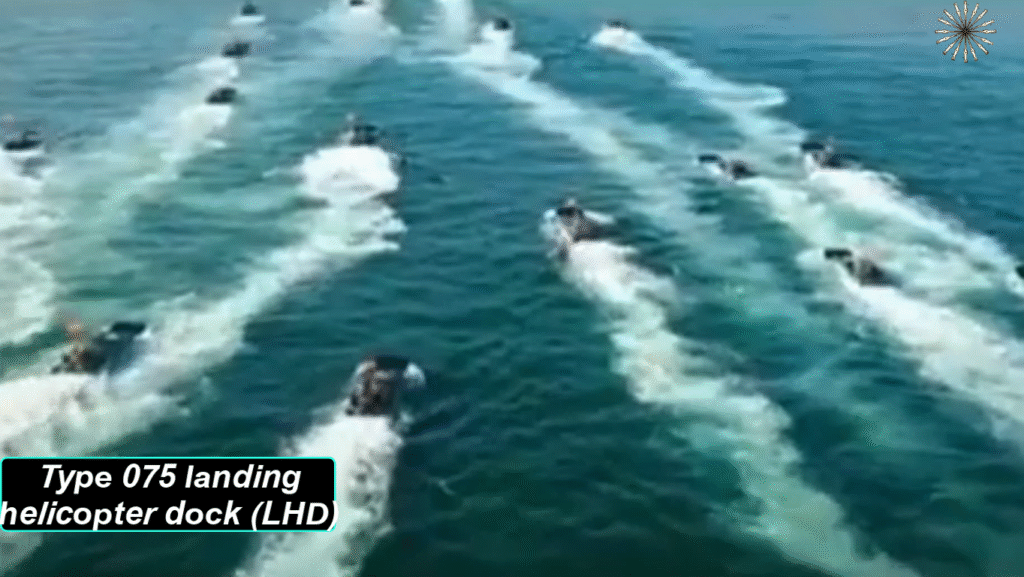
At the same time, the well dock allows the ship to deploy landing craft carrying armored vehicles and personnel directly onto contested or unsecured shorelines. This combination significantly enhances the PLAN’s ability to conduct large-scale amphibious assaults, particularly when integrated with escort ships, submarines, and land-based air support. The Type 075 thus represents a move toward more complex, multi-domain amphibious operations rather than traditional, linear beach landings.
Command, Control, and Non-Combat Roles
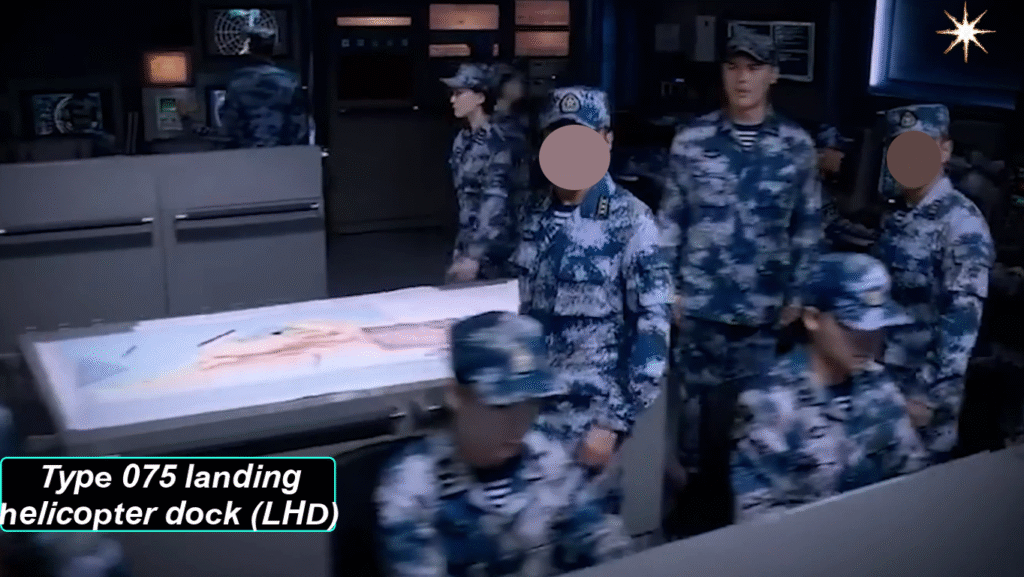
Beyond its combat role, the Type 075 is designed to function as a command-and-control hub during joint and coalition-style operations. Advanced communications systems enable coordination between naval, air, and ground forces, while onboard planning spaces support sustained operational command. These capabilities make the ship valuable not only in wartime scenarios but also in peacetime missions.
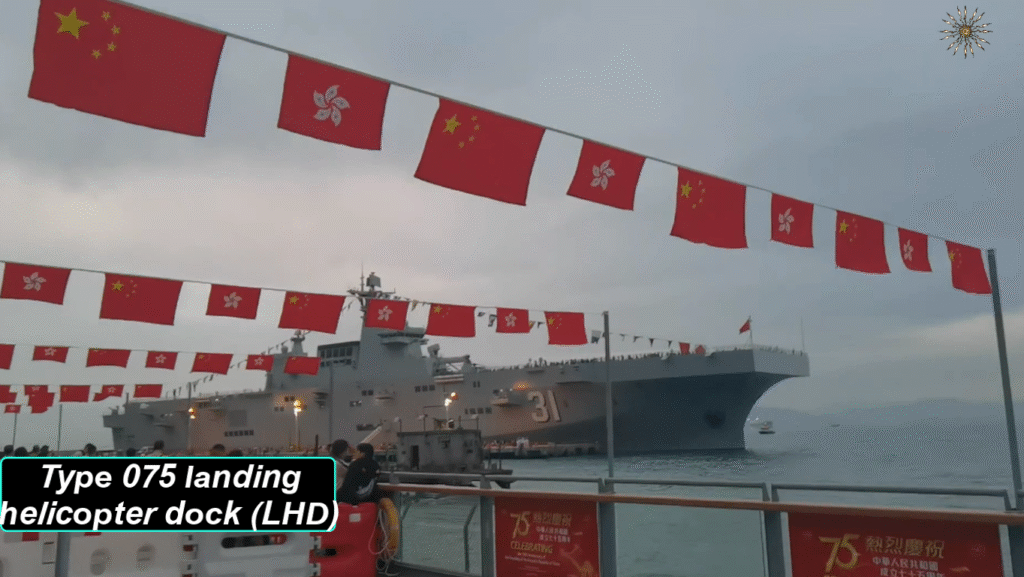
Humanitarian assistance and disaster relief (HADR) are often cited as secondary roles for large amphibious ships, and the Type 075 is well suited to such tasks. Its aviation assets allow for rapid delivery of aid to areas with damaged infrastructure, while its medical facilities can support emergency treatment and evacuation. These non-combat missions also serve a strategic purpose, showcasing naval presence and contributing to diplomatic and soft-power objectives.
Strategic Significance
The introduction of the Type 075 has important implications for regional and global security dynamics. It enhances China’s ability to deploy and sustain forces across maritime chokepoints and contested areas, particularly in scenarios involving island chains or distant littoral regions. While the ship itself is not an aircraft carrier, its capabilities complement carrier strike groups and expand the range of operations the PLAN can conduct independently.
From a doctrinal perspective, the Type 075 signals a shift toward a more balanced and versatile fleet structure. It underscores the growing importance of amphibious and expeditionary forces within China’s broader military strategy, especially in contexts where rapid deployment and joint operations are critical.
Conclusion
The Type 075 landing helicopter dock stands as a clear marker of China’s evolving naval ambitions and technological maturity. By combining aviation-centric design, amphibious lift, and advanced command capabilities, it provides the PLAN with a flexible platform suited to both combat and non-combat missions. As additional ships of this class enter service and integrate with other modern naval assets, the Type 075 is likely to play a central role in shaping how China conducts amphibious operations and projects power across the maritime domain in the years ahead.