Introduction to the CH-47 Chinook
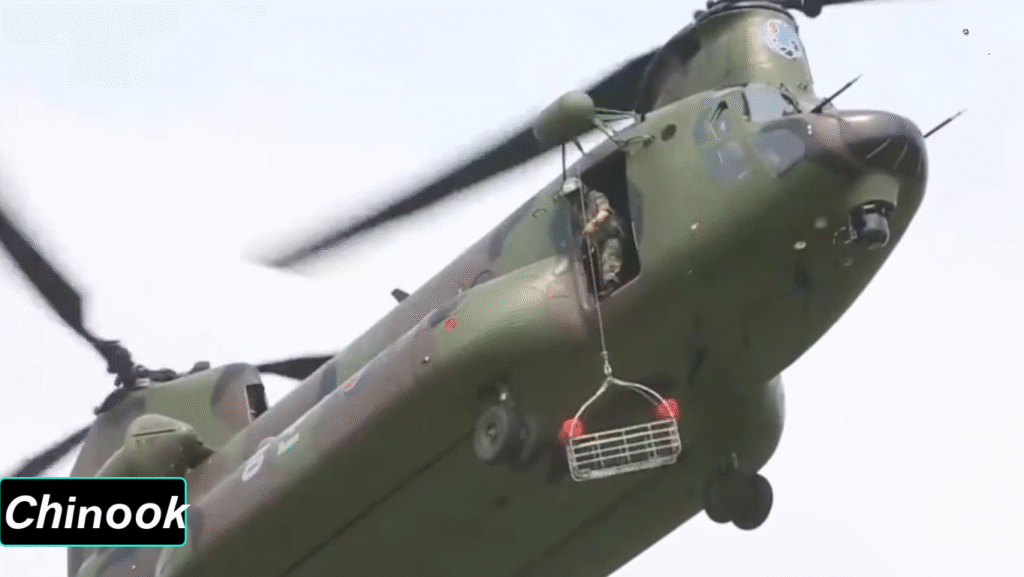
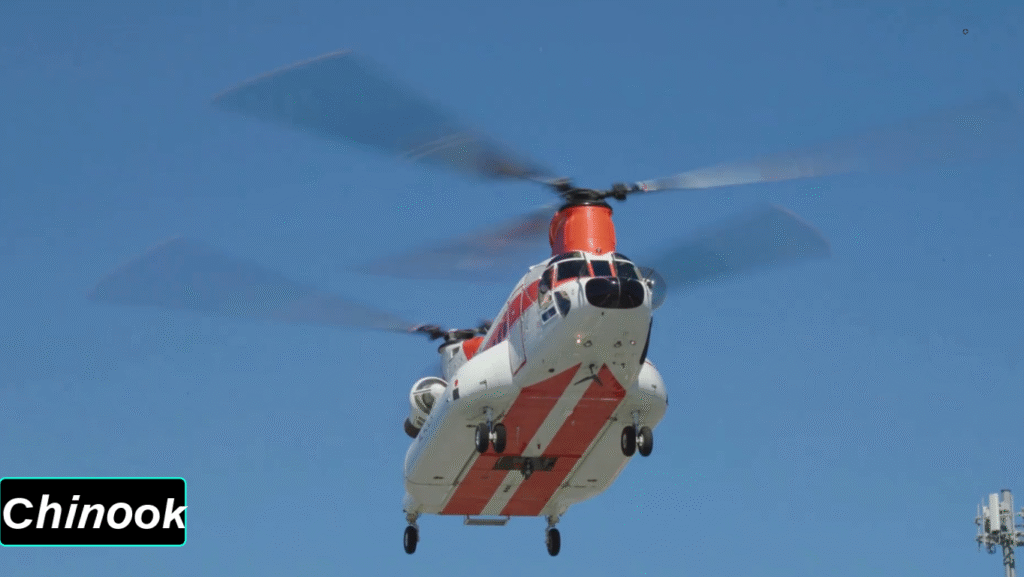
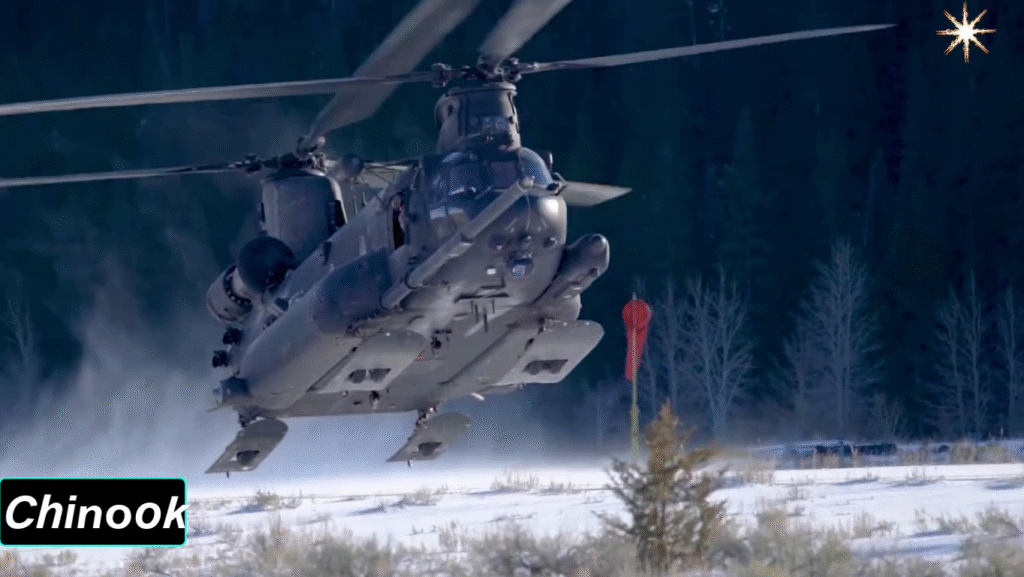
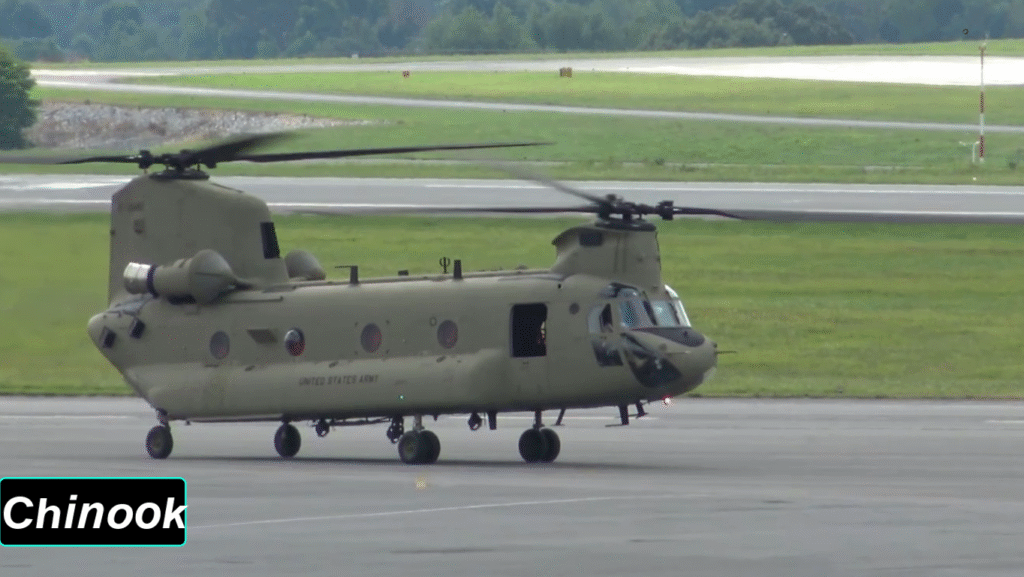
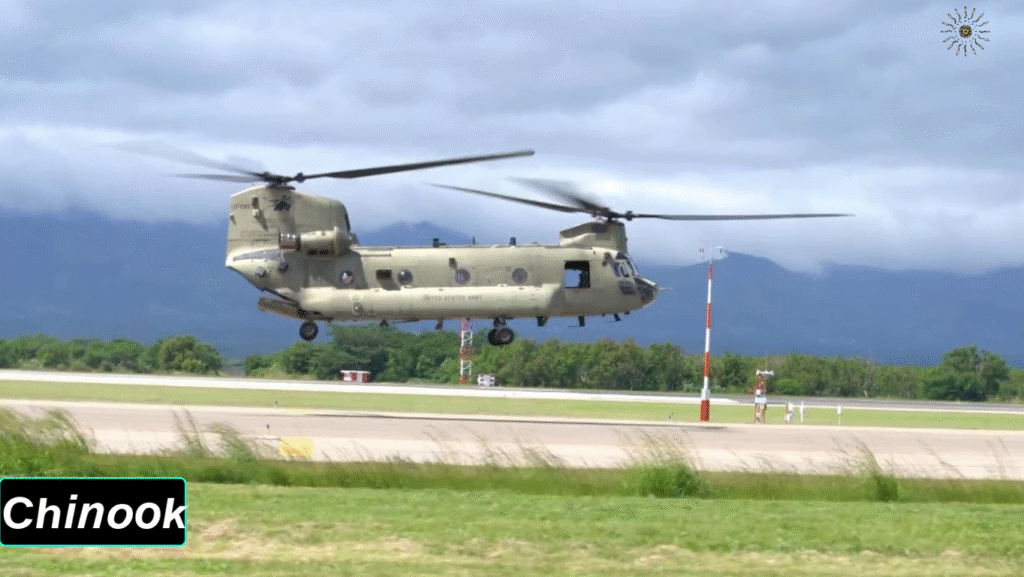
The CH-47 Chinook stands as one of the most iconic heavy-lift helicopters ever created. Recognized instantly by its tandem-rotor design, the Chinook has been a backbone of aerial logistics and troop transport for over six decades. From battlefields to humanitarian missions, this powerhouse continues to demonstrate its exceptional utility, resilience, and adaptability in virtually every environment imaginable.

Origins and Development History
The Vision Behind Boeing Vertol’s Design
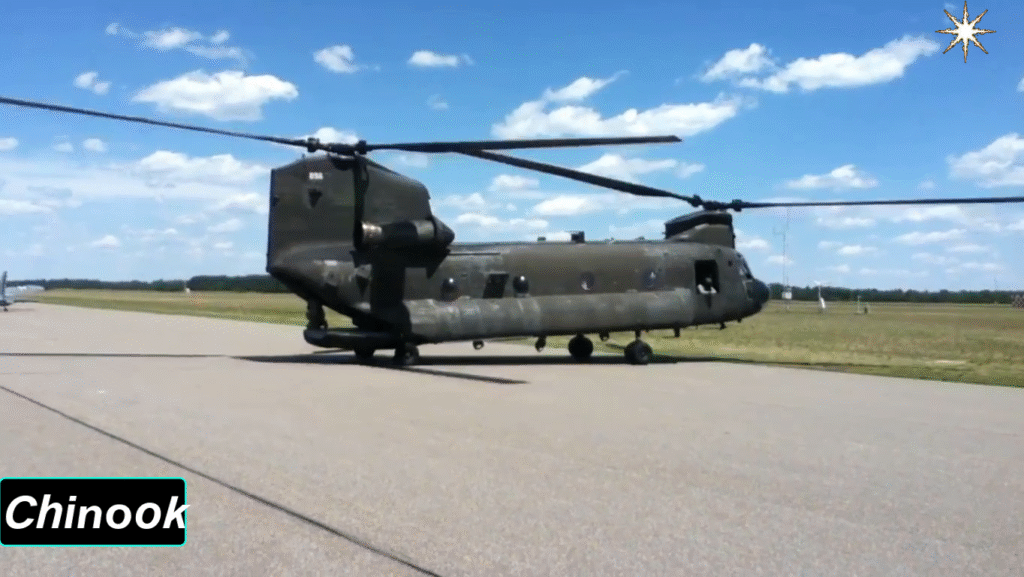
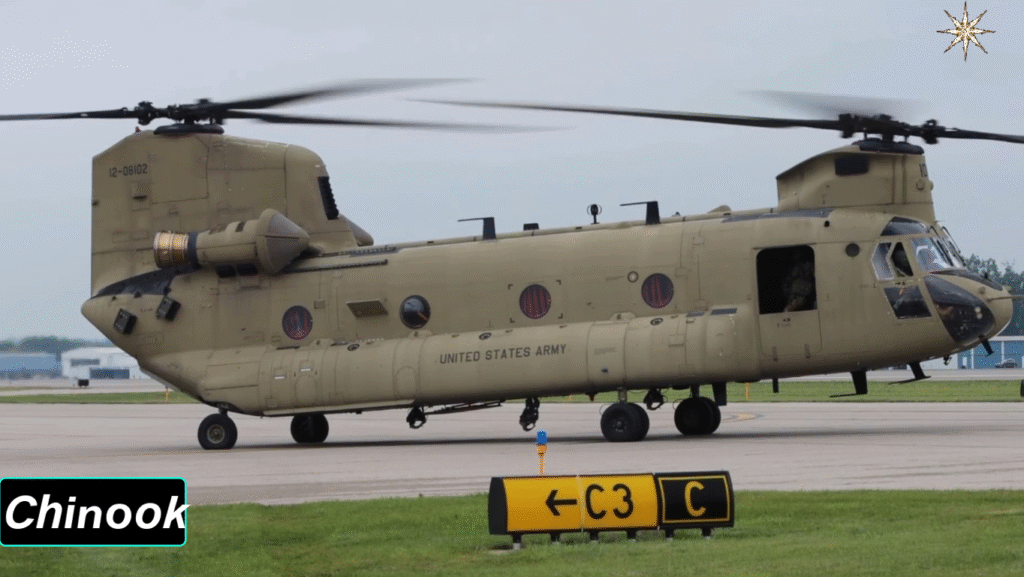
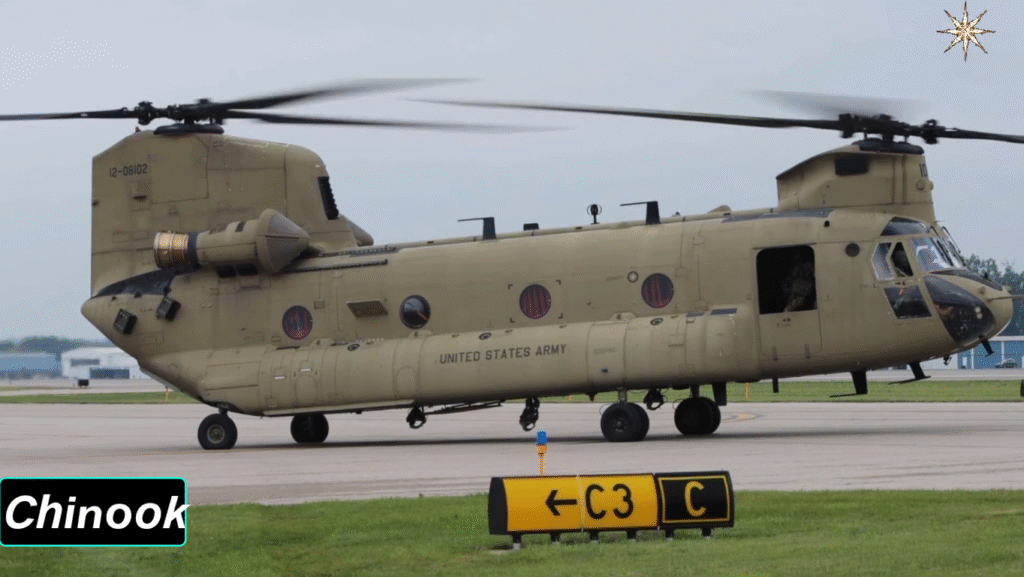
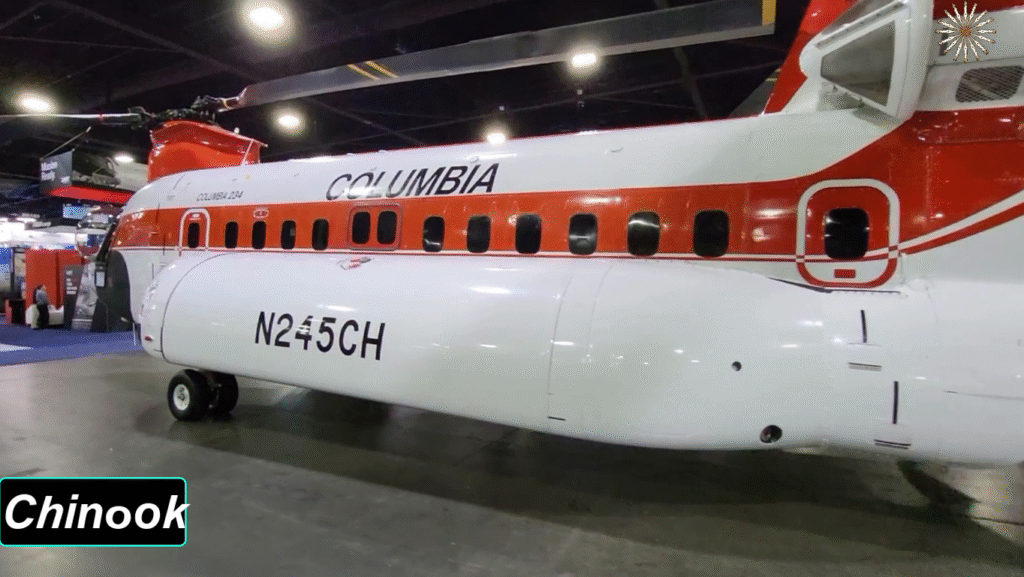
The Chinook was born in the early 1960s, developed by Boeing Vertol to meet the U.S. Army’s demand for a reliable, heavy-lift transport helicopter. The design broke convention, replacing the traditional single main rotor and tail rotor with two massive counter-rotating rotors—boosting lift efficiency and eliminating torque issues.
First Flight and Entry into Service
The first flight occurred on September 21, 1961, with the helicopter officially entering U.S. Army service in 1962. From that moment, the Chinook became a symbol of logistical power and operational flexibility, serving in major conflicts and humanitarian operations across the globe.

Unique Design and Technical Architecture
The Tandem Rotor Advantage
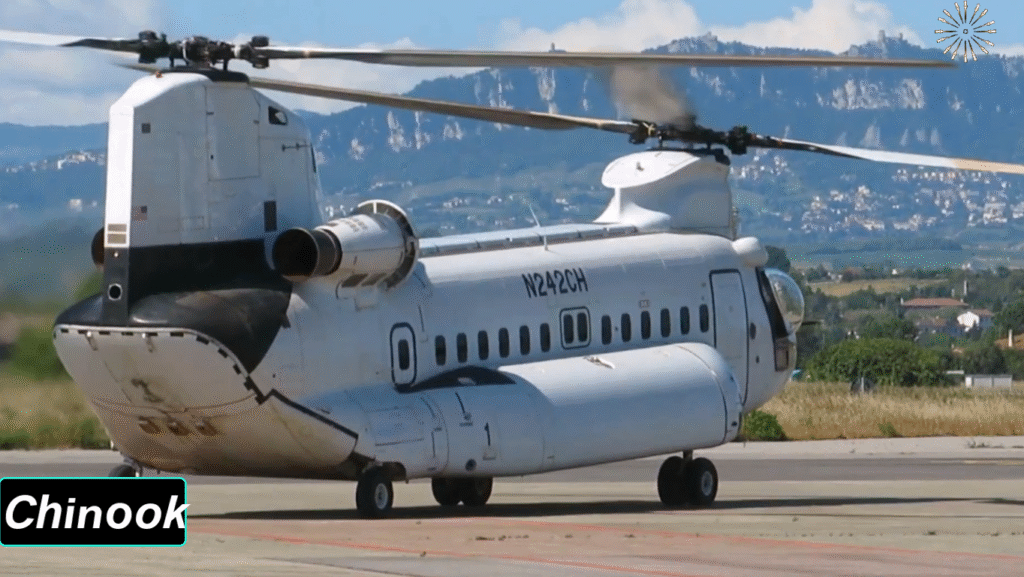
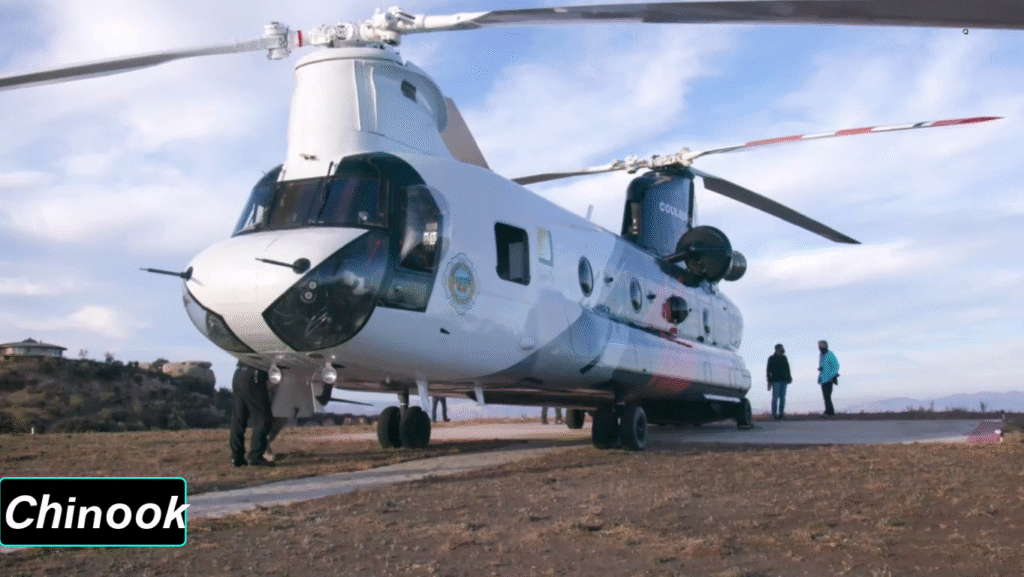
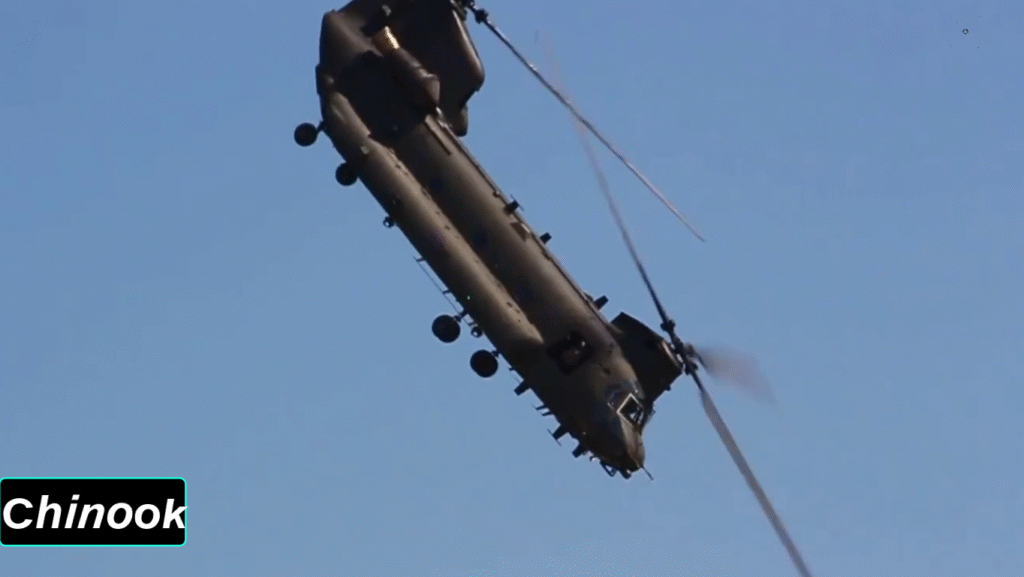
Unlike most helicopters, the Chinook’s tandem rotors allow for incredible lifting capacity without needing a tail rotor. This configuration gives it exceptional stability and makes it ideal for transporting heavy equipment, vehicles, or large groups of personnel.
Key Specifications of the CH-47 Chinook
Dimensions and Structural Features
- Rotor Diameter: ~18.29 m (60 ft)
- Length (rotors turning): ~30.14 m (98 ft 10.7 in)
- Height: ~5.68 m (18 ft 7.8 in)
Engines and Propulsion System
Powered by two Honeywell T55-GA-714A engines producing around 4,777 shp each, the Chinook achieves remarkable thrust-to-weight performance.
Performance Metrics
- Max Speed: ~302 km/h (≈170 knots)
- Service Ceiling: ~6,100 m (20,000 ft)
- Useful Load: ~12,565 kg
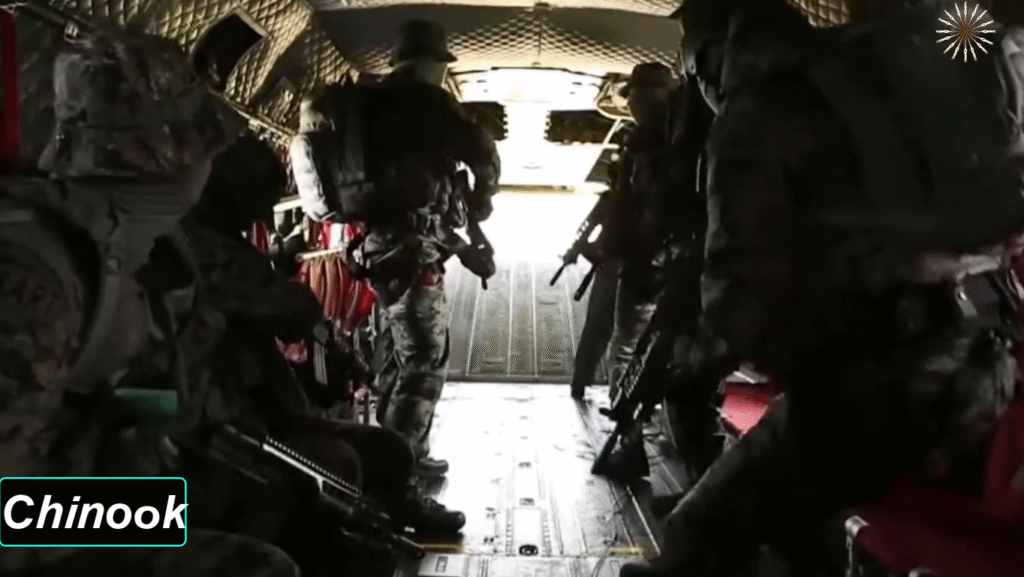
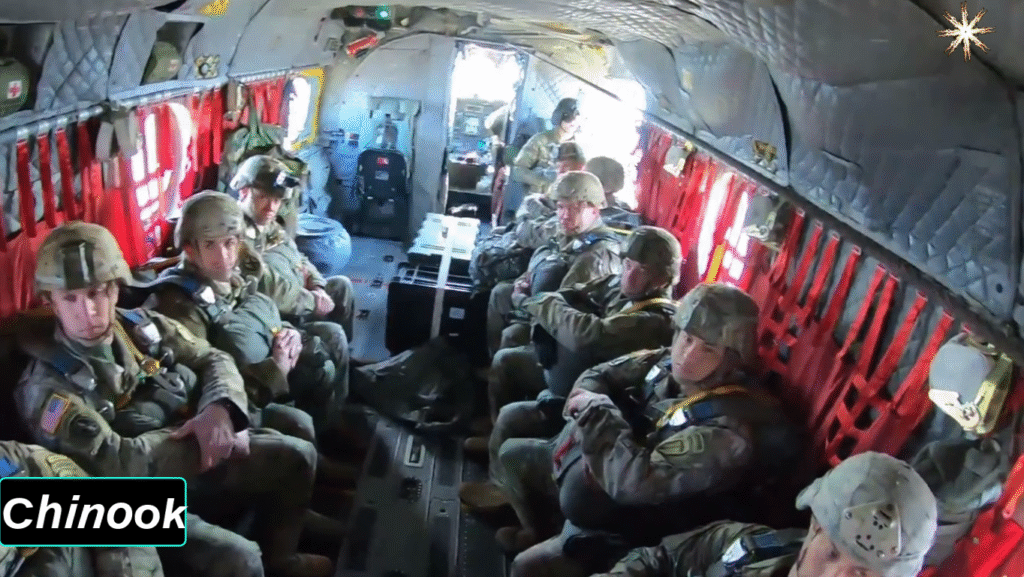
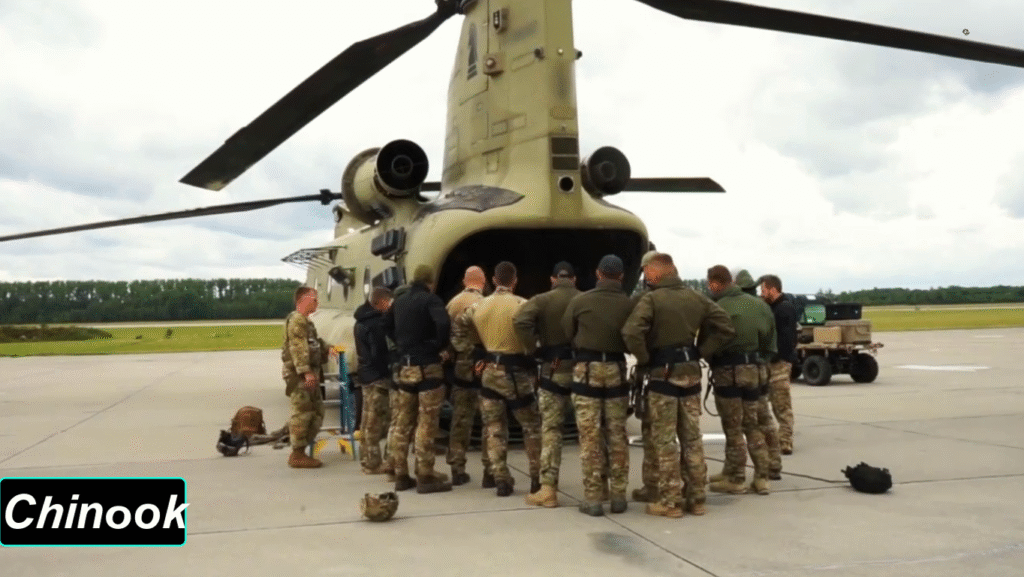
- Troop Capacity: Up to 44 fully equipped soldiers or 24 stretchers for medical evacuation missions
Modern Upgrades: The CH-47F and Block II Variants
Avionics and Cockpit Enhancements
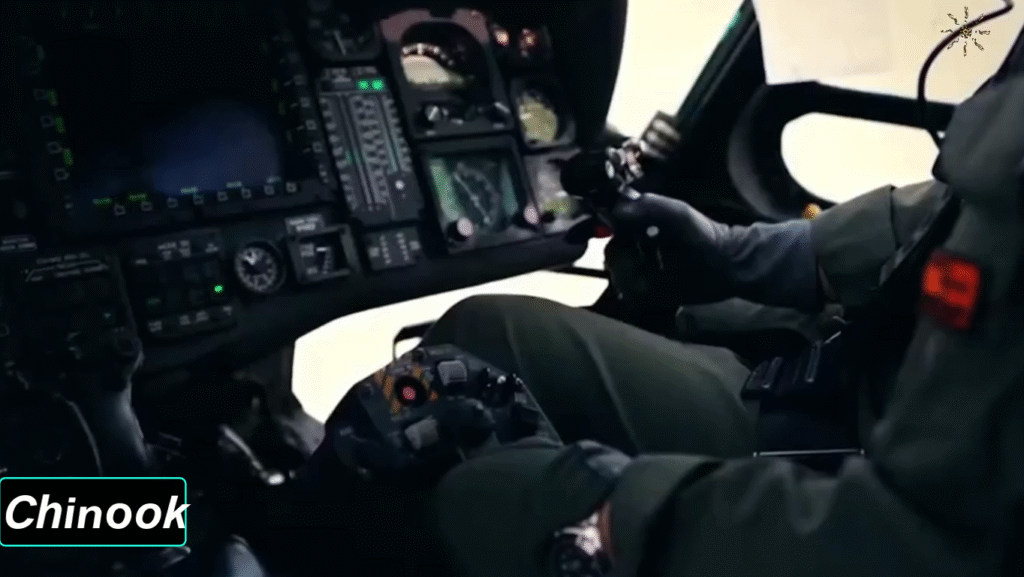
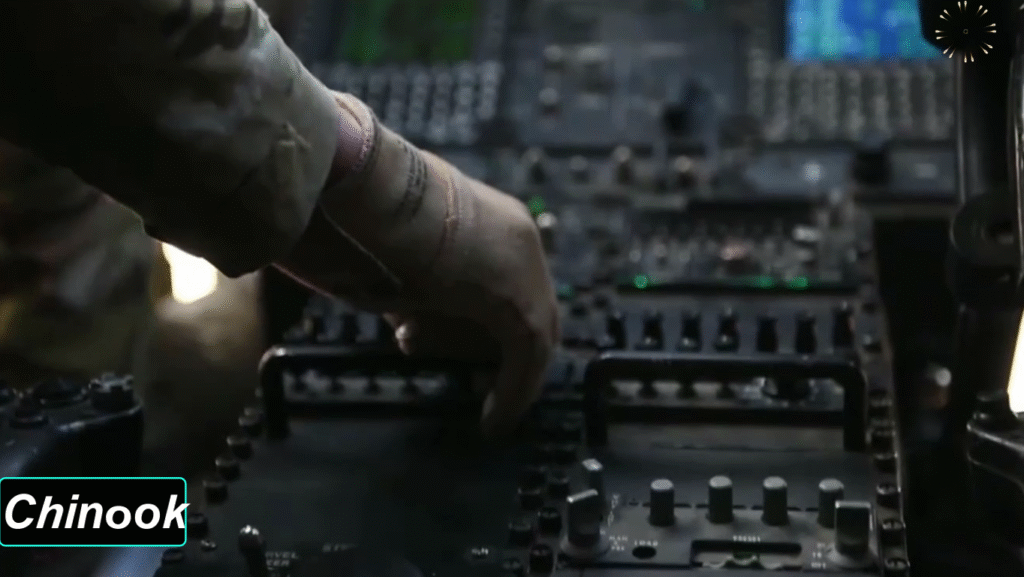
The CH-47F introduced the Common Avionics Architecture System (CAAS) — a fully digital cockpit with integrated flight management. Pilots benefit from improved situational awareness and automatic flight control systems (DAFCS), enhancing safety and mission reliability.
Structural and Aerodynamic Improvements
The Block II upgrade incorporates advanced materials, a redesigned airframe, and improved rotor blades for better payload efficiency and lower operational costs. These enhancements ensure the Chinook remains competitive and mission-ready well into the 2040s.
Operational Roles and Capabilities
Military Applications
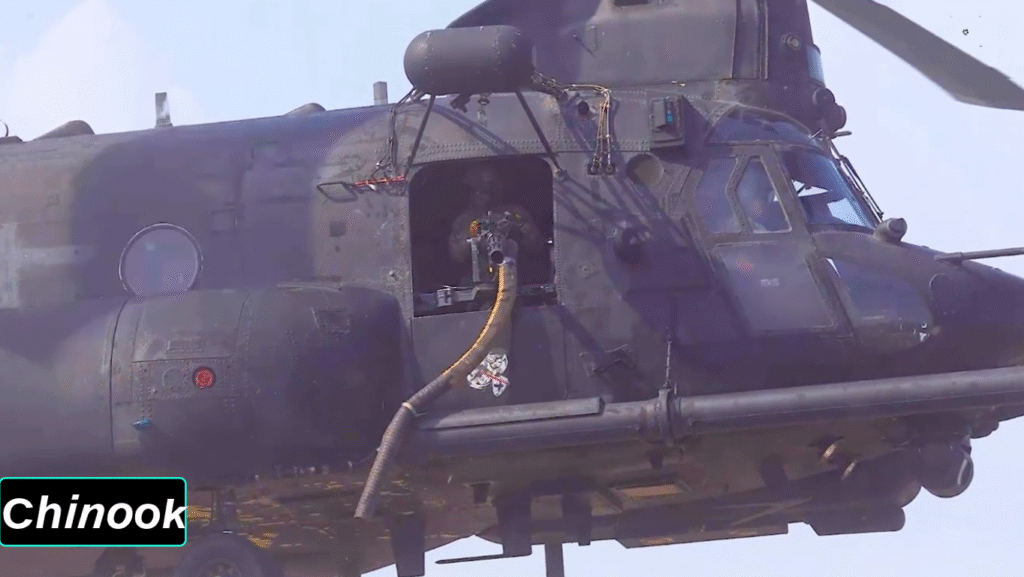
The Chinook’s primary role is heavy-lift transport—moving troops, artillery, vehicles, and supplies. It’s indispensable in combat zones, often performing under fire to deliver critical reinforcements.
Humanitarian and Civilian Missions
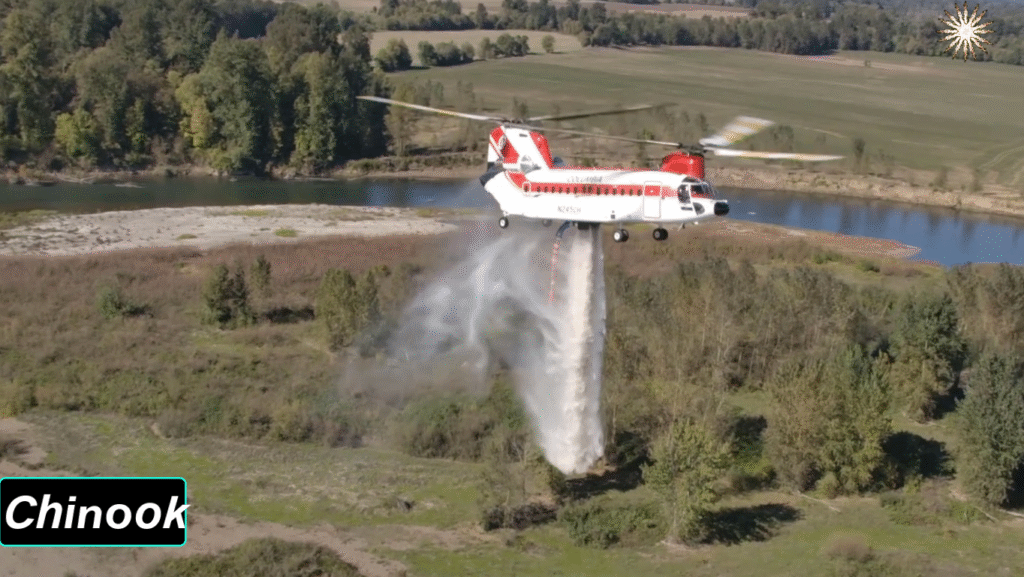
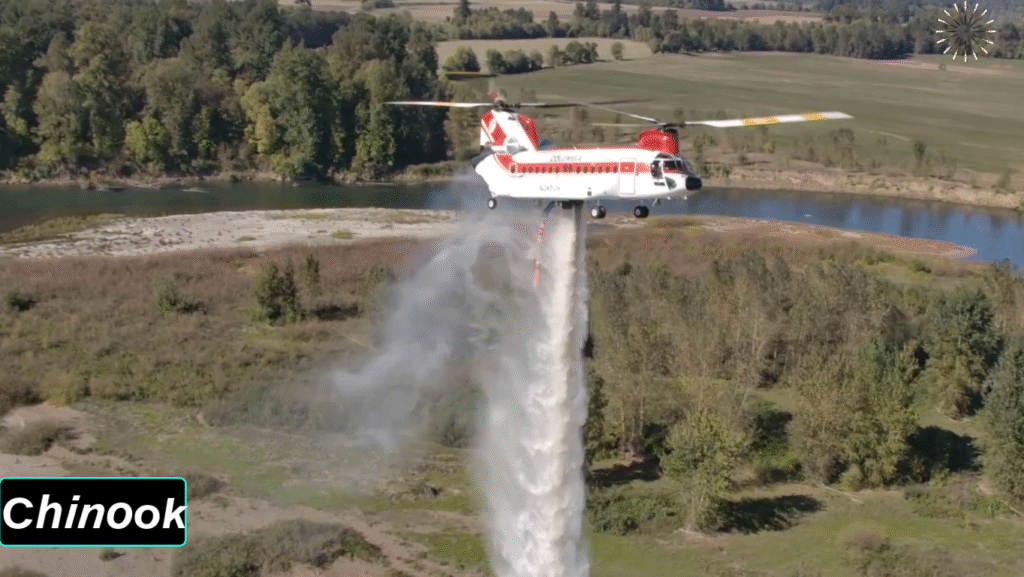
Beyond combat, the CH-47 plays a vital role in disaster relief, medical evacuations, and search-and-rescue operations. Its large cabin and powerful lift make it ideal for evacuating civilians or delivering aid during floods, earthquakes, and wildfires.


Combat and Operational History
Service from Vietnam to Modern Conflicts
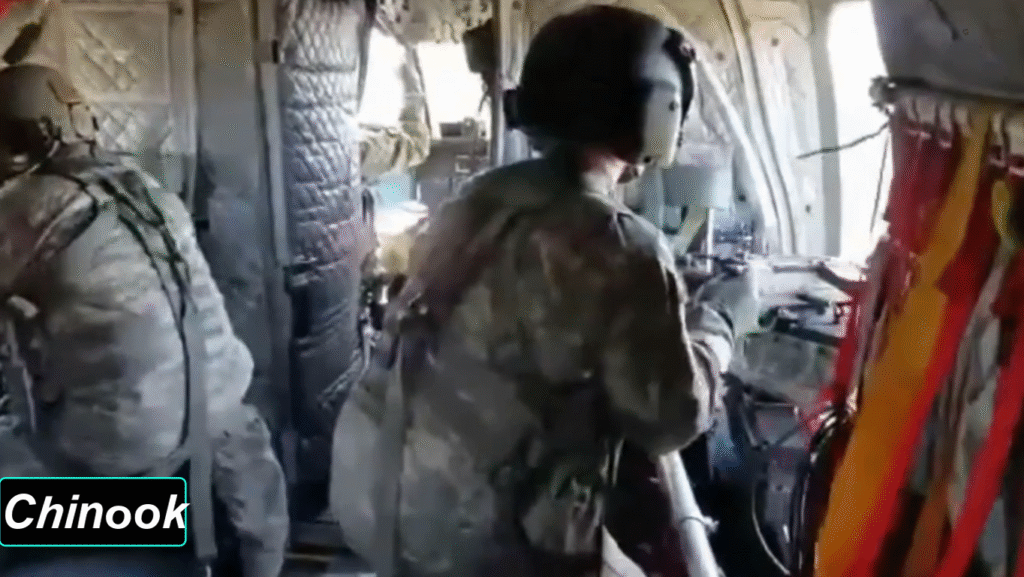
From the jungles of Vietnam to the deserts of Iraq and the mountains of Afghanistan, the Chinook has proven its worth time and again. It has adapted to new challenges with each upgrade, maintaining relevance in evolving warfare conditions.
Continued Relevance in the 21st Century
Today, the CH-47 remains a global workhorse, supporting NATO missions, peacekeeping efforts, and strategic logistics for numerous nations. Its longevity is unmatched in rotary-wing aviation.
Variants of the CH-47 Chinook
From CH-47A to CH-47F: The Evolution Timeline
Each generation brought significant improvements:
- CH-47A/B/C: Early production and performance upgrades
- CH-47D: Composite rotor blades and advanced engines
- CH-47F: Digital avionics and reinforced structure
Specialized Models: MH-47 for Special Operations
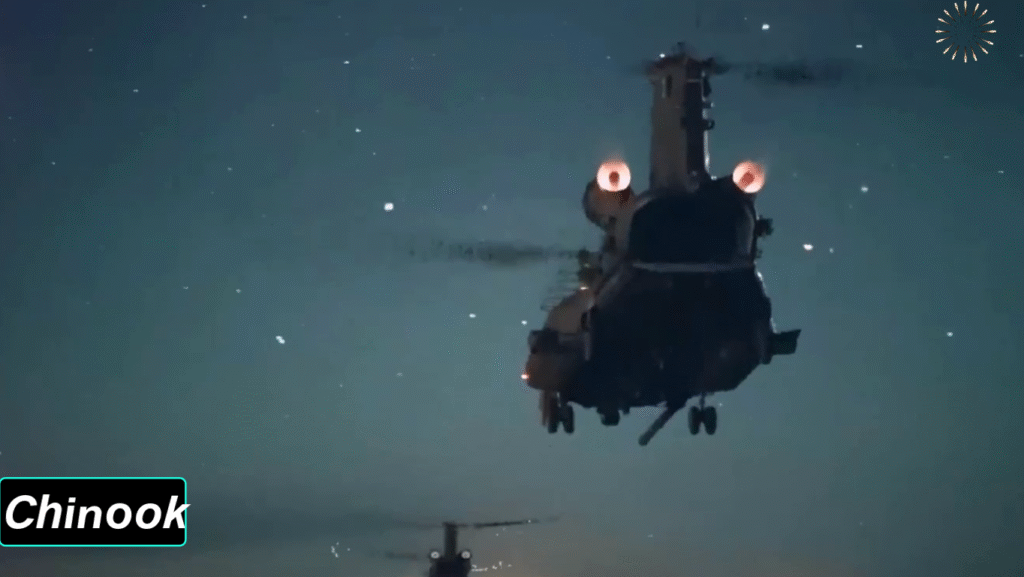
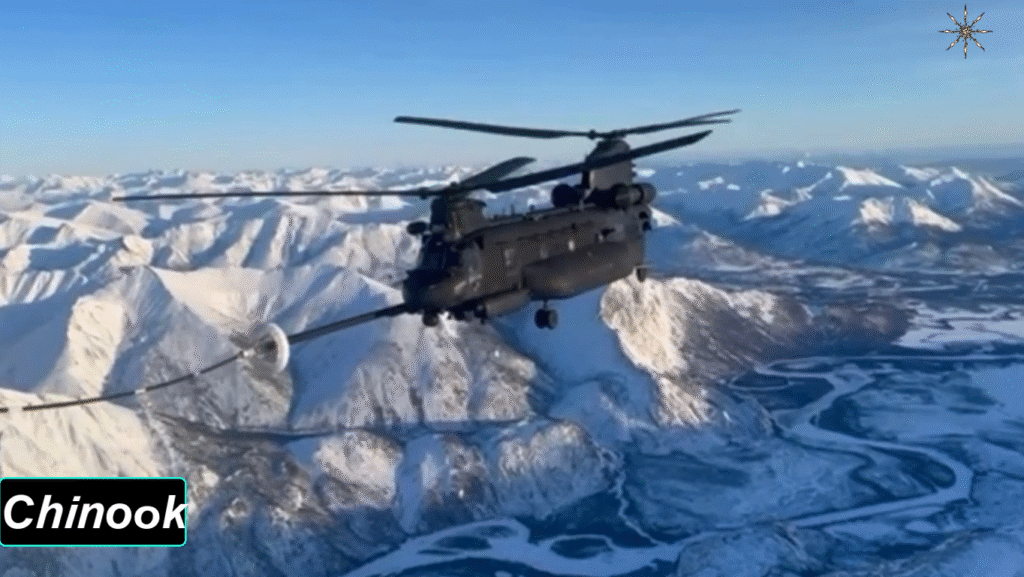
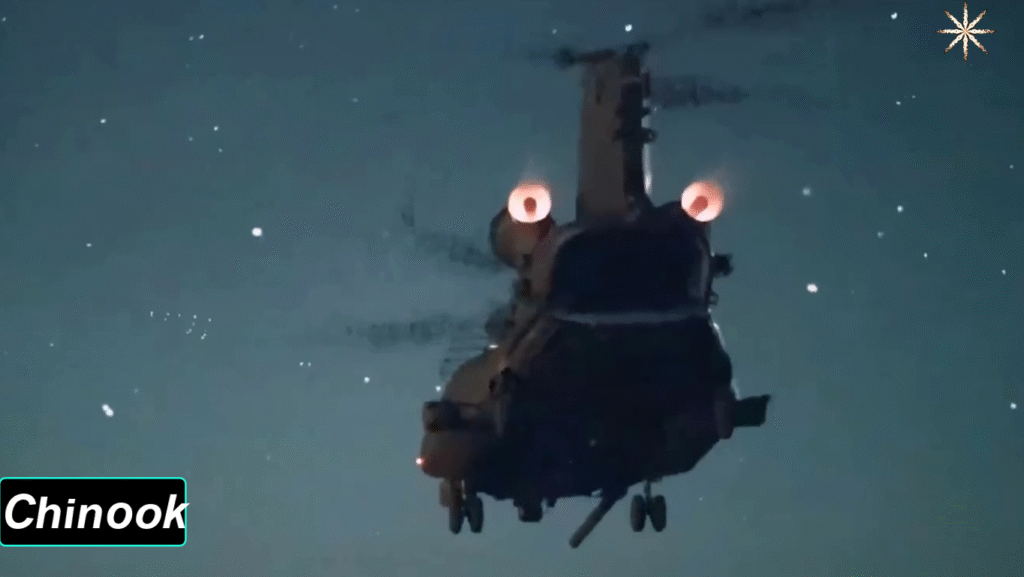
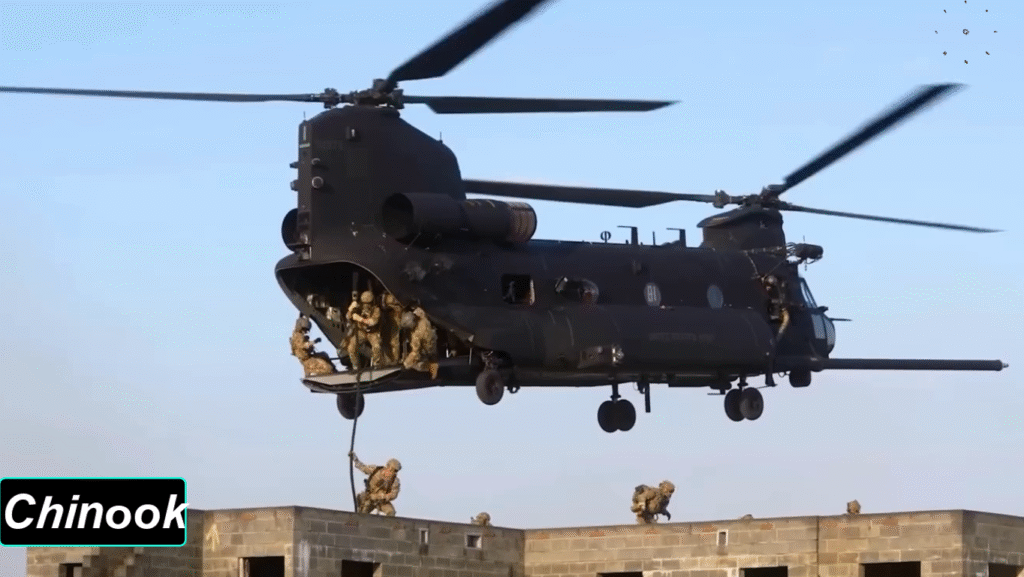
The MH-47 series, designed for U.S. Special Operations Command, includes in-flight refueling capability, advanced navigation, and stealth features for night and covert missions.
Global Operators and Strategic Importance
Countries Using the CH-47 Today
Over 20 countries operate the Chinook, including the United States, United Kingdom, Germany, India, Japan, and Italy. The U.S. Army alone operates approximately 465 CH-47F units as of 2025.
International Collaborations and Procurement Programs
Nations continue to procure updated Chinook models for strategic lift operations, highlighting the aircraft’s continued relevance in modern defense ecosystems.
Strengths and Advantages of the Chinook Helicopter
Heavy-Lift Superiority
With the ability to lift over 12,000 kg, the Chinook can transport artillery, vehicles, and essential logistics rapidly across the battlefield.
Versatility Across Terrains
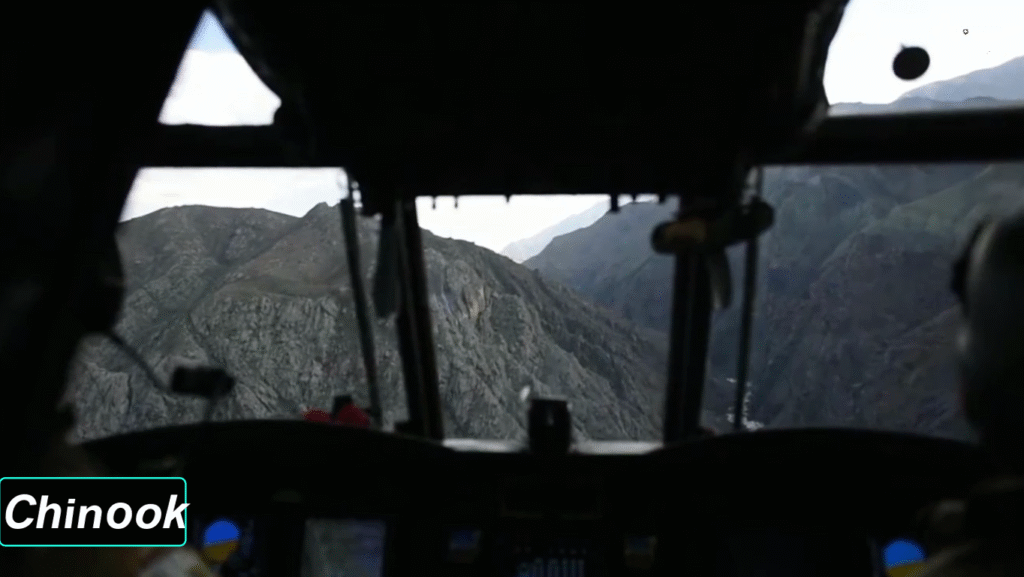
It operates in extreme conditions—from high-altitude Himalayan ranges to desert heat—making it indispensable for global military and humanitarian operations.
Proven Durability and Longevity
Over six decades of continuous service underline the Chinook’s unmatched reliability and adaptability.
Limitations and Operational Considerations
While powerful, the Chinook’s size and operational cost are significant. It requires specialized maintenance, large landing zones, and skilled crews. Yet, these trade-offs are minimal compared to its immense strategic advantages.
The CH-47 Chinook in the Future of Military Aviation
As defense technology evolves, Boeing continues enhancing the Chinook with digital flight systems, improved fuel efficiency, and modular upgrades, ensuring it remains the world’s premier heavy-lift helicopter.
FAQs about the CH-47 Chinook
- What makes the CH-47 Chinook unique?
Its tandem-rotor system allows exceptional lift and stability without a tail rotor. - How fast can the Chinook fly?
It can reach speeds of around 302 km/h (170 knots). - How many troops can it carry?
Up to 44 fully equipped soldiers or 24 medical litters. - Which countries use the Chinook?
The U.S., U.K., Germany, India, Japan, and several others. - When did the CH-47 first enter service?
It entered service in 1962. - Is the Chinook still in production?
Yes — Boeing continues production and modernization as of 2025.
Conclusion: The Chinook’s Enduring Legacy
For over sixty years, the CH-47 Chinook has embodied strength, reliability, and innovation. Its unique design and ongoing modernization make it more than just a helicopter—it’s a vital lifeline for soldiers, civilians, and humanitarian missions worldwide. As it continues to evolve, the Chinook remains a timeless symbol of engineering brilliance and operational excellence.