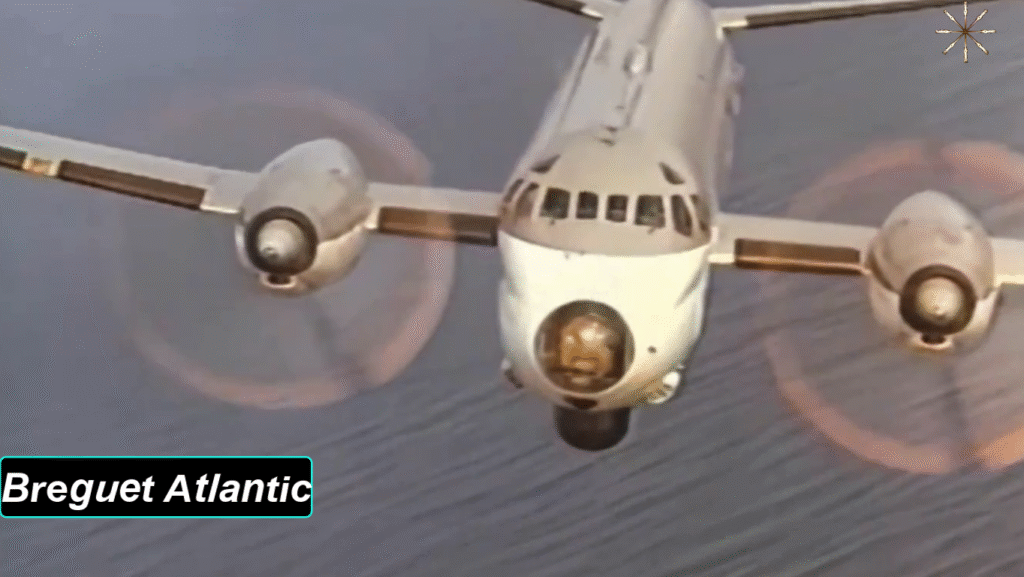
Introduction to the Breguet Atlantic
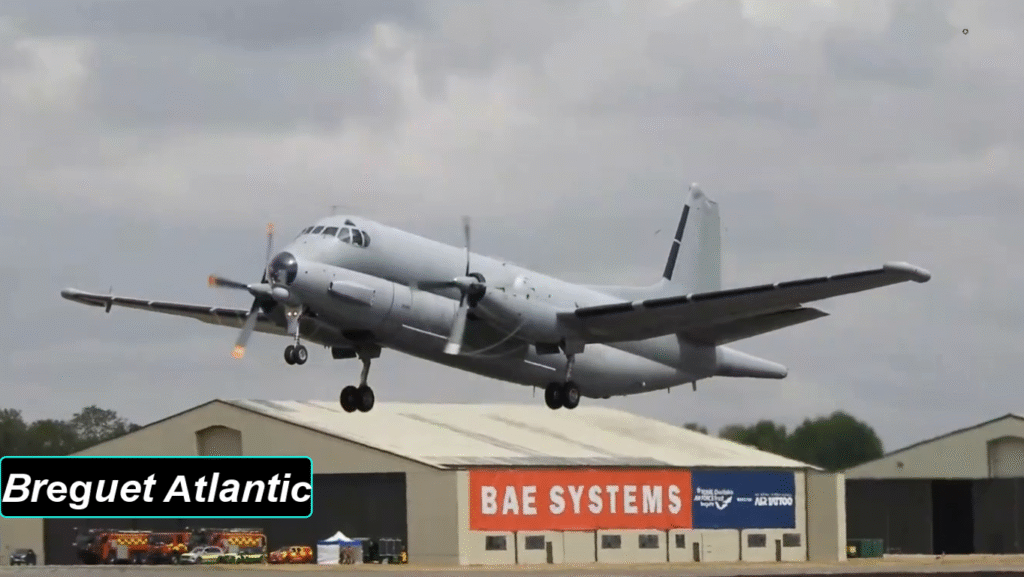
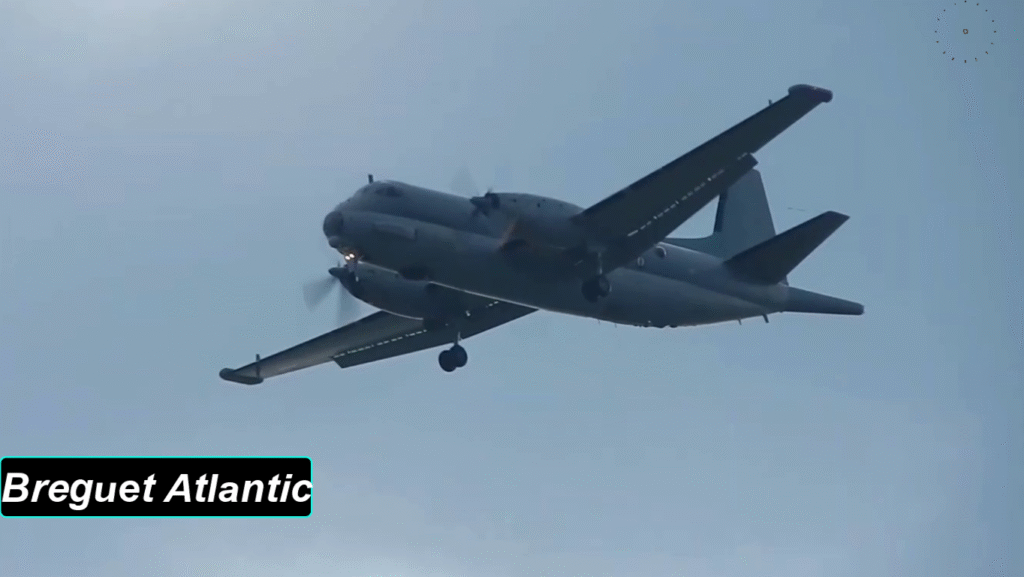
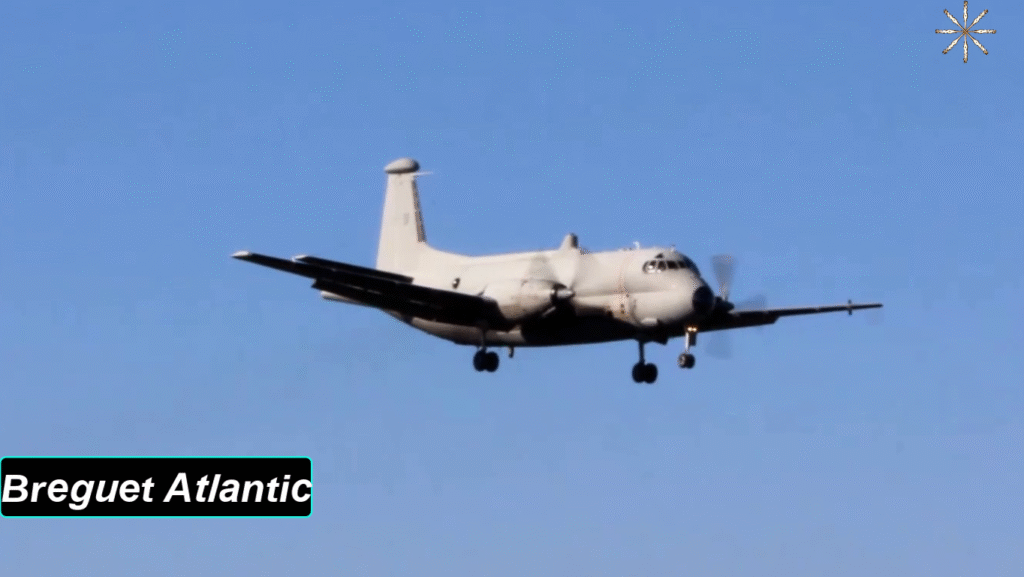
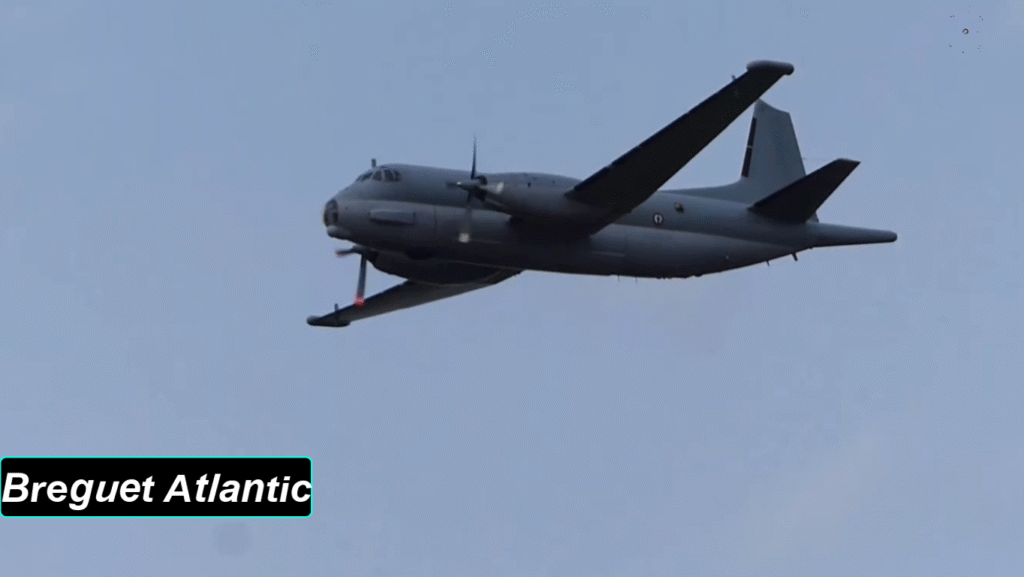
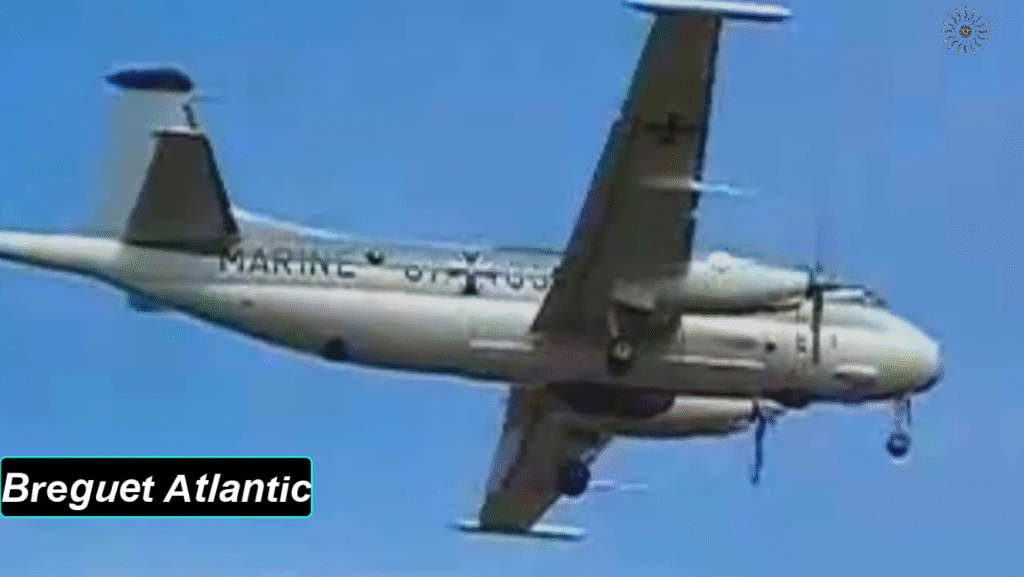
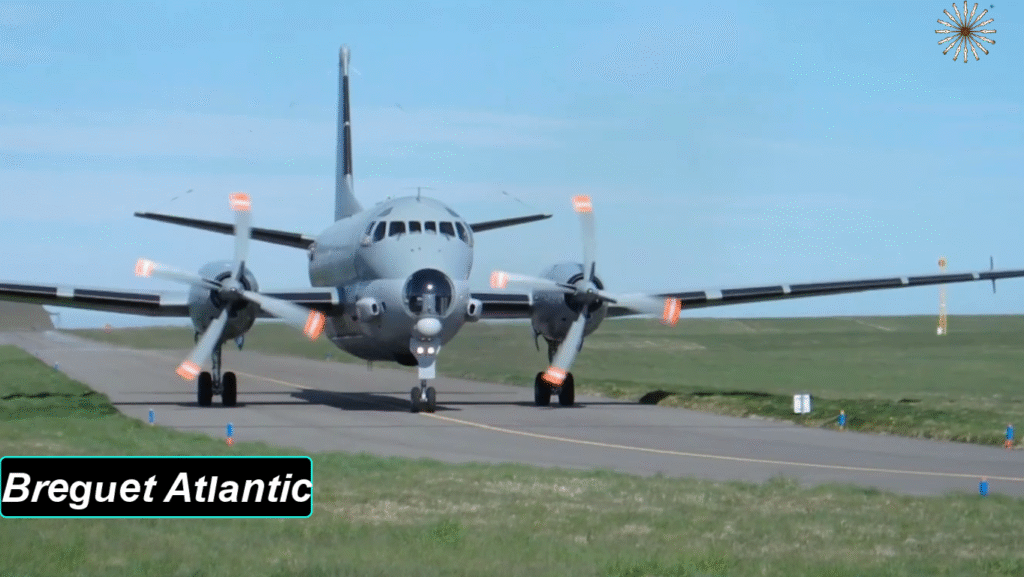
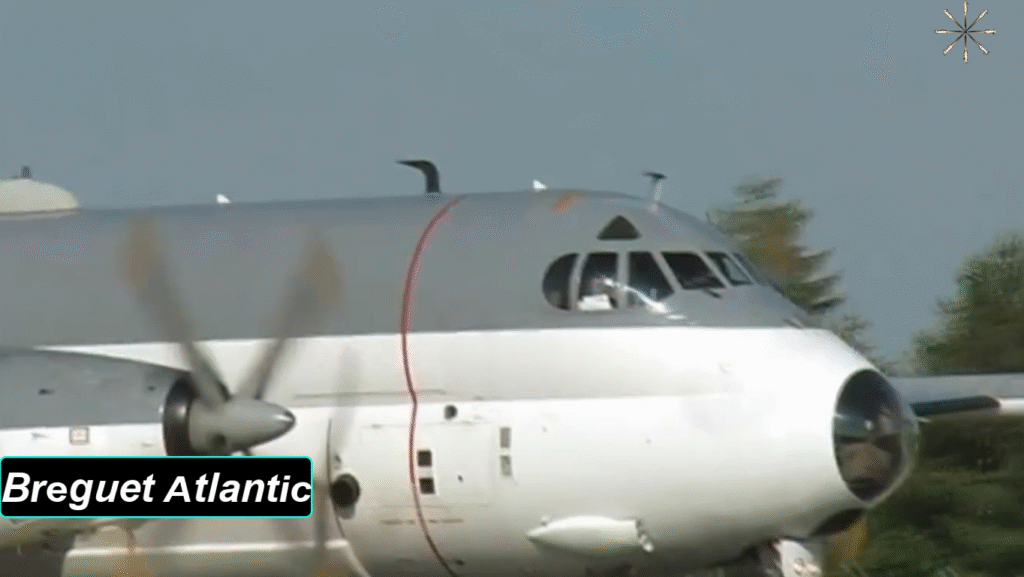
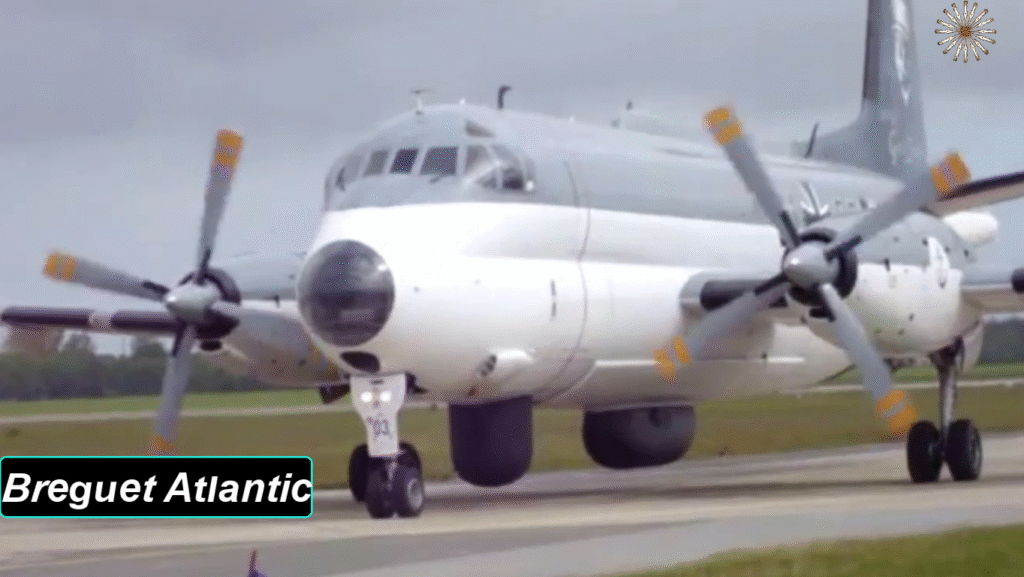
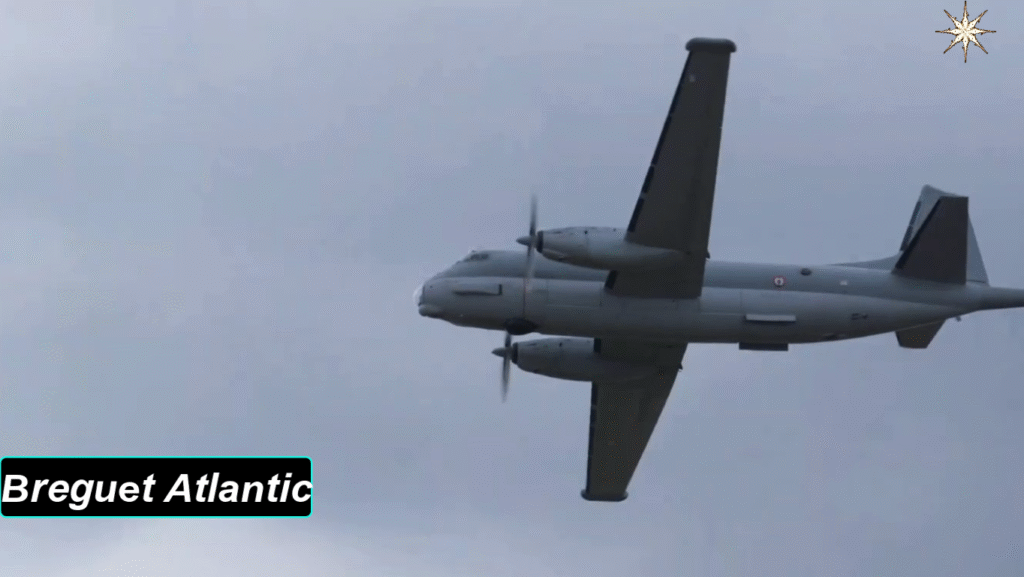
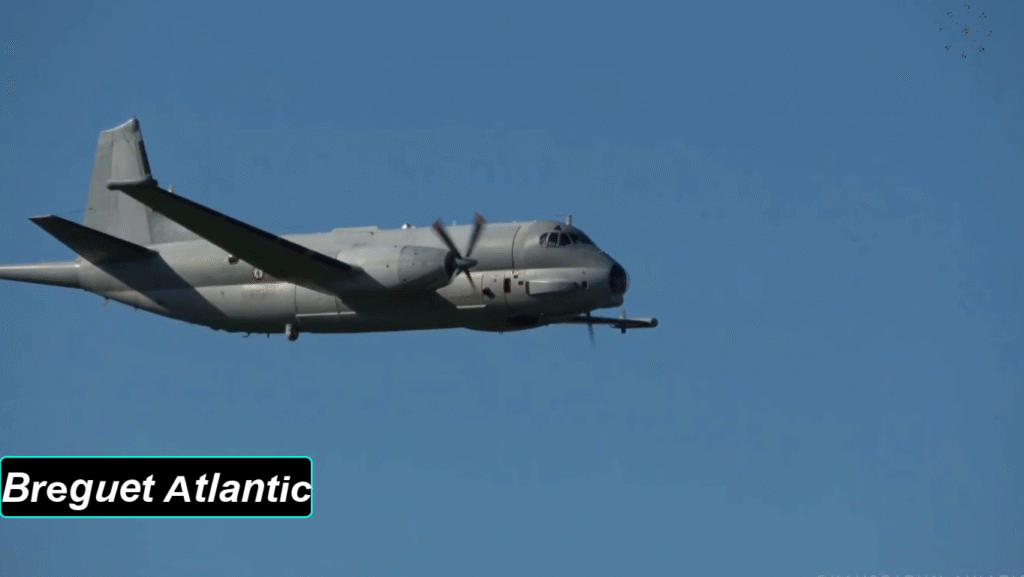
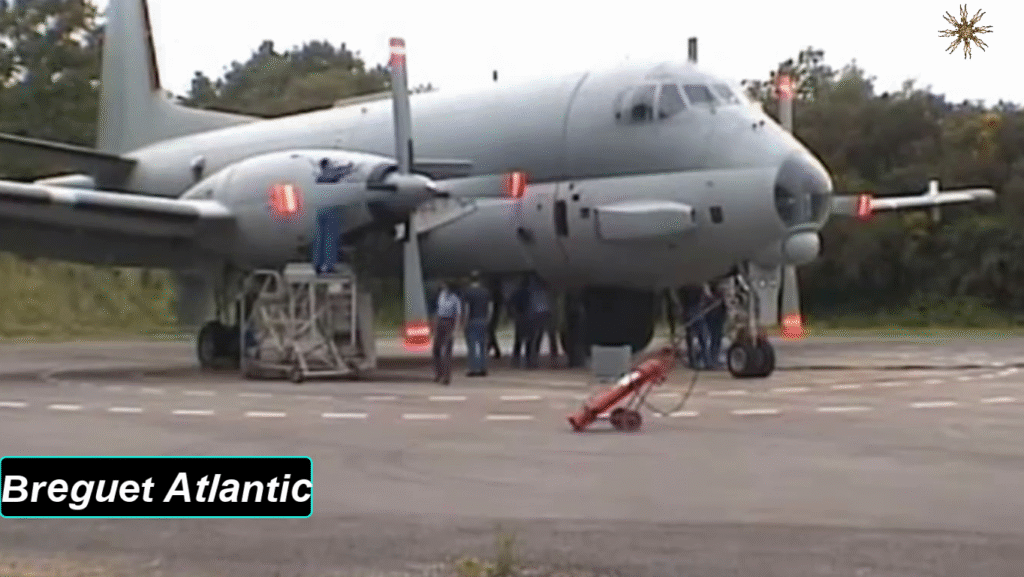
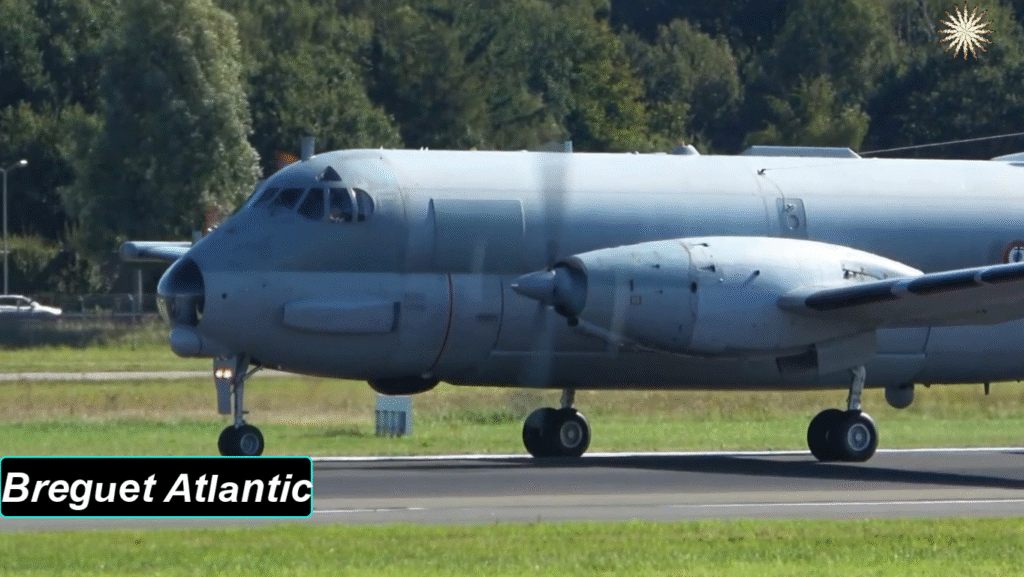
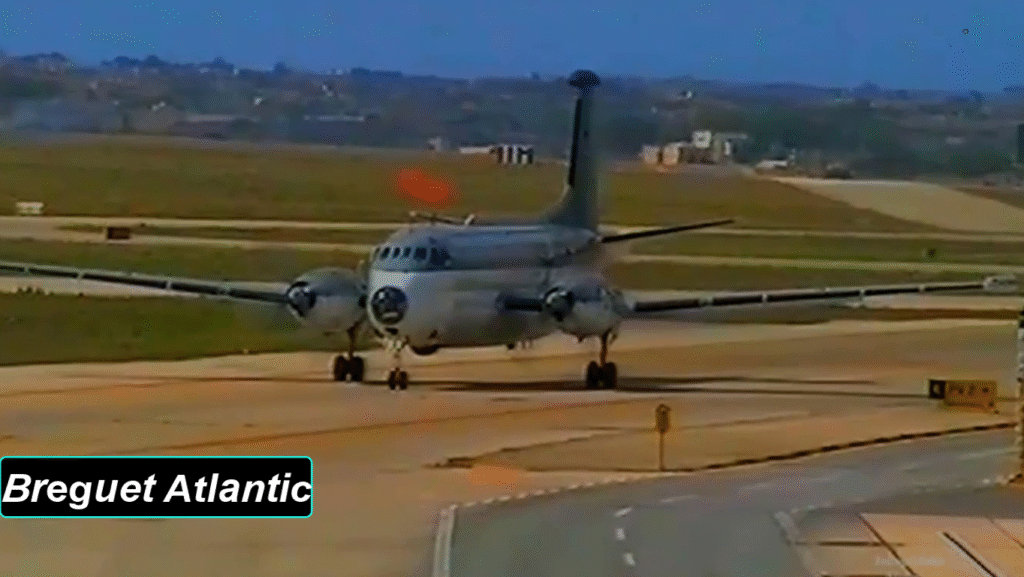
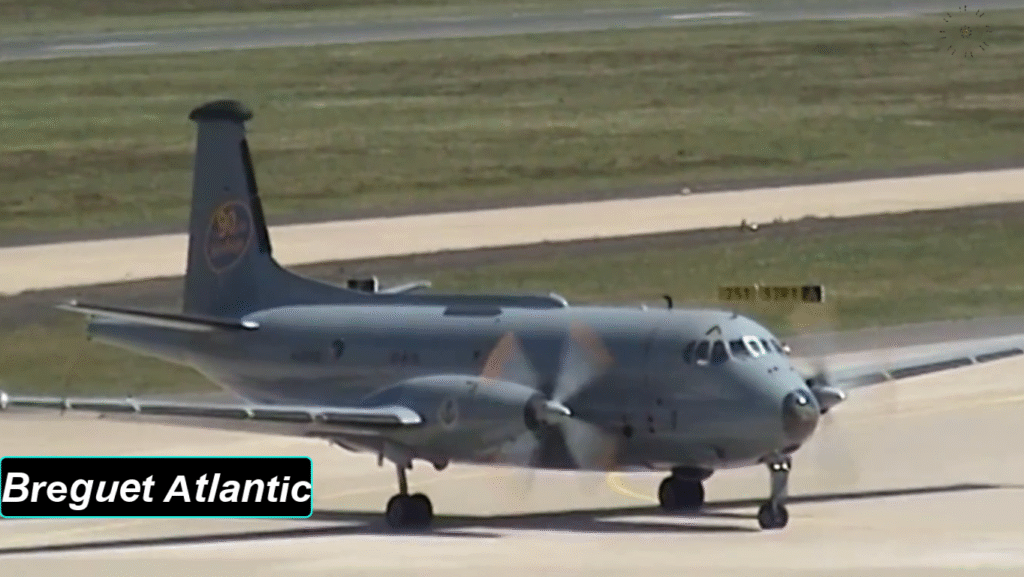
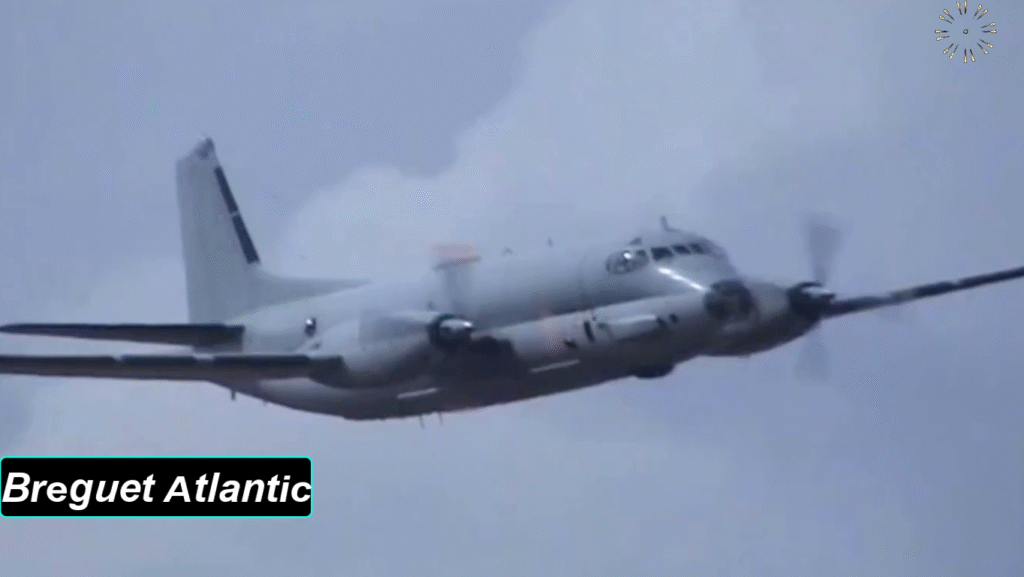
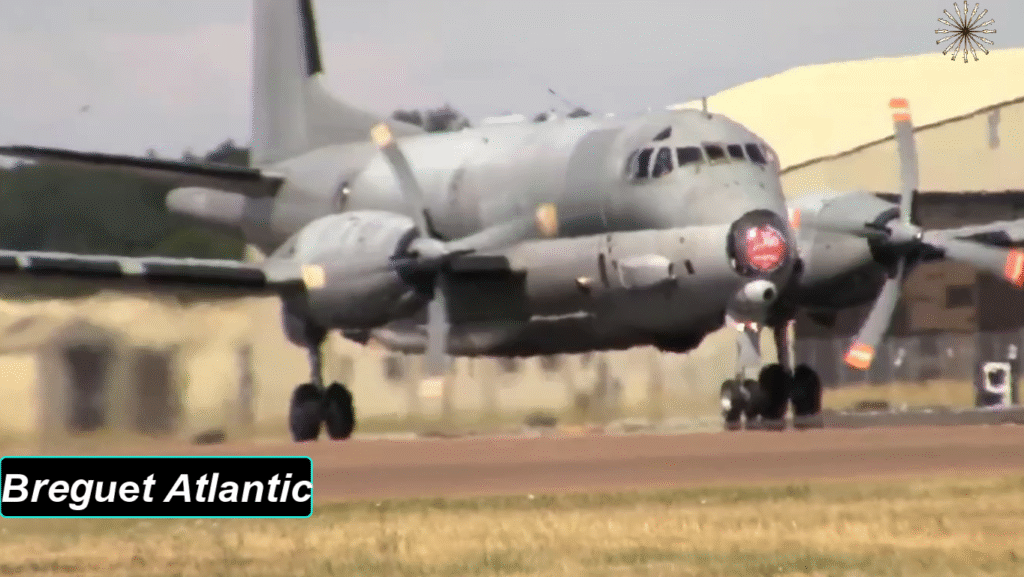
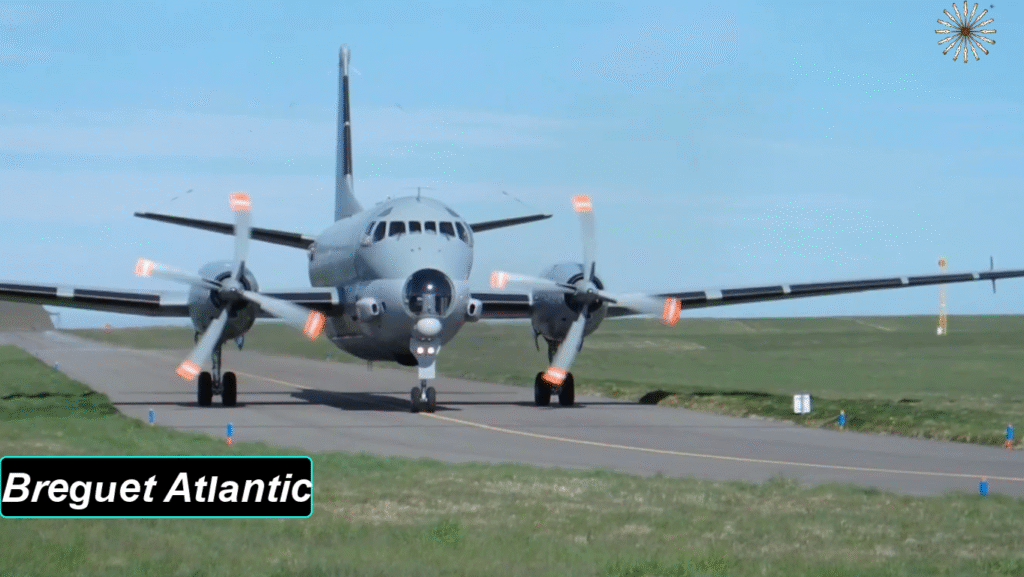
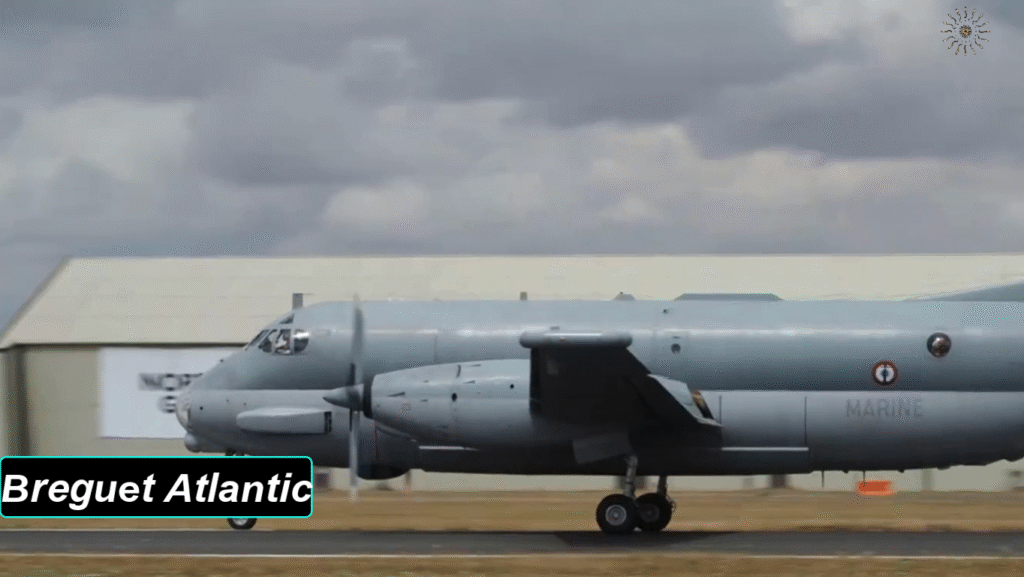
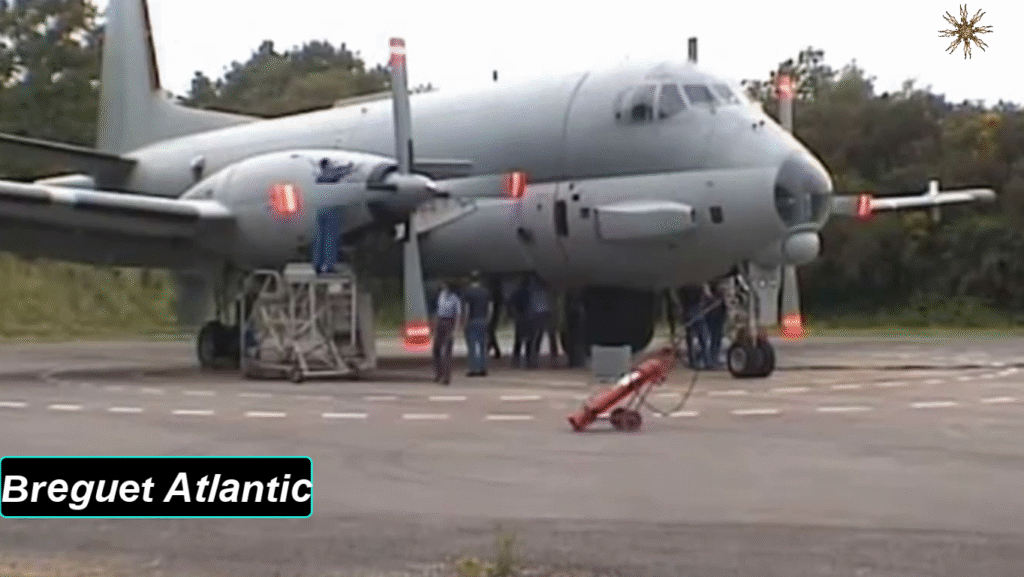
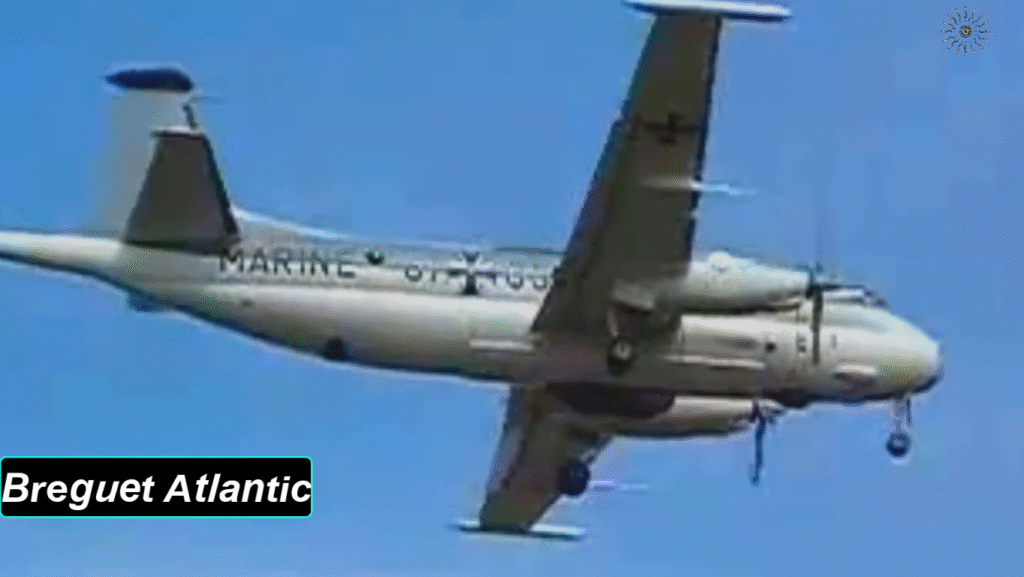
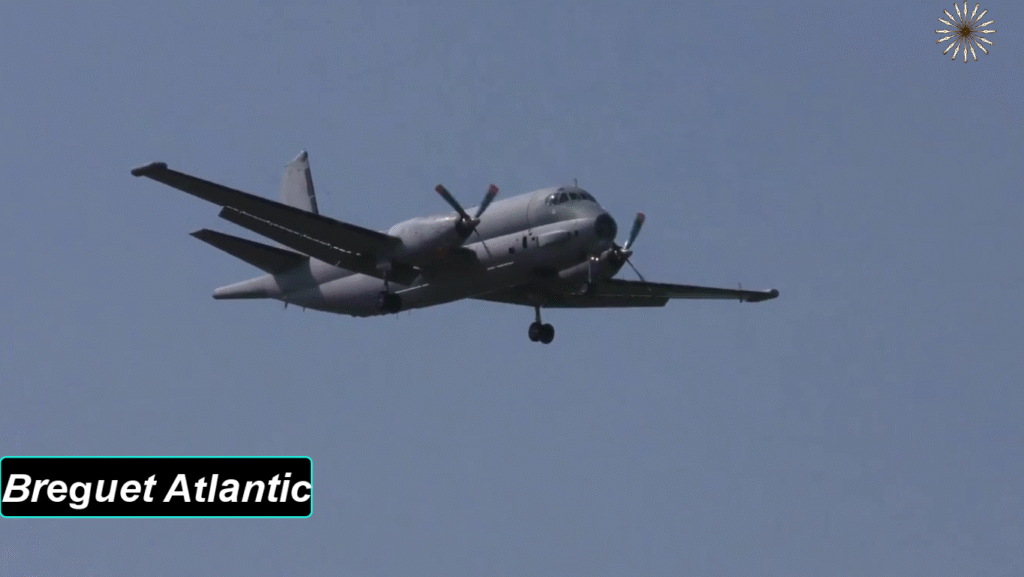
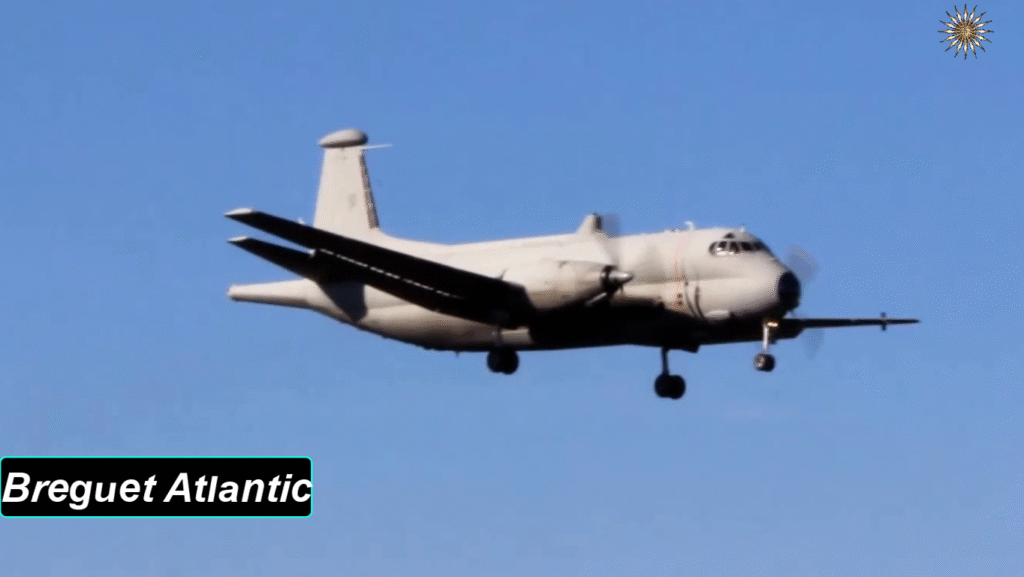
The Breguet Atlantic, officially known as the Bréguet Br.1150 Atlantic, stands as one of Europe’s most successful maritime patrol and anti-submarine warfare (ASW) aircraft. Designed and built by Breguet Aviation in response to NATO’s 1958 requirement for a long-range oceanic patrol platform, it became the backbone of maritime surveillance for several NATO countries during the Cold War and beyond. Unlike many of its contemporaries, the Atlantic was conceived from the ground up specifically for military maritime operations, not adapted from a commercial design.
Origins and Development
NATO’s 1958 Specification and the Birth of SECBAT
By the late 1950s, aging aircraft like the Lockheed P2V Neptune were struggling to meet NATO’s evolving maritime surveillance needs. In response, NATO issued a new specification in 1958 for a purpose-built aircraft capable of long-range patrol, anti-submarine warfare, and reconnaissance.
Breguet Aviation took the lead, establishing a multinational consortium known as Société d’Étude et de Construction de Breguet Atlantic (SECBAT). The cooperative project involved major European partners and represented one of the first significant post-war aerospace collaborations in NATO history.
First Flight and Early Production
The first prototype of the Breguet Atlantic took to the skies on 21 October 1961 from Toulouse, France. Its performance quickly proved the validity of the concept. Production began in 1963, with initial orders for 40 aircraft from France and 20 from Germany. The first deliveries followed in 1965, marking the start of a new era in NATO maritime patrol capability.
Design and Technical Characteristics
Structural Design and Material Composition
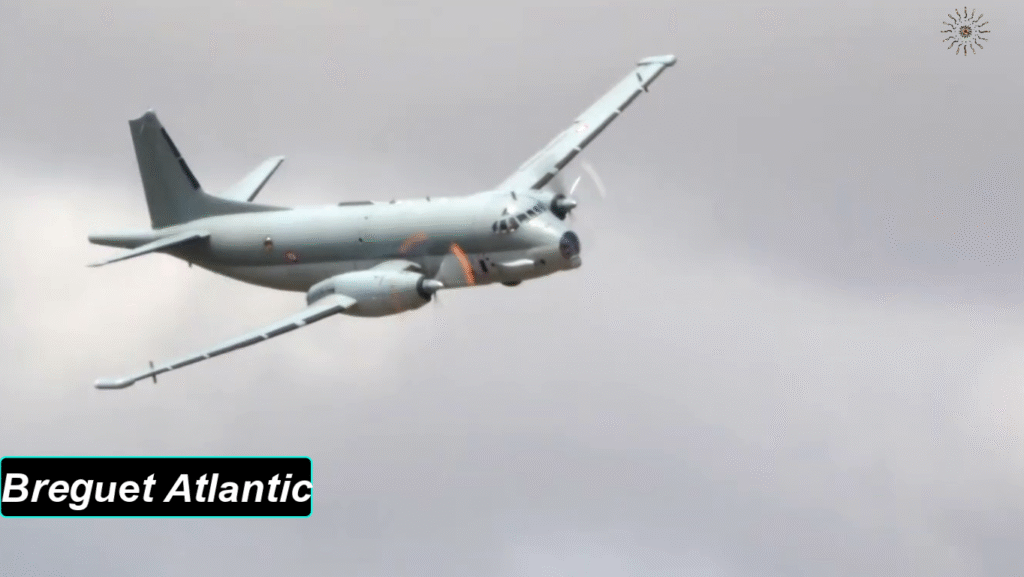
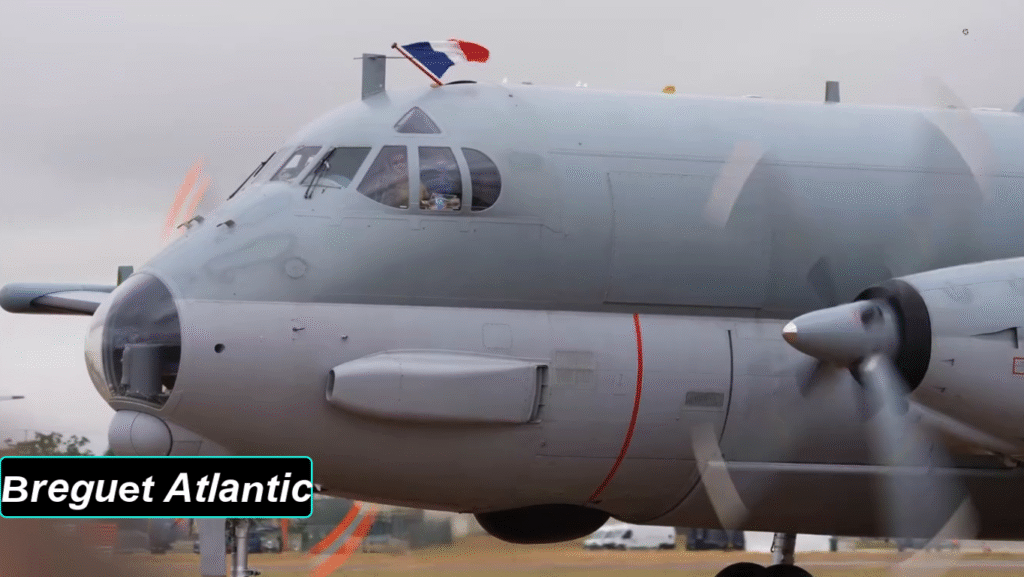
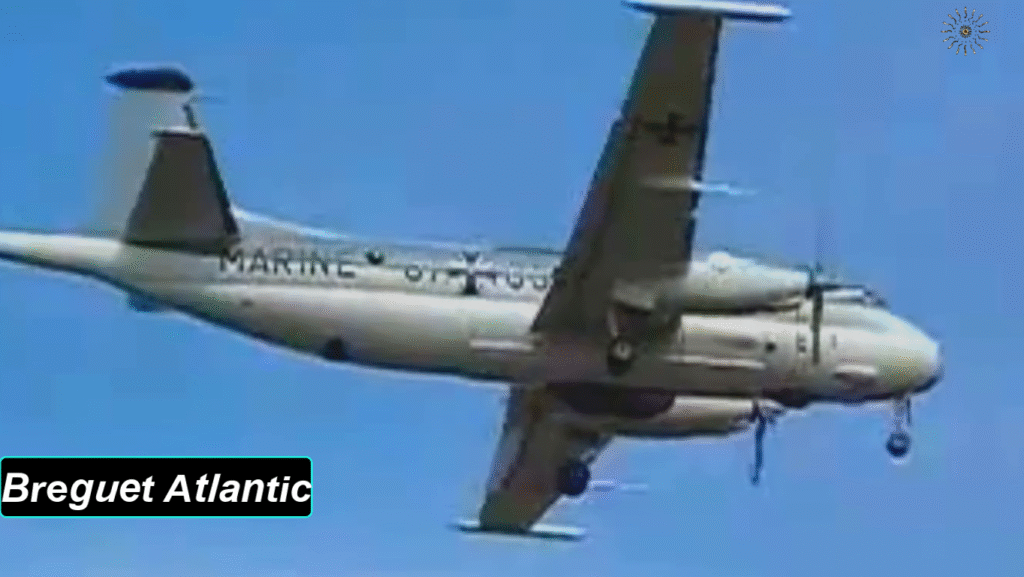
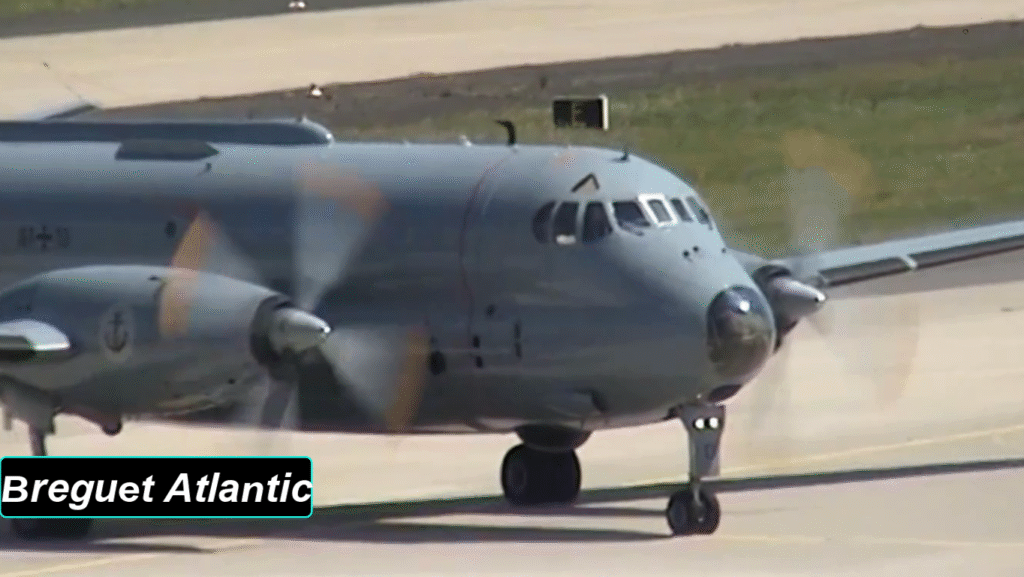
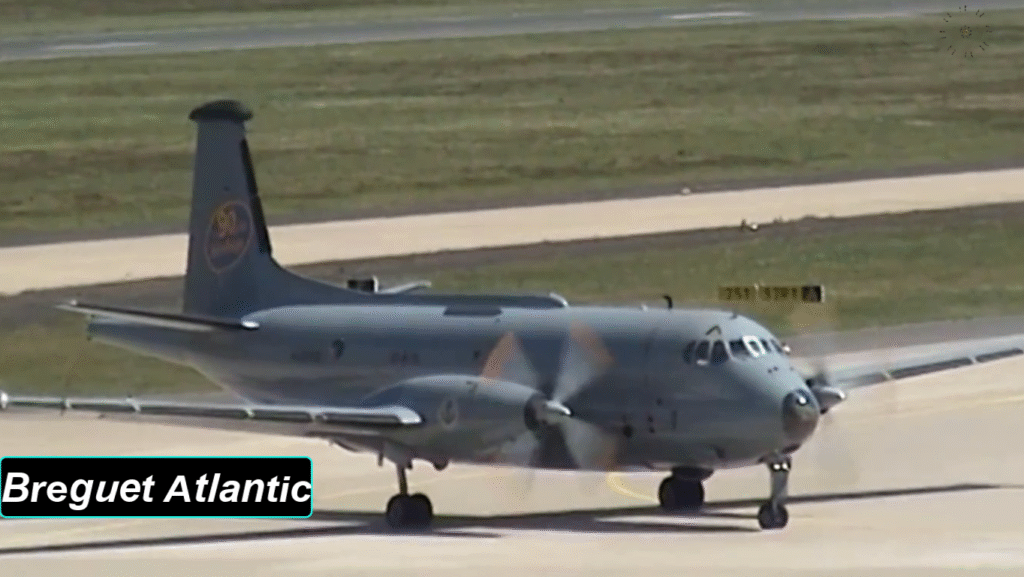
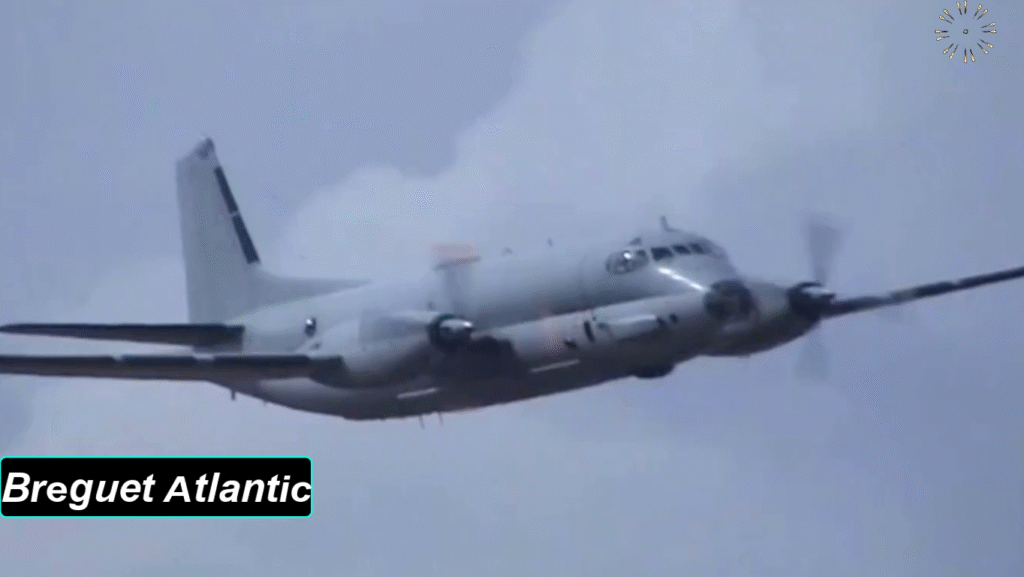
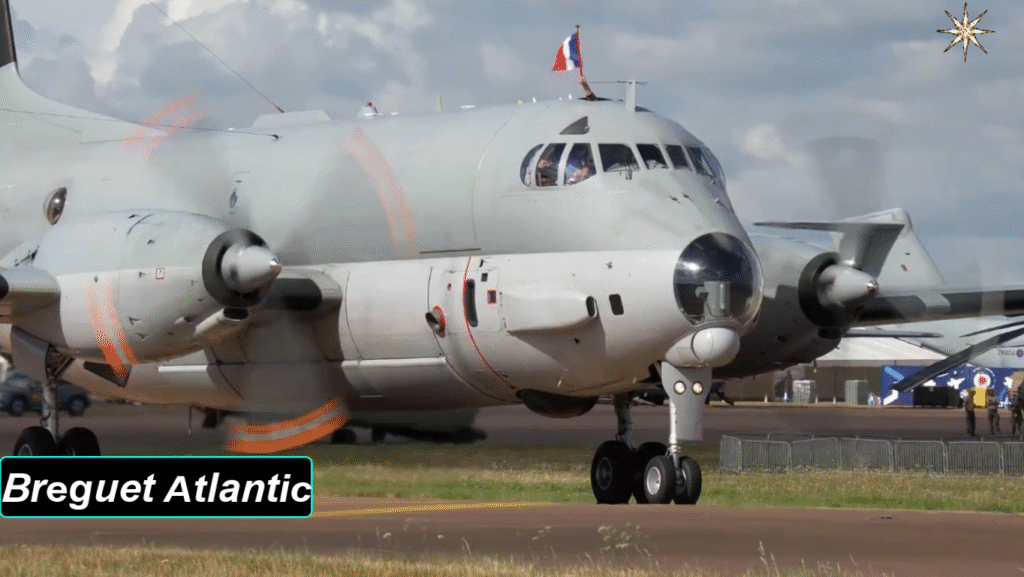
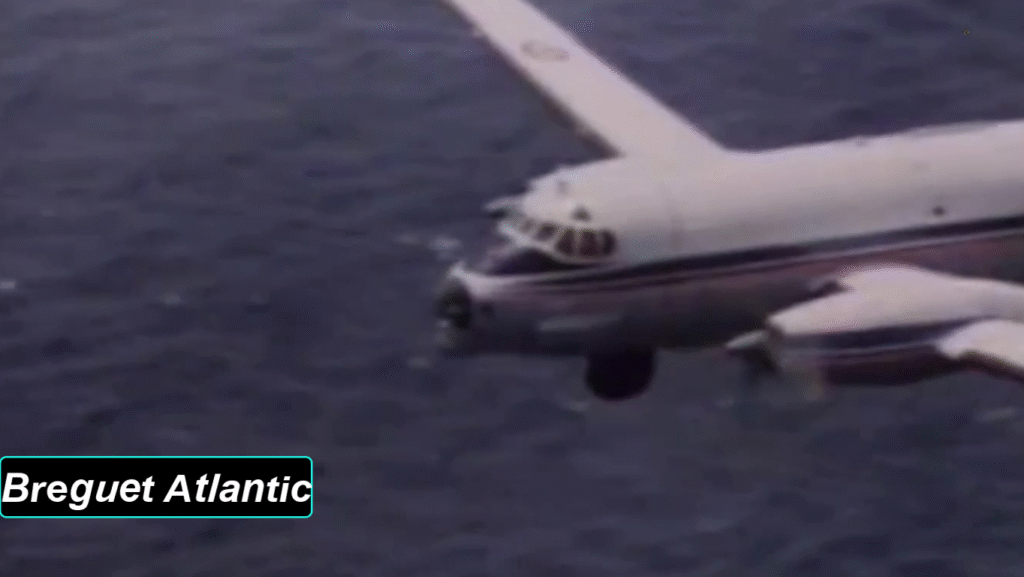
The Breguet Atlantic is a twin-engine turboprop, mid-wing monoplane constructed mainly of aluminium. Its corrosion resistance was a design challenge given its maritime environment, but engineers implemented protective coatings and advanced materials for durability.
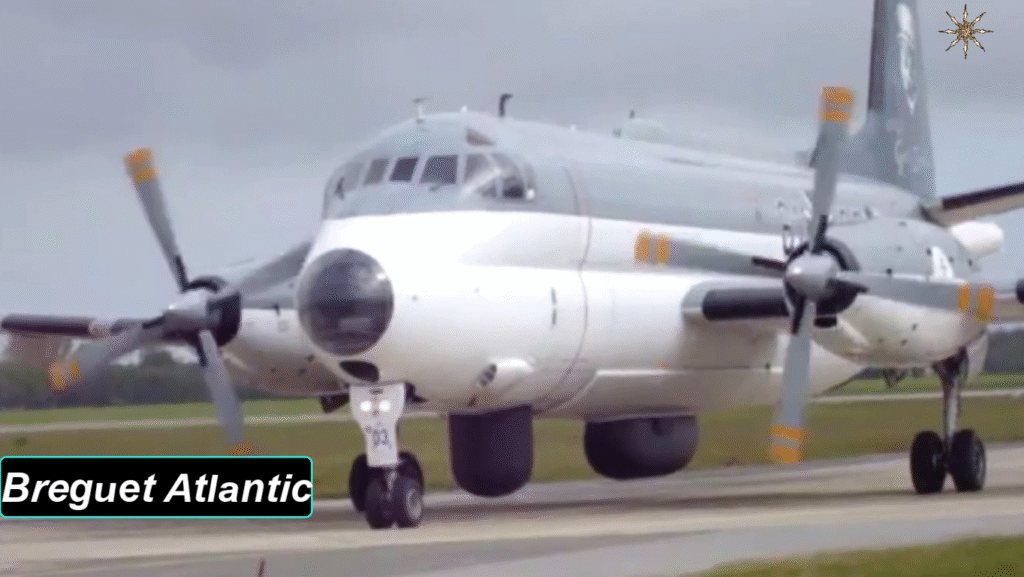
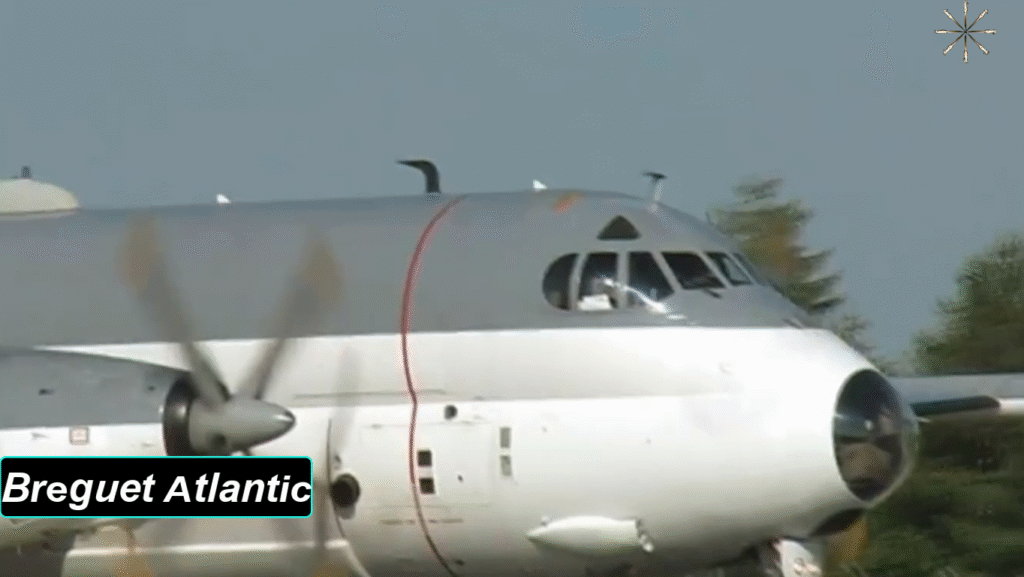
Distinctive Double-Bubble Fuselage
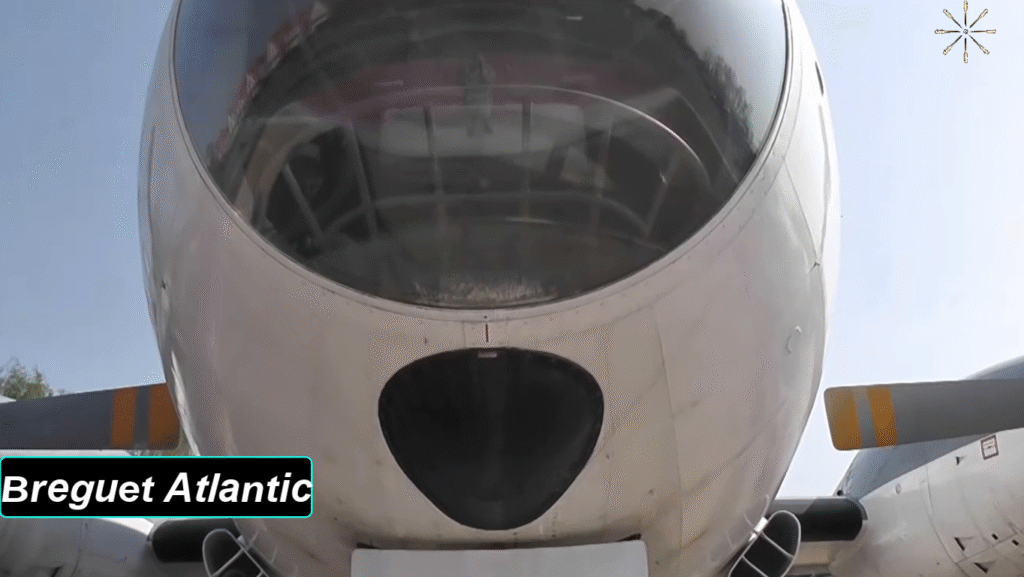
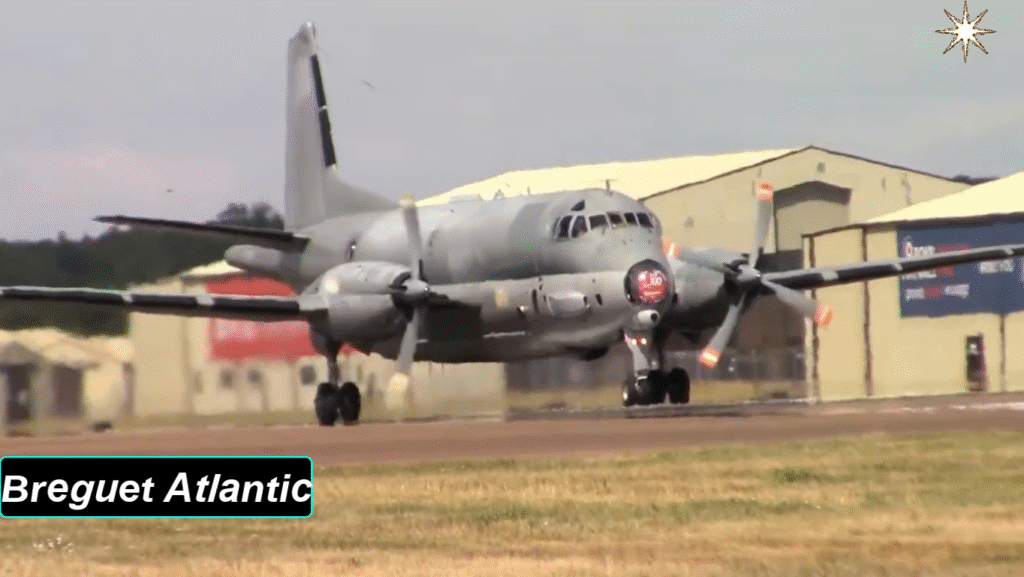
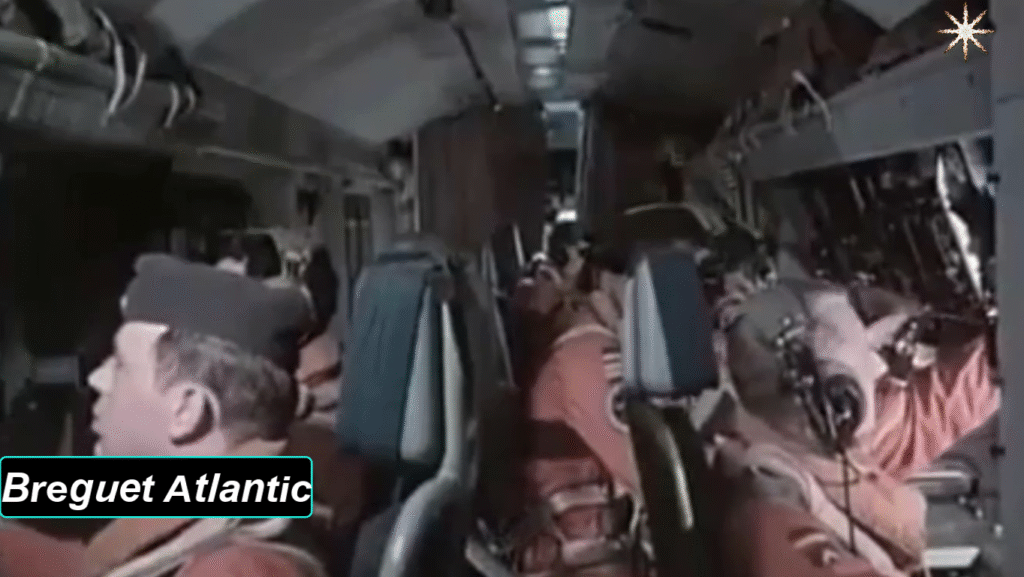
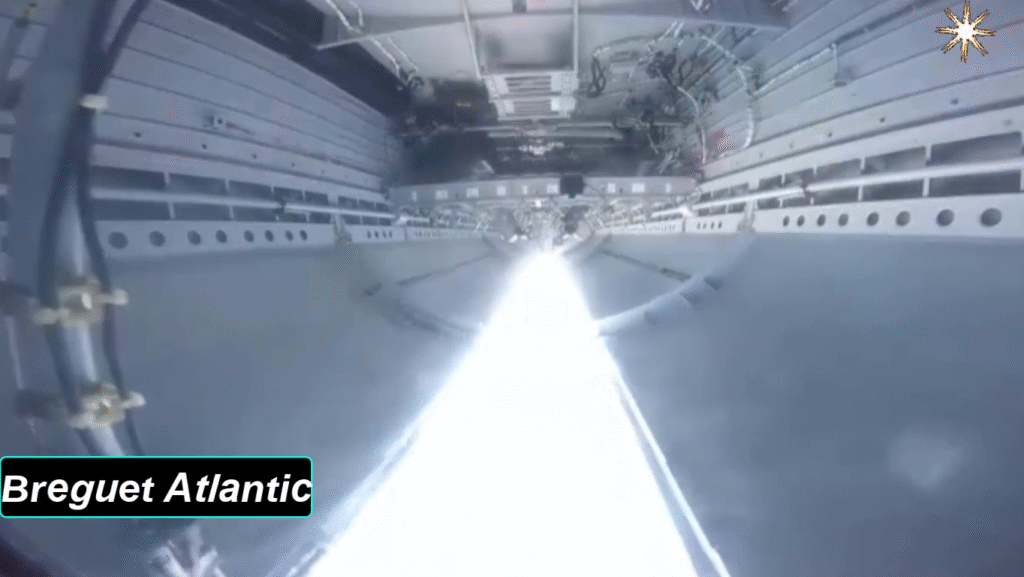
A unique design feature was its “double-bubble” fuselage—an upper pressurized section for the crew and a lower unpressurized bay for weapons. This allowed the aircraft to carry an extensive arsenal while maintaining crew comfort on long missions. The internal weapons bay stretched approximately 9 meters in length, with sonobuoy tubes located aft.
Powerplant and Propulsion
Propulsion was provided by two Rolls-Royce Tyne RTy.20 Mk 21 turboprop engines, each producing roughly 6,100 shaft horsepower. These engines delivered reliable power for extended patrols, offering excellent endurance and operational flexibility.
Dimensions and Weight
- Length: ~31.7 m
- Wingspan: ~36.3 m (early ATL1), up to ~37.4 m (ATL2)
- Height: ~10.9 m
- Maximum Takeoff Weight: ~46,000 kg
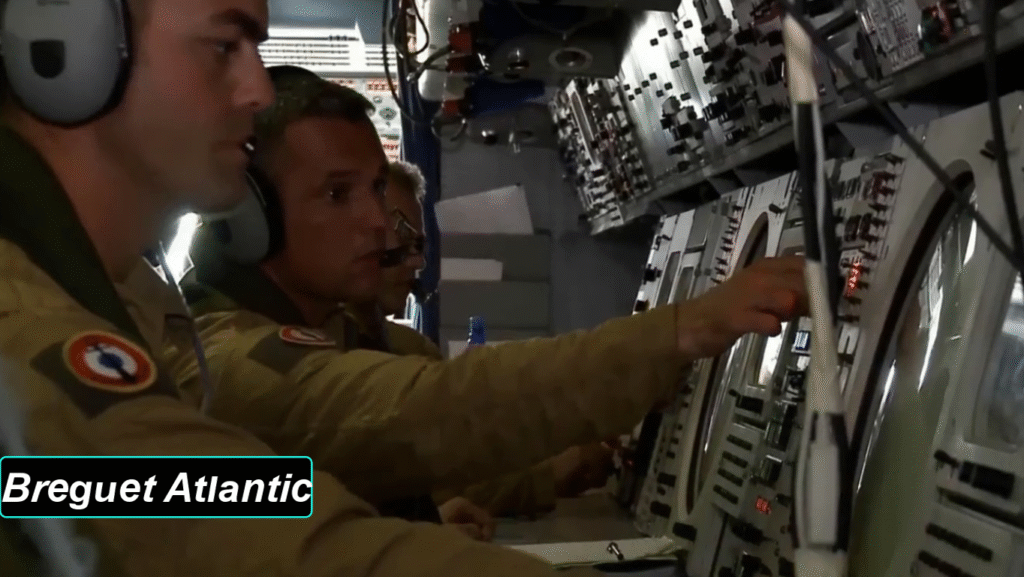
- Crew: 12 personnel
Performance
The aircraft achieved a maximum speed of around 648 km/h, with a patrol speed of 315 km/h and a service ceiling of 9,145 m. It could stay aloft for up to 18 hours, with a range exceeding 9,000 km, making it ideal for long-duration missions across vast oceanic regions.
Roles and Mission Capabilities
Primary and Secondary Missions
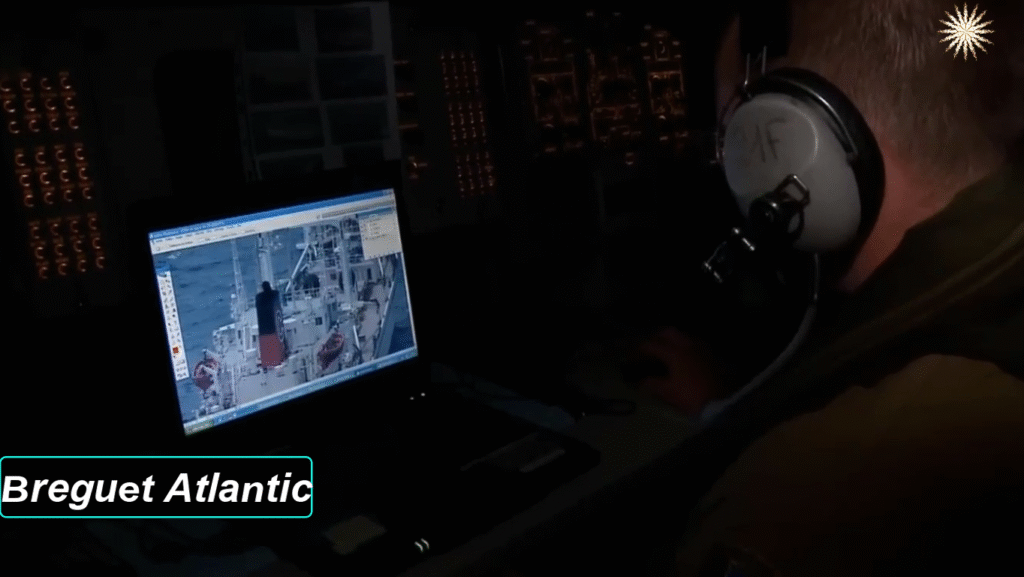
The Breguet Atlantic’s primary mission was anti-submarine warfare (ASW), supported by anti-surface warfare (ASuW) and maritime patrol operations. Its secondary capabilities included search and rescue (SAR), mine detection, and intelligence gathering, providing versatility unmatched in its class.
Armament and Payload Systems
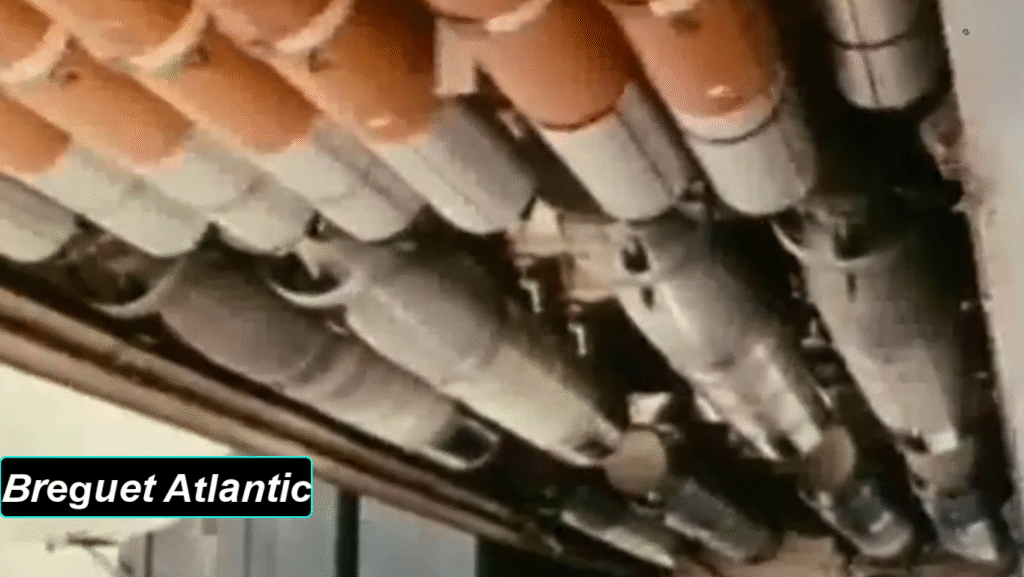
The internal bay could accommodate torpedoes (e.g., Mk 46), depth charges, naval mines, and in later variants, Exocet AM.39 anti-ship missiles. The total payload capacity reached approximately 3,500 kg in the Atlantique 2 variant.
Sensors and Detection Systems
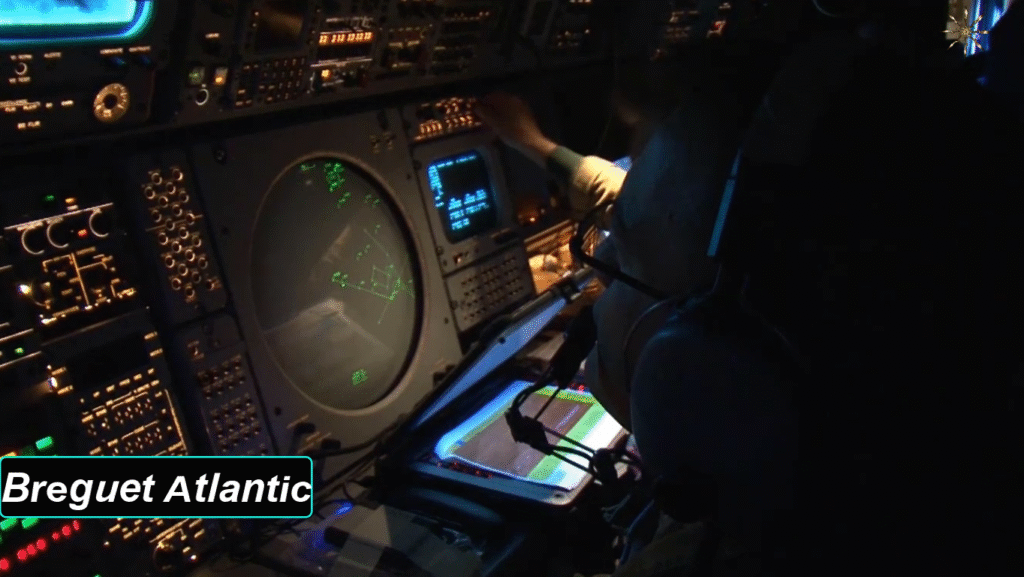
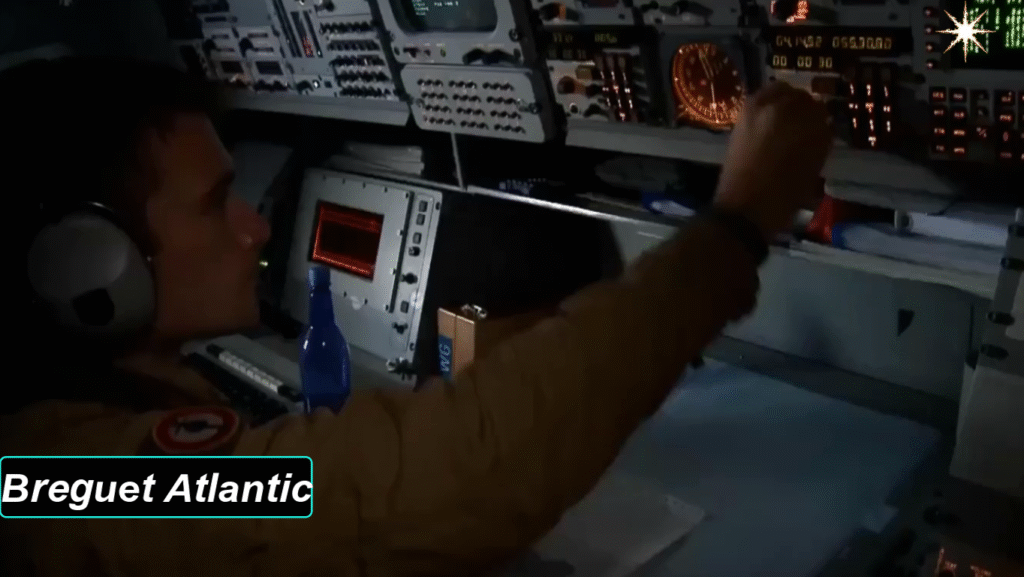
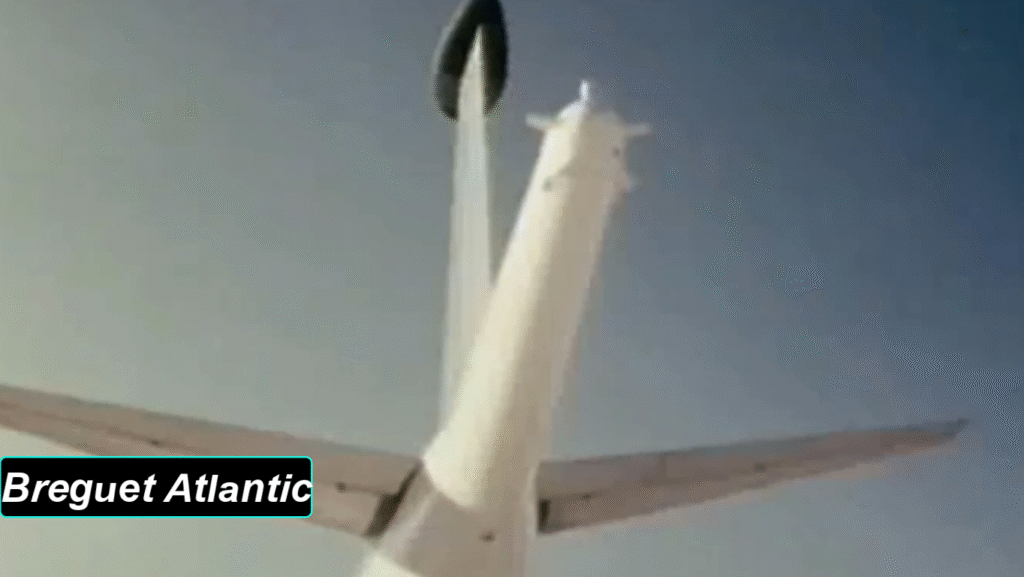
The Atlantic featured a retractable under-fuselage radar, a tail-mounted magnetic anomaly detector (MAD), and multiple sonobuoy launch tubes for submarine detection. Its advanced sensor suite made it a formidable adversary to enemy submarines throughout the Cold War.
Operational Use and Variants
International Operators
The aircraft served in several major navies, including:
- France (Marine Nationale)
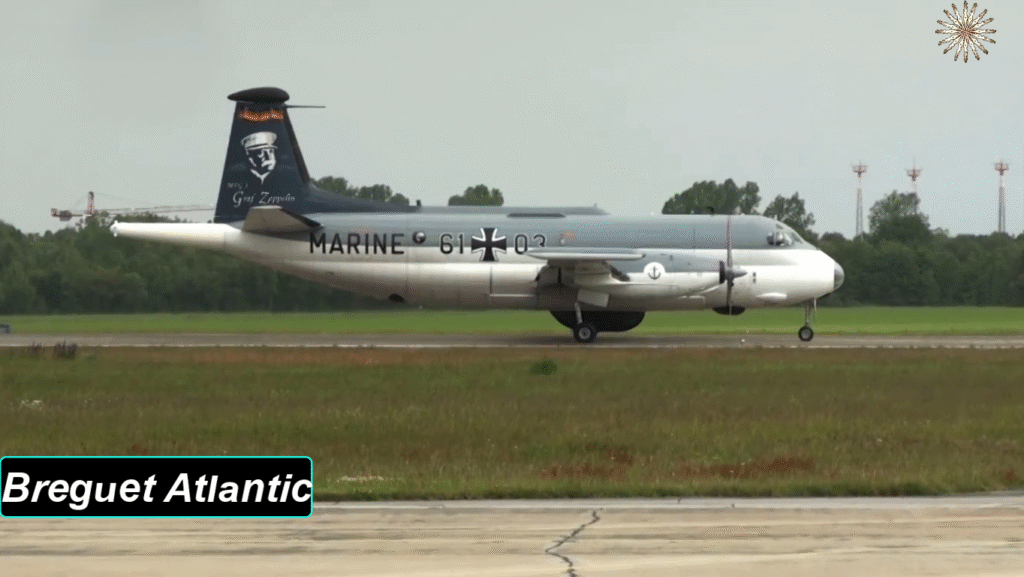
- Germany (Deutsche Marine)
- Italy (Aeronautica Militare / Marina Militare)
- The Netherlands (Royal Netherlands Navy)
- Pakistan Navy
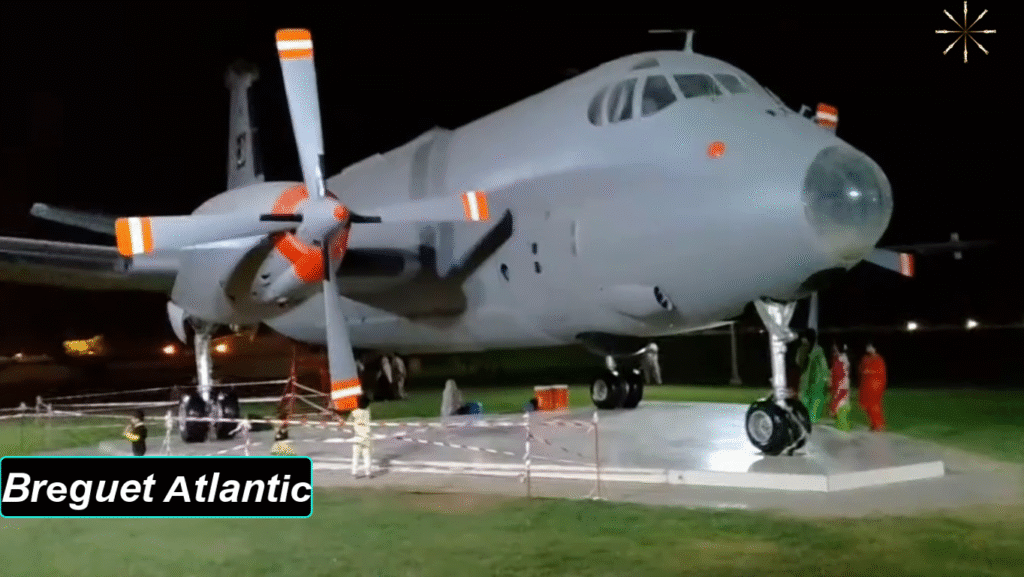
Each adapted the aircraft for national defense needs, with Germany notably converting some units for ELINT/SIGINT (electronic intelligence) missions.
The Atlantique 2 (ATL2)
Introduced in the 1980s, the Atlantique 2 (ATL2) represented a major modernization. It featured updated avionics, digital mission systems, enhanced radar, and improved ASW sensors, keeping it competitive in an evolving technological landscape.
Major Incidents and Accidents
Throughout its long service, the Breguet Atlantic experienced several notable incidents:
| Date | Location | Details |
|---|---|---|
| 20 Sep 1968 | Farnborough Air Show, UK | French Atlantic crashed during a demo; 6 killed. |
| 15 Aug 1973 | Off Wassenaar, Netherlands | Aircraft ditched; all 14 crew survived. |
| 10 Mar 1981 | Moroni, Comoros Islands | Engine fire after take-off; 18 fatalities. |
| 18 May 1986 | Near Tadjourah, Djibouti | Crashed in poor weather; 19 killed. |
| 10 Aug 1999 | Rann of Kutch | Pakistani Atlantic shot down by Indian MiG-21; 16 crew killed. |
The Atlantique Incident (1999)
The Atlantique incident of 10 August 1999 was a tragic event involving a Pakistan Navy Breguet Atlantic shot down by an Indian Air Force MiG-21 near the Rann of Kutch border region. The crash resulted in the loss of all 16 crew members, marking a tense moment in Indo-Pakistani relations and highlighting the aircraft’s continued front-line role decades after its introduction.
Significance and Legacy
The Breguet Atlantic holds a special place in aviation history as the first aircraft purpose-built for maritime patrol and ASW missions. Its development represented a milestone in European aerospace cooperation, showcasing technological and industrial collaboration within NATO. Over its operational life, it became synonymous with endurance, versatility, and reliability at sea.
Current Status and Preservation
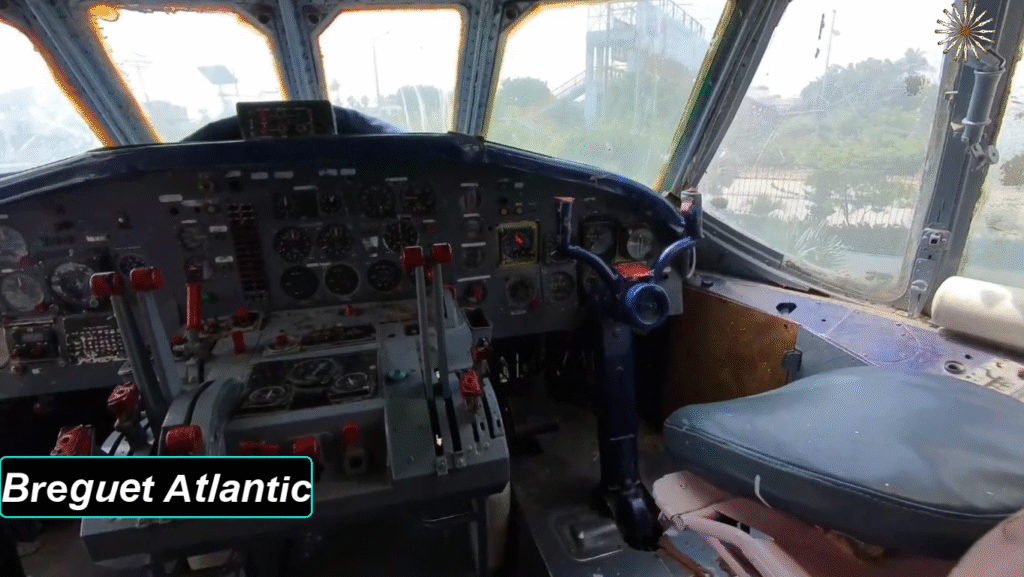
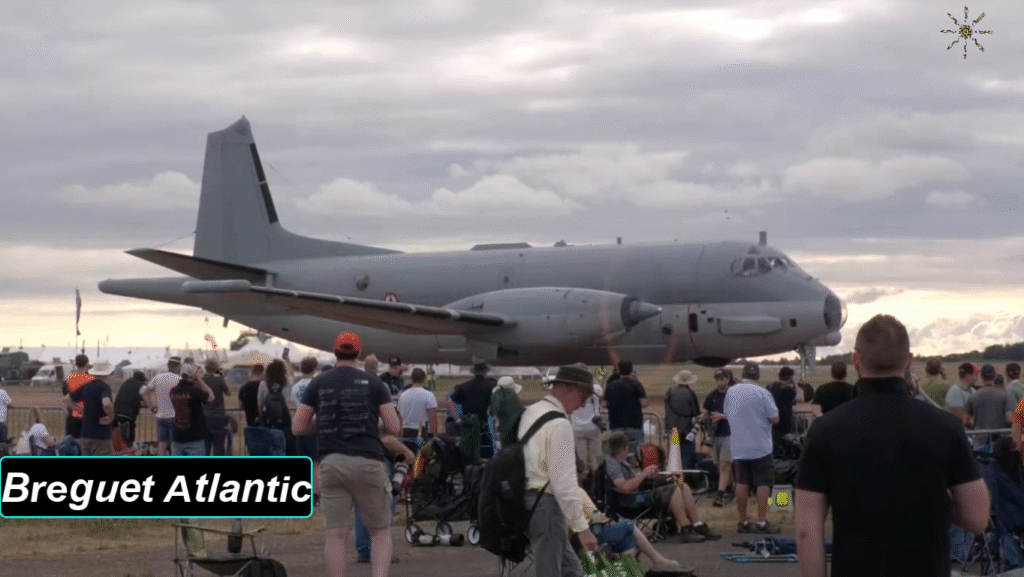
While most ATL1 variants have been retired, Atlantique 2 aircraft continue to serve in the French Navy, benefiting from avionics and structural upgrades. In recent years, preserved examples have been displayed in museums, including one acquired by the Italian Air Force Museum in 2018.
Technical Specifications Summary
| Specification | Value |
|---|---|
| Crew | 12 |
| Length | 31.7 m |
| Wingspan | 36.3–37.4 m |
| Height | 10.9 m |
| MTOW | 46,200 kg |
| Max Speed | 648 km/h |
| Range | 9,000 km |
| Endurance | 18 hours |
| Powerplant | 2 × Rolls-Royce Tyne RTy.20 Mk 21 |
| Payload | Up to 3,500 kg |
FAQs about the Breguet Atlantic
Q1. When was the Breguet Atlantic first flown?
A1. The first prototype flew on 21 October 1961 in Toulouse, France.
Q2. What engines power the aircraft?
A2. It uses two Rolls-Royce Tyne RTy.20 Mk 21 turboprops, each producing about 6,100 shp.
Q3. What are its primary missions?
A3. The Atlantic specializes in maritime patrol, anti-submarine warfare, and anti-surface warfare.
Q4. Which countries have operated the Breguet Atlantic?
A4. Major operators include France, Germany, Italy, the Netherlands, and Pakistan.
Q5. What makes the Breguet Atlantic unique among patrol aircraft?
A5. It was purpose-built for maritime patrol, not adapted from a civilian design—a rarity in its era.
Q6. Is the Breguet Atlantic still in service?
A6. While ATL1 versions have been retired, the ATL2 remains active in the French Navy with modern upgrades.
Conclusion: The Enduring Legacy of the Breguet Atlantic
The Breguet Atlantic remains a landmark in the history of maritime aviation—an aircraft that combined innovation, endurance, and purpose-driven design. Its decades of service across multiple nations and missions underscore its engineering excellence. Even as modern replacements take to the skies, the Atlantic’s influence endures, reminding us of a time when cooperation, innovation, and determination produced one of the most capable patrol aircraft ever built.