1. General Introduction
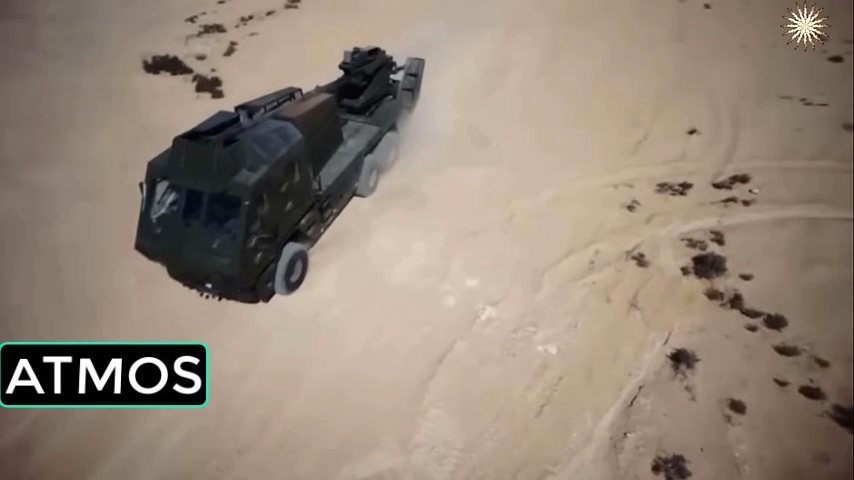
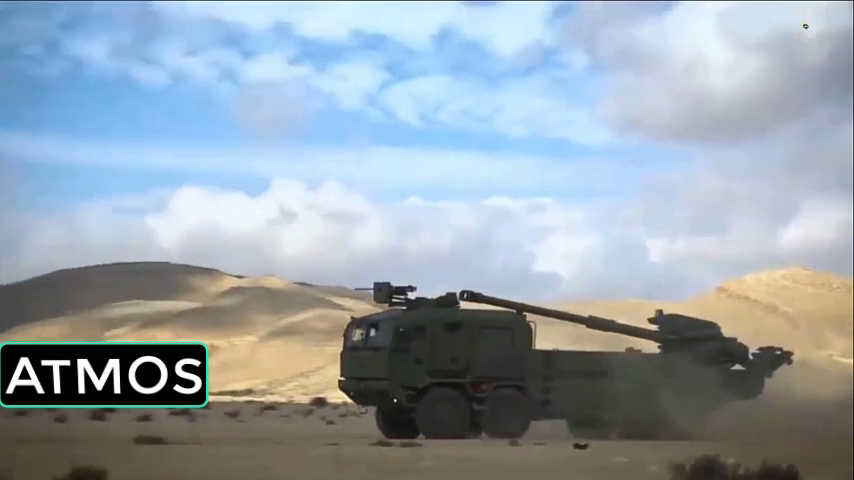
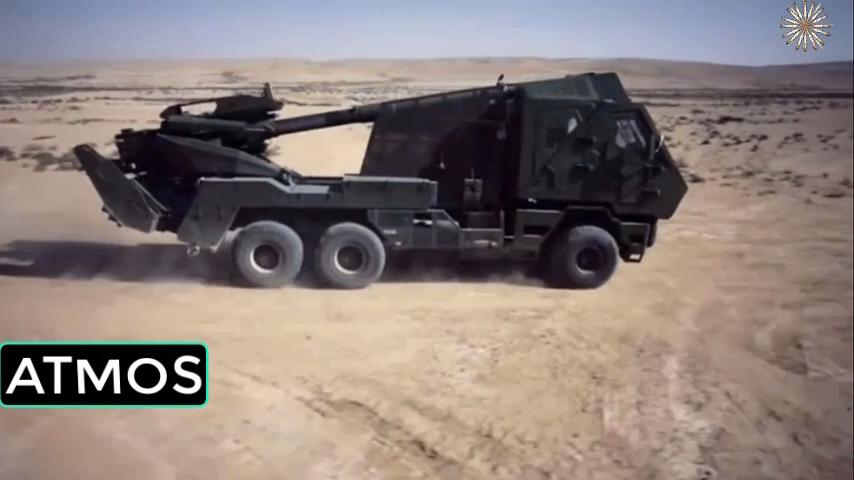
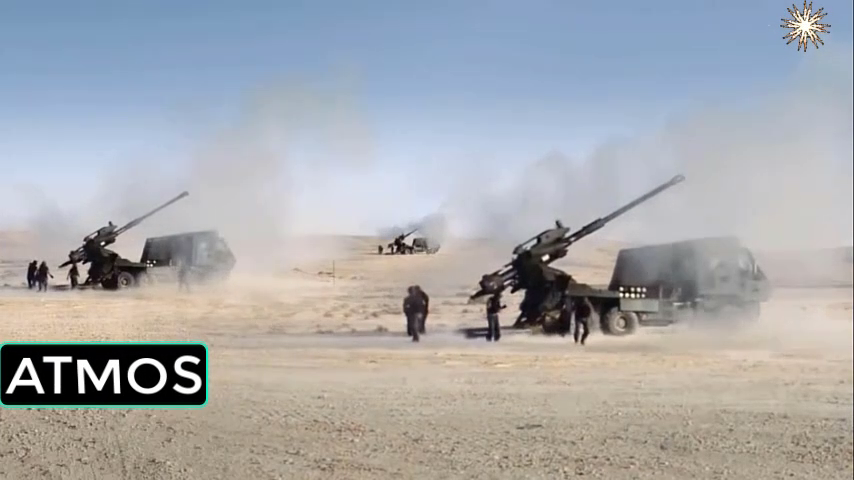
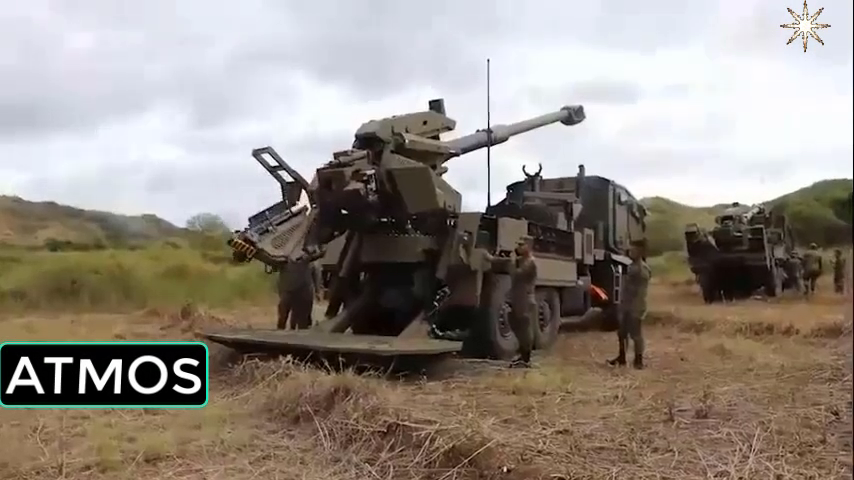
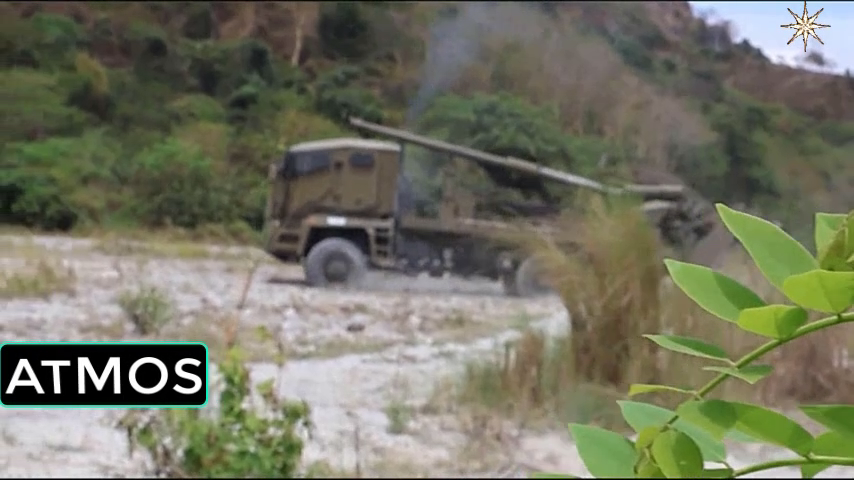
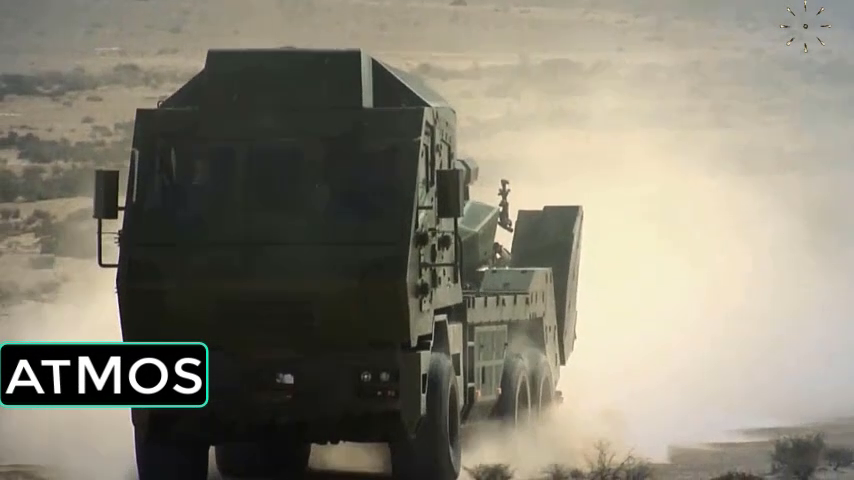
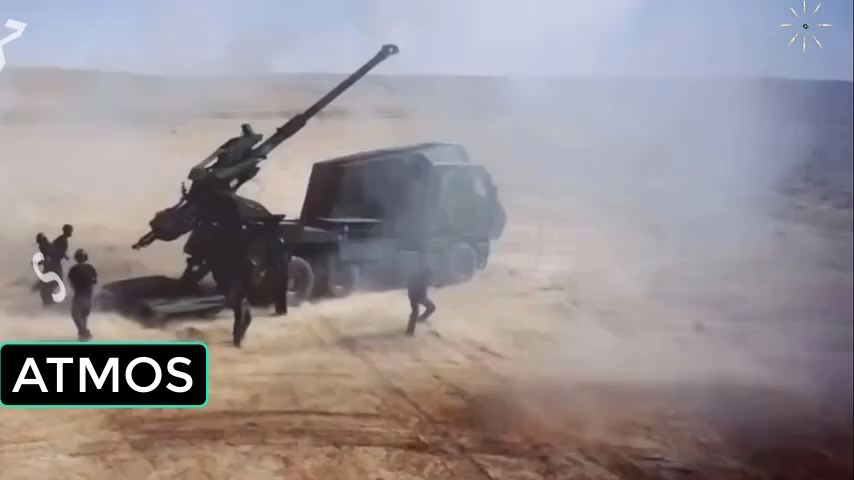
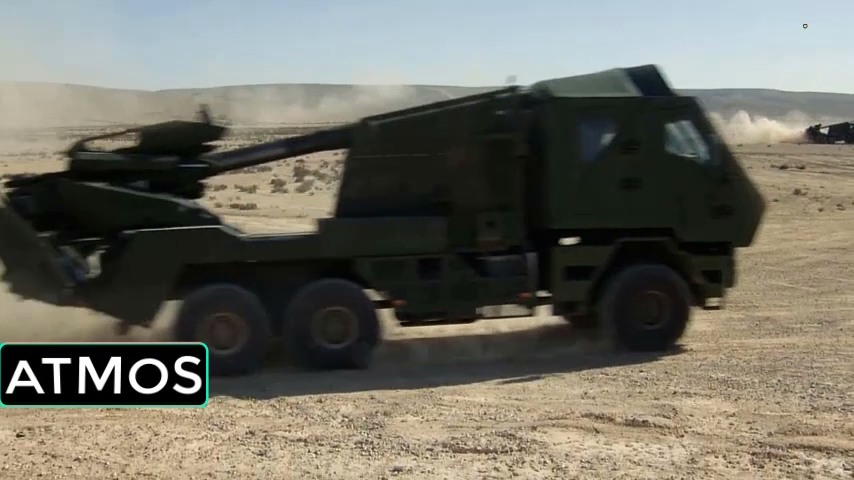
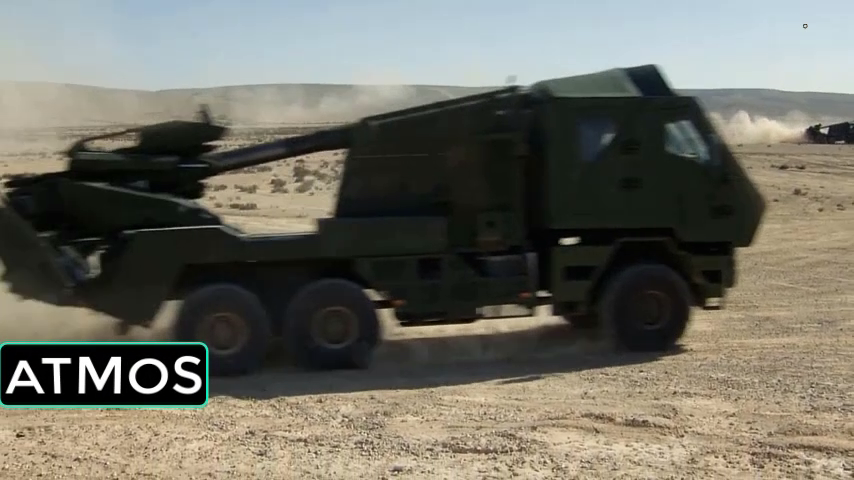
The ATMOS 2000 (Autonomous Truck Mounted Howitzer System) is a truck-mounted self-propelled howitzer designed to combine long-range firepower, high mobility, and cost efficiency. Originally developed by Soltam Systems of Israel, the program is now managed and marketed by Elbit Systems, one of the world’s leading defense companies. It reflects the global shift toward mobile, flexible, and affordable artillery solutions for modern battlefields.
2. Name and Designation
ATMOS stands for Autonomous Truck Mounted Howitzer System. The designation highlights its central concept: a 155 mm howitzer mounted on a heavy-duty truck chassis with partially automated fire control and loading systems.
3. Origin and Manufacturer
ATMOS was developed by Soltam Systems in the late 1990s as an export-oriented product. After Soltam merged into Elbit Systems, the system was further refined and promoted internationally. Today, Elbit offers ATMOS as a modular artillery solution adaptable to many armed forces.
4. Timeline and Service Entry
The ATMOS 2000 was first presented in the early 2000s, with prototypes displayed around 1999–2001. Several countries adopted it in the years that followed, making it one of the most widely exported truck-mounted howitzer systems.
5. Operational Role
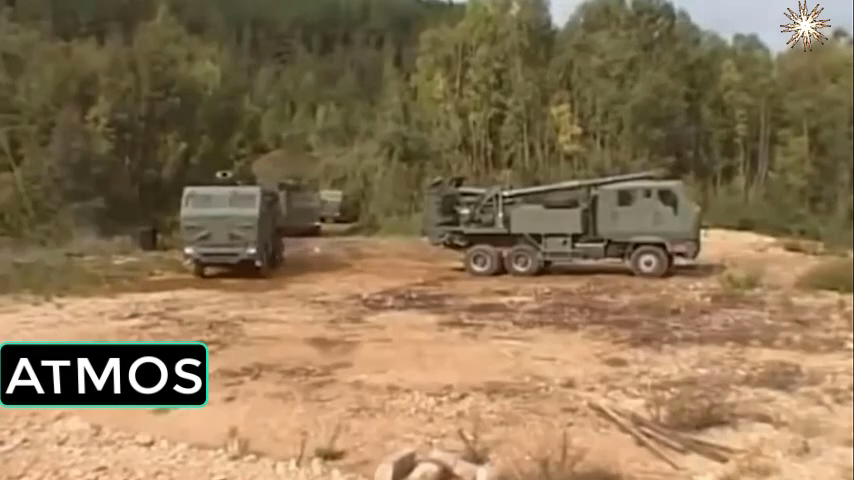
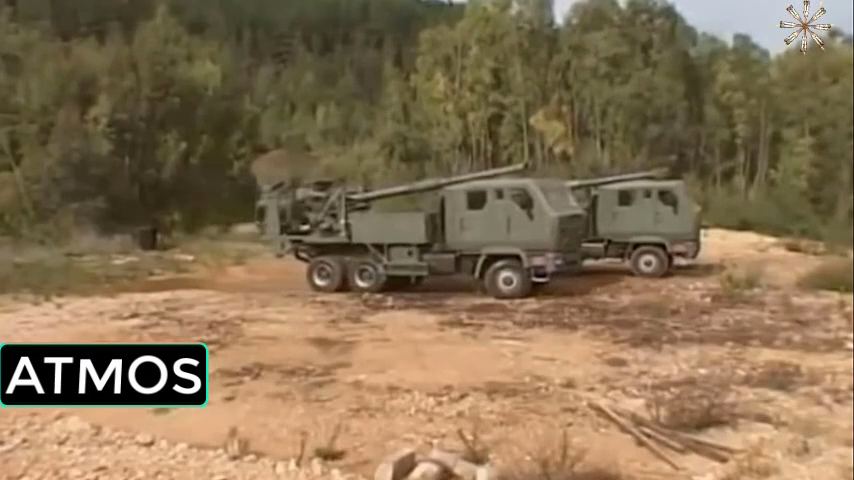
The primary role of ATMOS is mobile artillery support. It is designed for:
- Fire support against fixed or moving targets
- Counter-battery missions
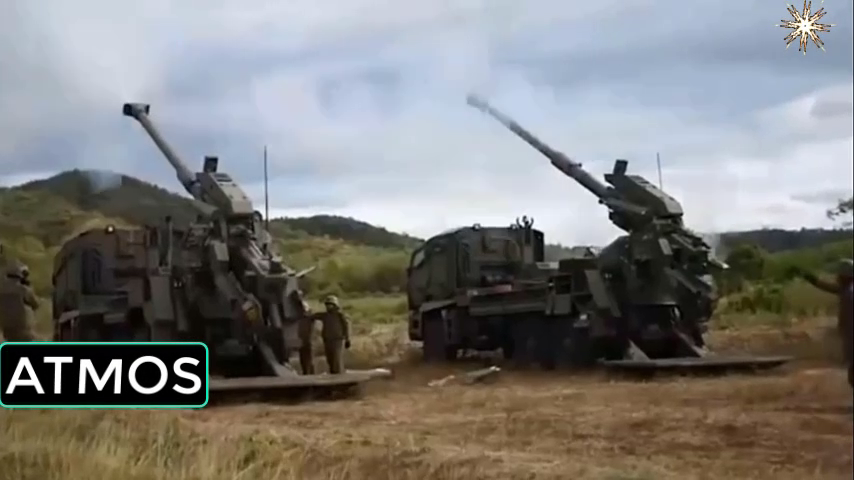
- Quick deployment and repositioning (“shoot-and-scoot”)
- Supporting mechanized and infantry units with long-range strikes
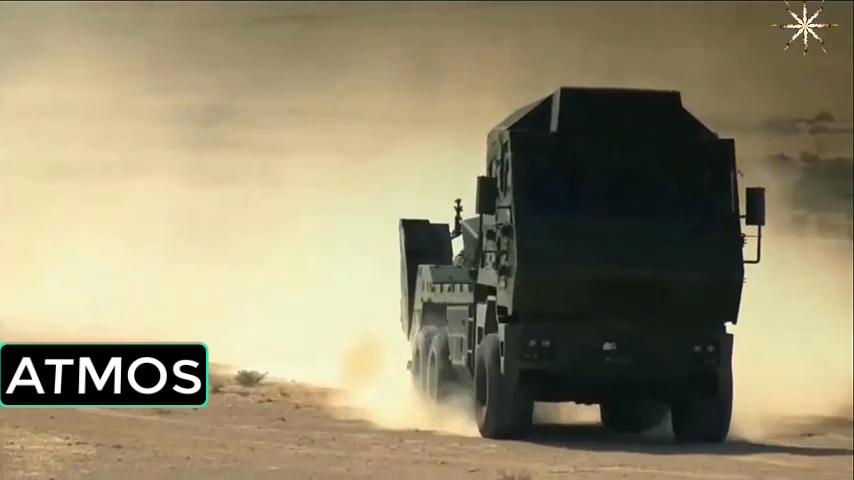
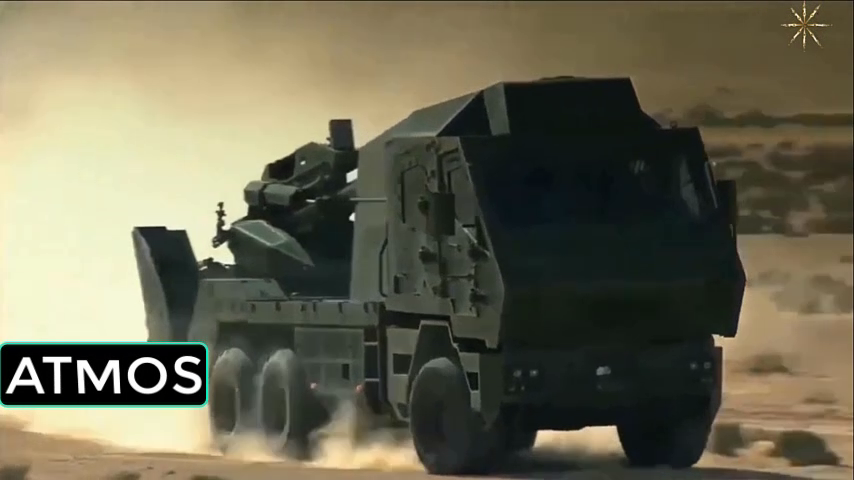
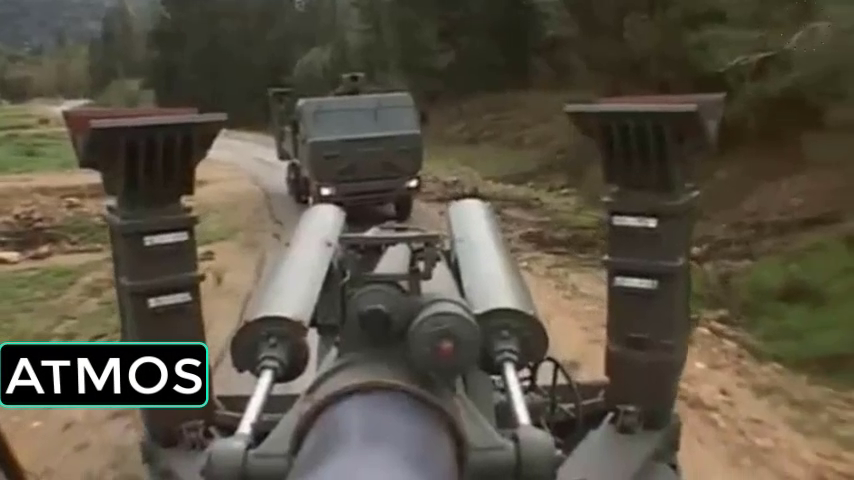
6. General System Architecture
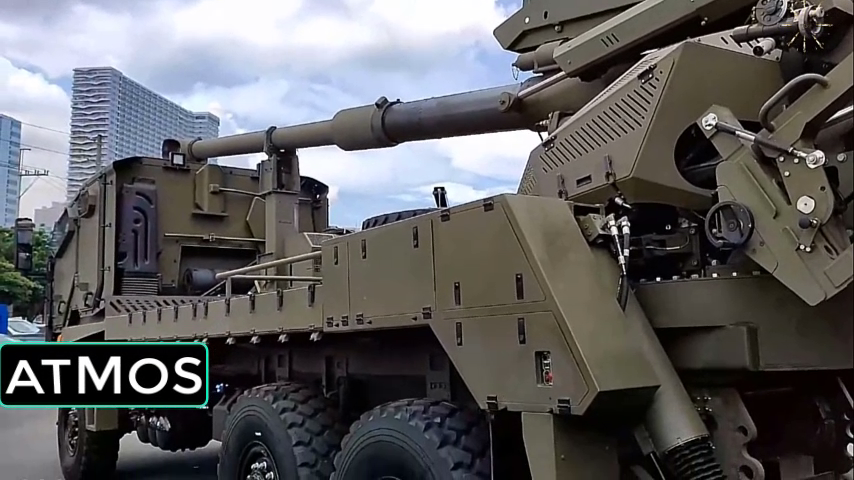
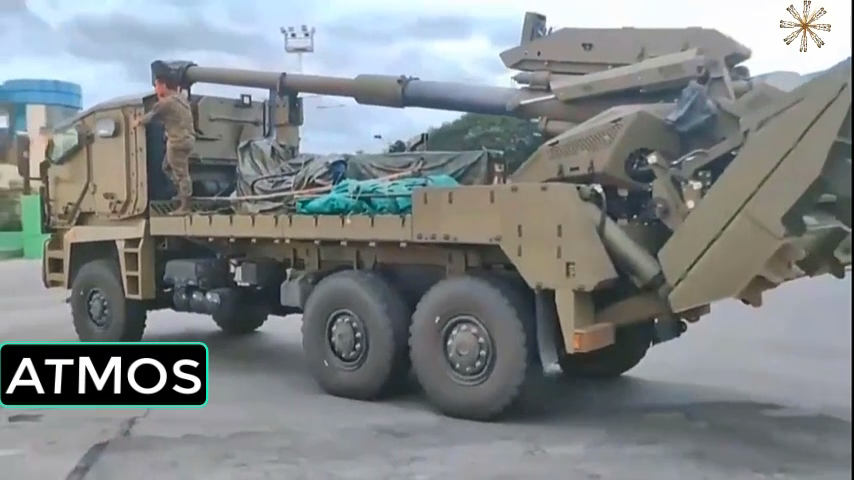
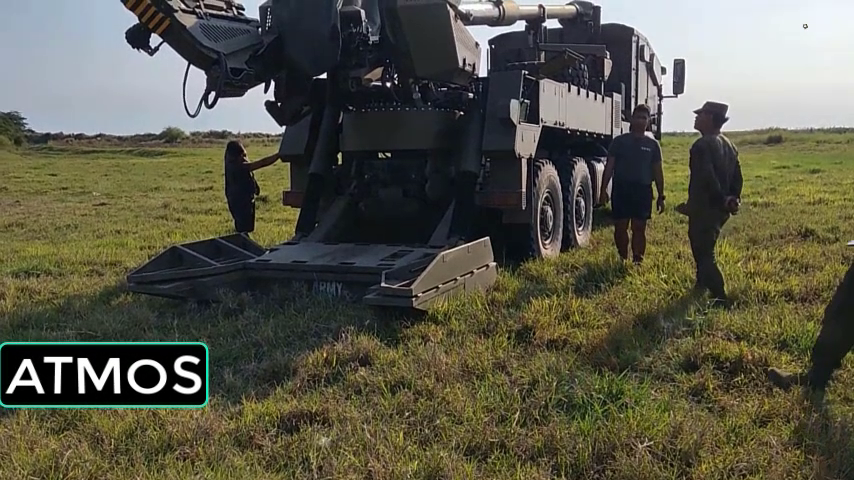
ATMOS integrates:
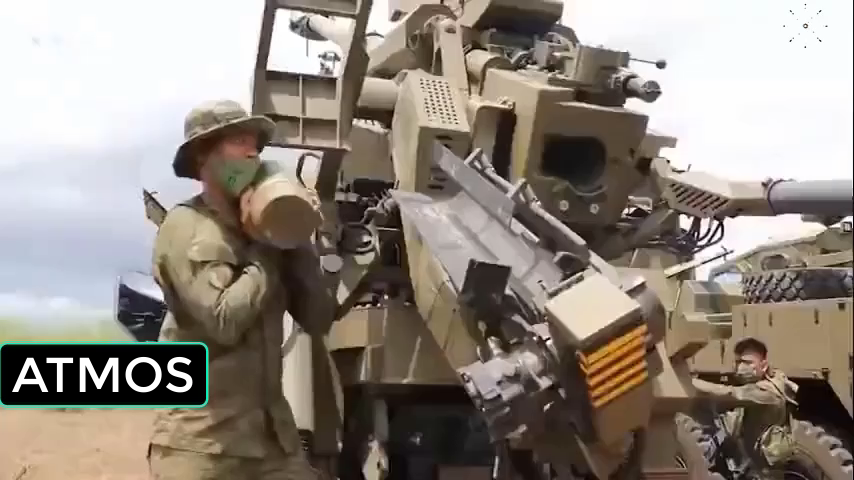
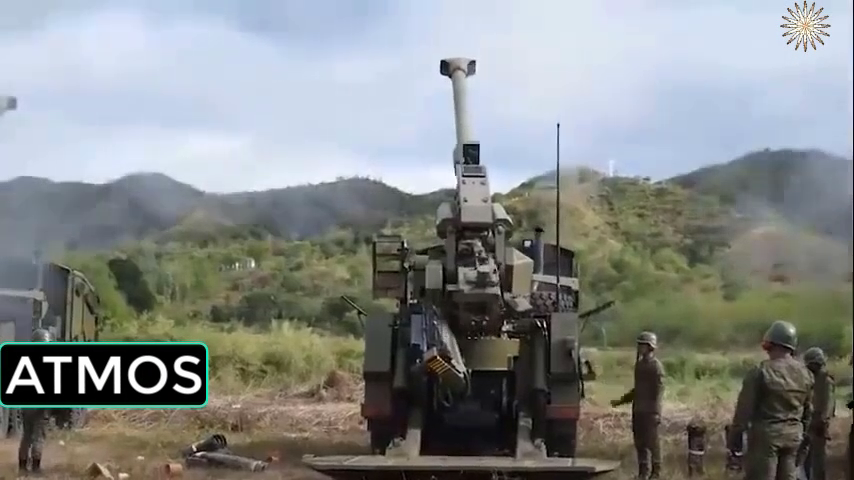
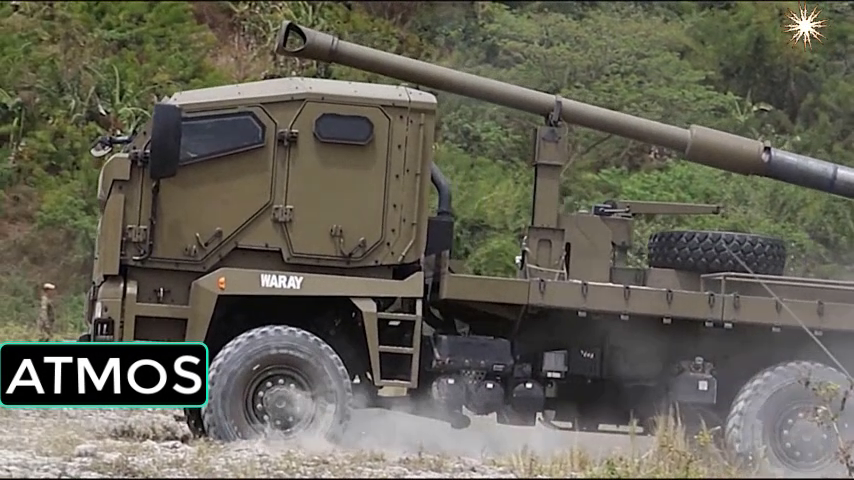
- A 155 mm howitzer (39, 45, or 52-caliber barrel options)
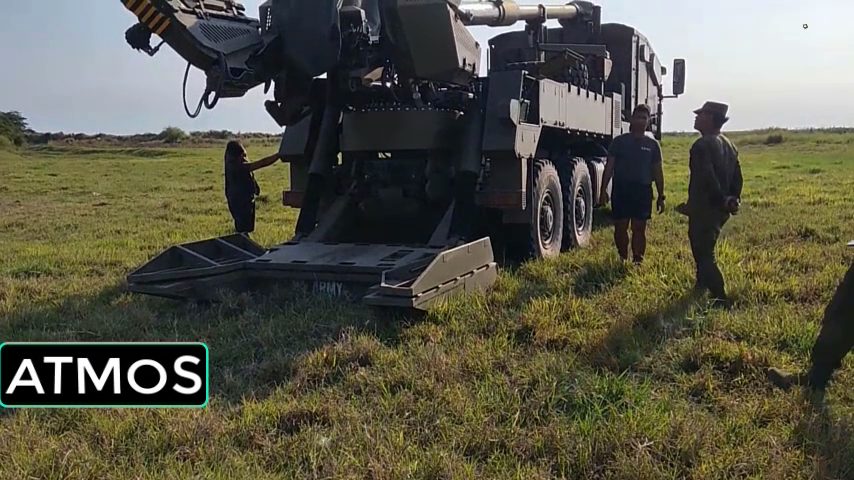
- Rear stabilizers for firing stability
- A semi-automatic loading system
- Onboard ammo racks
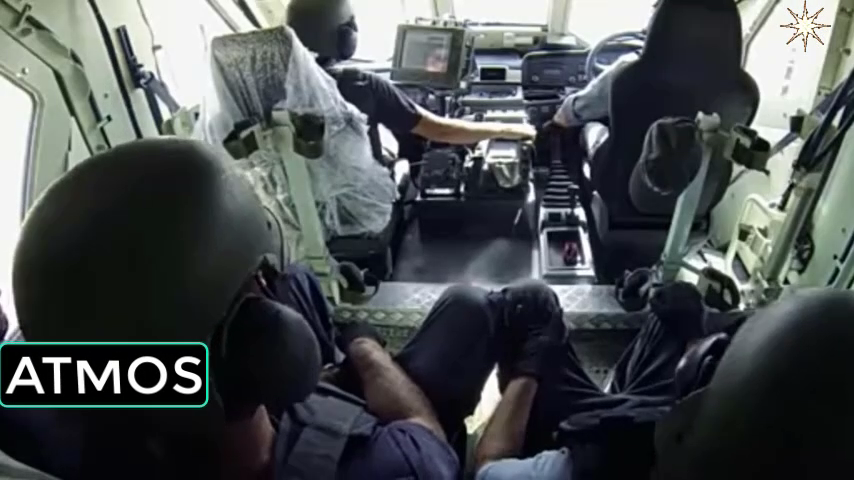
- A crew cabin (standard or armored)
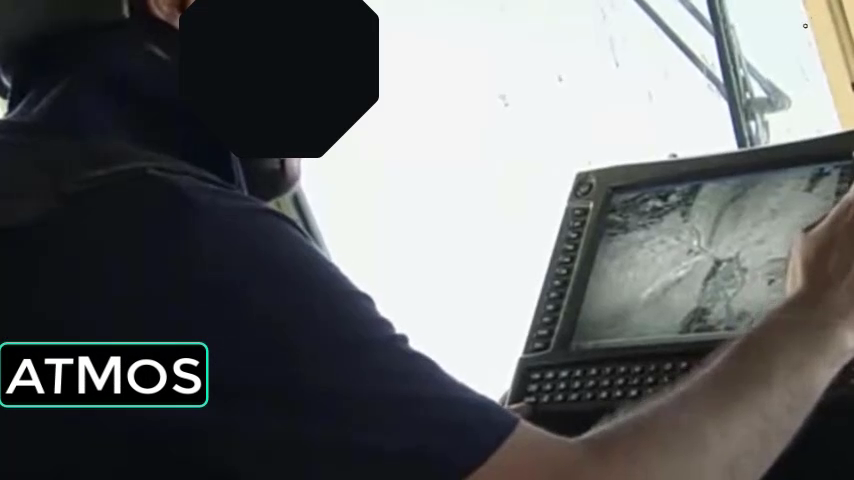
- Digital fire control and aiming systems
7. Key Technical Specifications
- Caliber: 155 mm NATO standard
- Barrel options: 39, 45, or 52 calibers
- Rate of fire: 4–9 rounds/minute
- Onboard ammunition: 27–36 shells
- Crew: 4–6 personnel
These specifications make ATMOS comparable to other leading Western truck-mounted artillery systems like the French CAESAR.
8. Ammunition and Effective Range
ATMOS is compatible with a wide range of NATO-standard 155 mm ammunition:
- M107 shells: ~24–25 km range
- L15 HE shells: ~30 km range
- ERFB-BB shells (Base Bleed): up to 41 km with 52-caliber barrel
This flexibility ensures that ATMOS can meet different operational needs.
9. Mobility and Chassis
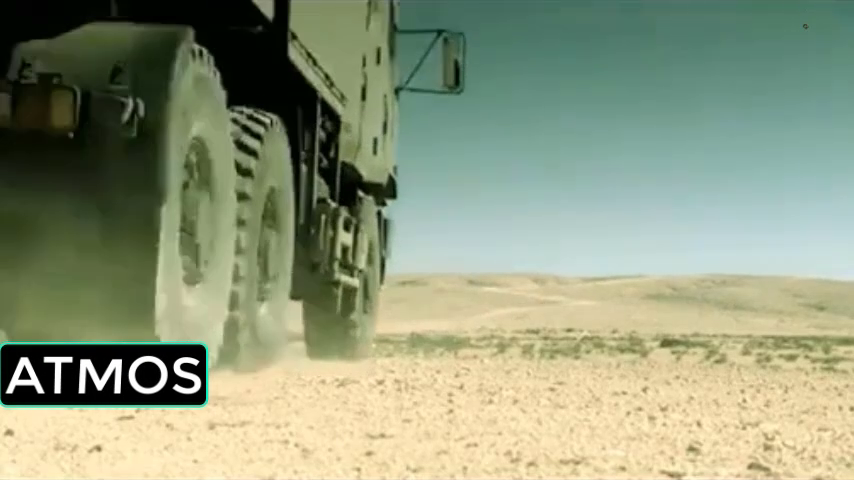
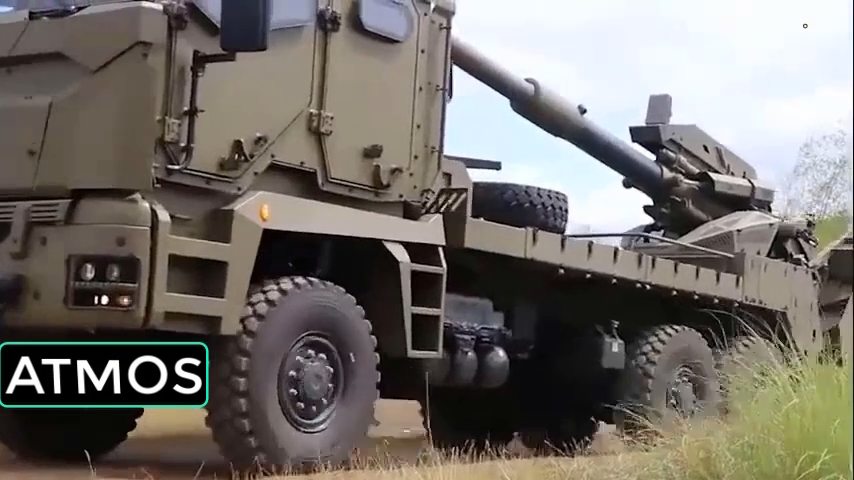
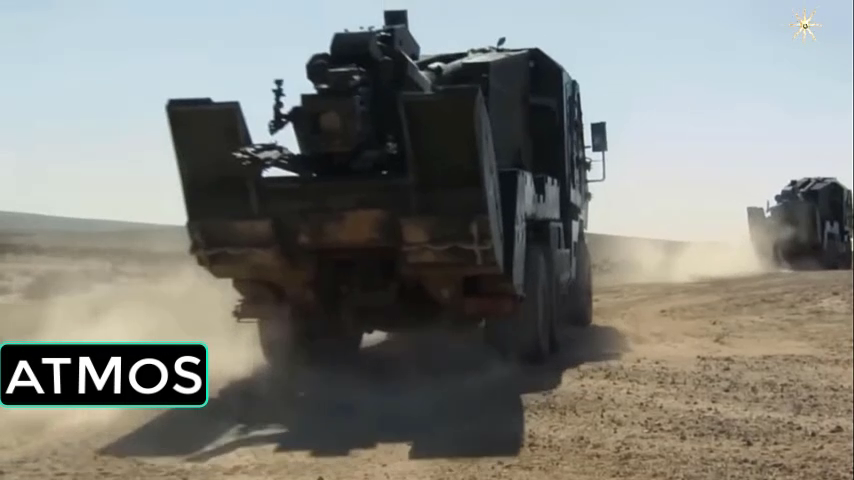
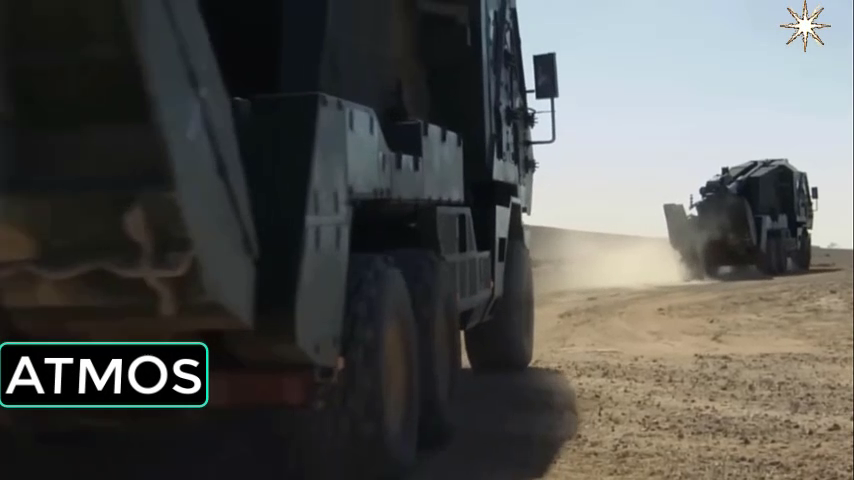
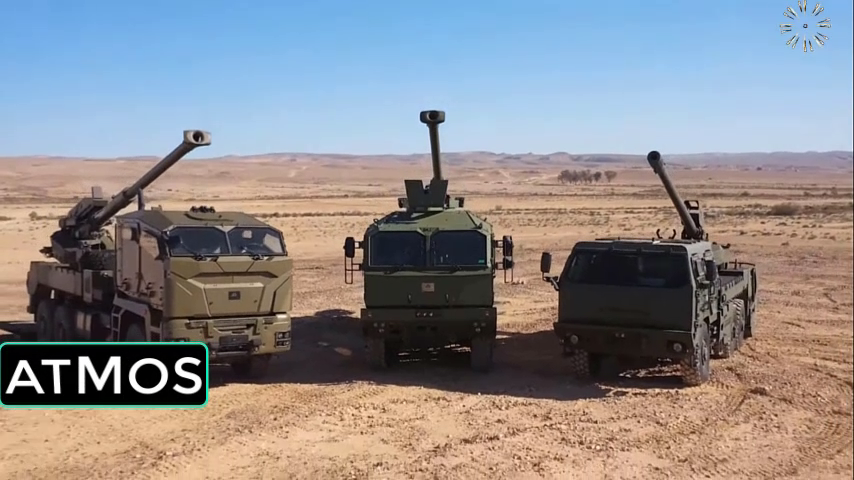
ATMOS can be mounted on 6×6 or 8×8 trucks, such as Tatra or Oshkosh platforms. This modularity allows customer nations to select vehicles that fit their logistics, terrain, and maintenance ecosystems. The wheeled design makes it more strategic-road mobile than tracked self-propelled guns.
10. Protection and Survivability
The truck cab can be optionally armored against small arms fire and shell fragments. Survivability relies less on armor and more on mobility and fast relocation to avoid enemy counter-battery fire.
11. Fire Control and System Integration
ATMOS features a digital fire control system, including:
- Inertial navigation system (INS)
- GPS integration
- Ballistic computers
- Compatibility with modern C2 networks
This enables rapid targeting and integration with counter-battery radars.

12. Logistics and Autonomy
With up to 36 rounds onboard, ATMOS offers reasonable autonomy for short missions. Sustained operations require resupply trucks. Its truck-based chassis also simplifies maintenance compared to tracked systems, keeping costs low.
13. Comparative Advantages
- Lower acquisition and operational cost than tracked artillery
- High road mobility and easier deployment
- Adaptable design (various chassis, calibers, and crew protection options)
- Network-centric warfare compatibility
14. Limitations and Constraints
- Less armored than tracked SPGs (self-propelled guns)
- Off-road capability depends on the chosen truck chassis
- Sustained operations limited by onboard ammo capacity
15. Operators and Export Customers
ATMOS has been exported widely. Known operators include:
- Asia: Thailand, the Philippines
- Africa: Botswana, Cameroon, Rwanda, Uganda, Zambia
- Europe: Denmark (recent procurement)
16. Operational Use Cases
ATMOS has been deployed in multinational exercises and, in some cases, regional conflicts. The Philippines notably employed it in combined training with U.S. forces. Its mobility and firepower make it well-suited for expeditionary operations.
17. Future Prospects and Modernization
Elbit continues to market ATMOS with upgrades such as:
- Fully automated loading systems
- Precision-guided munitions integration
- Autonomous operation features
- Enhanced digital connectivity for joint fire missions

FAQ — Frequently Asked Questions
Q1: What is the maximum firing range of ATMOS 2000?
A: With a 52-caliber barrel and ERFB-BB shells, ATMOS can fire up to 41 km.
Q2: How many rounds does ATMOS carry?
A: Typically 27–36 rounds depending on configuration.
Q3: Why choose a truck-mounted howitzer over a tracked one?
A: Trucks are cheaper, lighter, and easier to deploy, though less protected.
Q4: Can ATMOS fire precision-guided shells?
A: Yes, ATMOS is compatible with modern guided 155 mm rounds.
Q5: Which countries currently operate ATMOS?
A: Operators include Thailand, the Philippines, Botswana, Denmark, and others.
Q6: Is ATMOS still in production?
A: Yes, Elbit continues to produce and upgrade the ATMOS family.
Q7: What is its rate of fire?
A: Between 4 and 9 rounds per minute, depending on crew and automation.
Conclusion
The ATMOS 2000 stands as a modern, modular, and export-friendly artillery system. It balances cost, mobility, and firepower—making it a popular choice for nations seeking advanced artillery without the expense of heavy tracked vehicles. Its adaptability, combined with Elbit’s modernization programs, ensures that ATMOS will remain relevant in the era of network-centric and precision-guided warfare.