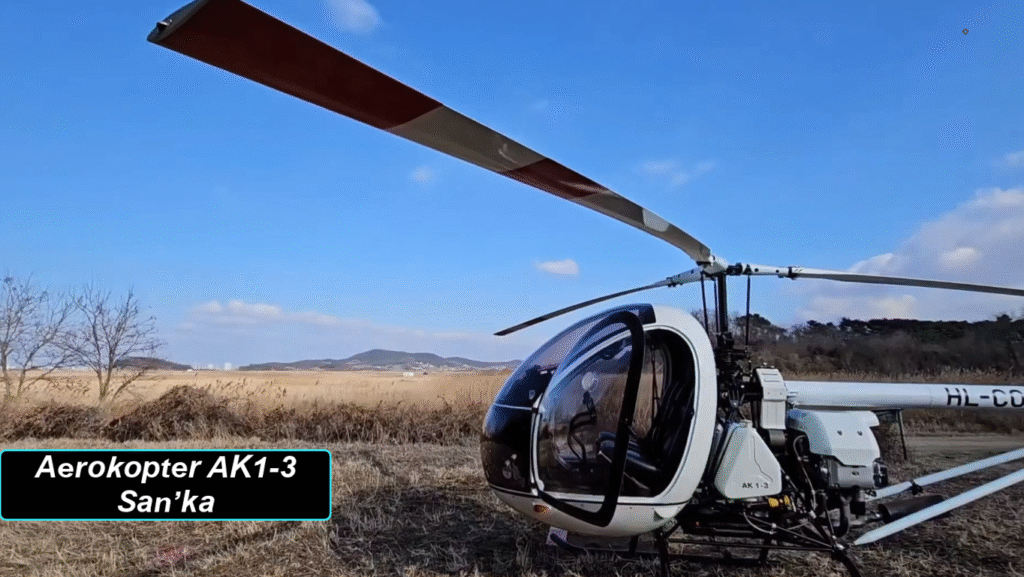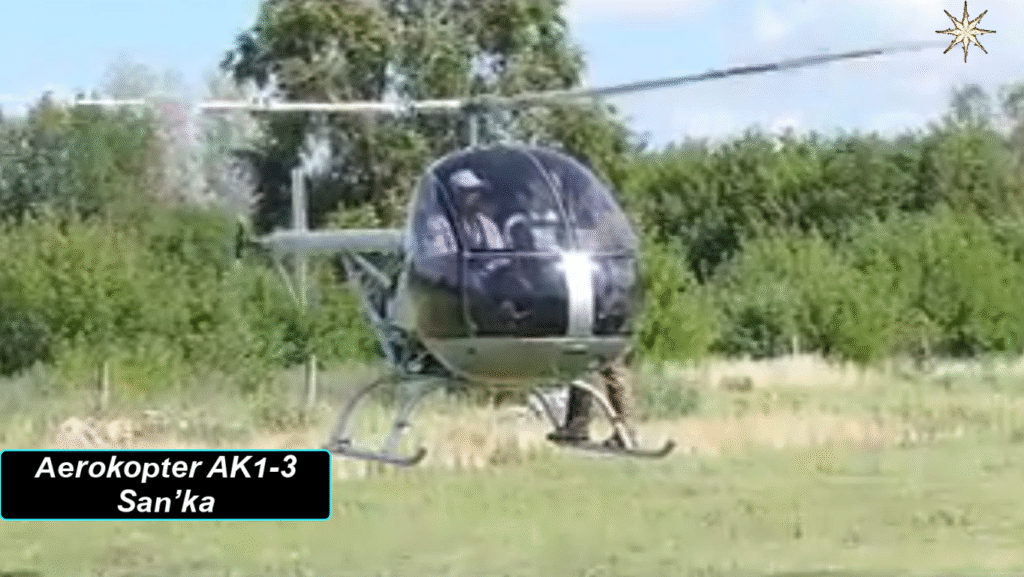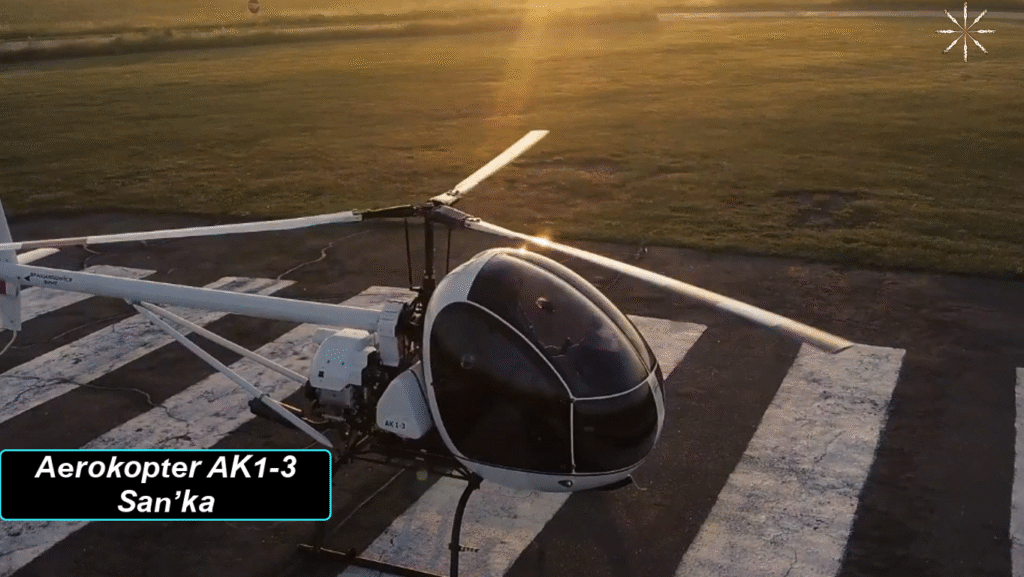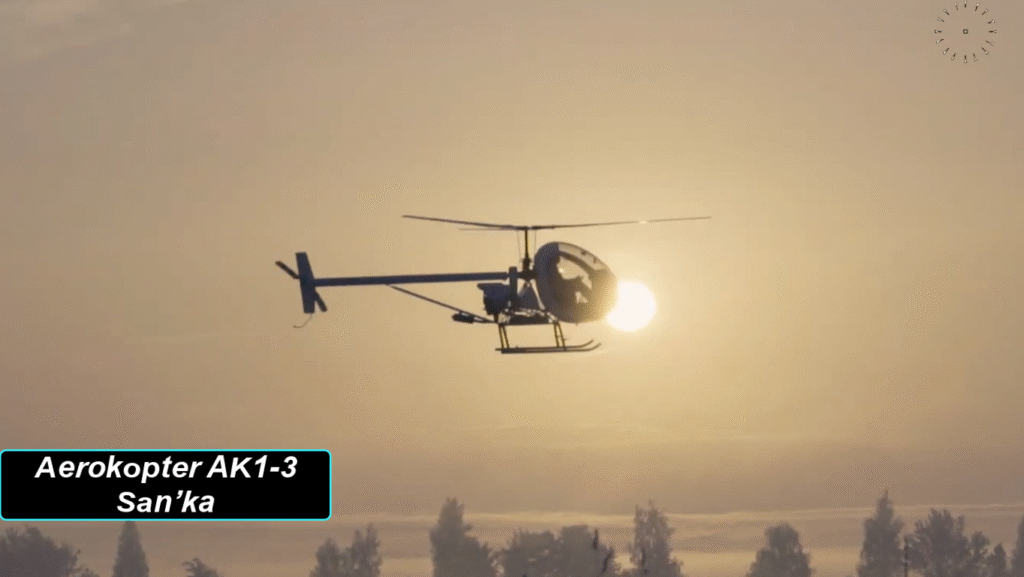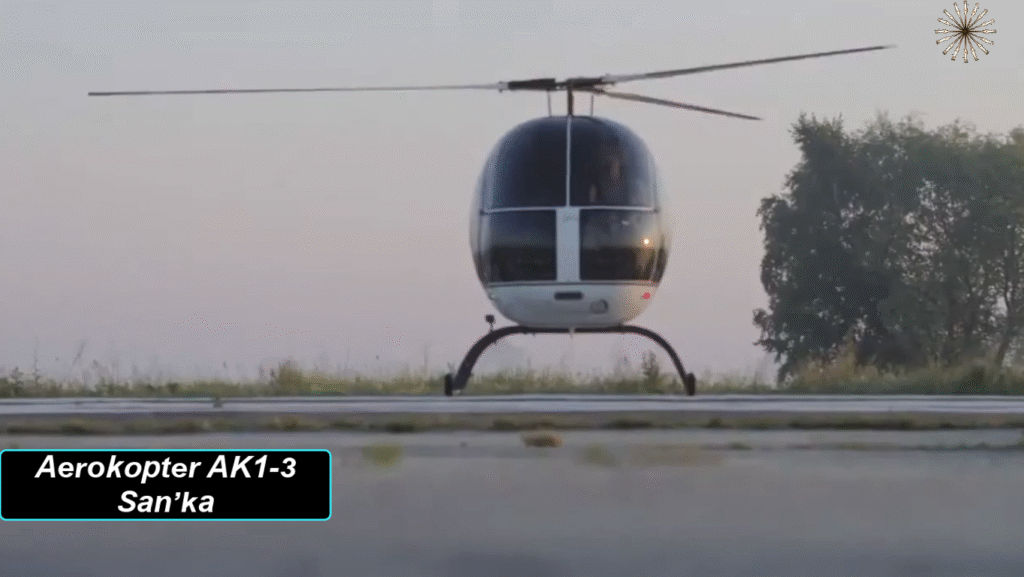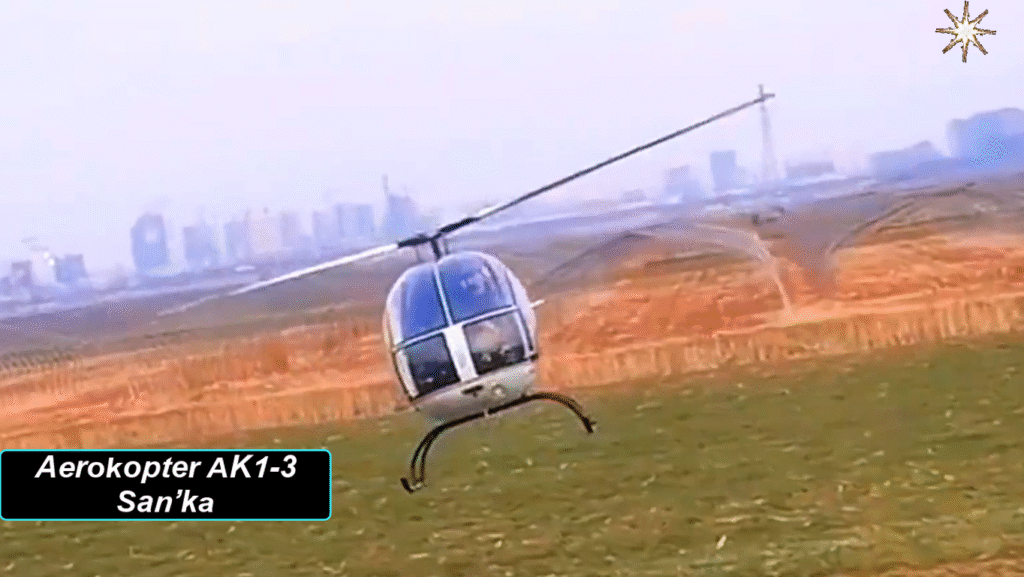
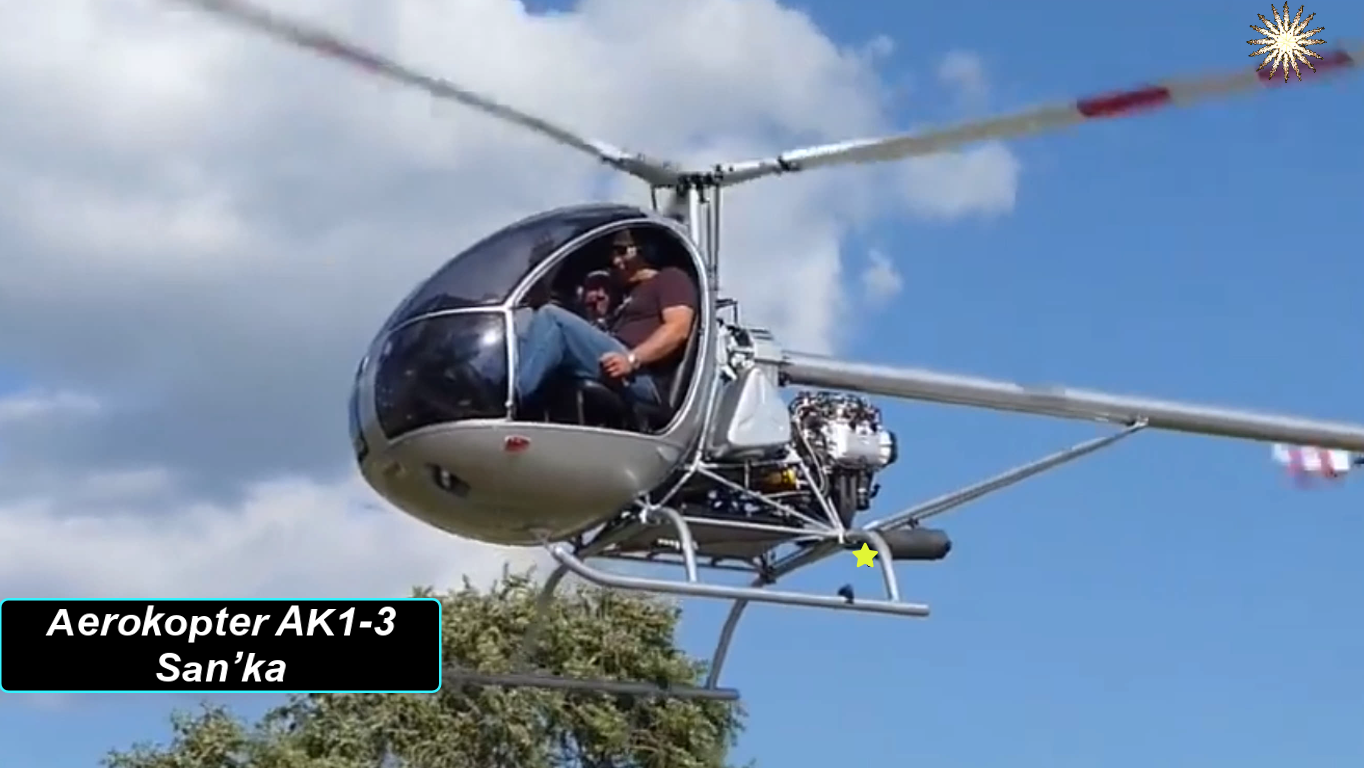
In the turbulent years following the collapse of the Soviet Union, Eastern Europe became an unexpected laboratory for aviation experimentation. Among the many projects that surfaced during this period was the Aerocopter AK 1-3 San’ka, a light helicopter developed in Ukraine that quietly challenged traditional assumptions about rotorcraft design. It wasn’t built to intimidate, dominate, or dazzle—it was built to fly simply.
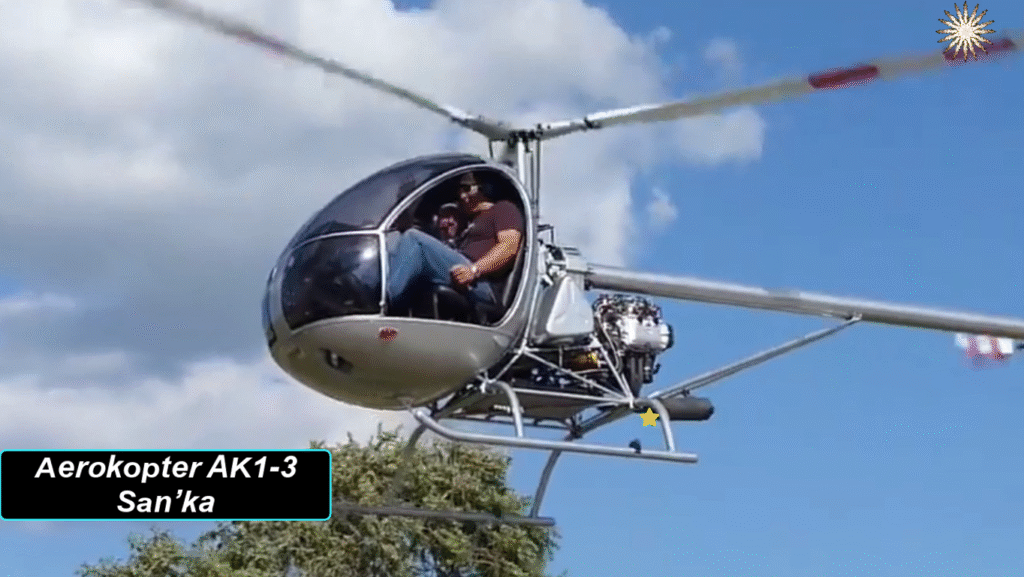
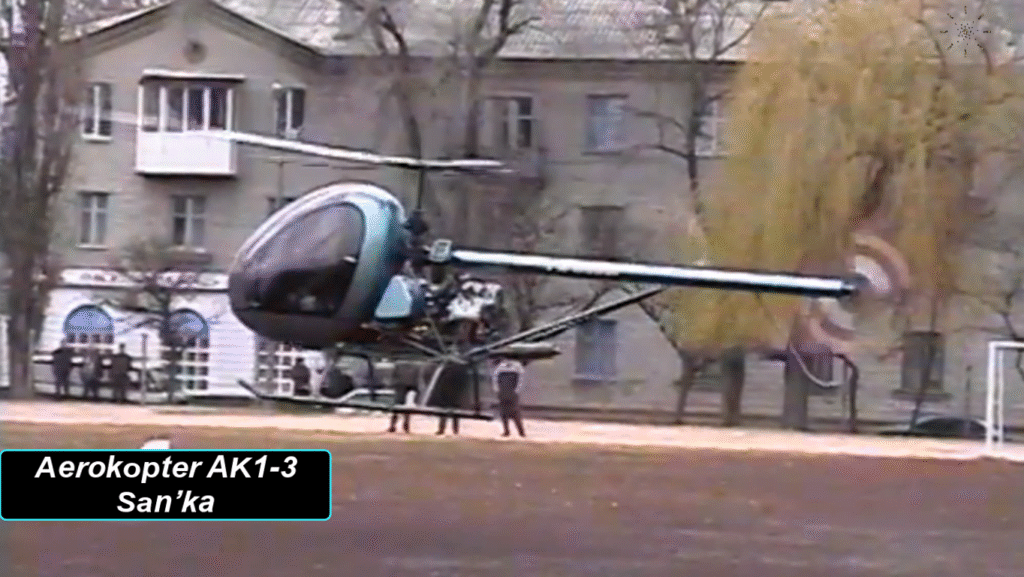
The San’ka emerged from a philosophy that helicopters didn’t need excessive complexity to be useful. While most rotorcraft development had long been driven by military contracts or large commercial operators, Aerocopter focused instead on accessibility. Compact in size and modest in power, the AK 1-3 was intended for civilian roles: pilot training, private ownership, aerial observation, and utility tasks. Its designers emphasized ease of maintenance and affordability, critical factors in a region where resources were limited but technical skill was abundant.
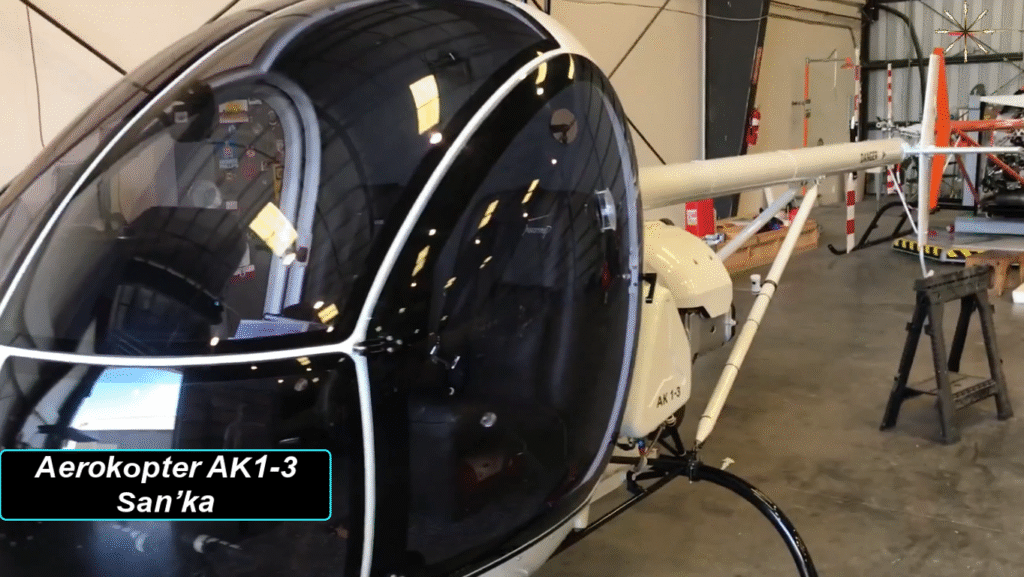
Technically, the helicopter reflected pragmatic engineering rather than radical innovation. It favored proven solutions over experimental risks, aiming for reliability in real-world conditions. This made it particularly attractive on paper to flight schools and private operators looking for a cost-effective alternative to established Western light helicopters. However, certification hurdles, funding challenges, and a highly competitive global aviation market limited its production and export potential.
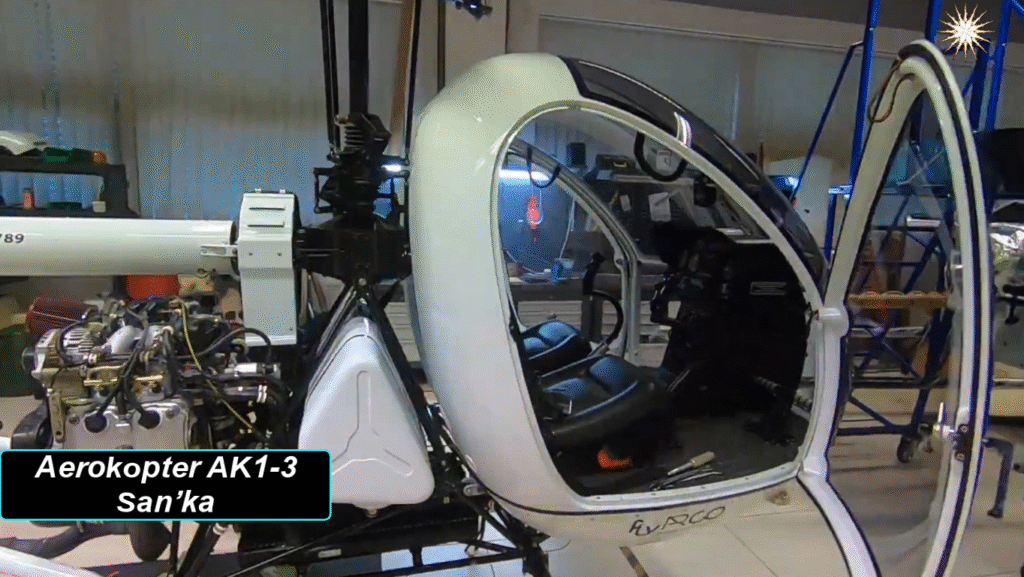
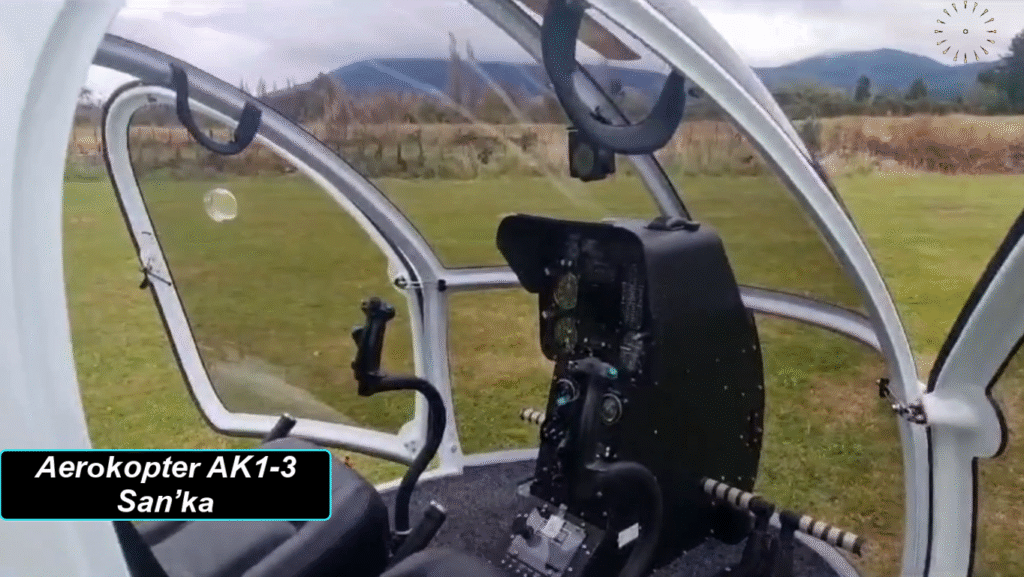
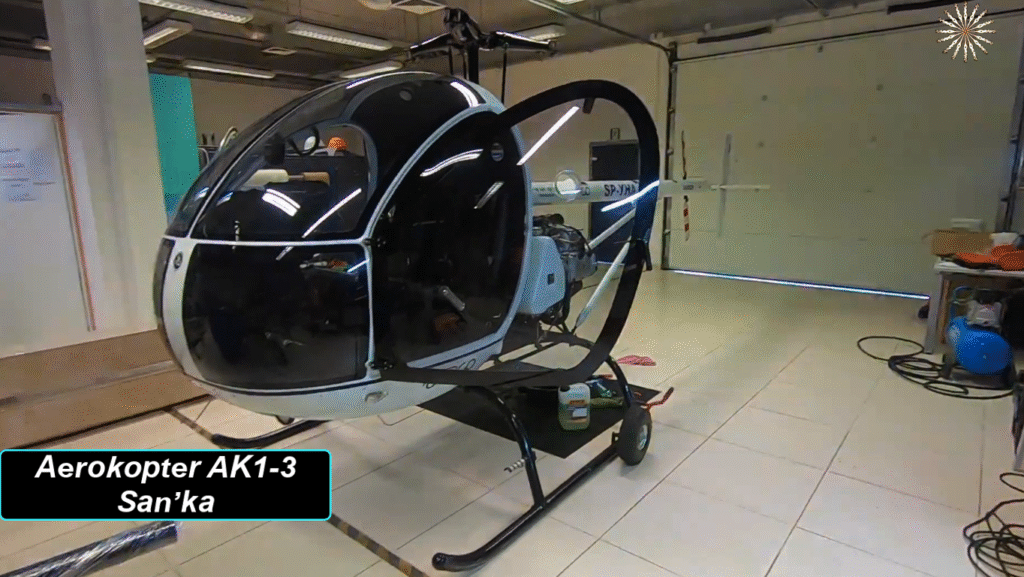
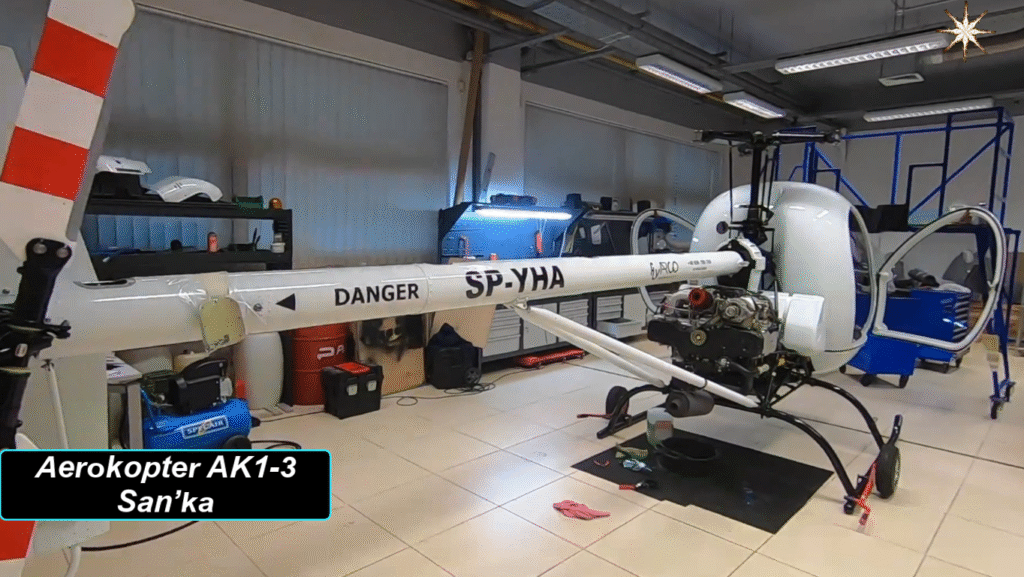
Despite its small footprint in aviation history, the Aerocopter AK 1-3 San’ka represents something larger than its production numbers suggest. It stands as a symbol of a transitional era—when engineers sought to redefine flight not as an elite or militarized endeavor, but as a practical tool within reach of individuals. Today, the San’ka is rarely seen and seldom discussed, yet its story captures the enduring human drive to simplify the skies and prove that even the most modest machines can embody ambitious ideas.