Introduction: The Dawn of a New Naval Era
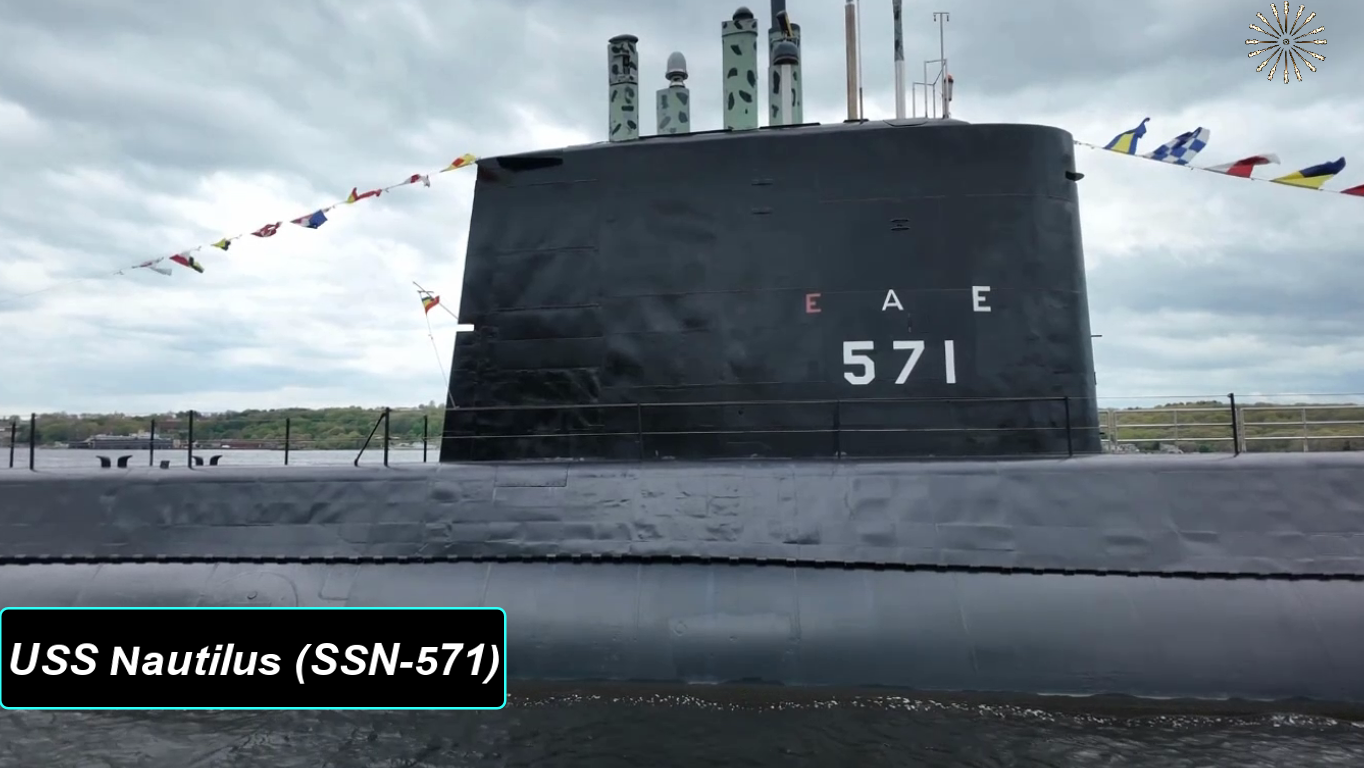
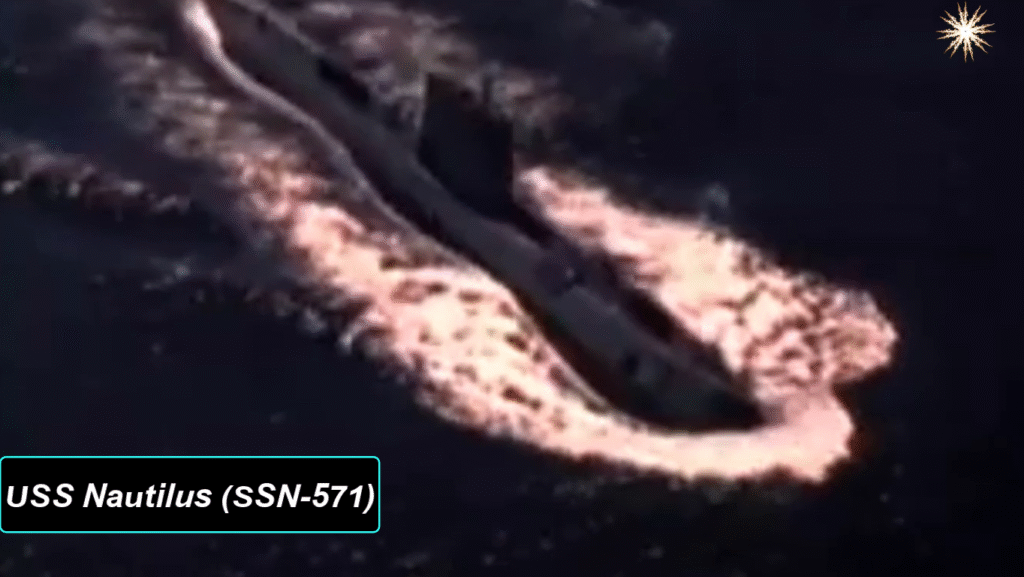
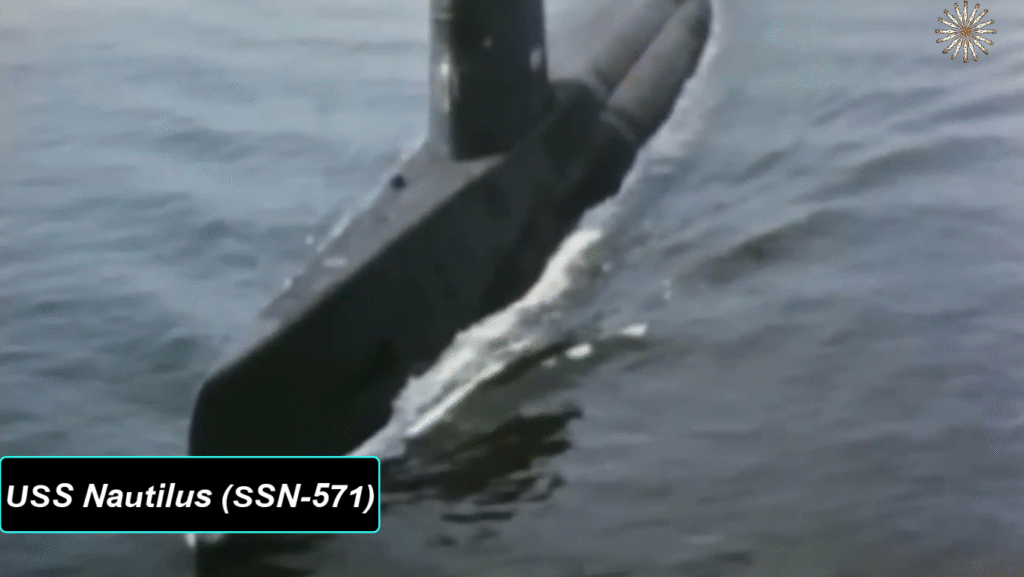
The USS Nautilus (SSN-571) wasn’t just another submarine—it was the vessel that forever changed the course of naval warfare. As the world’s first operational nuclear-powered submarine, Nautilus proved that nuclear propulsion could grant submarines virtually unlimited underwater range, endurance, and stealth. Commissioned in 1954, it marked the beginning of a revolutionary chapter in maritime history, redefining both strategy and science beneath the waves.
Origins and Authorization: A Vision of Nuclear Propulsion
Congressional Approval and Early Planning (1951)
Authorized by Congress in July 1951, the Nautilus program represented a daring leap into uncharted technological waters. The U.S. Navy partnered with the Atomic Energy Commission and pioneering engineer Hyman G. Rickover, often called the “Father of the Nuclear Navy.” His vision was to harness atomic energy for propulsion—something no other navy had ever achieved.
Building the Future: Keel Laying and Launch Milestones
The keel was laid on June 14, 1952, at the Electric Boat Division of General Dynamics in Groton, Connecticut. Mamie Eisenhower, the First Lady, christened and launched the ship on January 21, 1954, marking the beginning of a new technological era. The Nautilus was commissioned into service on September 30, 1954, ready to prove the power of nuclear energy at sea.
Technical Specifications of USS Nautilus (SSN-571)
Physical Dimensions and Displacement
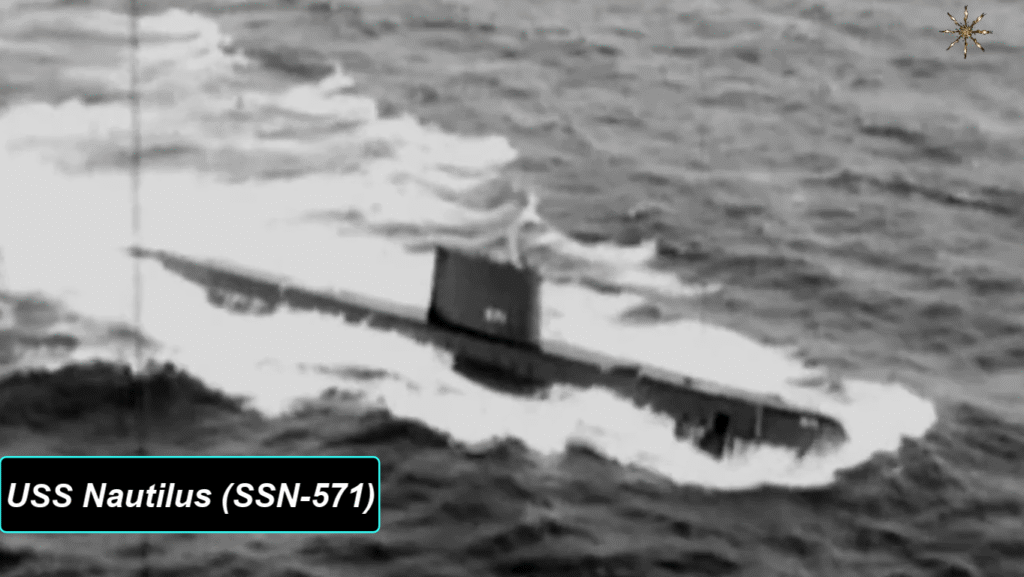
Nautilus measured approximately 319–324 feet in length and 27–28 feet in beam, displacing about 3,500 tons surfaced and over 4,000 tons submerged. Her hydrodynamic hull shape improved submerged performance compared to diesel-electric submarines of World War II.
Propulsion System: The Revolutionary Nuclear Reactor
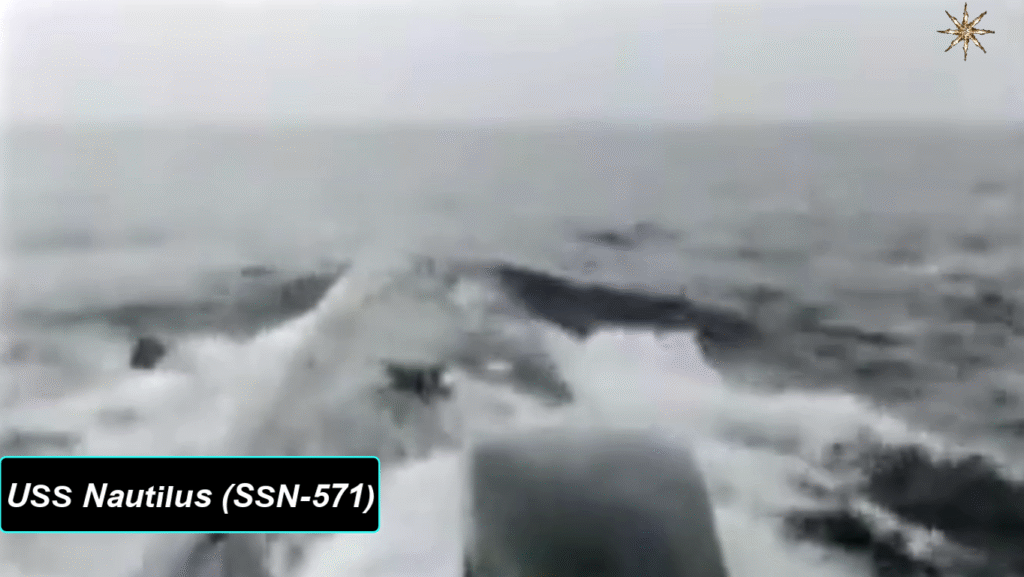
At the heart of Nautilus was the S2W pressurized water reactor, a marvel of 1950s engineering. The reactor produced steam to power turbines, driving twin propeller shafts. Unlike conventional submarines, Nautilus didn’t rely on batteries or air—allowing it to remain submerged for weeks, even months, at a time.
Speed, Crew, and Armament Capabilities
Capable of exceeding 20 knots submerged, Nautilus was manned by about 13 officers and 90 enlisted sailors. She carried six 533 mm torpedo tubes, capable of delivering conventional or training torpedoes, making her not only fast and quiet but also a formidable underwater weapon.
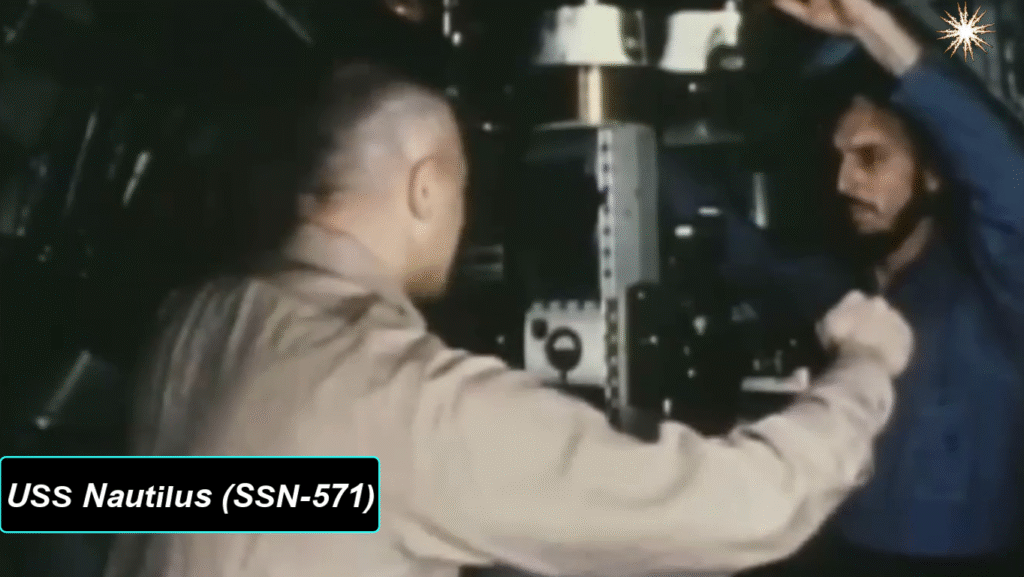
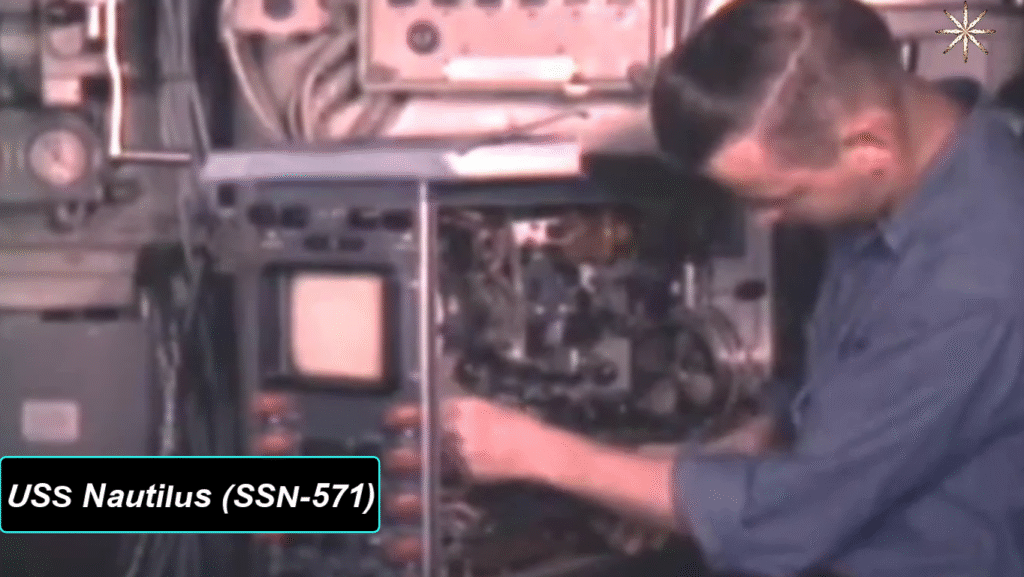
“Underway on Nuclear Power”: The First Nuclear Voyage (1955)
Historic Message and Sea Trials
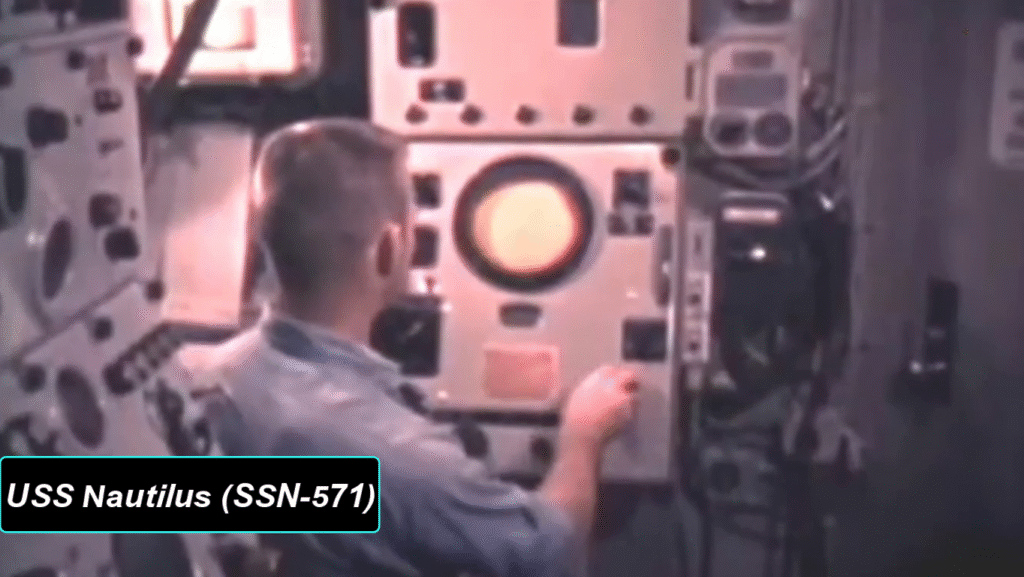
On January 17, 1955, Commander Eugene P. Wilkinson sent the message, “Underway on nuclear power.” It was a moment that echoed through history. The first nuclear-powered voyage demonstrated the success of atomic propulsion—Nautilus could travel thousands of miles without surfacing.
Early Challenges and Lessons Learned
While revolutionary, the new system wasn’t flawless. The submarine’s design led to vibration and noise issues at high speeds—challenges that would later be corrected in future submarine classes like Skate and Skipjack. Still, Nautilus laid the foundation for the quiet, powerful submarines that followed.
Record-Breaking Missions and Endurance Feats
Operation “Submerged Endurance” (1955–1956)
During this mission, Nautilus traveled 1,381 miles (2,222 km) in less than 90 hours, completely submerged—a world record at the time. This operation proved that nuclear submarines could outlast and outperform all previous designs, staying underwater for unprecedented durations.
Long-Distance Voyages and Strategic Demonstrations
By the mid-1950s, Nautilus had covered over 60,000 miles, most of it underwater. Each voyage demonstrated the reliability of nuclear propulsion and its strategic potential for the Cold War era.
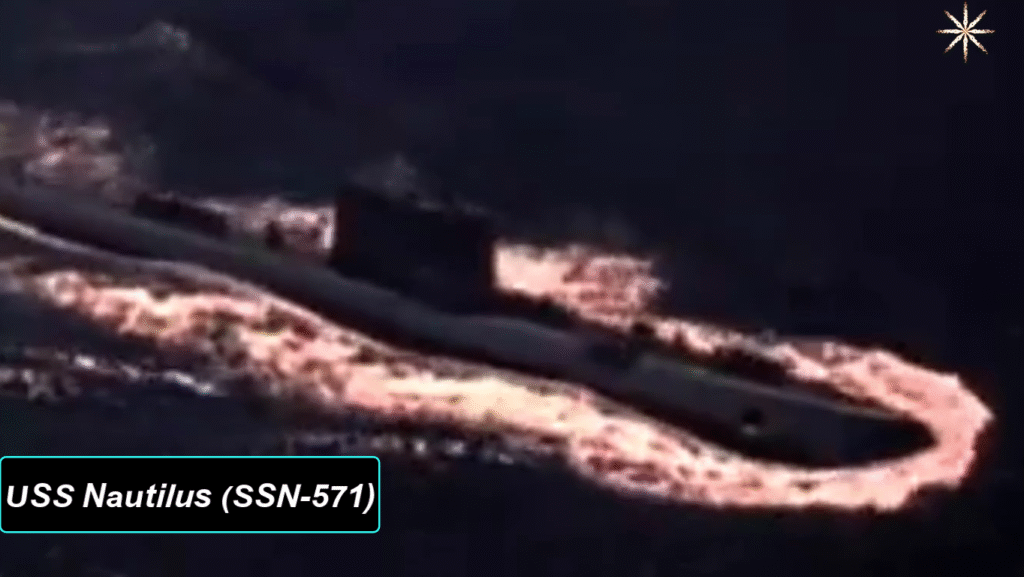
Operation Sunshine: The North Pole Mission (1958)
Objective and Strategic Significance
In Operation Sunshine, Nautilus was tasked with navigating under the Arctic ice to reach the geographic North Pole—a mission that tested both human and machine to their limits.
Journey Under the Arctic Ice Cap
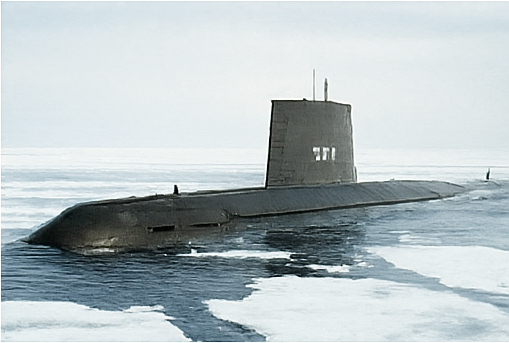
Commanded by William R. Anderson, Nautilus departed Pearl Harbor on July 23, 1958, journeyed beneath the polar ice, and reached the North Pole on August 3, 1958. She emerged near Greenland two days later—marking the first successful submerged transit of the Pole.
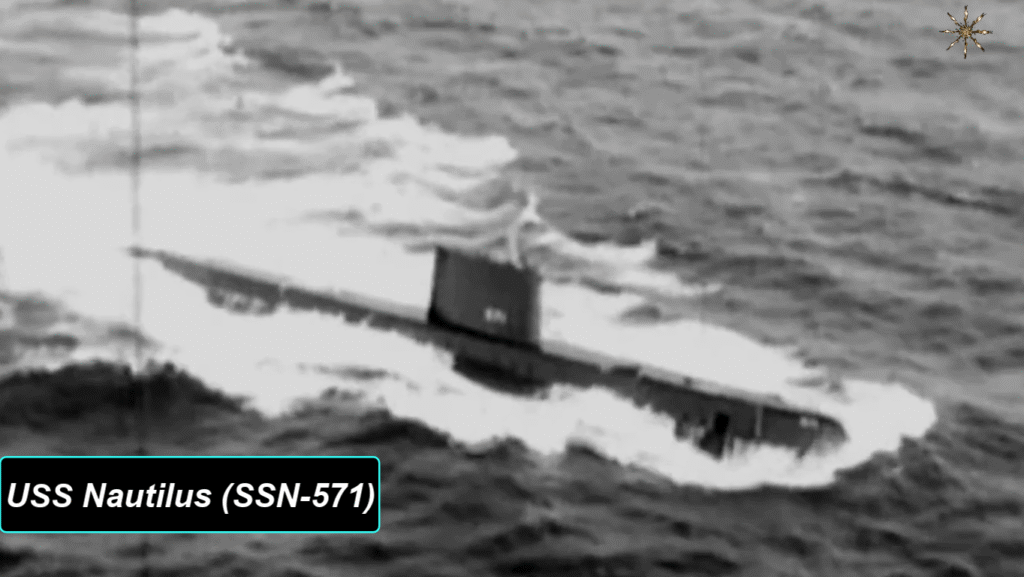
Achievements and Impact on the Cold War
This mission showcased America’s technological edge during the Cold War, proving that nuclear submarines could operate anywhere on Earth—even under polar ice caps. It was both a scientific and strategic triumph.
Mediterranean and NATO Operations
Deployments in the 1950s and 1960s
Nautilus joined the U.S. Sixth Fleet for multiple Mediterranean deployments, demonstrating her capabilities to NATO allies and participating in international naval exercises.
Antisubmarine and Fleet Exercises
She conducted vital antisubmarine warfare (ASW) drills, helping develop new tactics and training methods for NATO forces adapting to the nuclear age.
Testing, Training, and Research Roles (1960s–1970s)
Acoustic Signature Studies and Reactor Testing
As newer submarines entered service, Nautilus became a testbed for reactor and sonar systems, contributing to the evolution of quieter and more efficient designs.
Preparing the Next Generation of Nuclear Submariners
Her crew and systems were instrumental in training future nuclear submarine officers, ensuring that lessons from Nautilus continued to shape naval innovation.
Decommissioning and Transformation into a Museum Ship
Final Operations and Deactivation in 1980
After traveling over 500,000 miles under nuclear power, Nautilus was decommissioned on March 3, 1980. She was formally stricken from the Naval Vessel Register soon after.
Preservation and Public Display in Groton, Connecticut
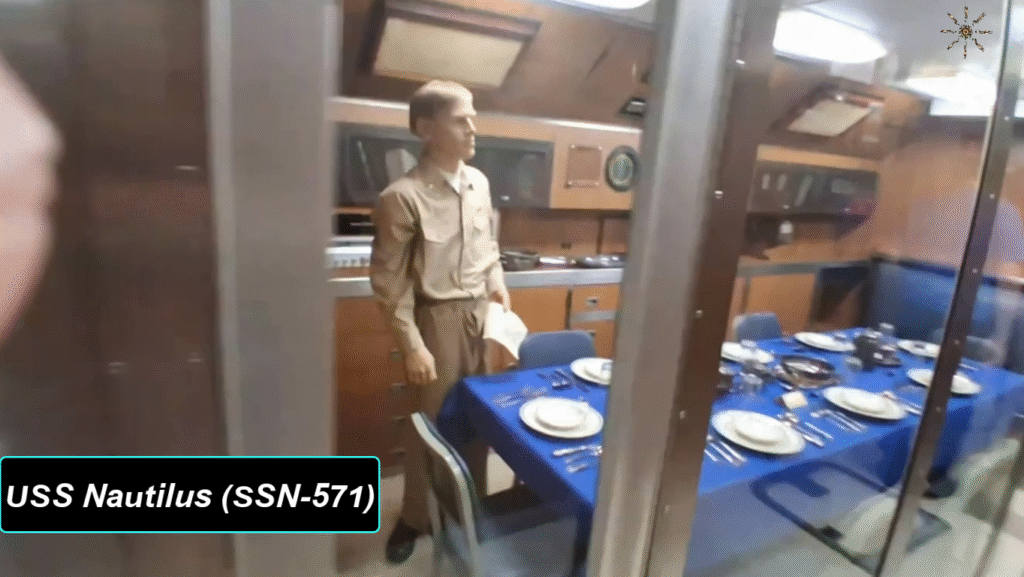
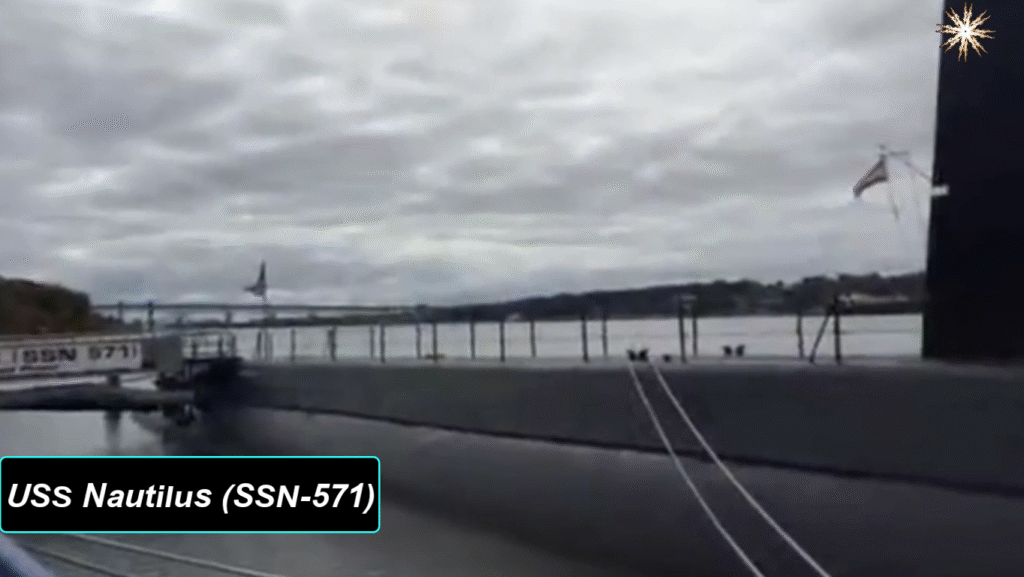
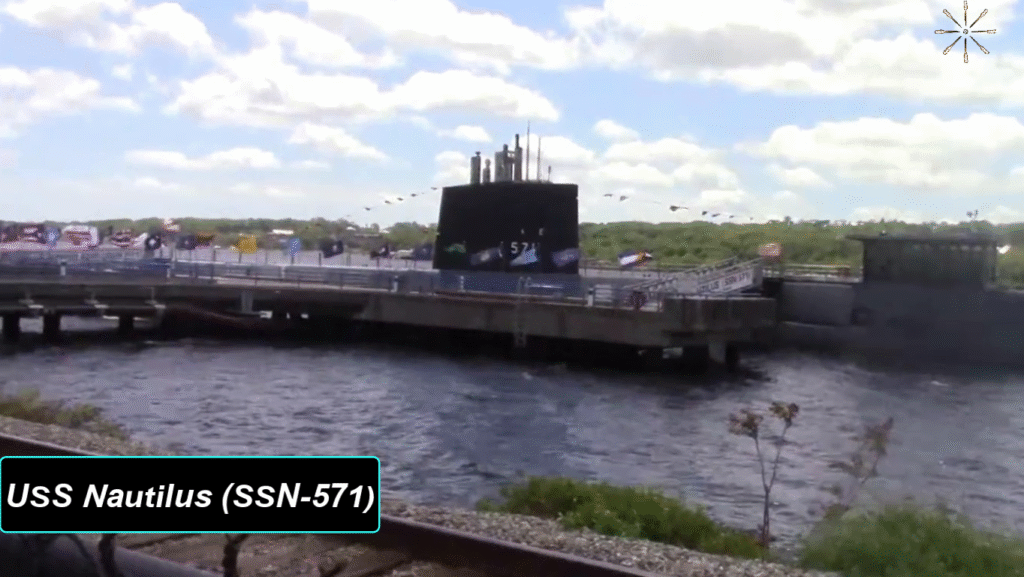
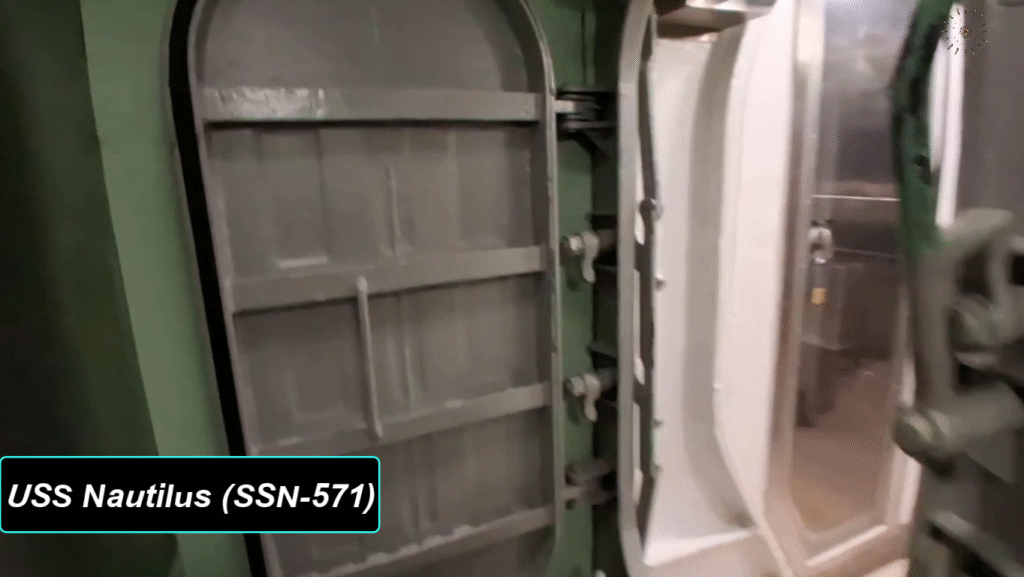
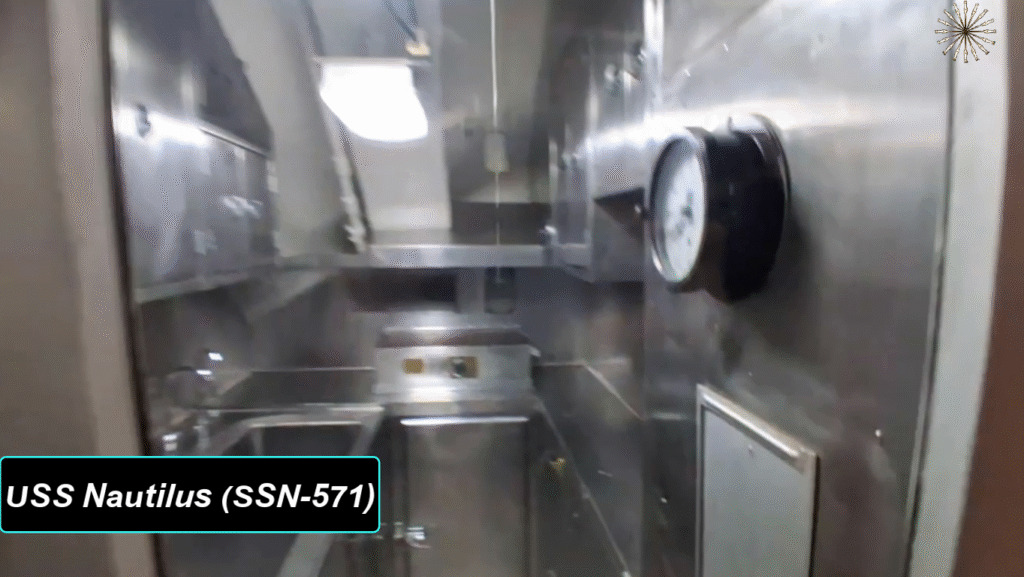
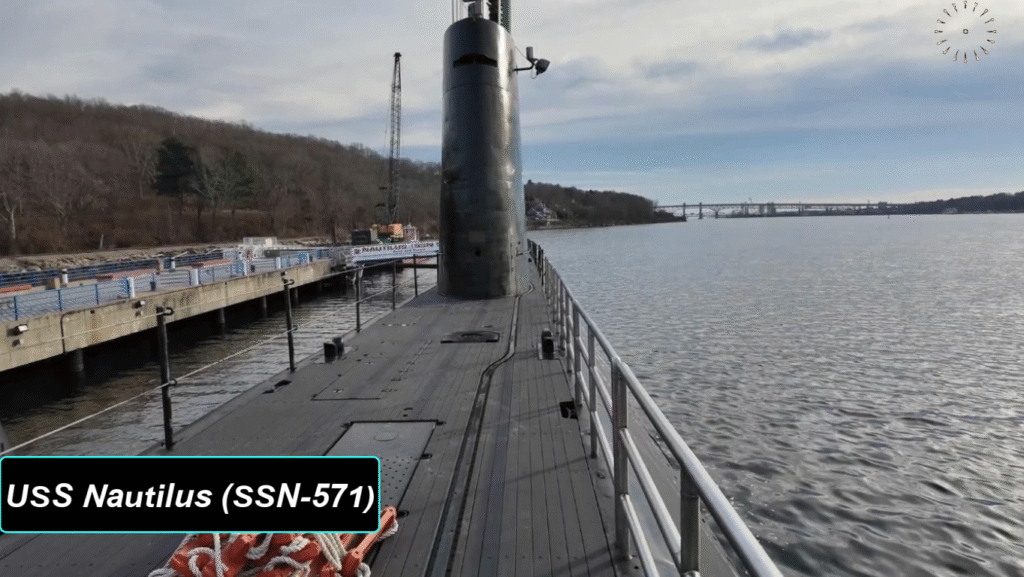
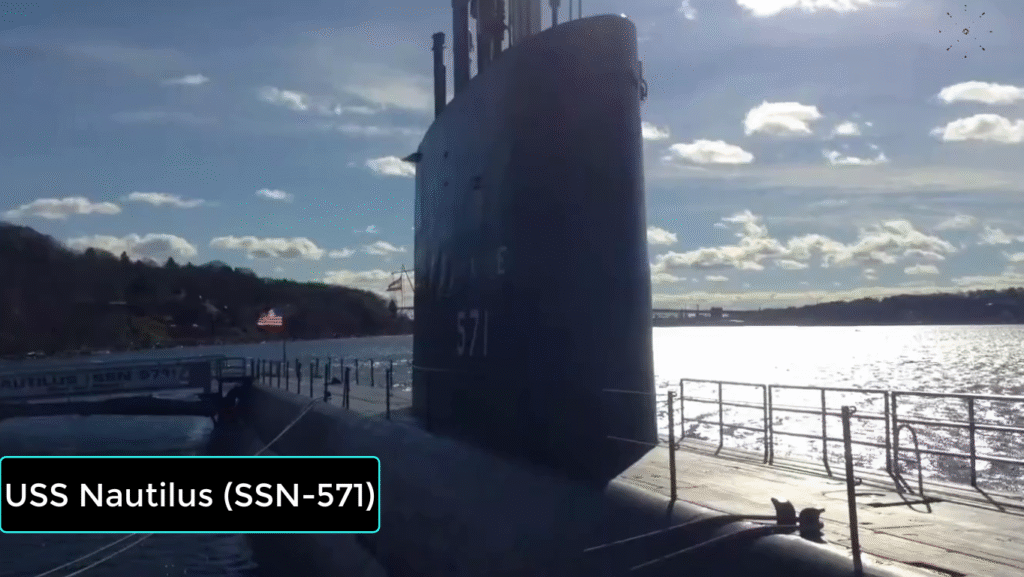
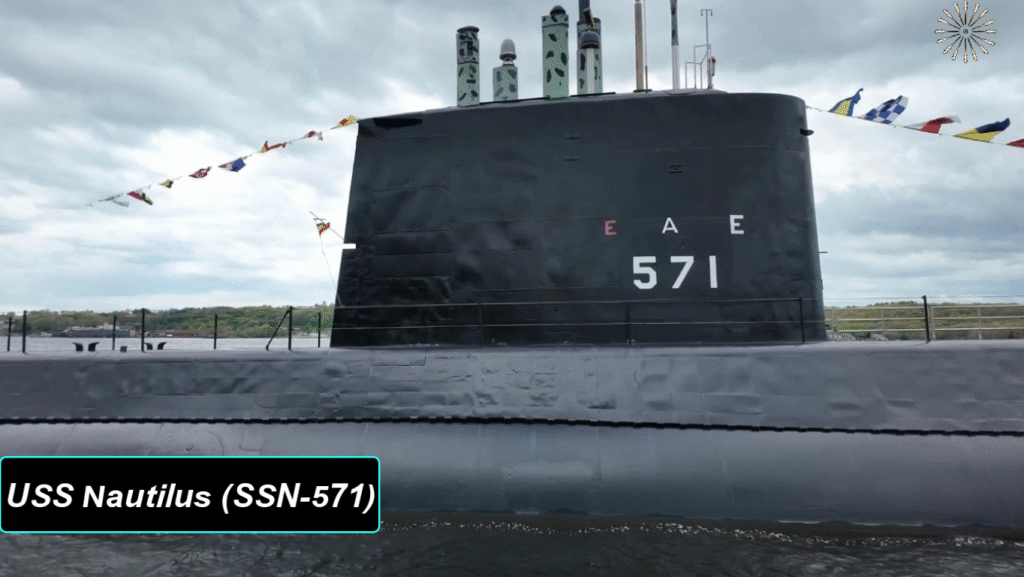
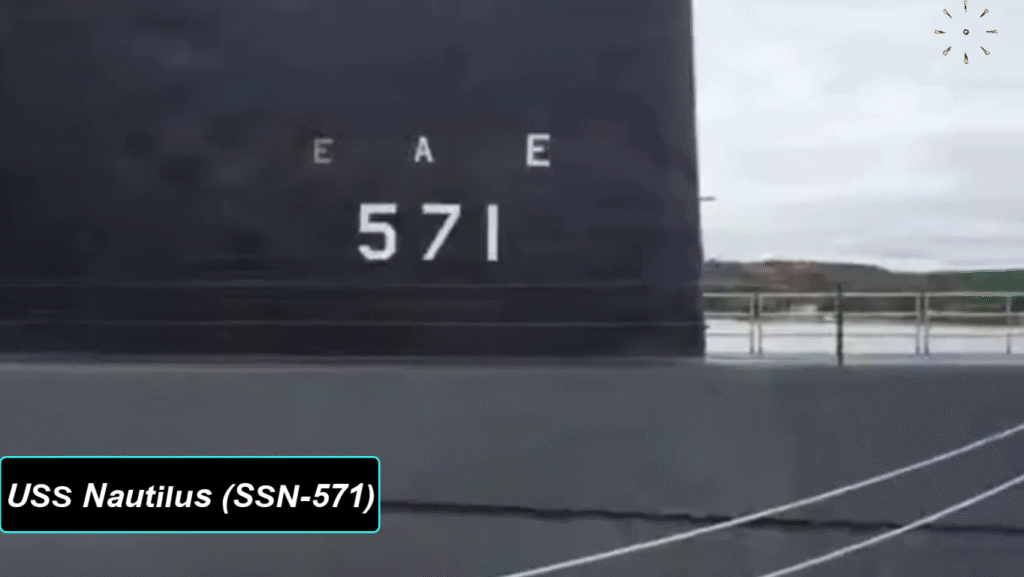
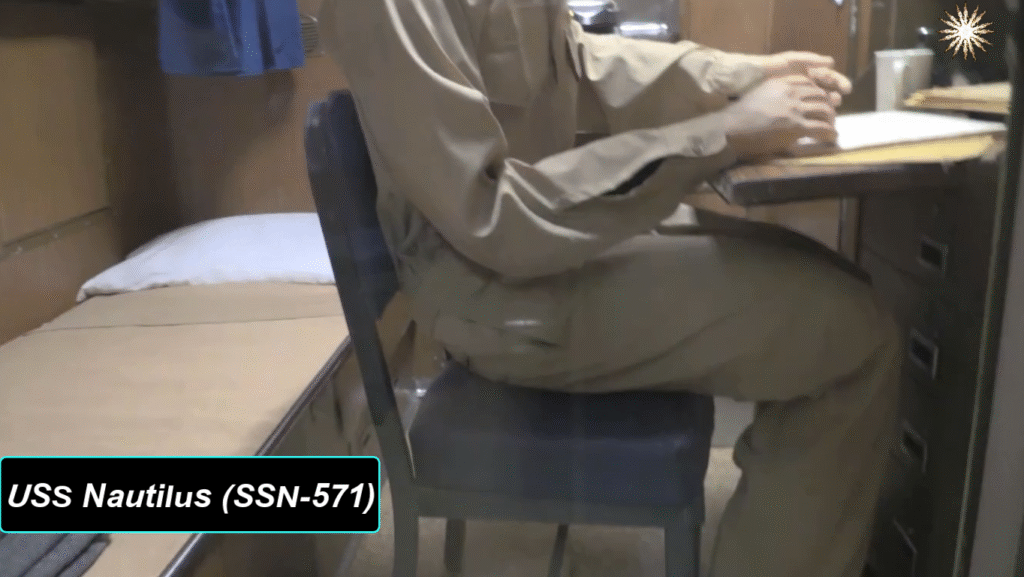
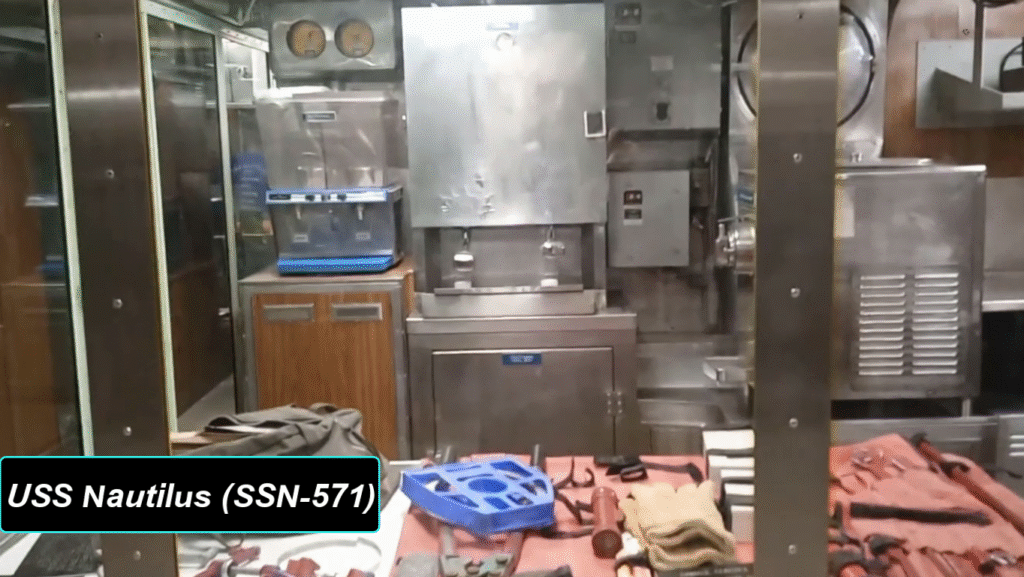
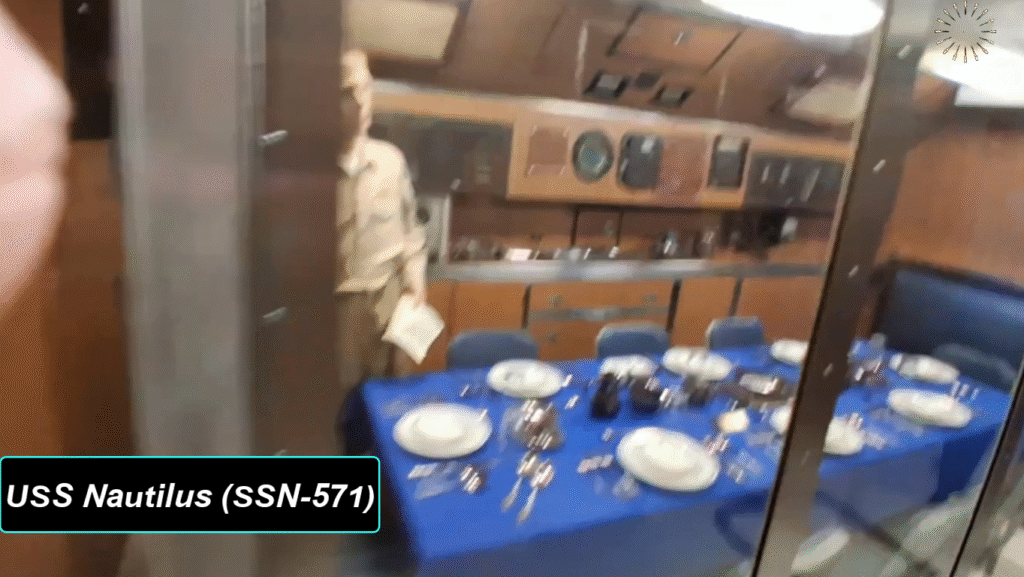
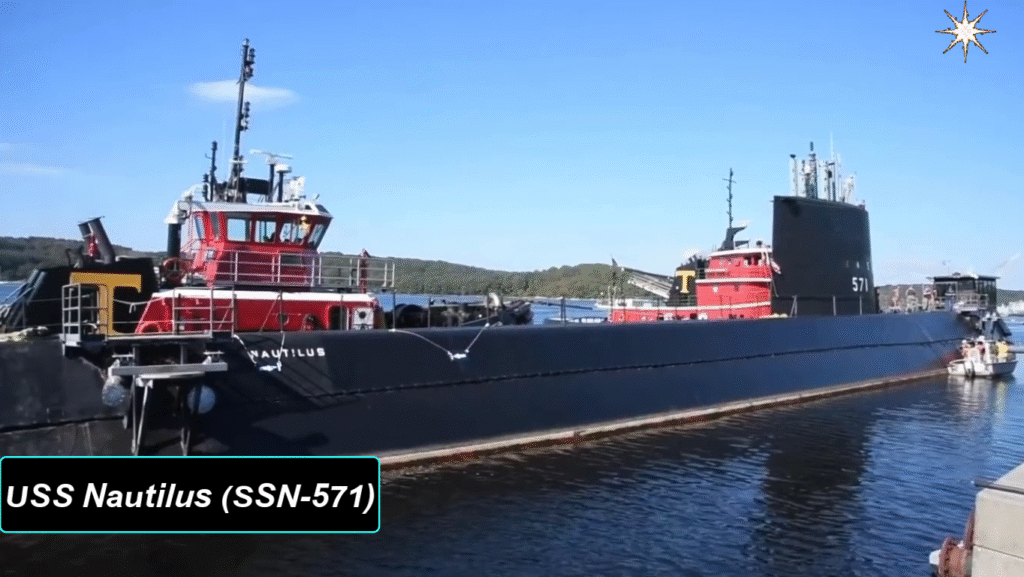
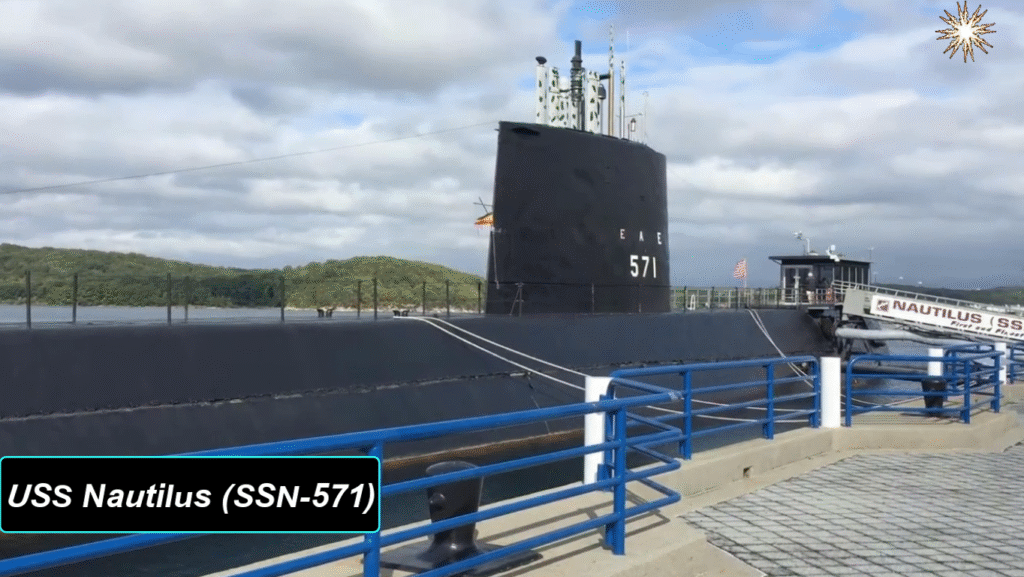
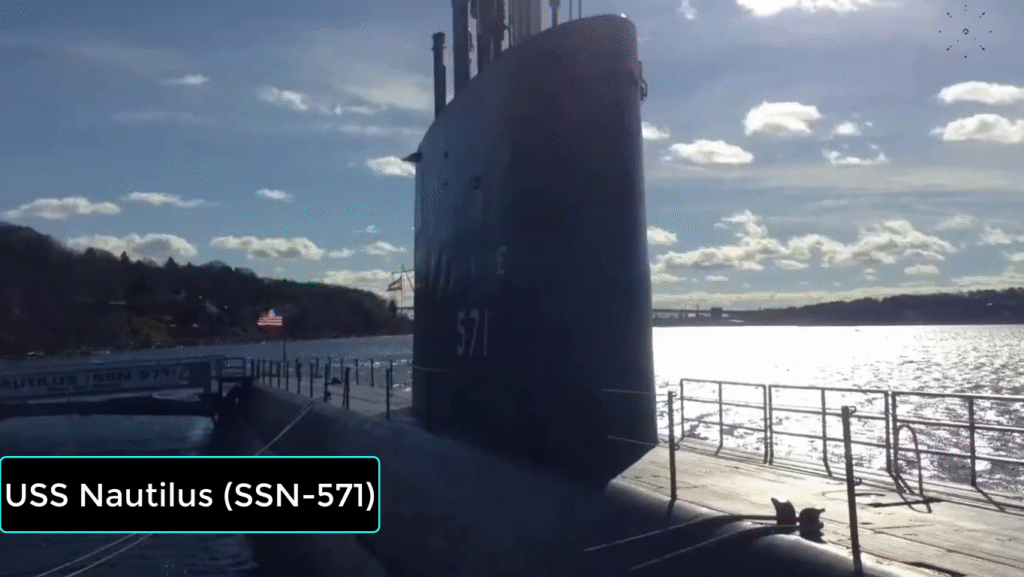
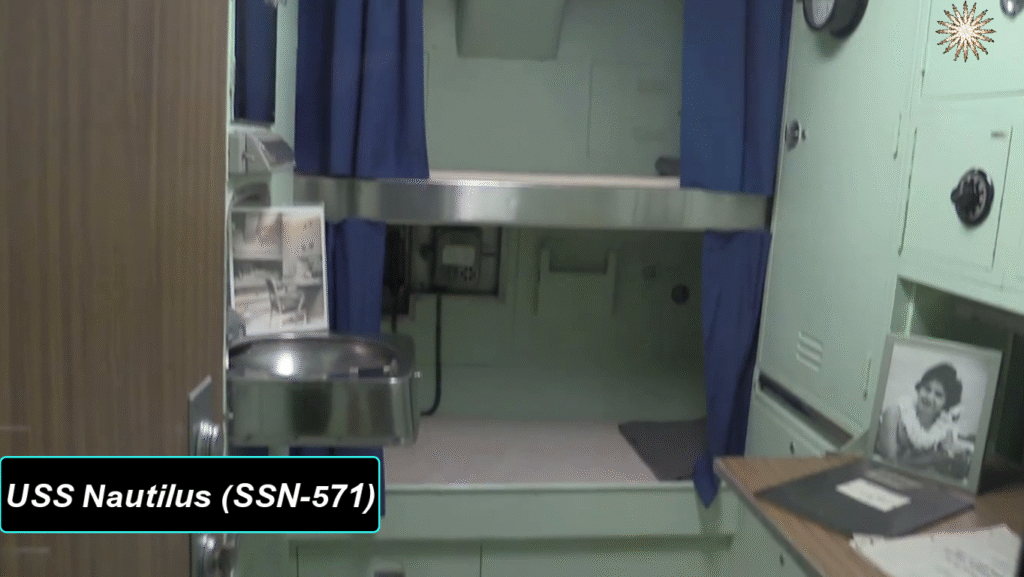
In 1986, Nautilus reopened as a museum ship at the Submarine Force Library & Museum in Groton, Connecticut, where millions of visitors have since walked her decks.
2021–2022 Refurbishment and Renewed Legacy
Recent preservation efforts, costing around $36 million, ensured the submarine’s continued survival as a living monument to Cold War engineering and courage.
Challenges, Innovations, and Lasting Influence
Engineering Limitations and Lessons for Future Submarines
Nautilus’s noisy propulsion system and hull vibrations provided valuable lessons. Future designs reduced noise, increased efficiency, and extended stealth capabilities.
Influence on Civilian Nuclear Power Reactors
The pressurized water reactor (PWR) design pioneered aboard Nautilus became the foundation for many modern civilian nuclear power plants, bridging military innovation with civilian energy progress.
FAQs About USS Nautilus (SSN-571)
Q1. What made USS Nautilus unique?
It was the first submarine powered by a nuclear reactor, giving it unmatched endurance and range underwater.
Q2. Who commanded Nautilus during its North Pole mission?
Commander William R. Anderson led the historic Operation Sunshine mission in 1958.
Q3. Where is USS Nautilus today?
She is preserved as a museum ship at the Submarine Force Library & Museum in Groton, Connecticut.
Q4. How fast could Nautilus travel underwater?
She achieved speeds of over 20 knots submerged, significantly faster than diesel-electric submarines.
Q5. How did Nautilus influence future submarines?
Her design inspired later nuclear classes like Skate, Skipjack, and Nautilus’s successors, which were faster, quieter, and more efficient.
Q6. Is the Nautilus still nuclear-powered today?
No. The reactor was removed and de-fueled during her conversion into a museum ship in the 1980s.
Conclusion: A Symbol of Innovation Beneath the Waves
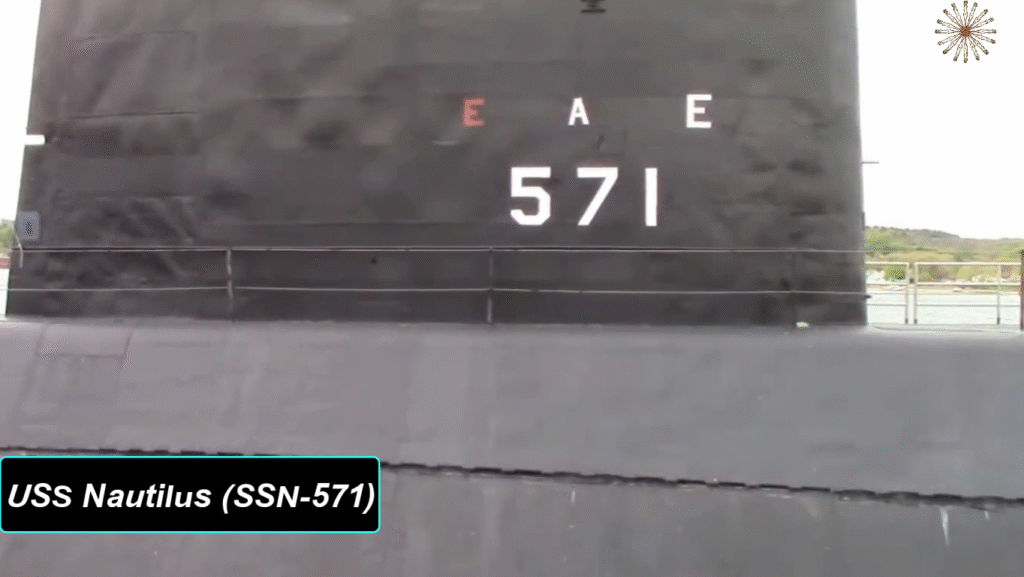
The USS Nautilus (SSN-571) was more than a vessel—it was a technological revolution that reshaped naval history. Her pioneering nuclear propulsion system, polar expeditions, and service innovations marked the dawn of a new age in maritime warfare. Today, Nautilus stands in Groton as a proud symbol of human ingenuity, courage, and the relentless pursuit of progress beneath the seas.