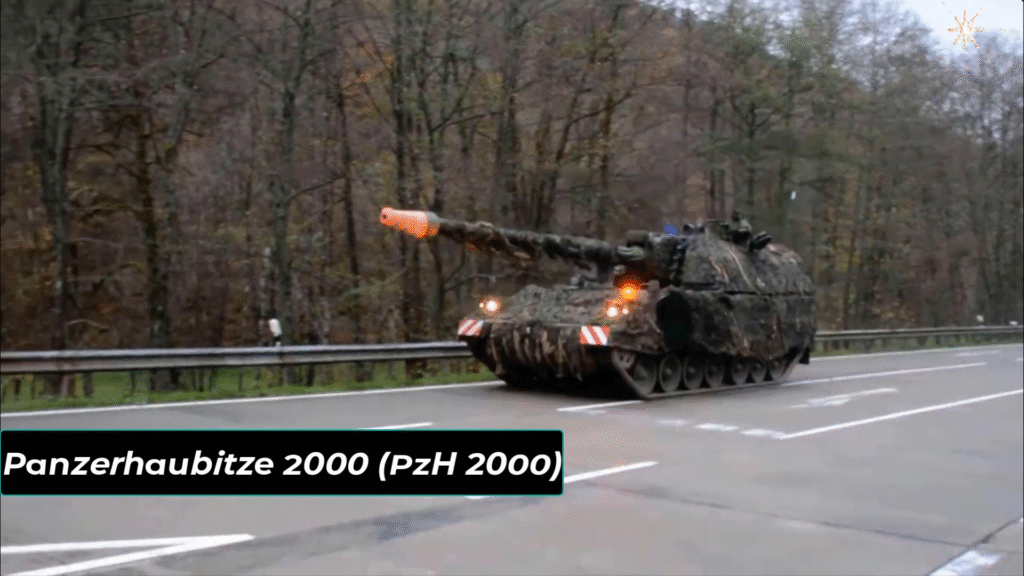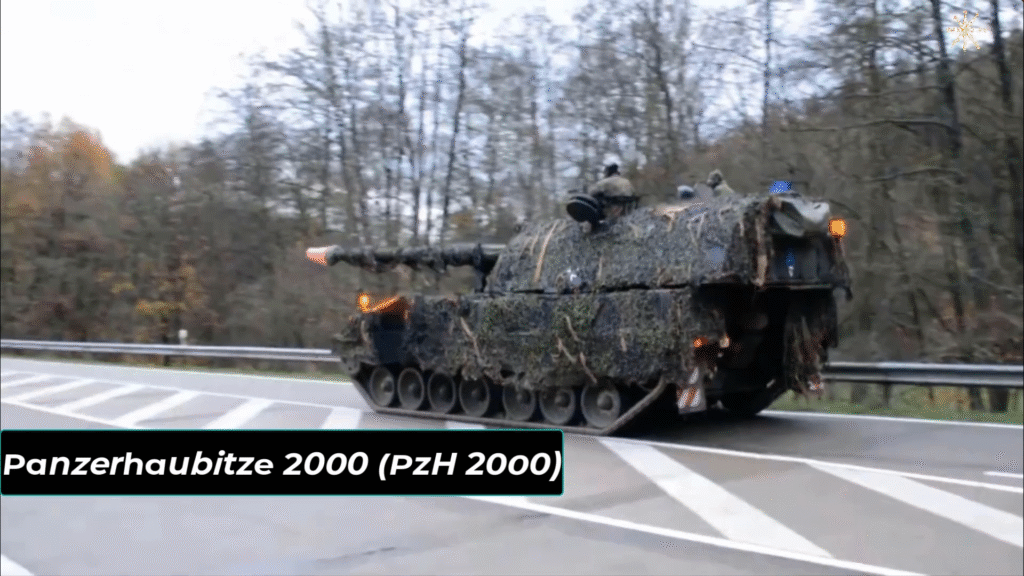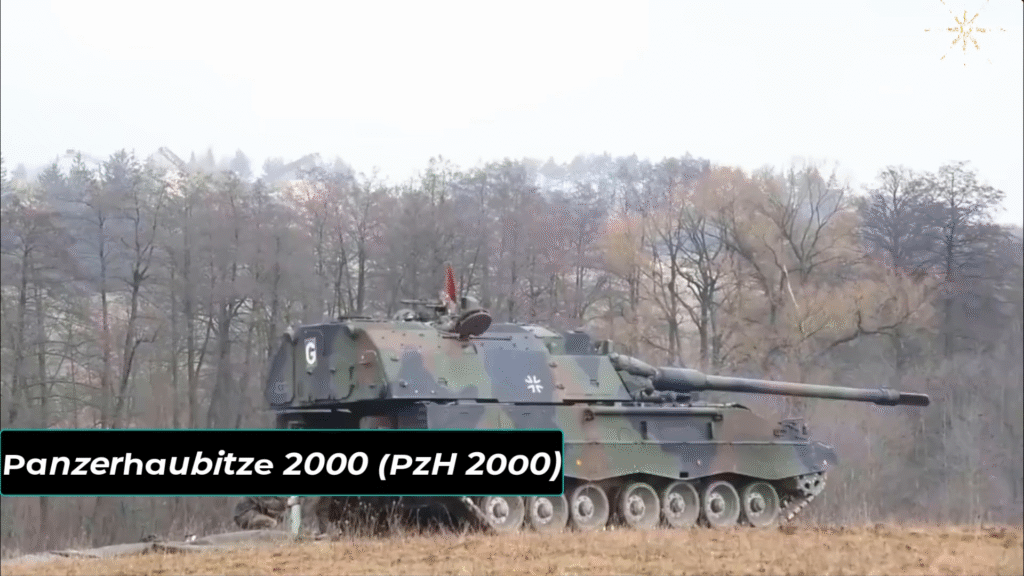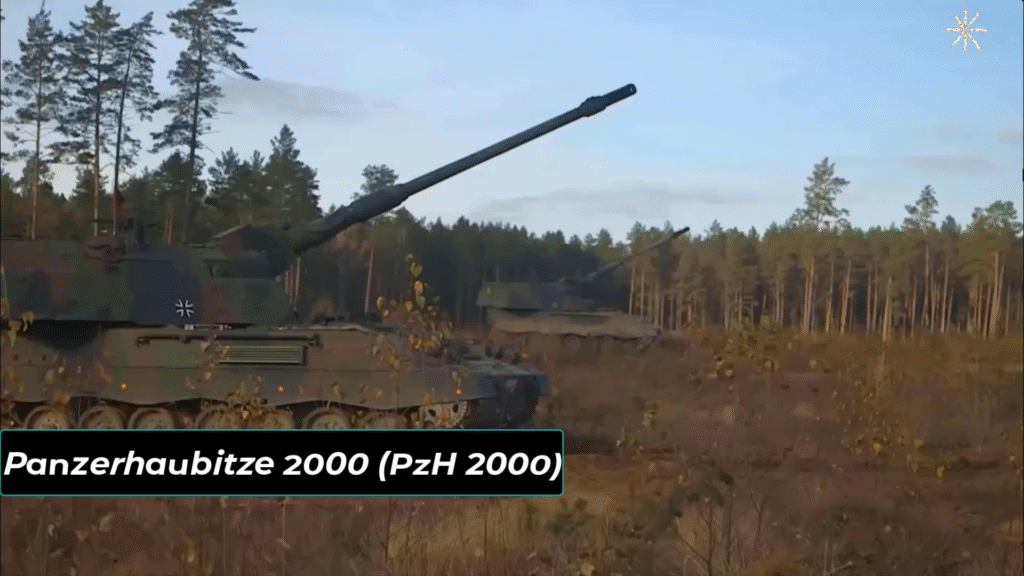
Introduction to the Panzerhaubitze 2000
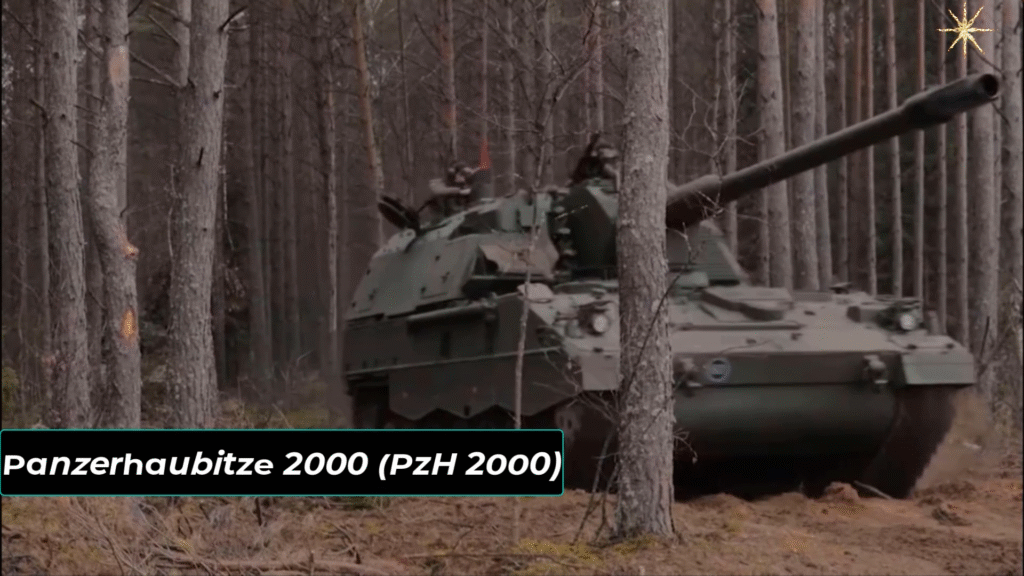
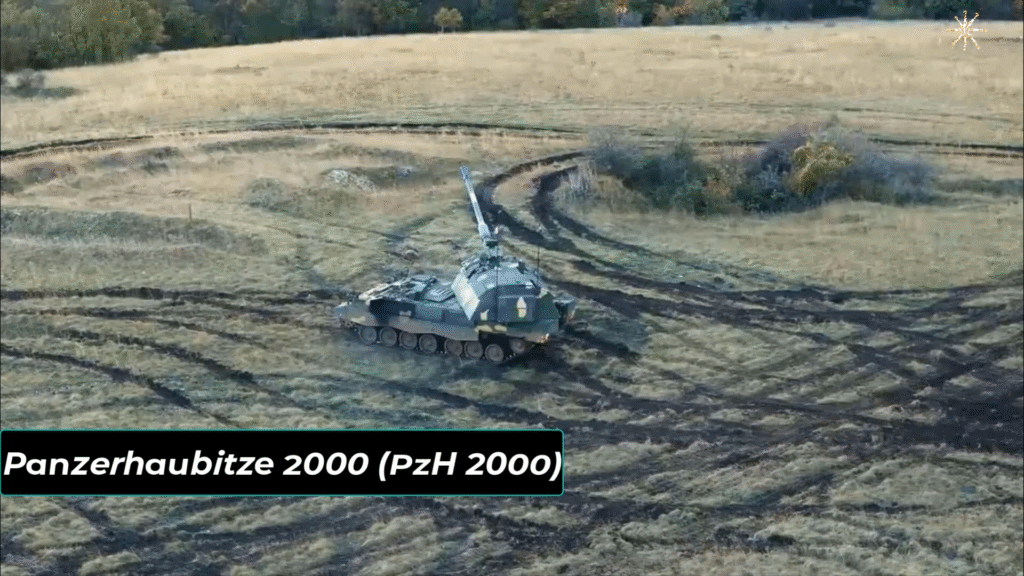
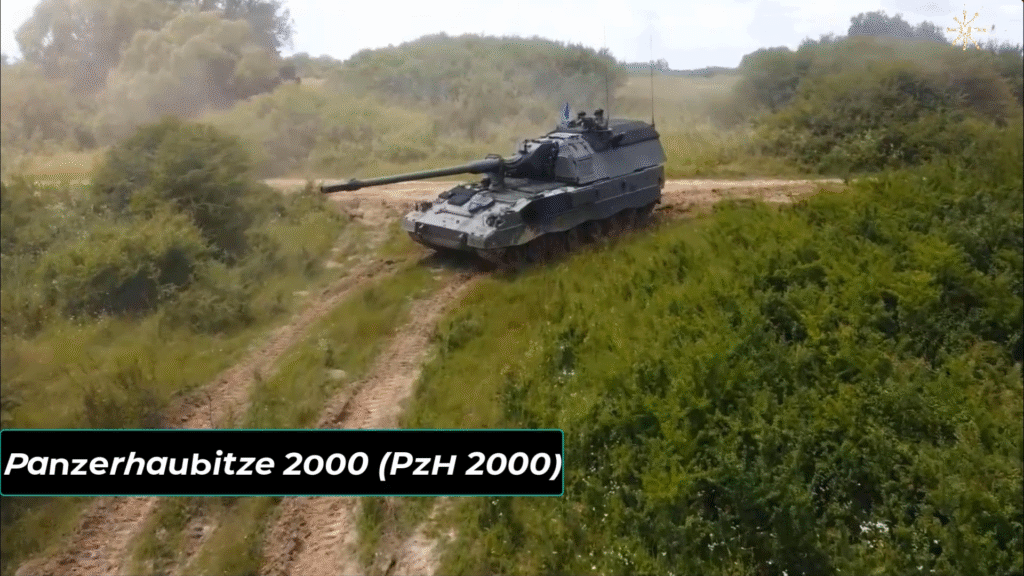
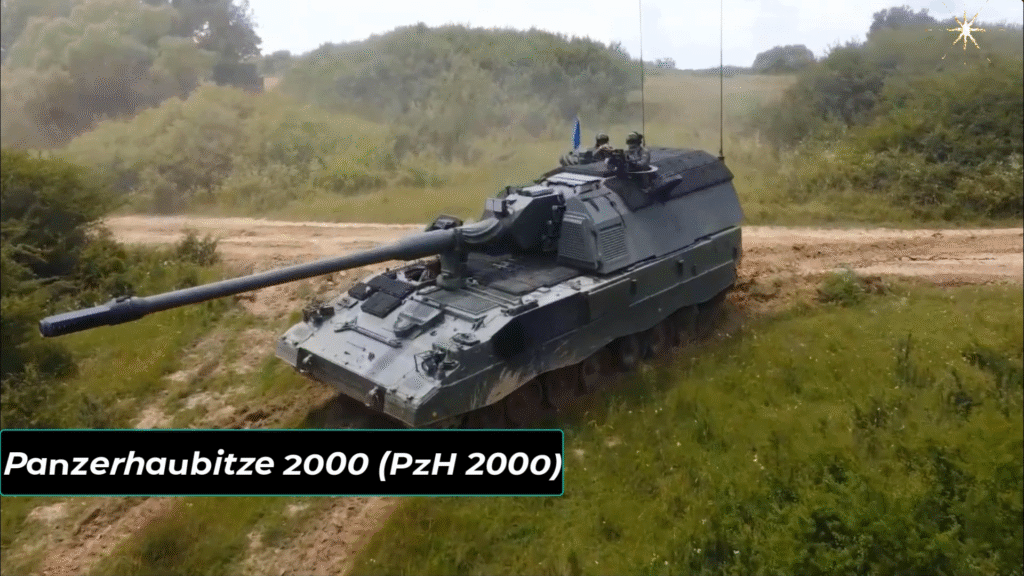
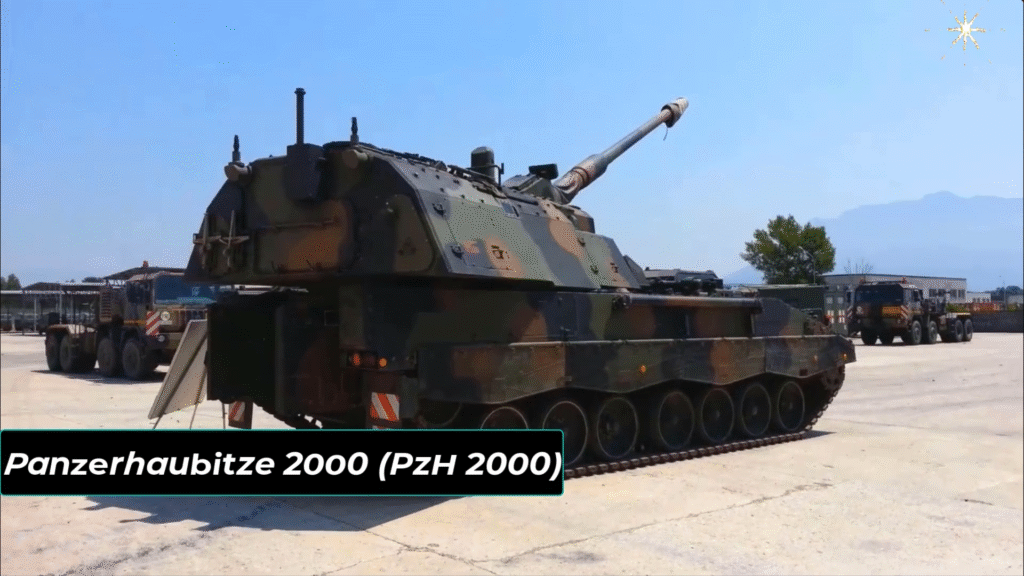
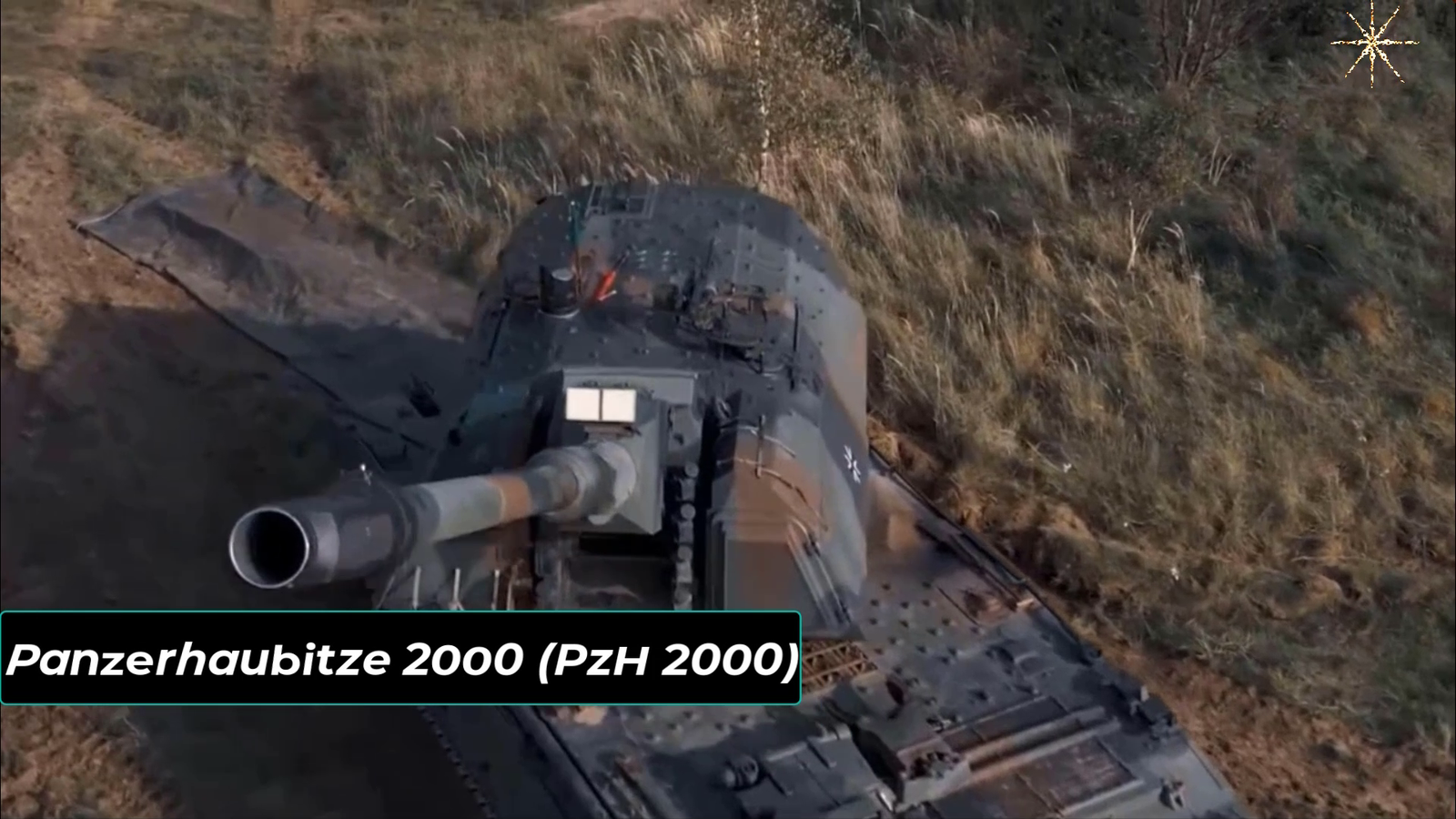
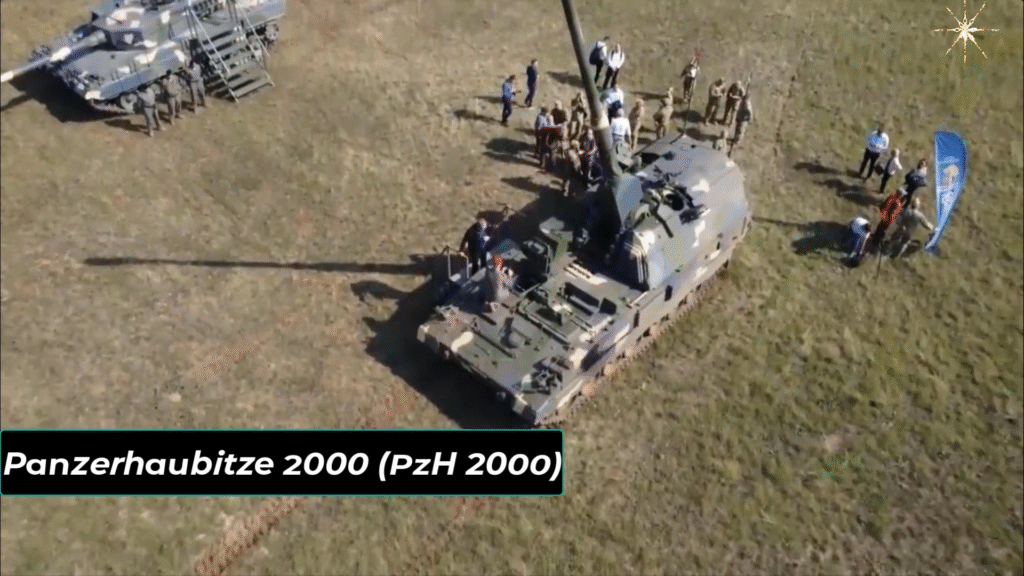
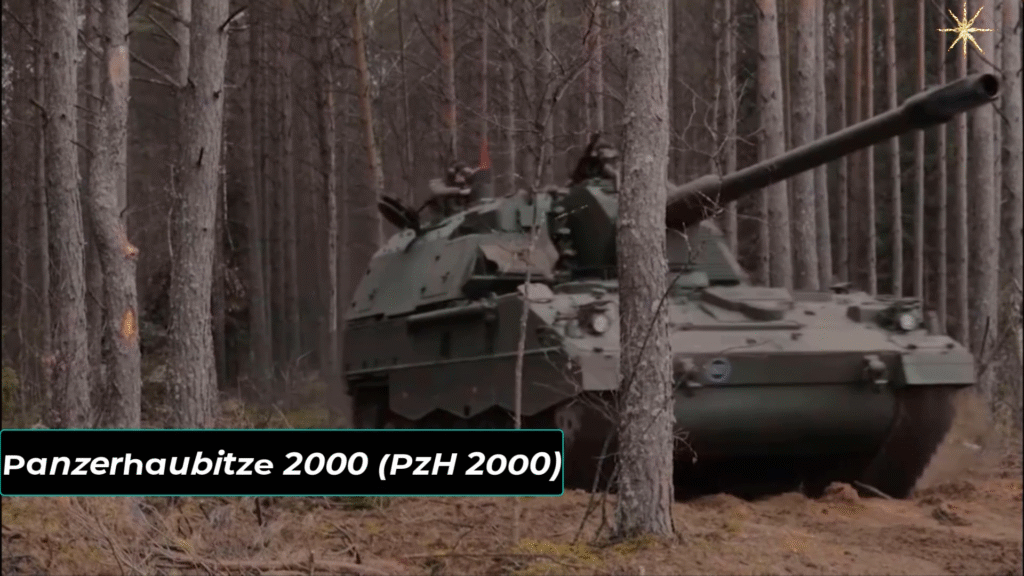
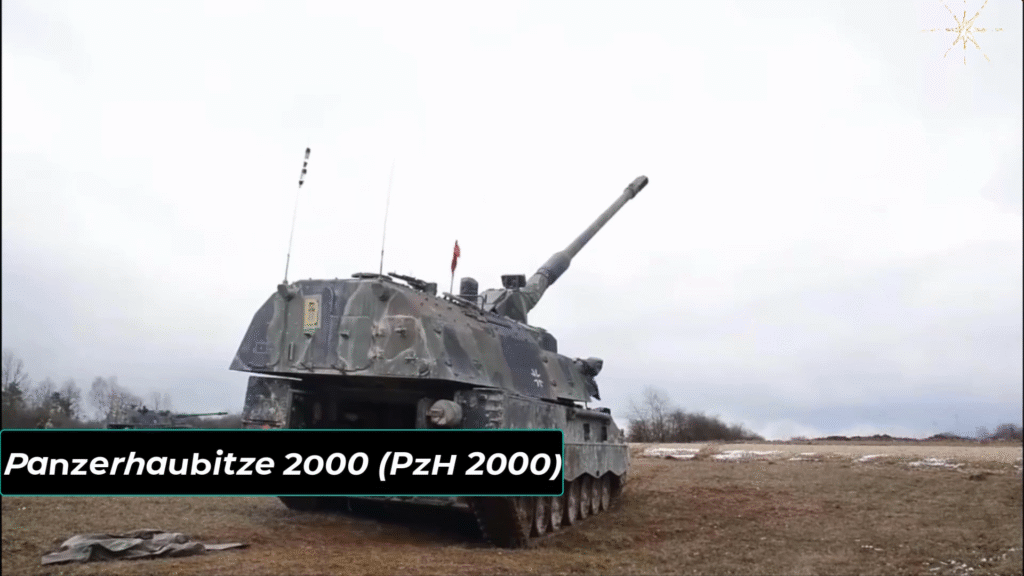
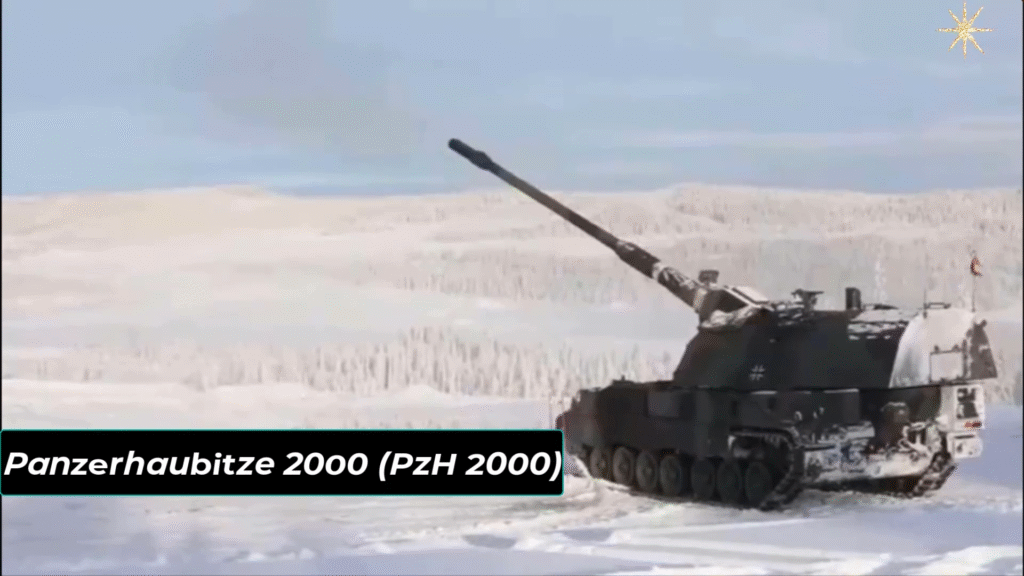
The Panzerhaubitze 2000 (PzH 2000) is widely regarded as one of the most advanced self-propelled howitzers ever developed. Designed and produced in Germany during the 1990s by Krauss-Maffei Wegmann (KMW) and Rheinmetall, this 155 mm artillery system entered service in 1998. Its combination of long-range firepower, rapid automation, advanced fire control, and battlefield survivability has made it a cornerstone of NATO’s modern artillery capabilities.
Today, the PzH 2000 is not only a symbol of German engineering excellence but also a weapon system that has proven itself in combat, from Afghanistan to the ongoing war in Ukraine.
Development History
Origins in Post-Cold War Germany
The collapse of the Soviet Union reshaped military strategies across Europe. Germany, seeking to modernize its artillery force, needed a system that could deliver fast, accurate, and long-range fire support. The existing systems, like the M109, were becoming outdated.
Role of Krauss-Maffei Wegmann (KMW) and Rheinmetall
KMW was responsible for the vehicle platform and turret design, while Rheinmetall engineered the 155 mm L52 howitzer, a gun that would become the centerpiece of the system. Their collaboration created a howitzer that combined raw firepower with cutting-edge technology.
First Deployment and Service Entry (1998)
After years of testing and refinement, the Panzerhaubitze 2000 entered service in 1998. It was hailed as a leap forward in artillery warfare, capable of outperforming nearly all contemporary systems.
General Characteristics
Weight, Dimensions, and Design Layout
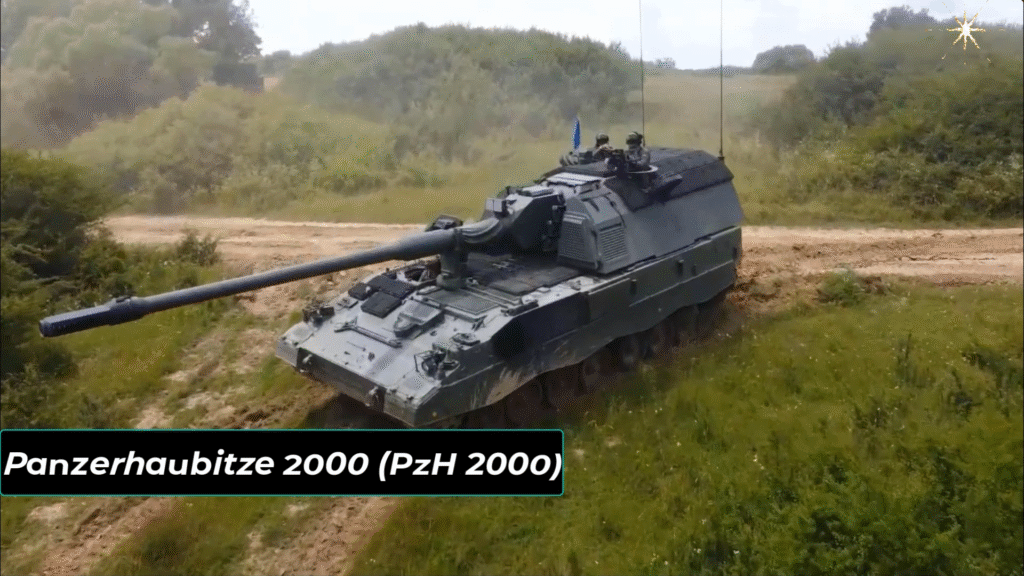
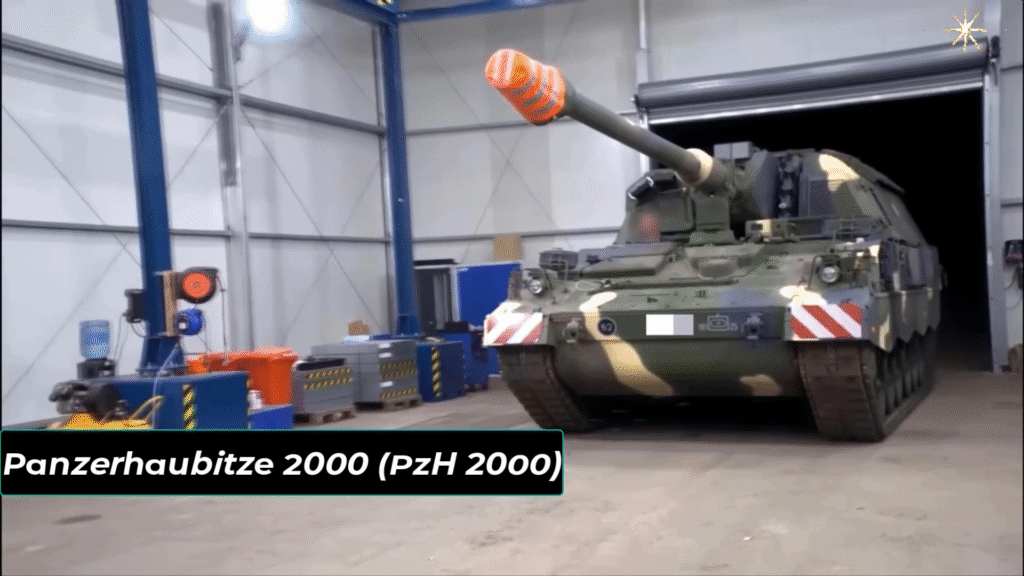
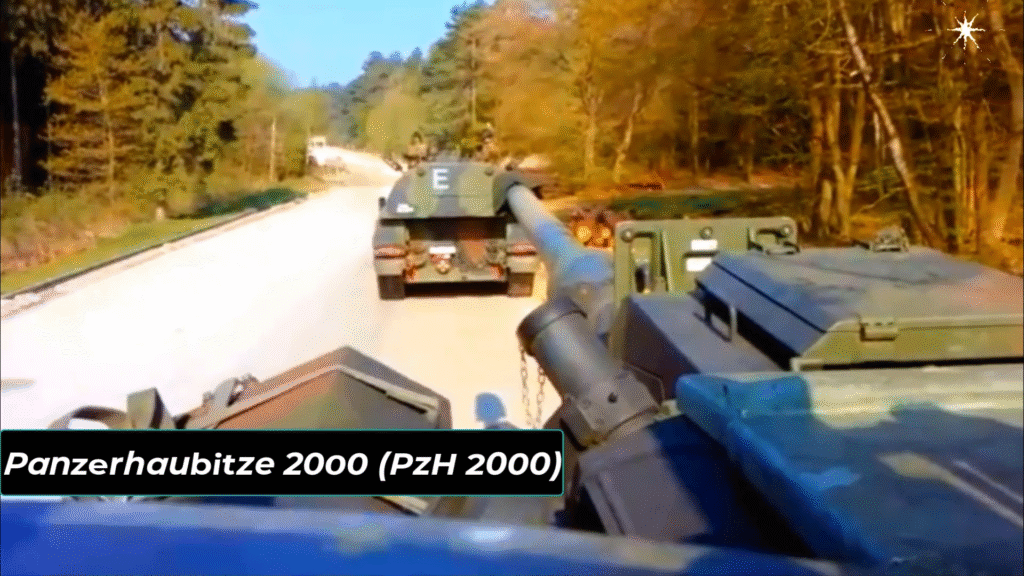
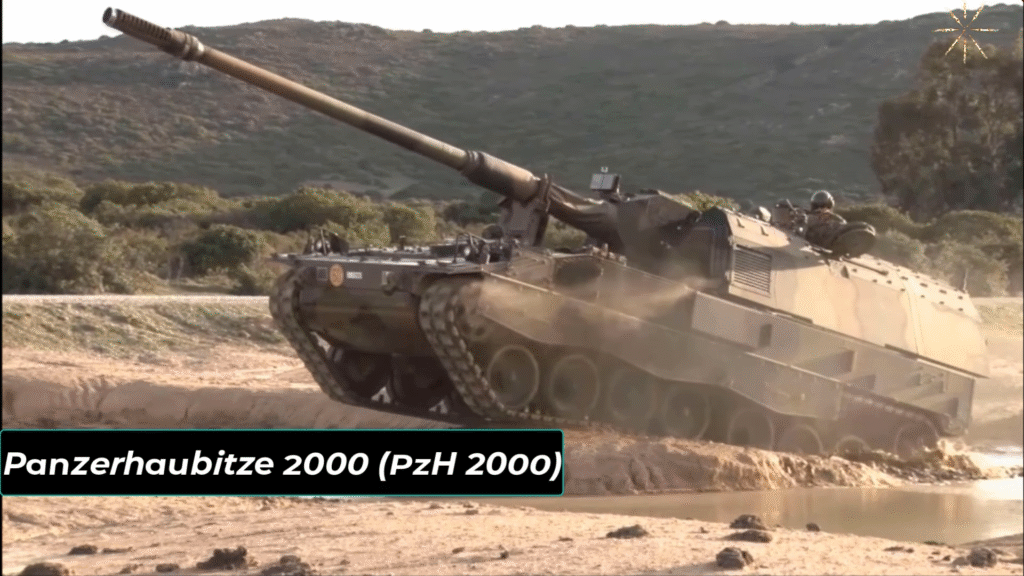
The PzH 2000 weighs approximately 55.3 tons, making it a heavily armored yet mobile platform. It measures 11.7 meters long (with the gun forward), 3.6 meters wide, and 3.1 meters tall.
Crew Size and Automation Features
A full crew consists of five soldiers—commander, driver, gunner, and two loaders—but its advanced automation systems allow it to be operated effectively with as few as three crew members.
Armament and Firepower
Rheinmetall 155 mm L52 Howitzer
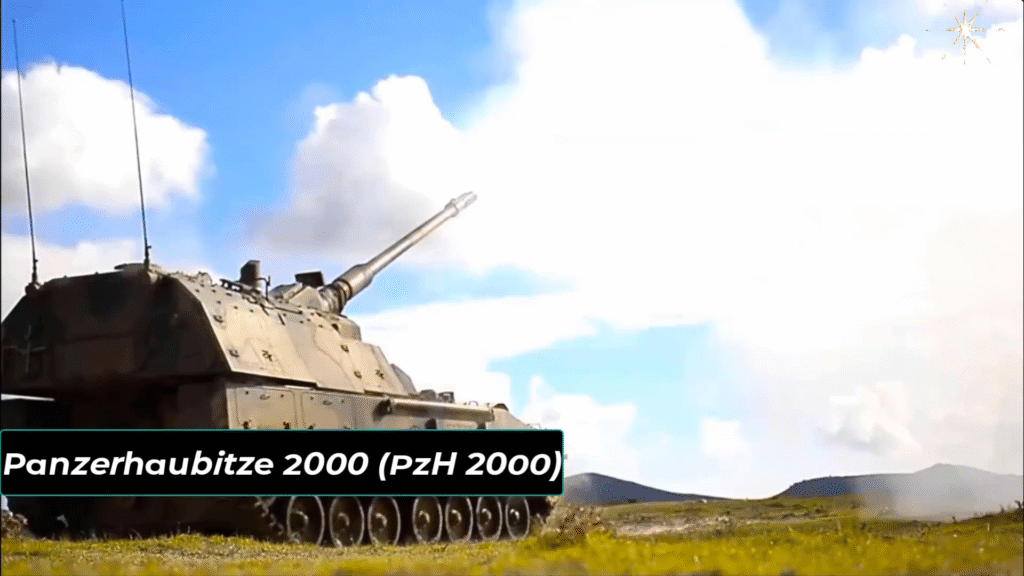
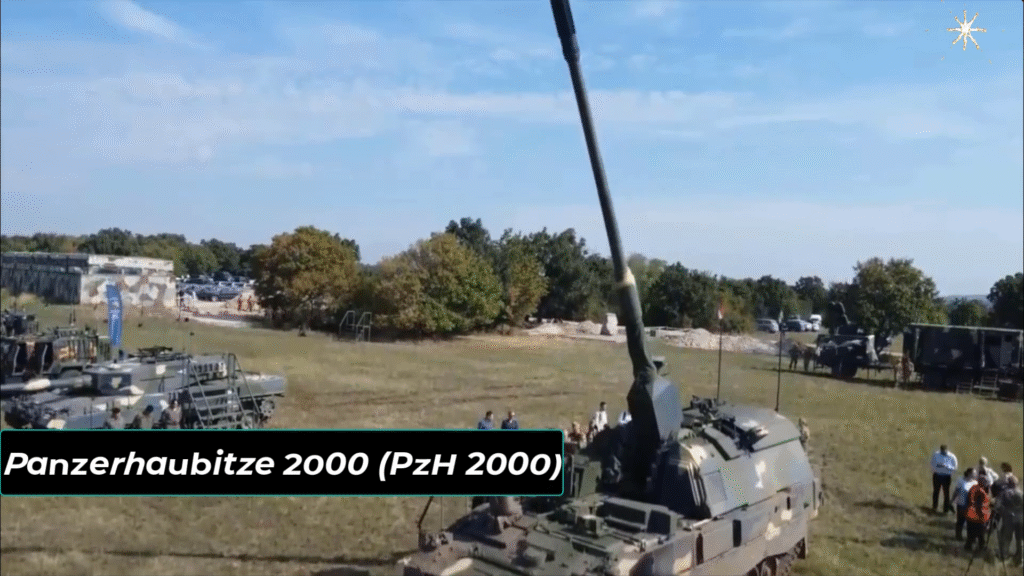
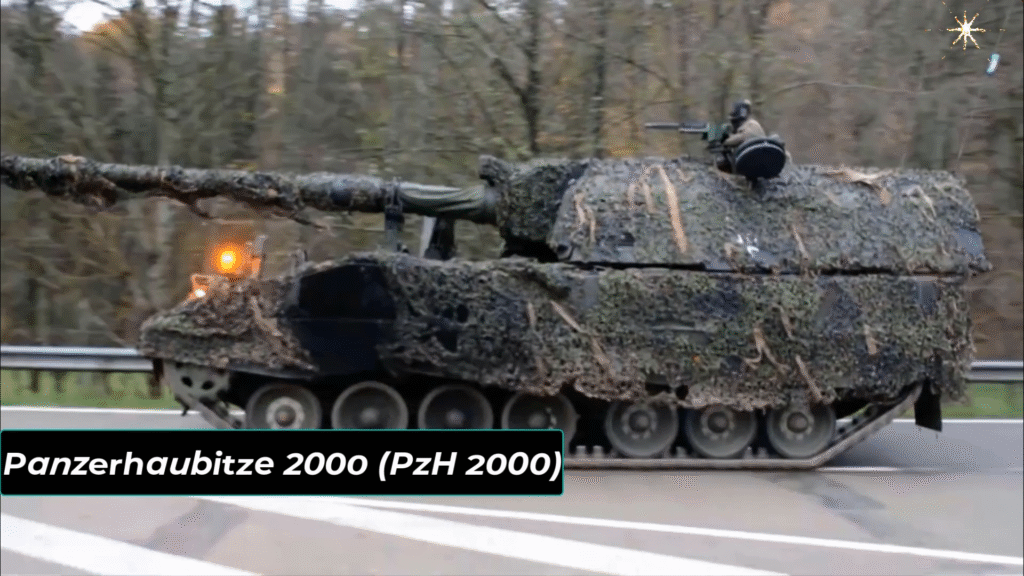
The centerpiece of the PzH 2000 is its 155 mm L52 howitzer, boasting a 52-caliber barrel length of around 8 meters.
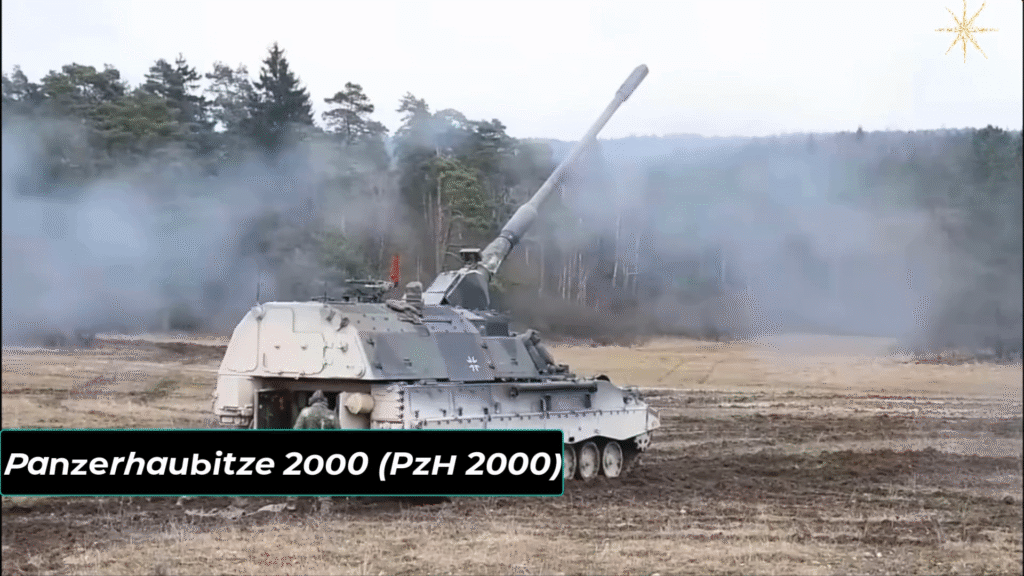
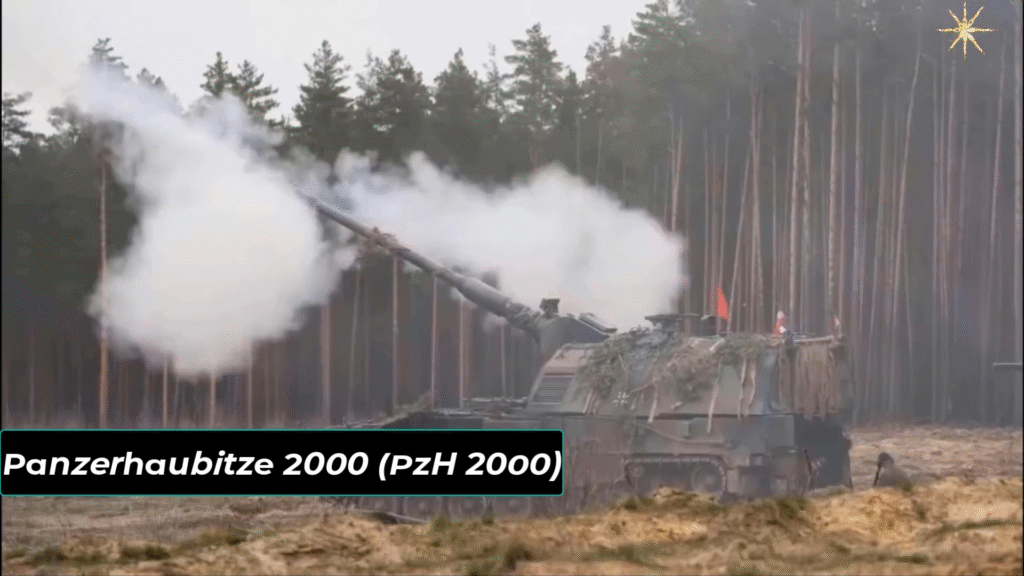
Burst and Sustained Rate of Fire
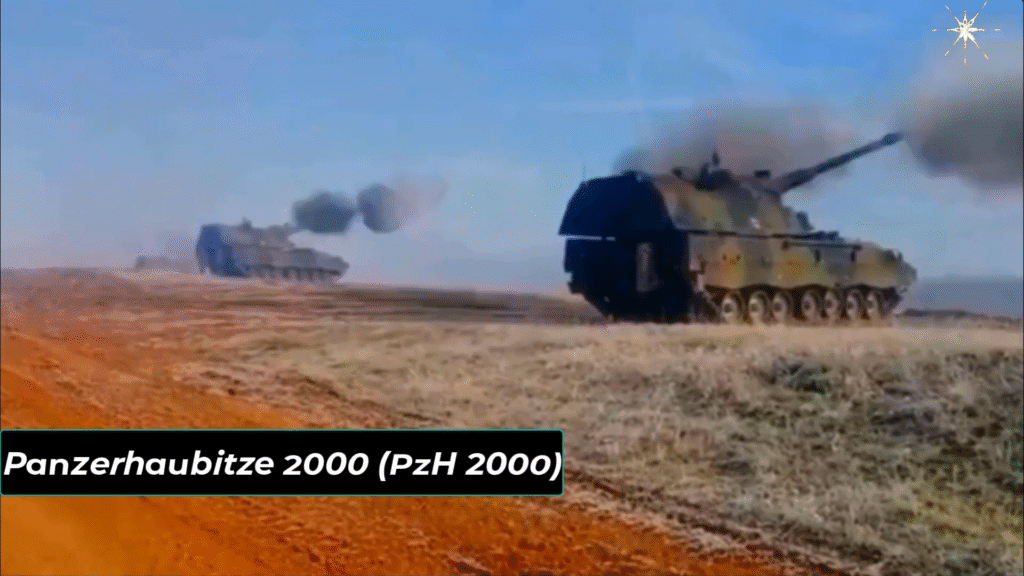
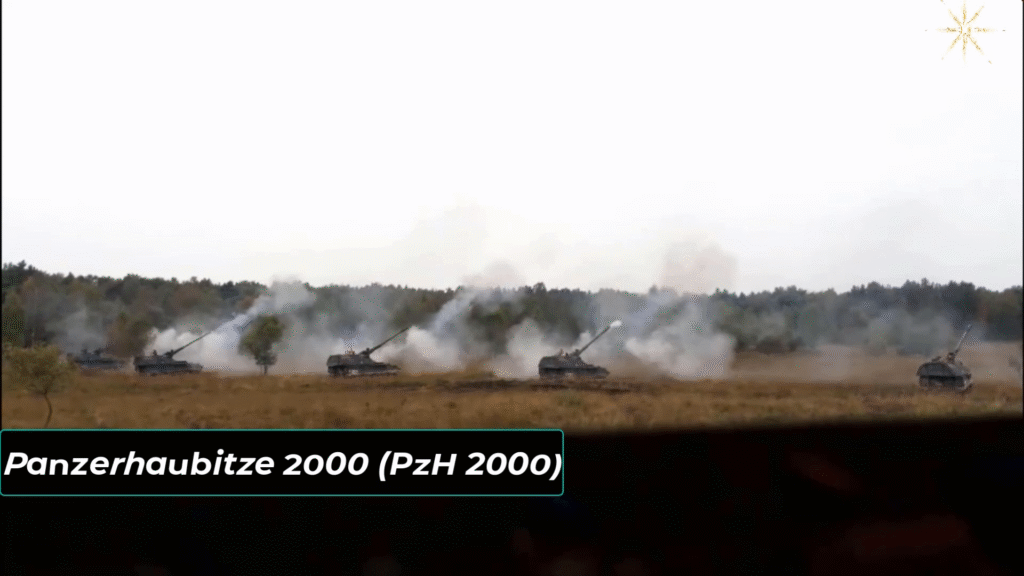
Its firing capabilities are remarkable. The system can unleash a burst of three rounds in nine seconds and sustain eight to ten rounds per minute without overloading the system.
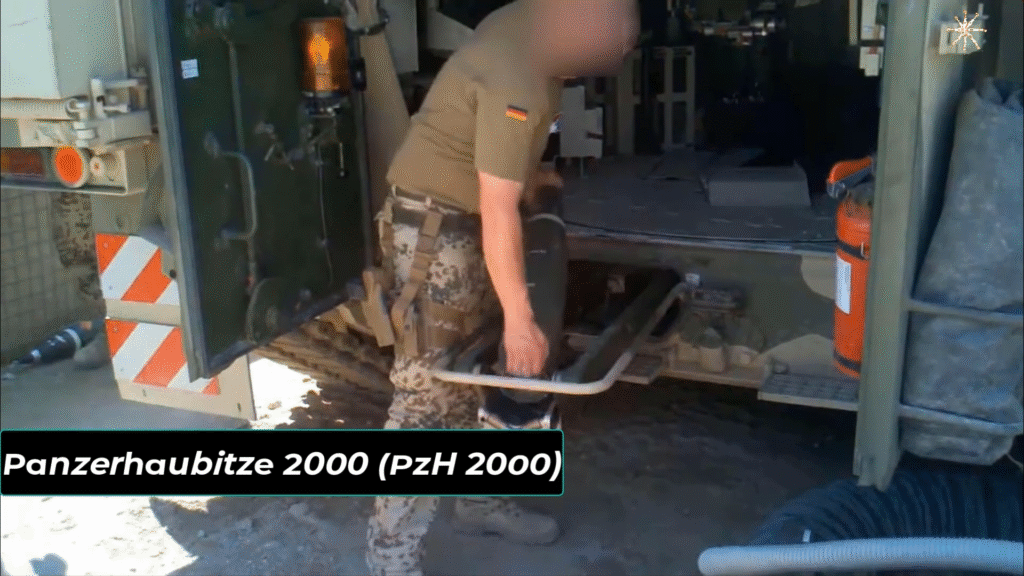
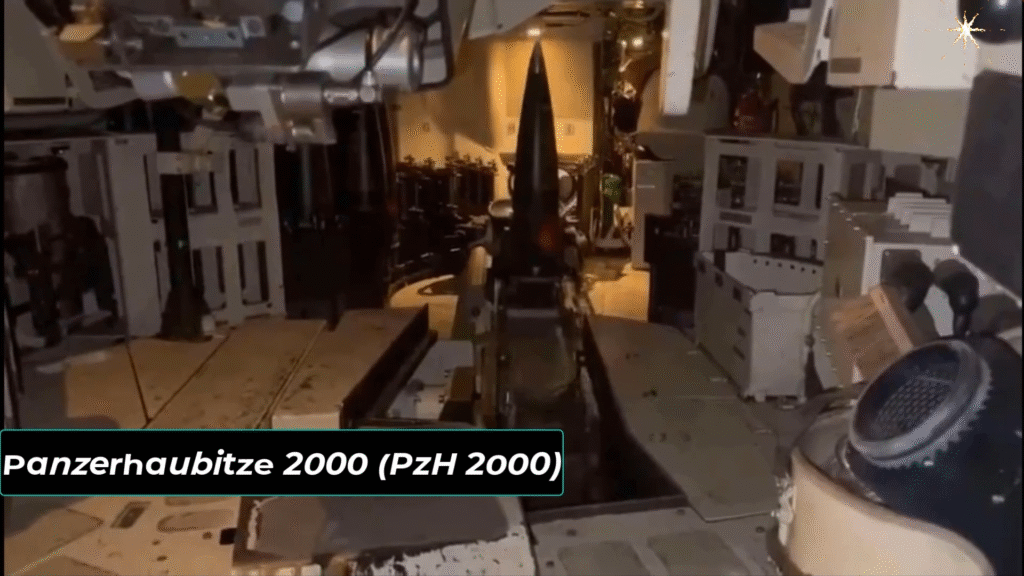
Ammunition Capacity and Storage
The vehicle carries 60 rounds of ammunition and 288 modular charges, providing the endurance needed for extended combat operations.
Range and Ammunition Types
Standard NATO Rounds
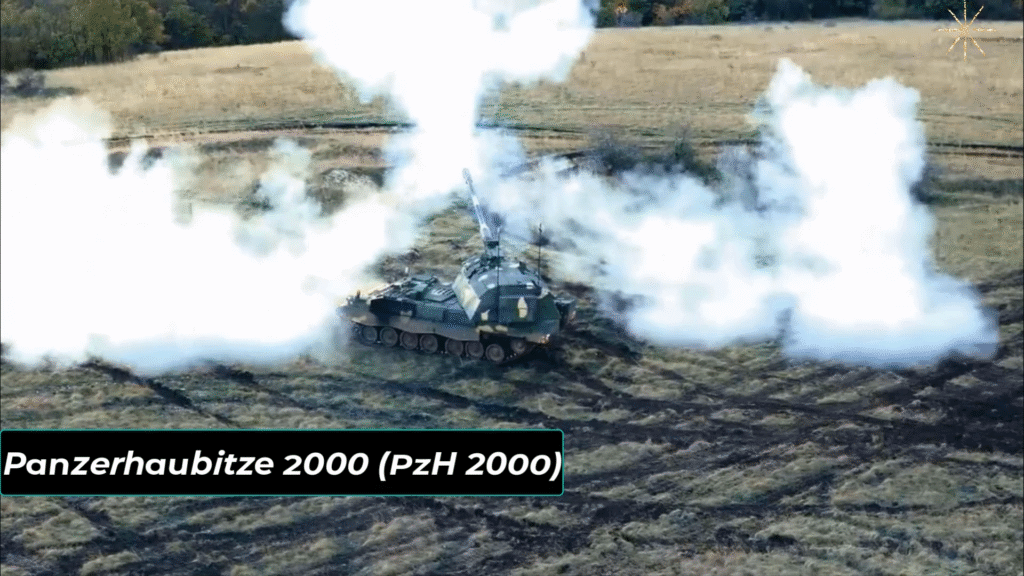
With conventional shells, the PzH 2000 achieves ranges of up to 30 km, already surpassing many legacy artillery systems.
Base Bleed and Rocket-Assisted Projectiles
Equipped with base bleed or rocket-assisted ammunition, the howitzer extends its reach to 40–56 km, enabling long-range precision strikes.
Precision-Guided Munitions (Vulcano, Excalibur)
Modern upgrades allow the PzH 2000 to fire precision-guided shells like the Vulcano and Excalibur, ensuring accurate hits on high-value targets while minimizing collateral damage.
Fire Control and Advanced Features
Computerized Fire-Control System
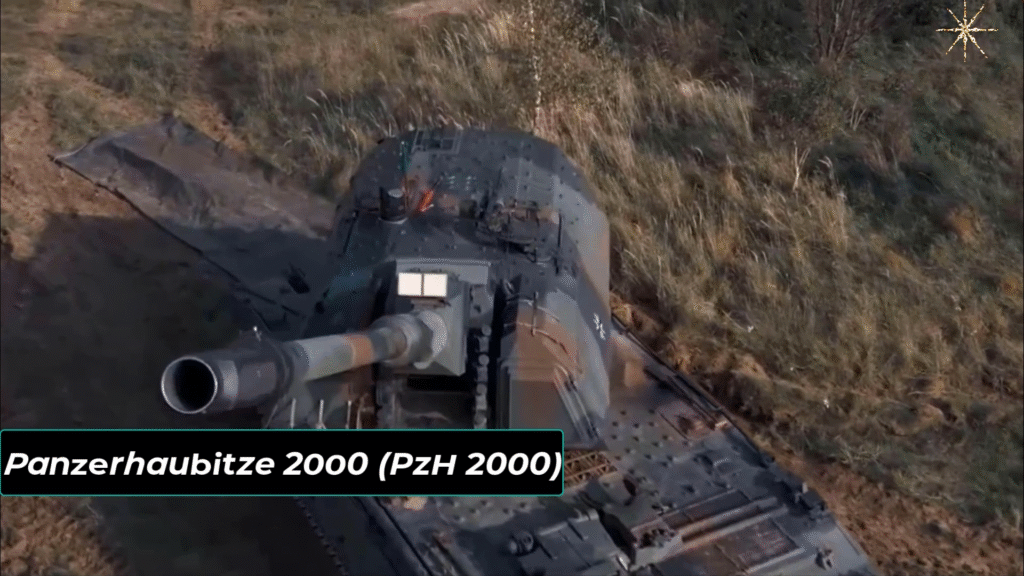
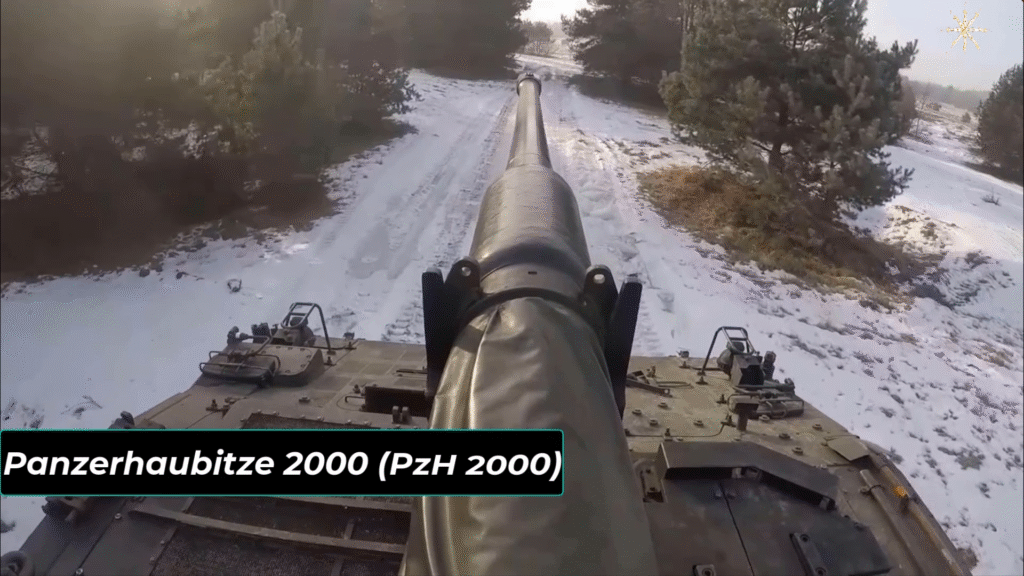
The PzH 2000 is equipped with a state-of-the-art computerized fire-control system that automates targeting and gun laying.
Multiple Round Simultaneous Impact (MRSI)
Its MRSI capability enables up to five shells to be fired along different trajectories, all landing on the target at the same moment.
Counter-Rocket, Artillery, and Mortar (C-RAM) Capabilities
The system can also perform C-RAM missions, engaging enemy rocket, artillery, and mortar positions with speed and precision.
Protection and Survivability
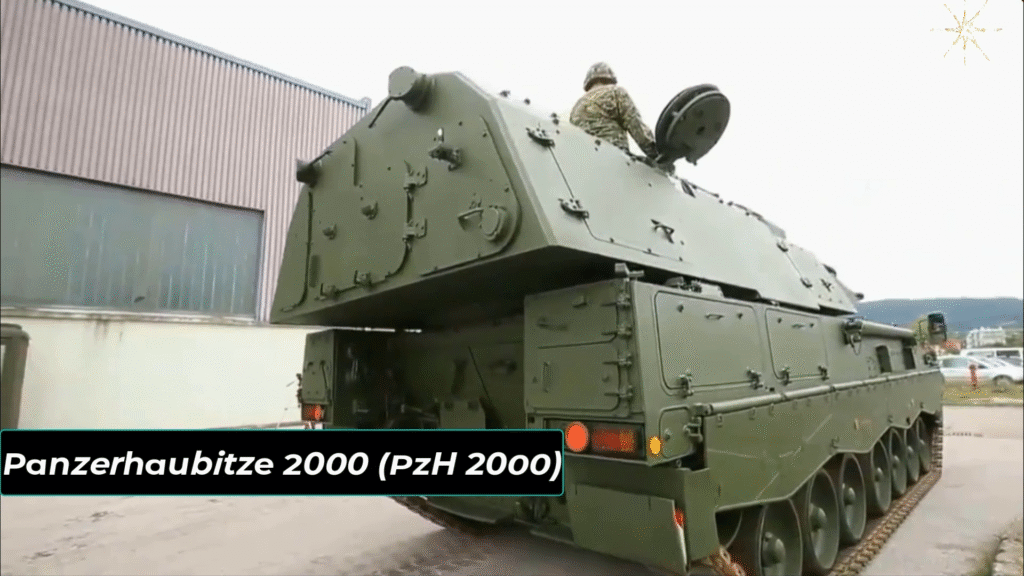
Armor and Structural Protection
The vehicle is built with welded steel armor, capable of withstanding small arms fire and artillery splinters.
NBC (Nuclear, Biological, Chemical) Defense Systems
It also includes an NBC protection system, allowing the crew to operate in hazardous environments.
Mobility and Engine Performance
MTU 881 KA-500 Diesel Engine
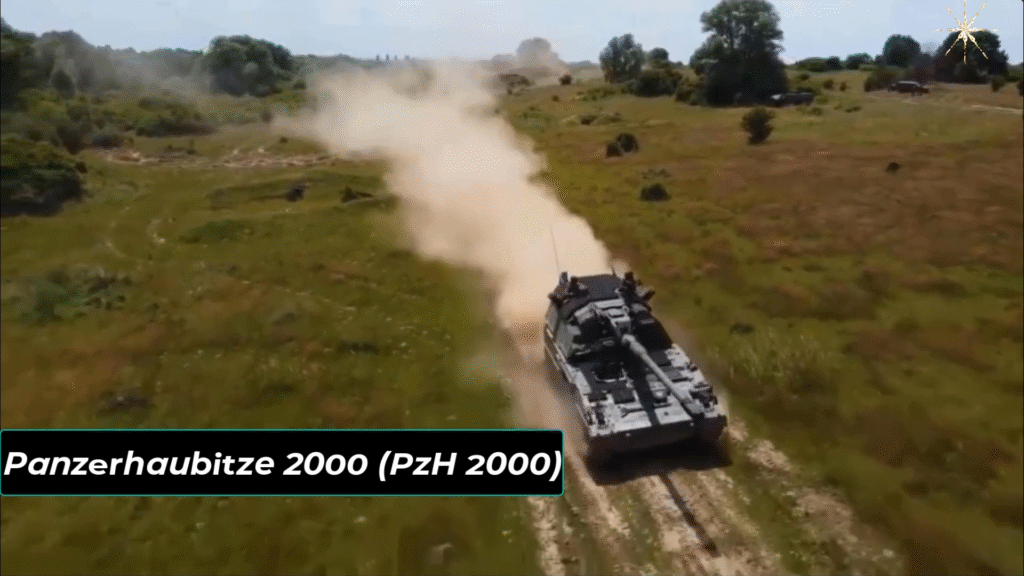
The PzH 2000 is powered by a 1,000 horsepower MTU 881 KA-500 diesel engine, providing both power and reliability.
Speed and Operational Range
It achieves speeds of up to 60 km/h on roads with a range of 420 km, giving it impressive battlefield mobility for a system of its size.
Operational Service and Combat History
Deployment in Afghanistan
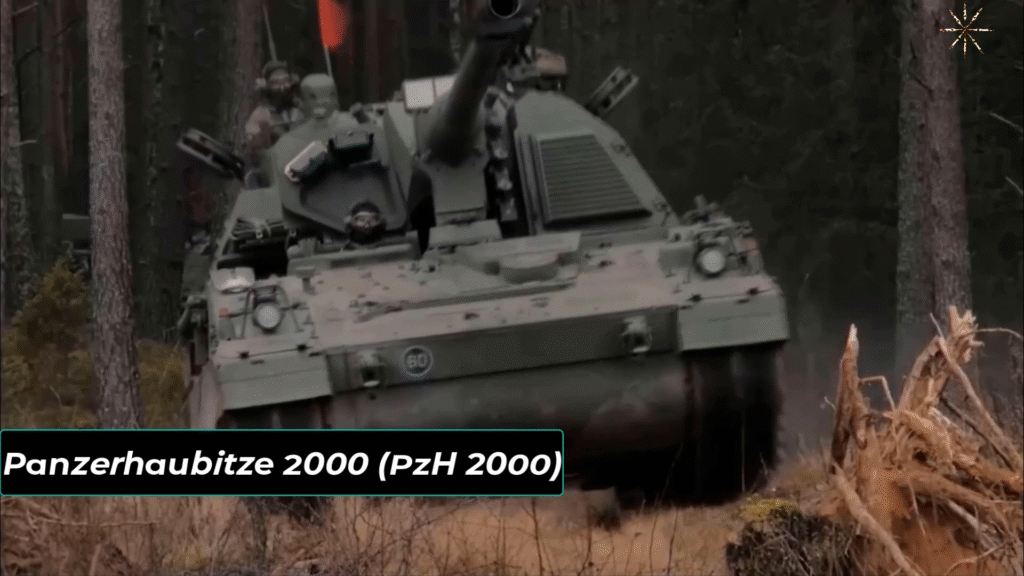
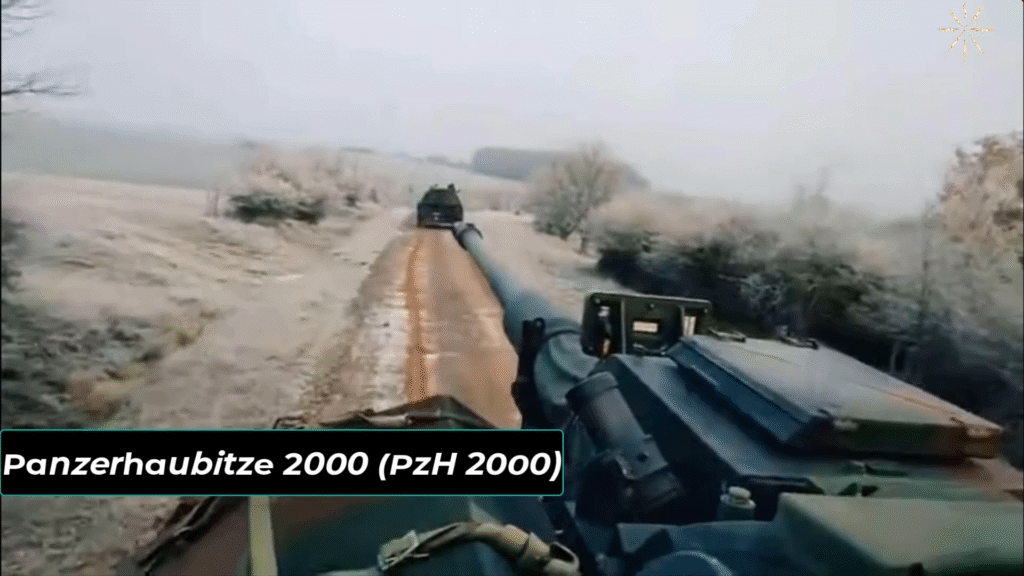
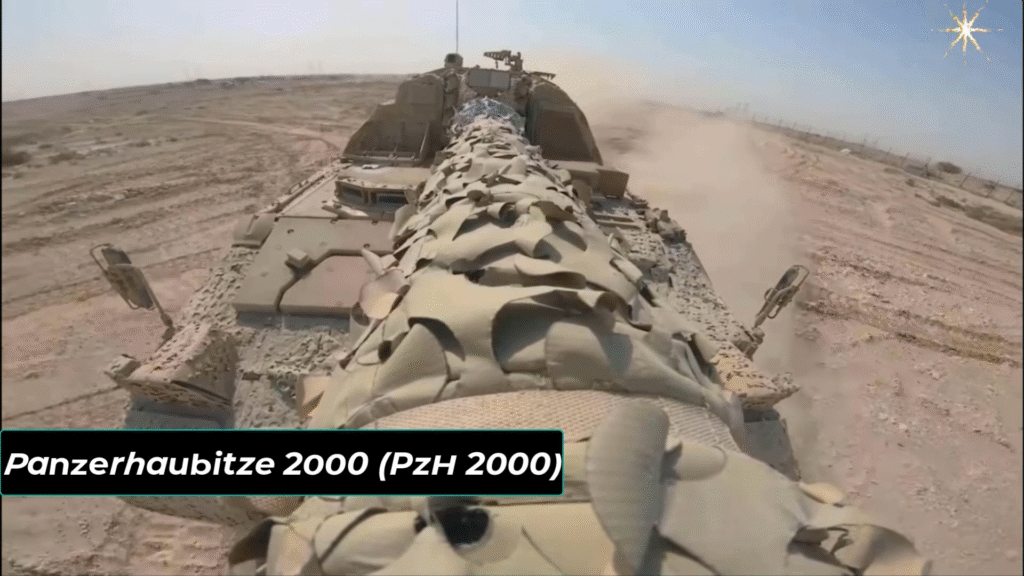
German and Dutch forces deployed the PzH 2000 in Afghanistan, where it proved effective in supporting NATO operations in challenging terrain.
Role in the Ukraine Conflict (2022–Present)
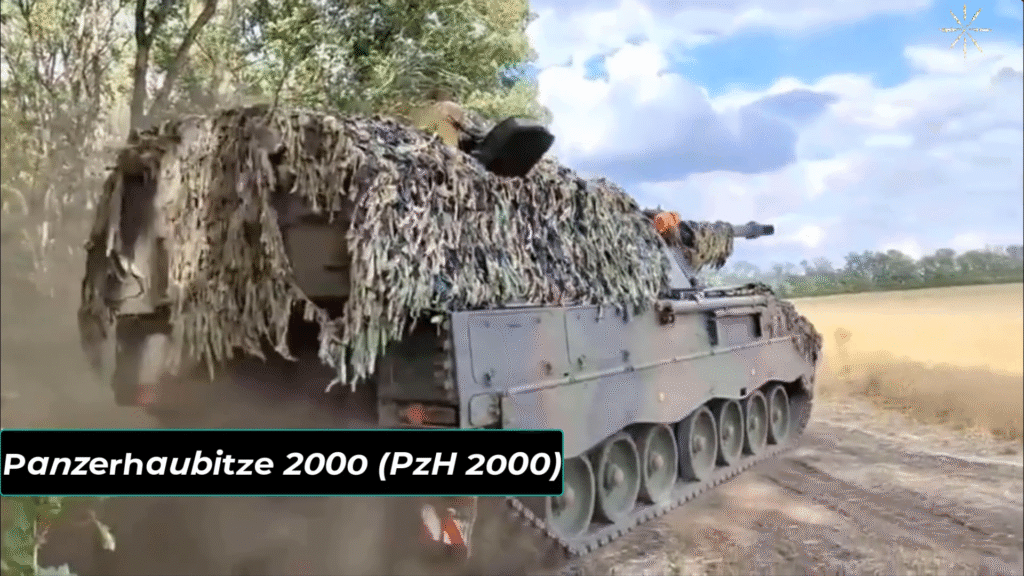
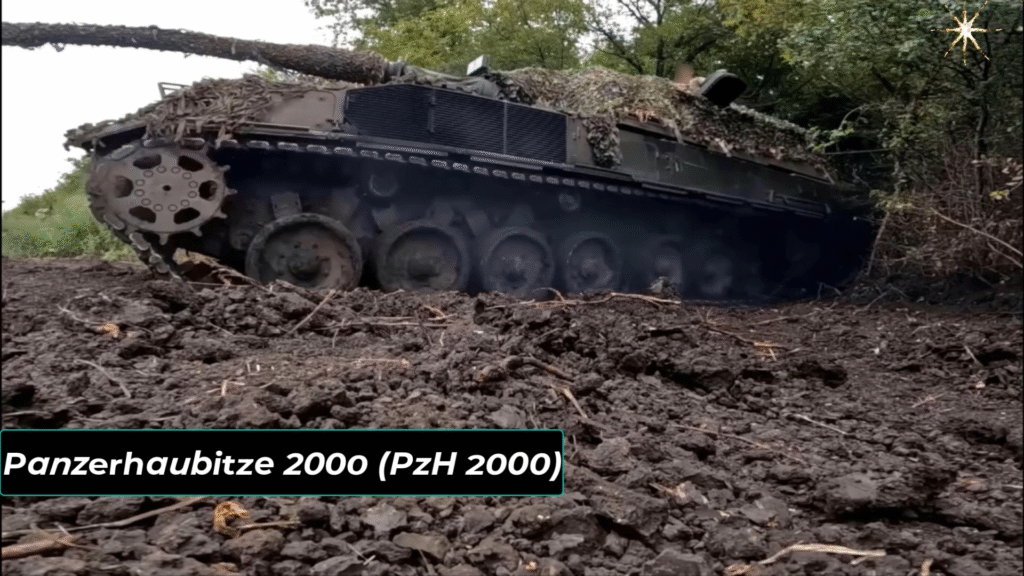
Since 2022, Ukraine has received units of the PzH 2000 from Germany and the Netherlands. The system has played a critical role in countering Russian artillery, earning praise for its precision and durability.
Global Operators and Export Success
Beyond Germany, nations such as Italy, Greece, Croatia, Lithuania, Hungary, Qatar, and Ukraine now operate the PzH 2000, highlighting its international appeal.
Strengths and Limitations
Key Advantages on the Battlefield
- Exceptional range and accuracy
- High rate of fire
- Automation reduces crew fatigue
- Proven combat record
Challenges and Criticisms
- High weight limits strategic mobility
- Expensive compared to alternatives
- Requires significant logistical support
Future Upgrades and Modernization Programs
KMW and Rheinmetall continue to upgrade the PzH 2000 with improved fire-control systems, digital networking, and compatibility with next-generation precision munitions.
FAQs About the Panzerhaubitze 2000
Q1: What makes the PzH 2000 unique compared to other howitzers?
It combines long range, high rate of fire, automation, and MRSI capabilities, making it one of the most advanced artillery systems in service.
Q2: How many shells can the PzH 2000 carry?
It carries 60 rounds of ammunition and 288 charges onboard.
Q3: Which countries currently use the PzH 2000?
Operators include Germany, Italy, the Netherlands, Greece, Croatia, Lithuania, Hungary, Qatar, and Ukraine.
Q4: How far can the PzH 2000 shoot?
It can fire up to 30 km with standard shells and 40–56 km with advanced ammunition.
Q5: Has the PzH 2000 seen combat?
Yes, it has been deployed in Afghanistan and is currently in active use in Ukraine.
Q6: What is the maximum rate of fire?
It can fire three rounds in nine seconds (burst) and eight to ten rounds per minute (sustained).
Conclusion
The Panzerhaubitze 2000 is more than just a howitzer—it’s a benchmark in modern artillery warfare. With its unmatched firepower, automation, and combat-proven reliability, it continues to set the standard for self-propelled artillery worldwide. As conflicts evolve and precision warfare becomes increasingly important, the PzH 2000 will remain a vital asset in the arsenals of NATO and allied nations.