RM-70 (Raketomet vzor 1970): History, Capabilities, and Global Deployment
Introduction to the RM-70
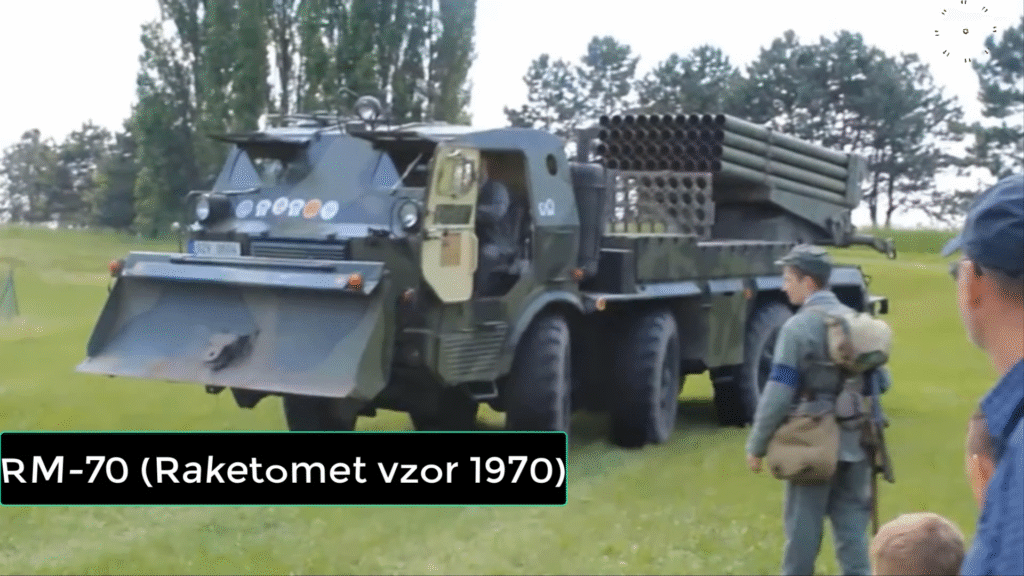
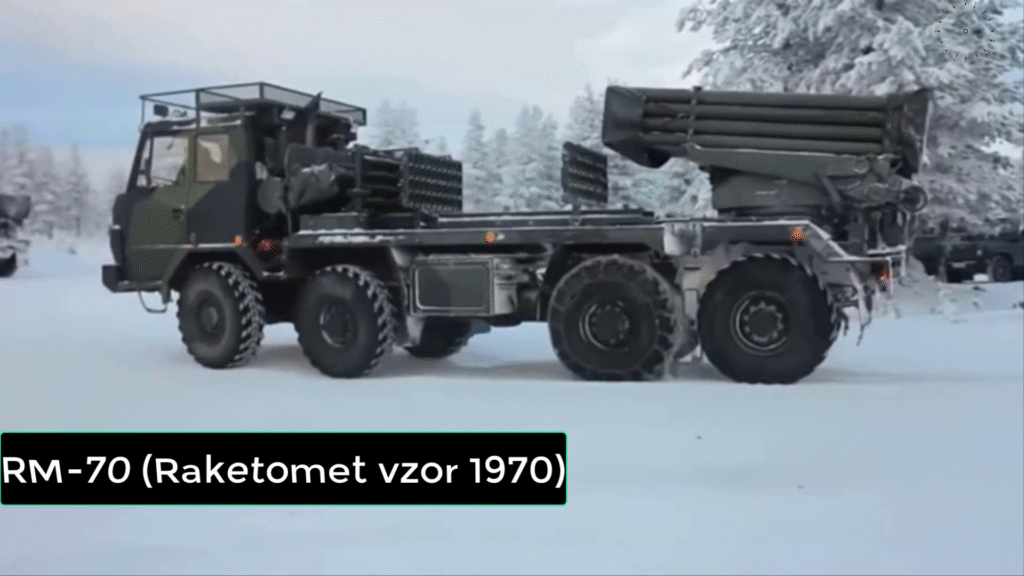
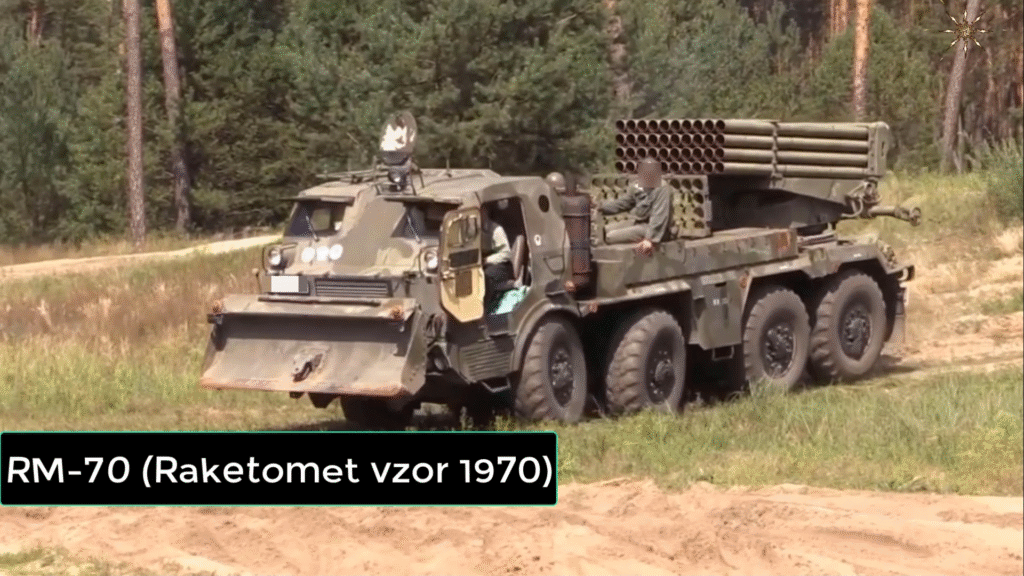
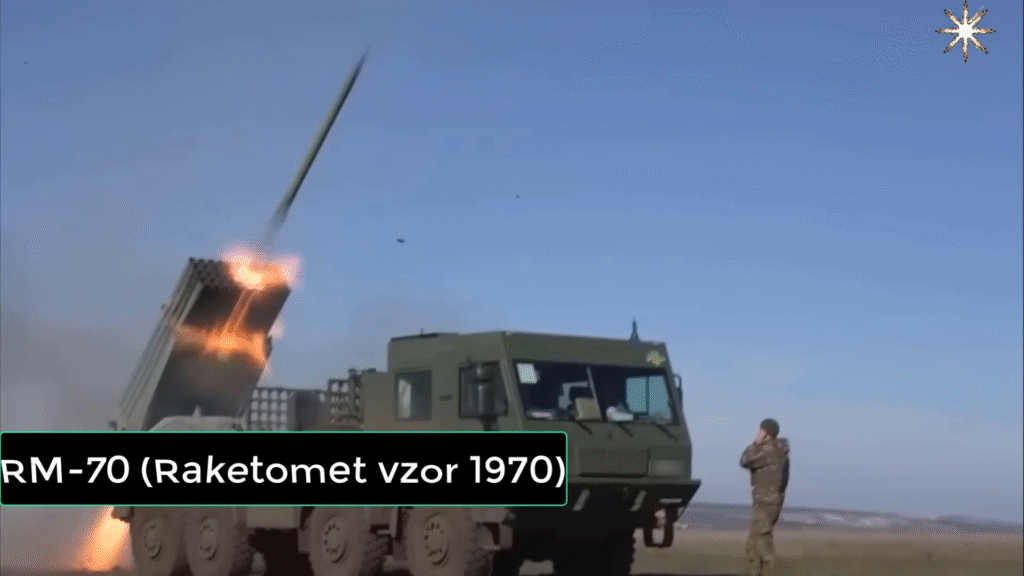
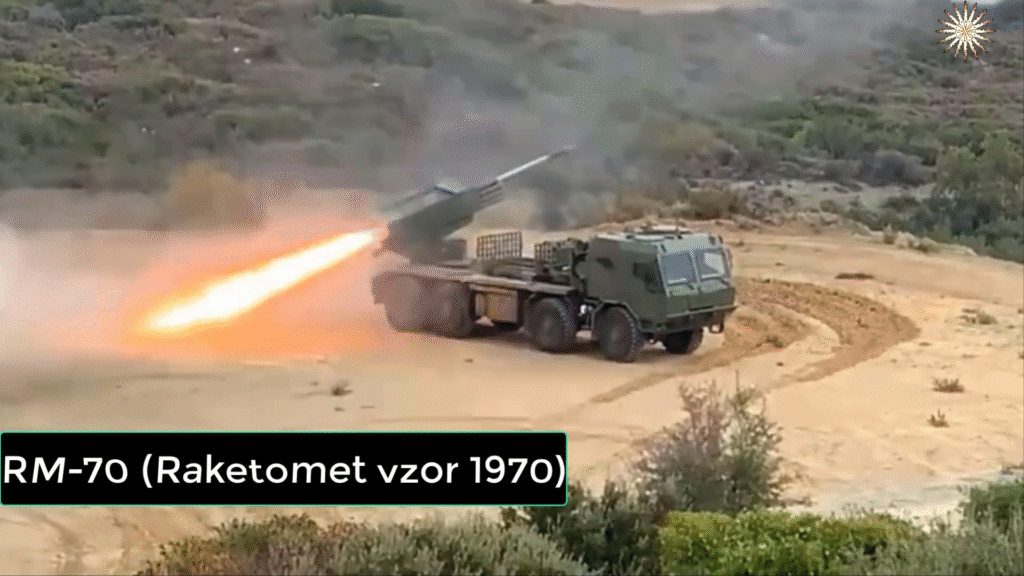
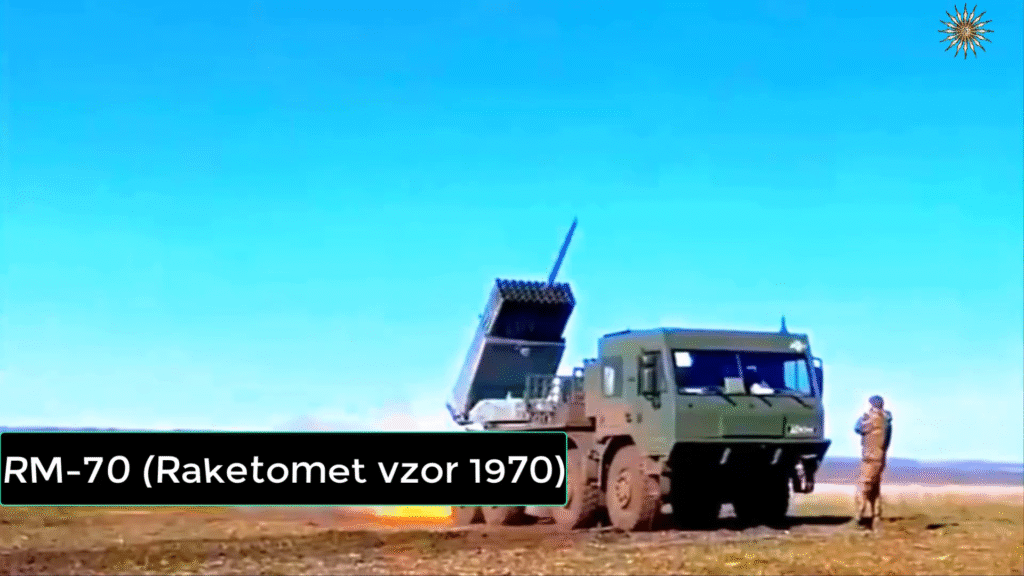
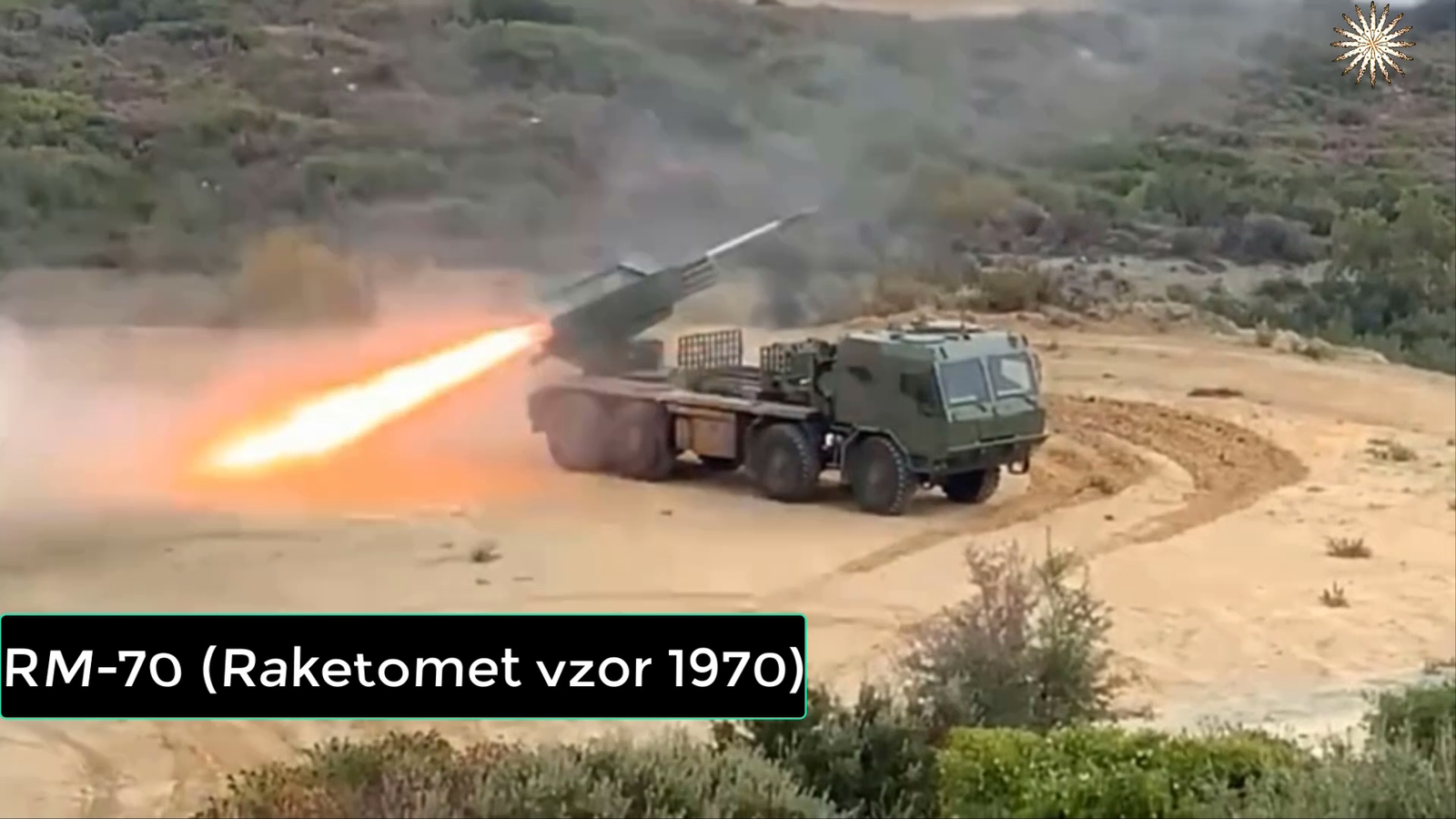
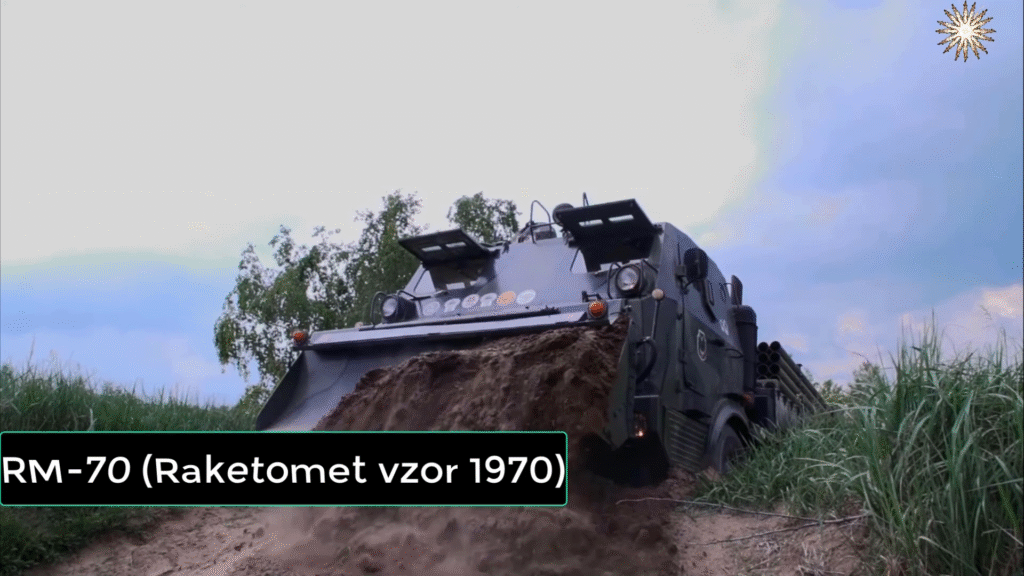
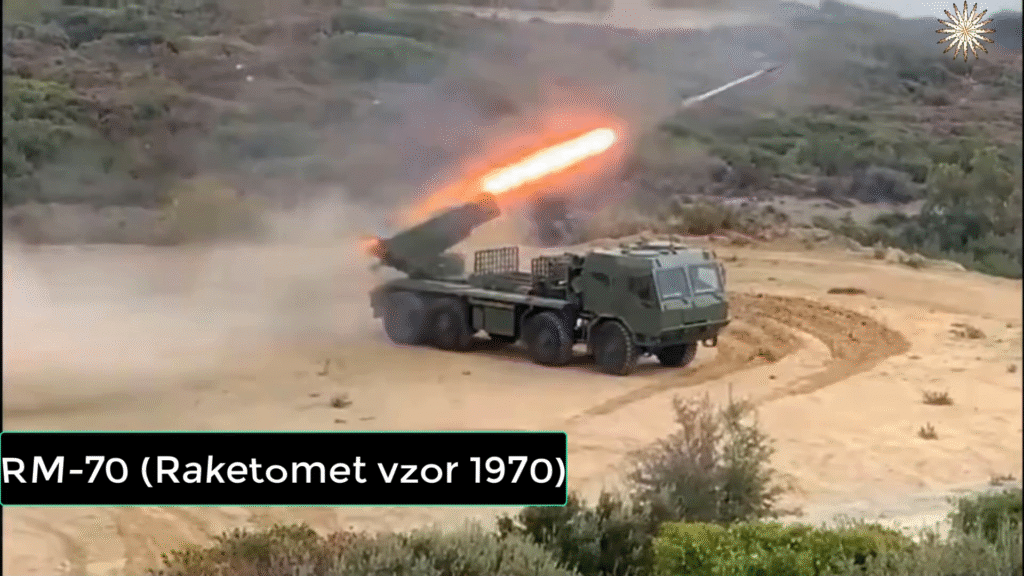
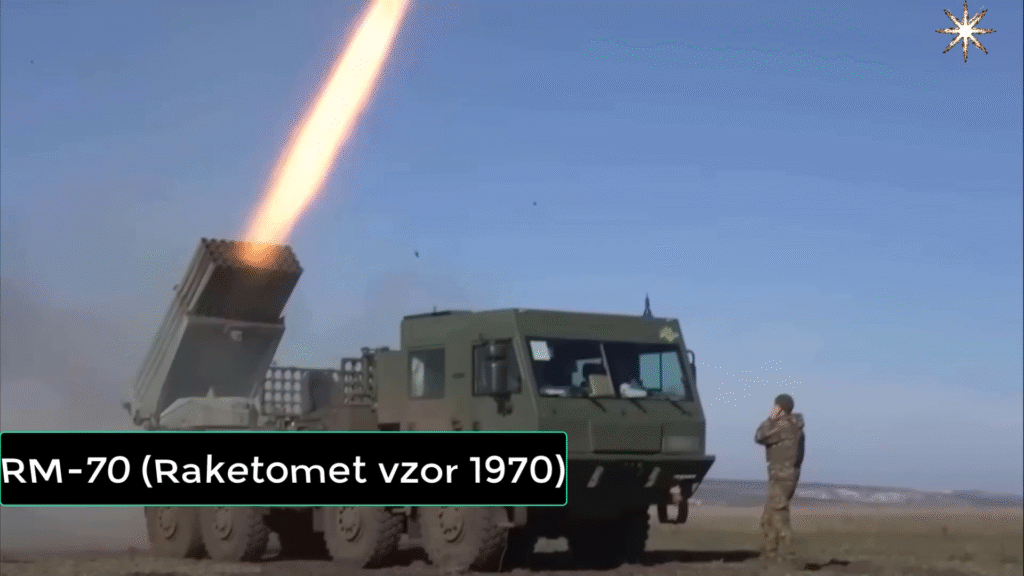
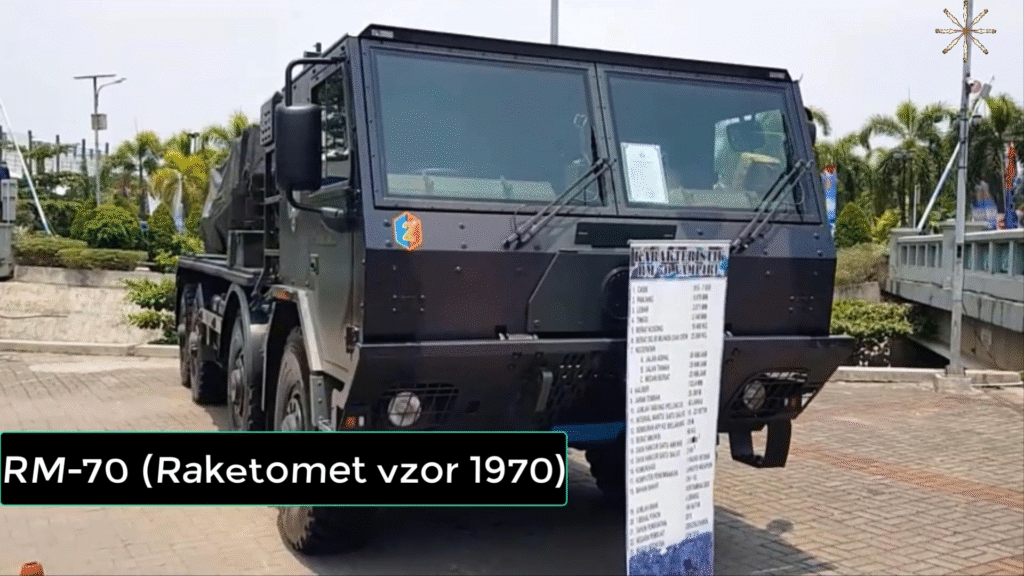
The RM-70 (Raketomet vzor 1970) is a multiple launch rocket system (MLRS) developed by Czechoslovakia during the Cold War. Introduced in 1972, it was designed as a heavier, more mobile, and faster-reloading alternative to the Soviet BM-21 Grad. Built on the robust Tatra 8×8 heavy truck chassis, the RM-70 has proven to be one of the most enduring artillery systems of the modern era.
Even today, the RM-70 and its upgraded variants remain in service worldwide, actively used in conflicts such as the Russo-Ukrainian War.
Origins and Development During the Cold War
The Need for a BM-21 Grad Alternative
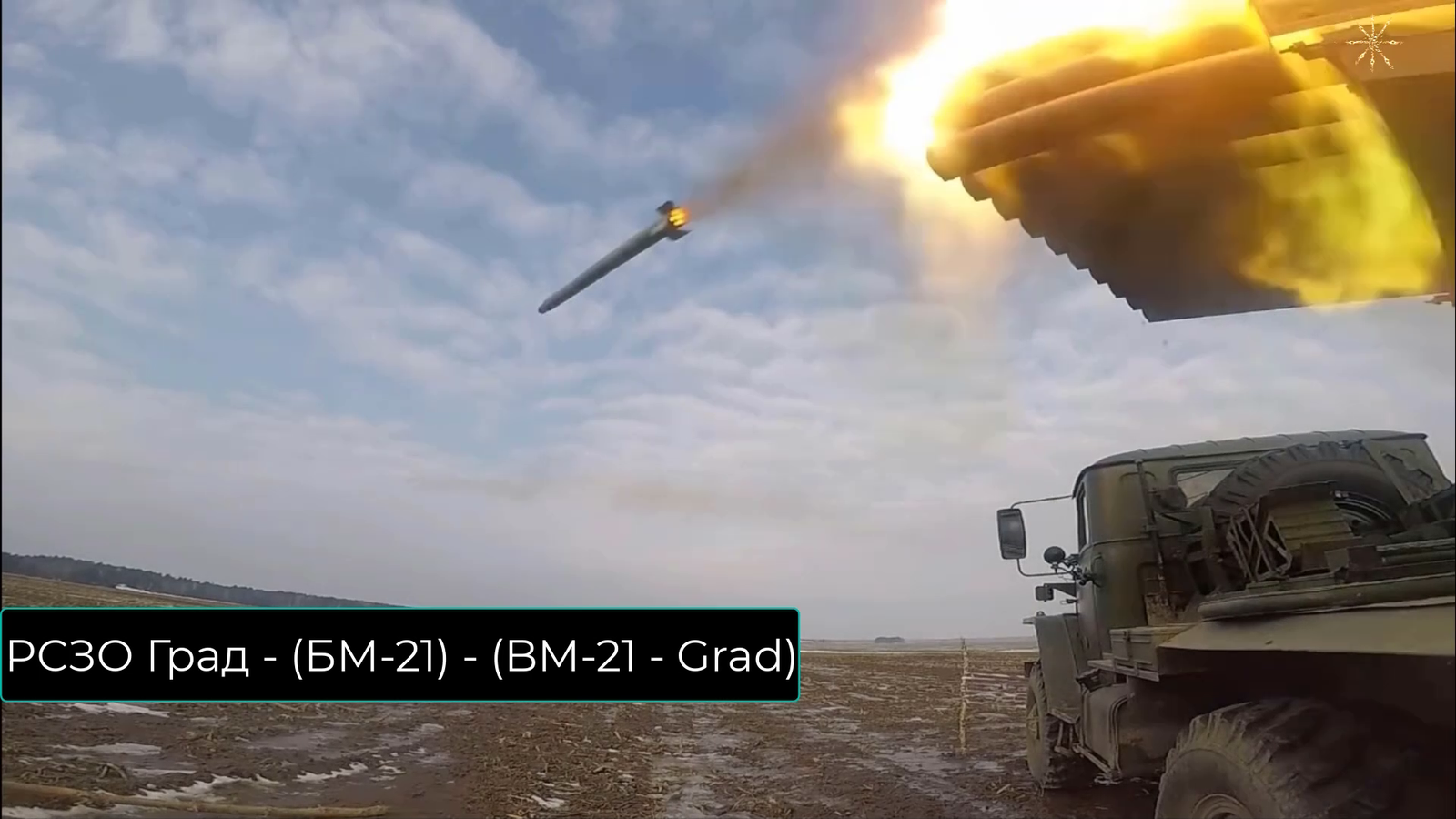
While the BM-21 Grad was a revolutionary rocket artillery system for its time, Czechoslovakia sought to improve its mobility, survivability, and reload speed. The RM-70 addressed these weaknesses while keeping compatibility with 122 mm rockets.
Role of Czechoslovakia in MLRS Innovation
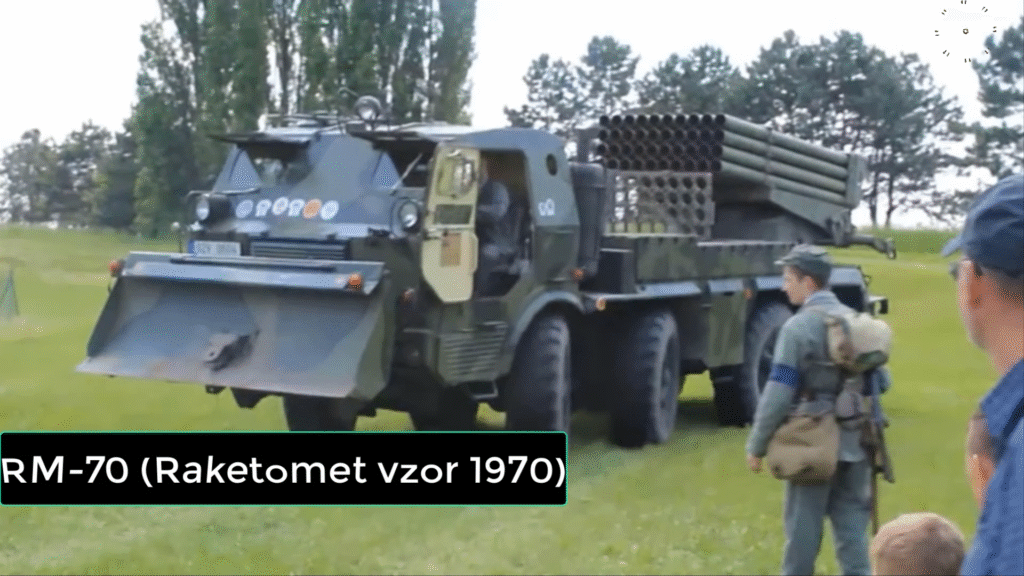
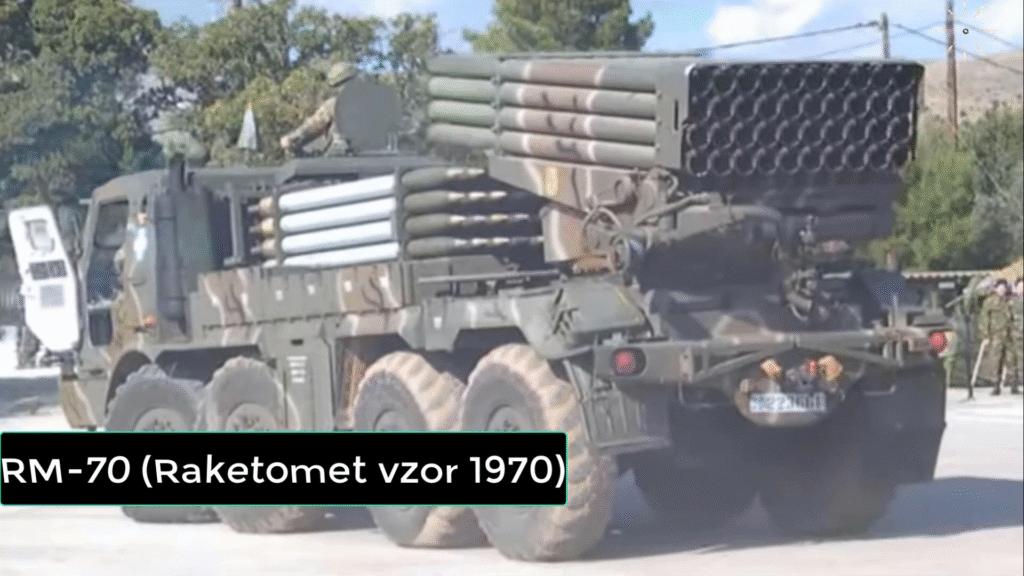
Czechoslovak engineers combined Soviet rocket technology with the Tatra T813 8×8 chassis, which offered exceptional off-road mobility and a unique reload system carrying an additional 40 rockets. This innovation gave the RM-70 a tactical edge on the battlefield.
Key Specifications of the RM-70
Launcher and Armament
- Caliber: 122 mm rockets
- Launch Tubes: 40 (arranged in a 4×10 grid)
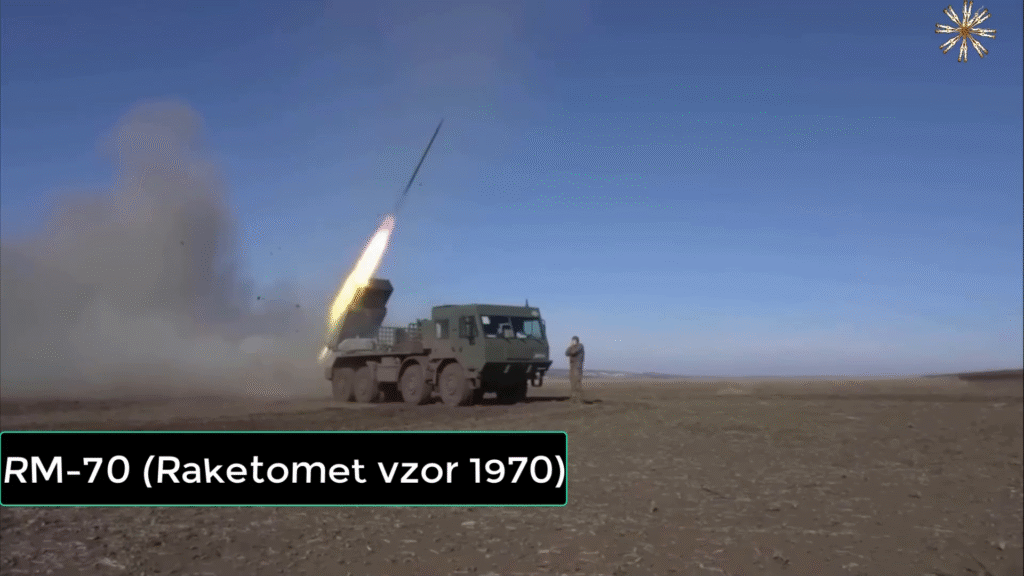
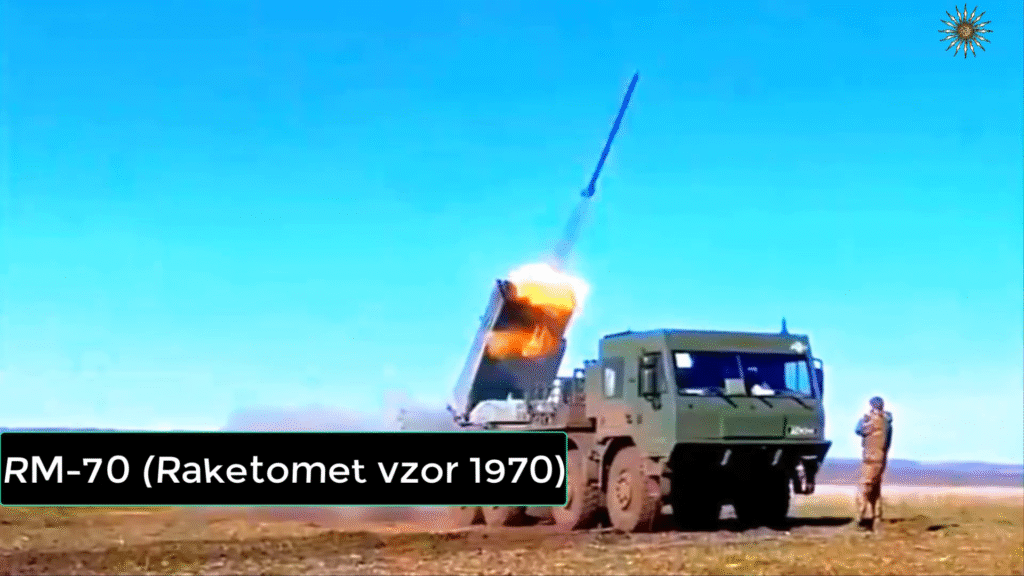
- Rate of Fire: 40 rockets in 20 seconds
Reloading System Advantage
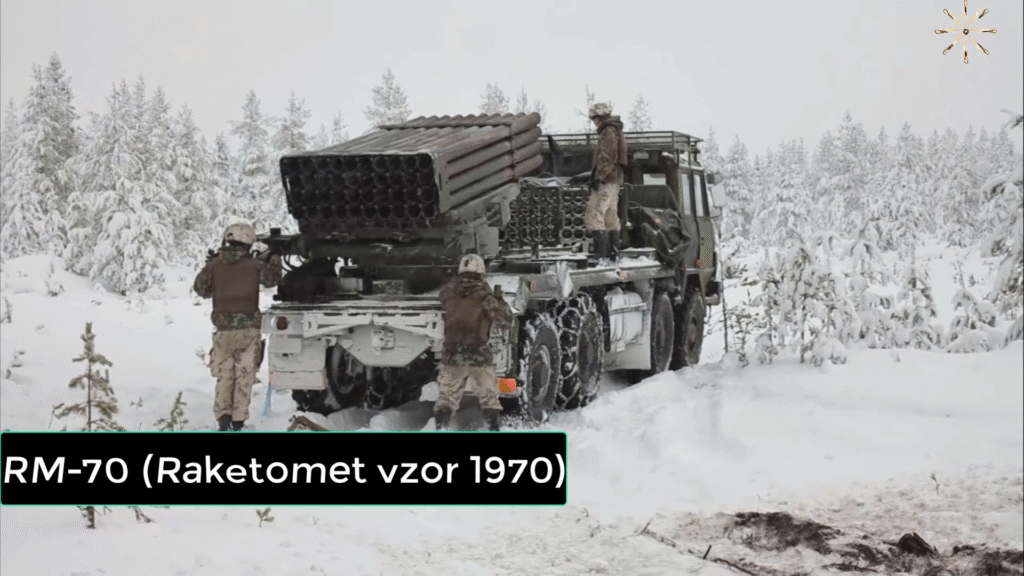
Unlike the BM-21, the RM-70 carried an extra reload pack of 40 rockets, allowing for fast reloading in ~2 minutes with an onboard crane.
Crew and Protection
- Crew: 4–6 personnel
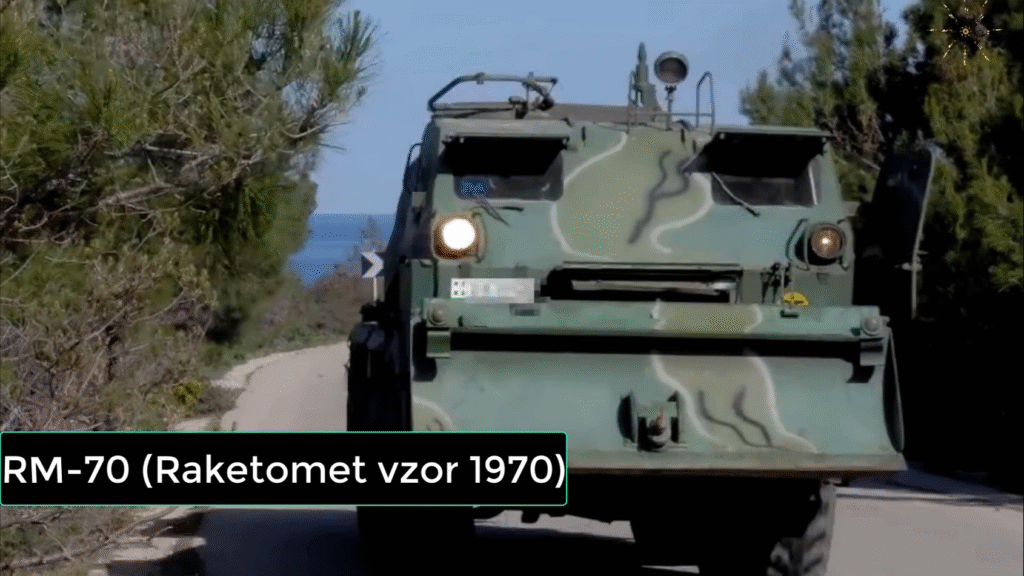
- Cabin: Modern variants feature armored protection against small arms fire and shrapnel
Mobility and Speed
- Chassis: Tatra T813, later T815 and T815-7
- Speed: 75–85 km/h
- Range: ~1,000 km without refueling
- Mobility: Outstanding off-road performance thanks to Tatra’s design
Range and Firepower
- Standard Rockets: ~20 km
- Extended-Range Rockets: Up to 40 km
- RM-70 Modular: Capable of firing NATO 227 mm rockets with ranges up to 80 km
Variants of the RM-70
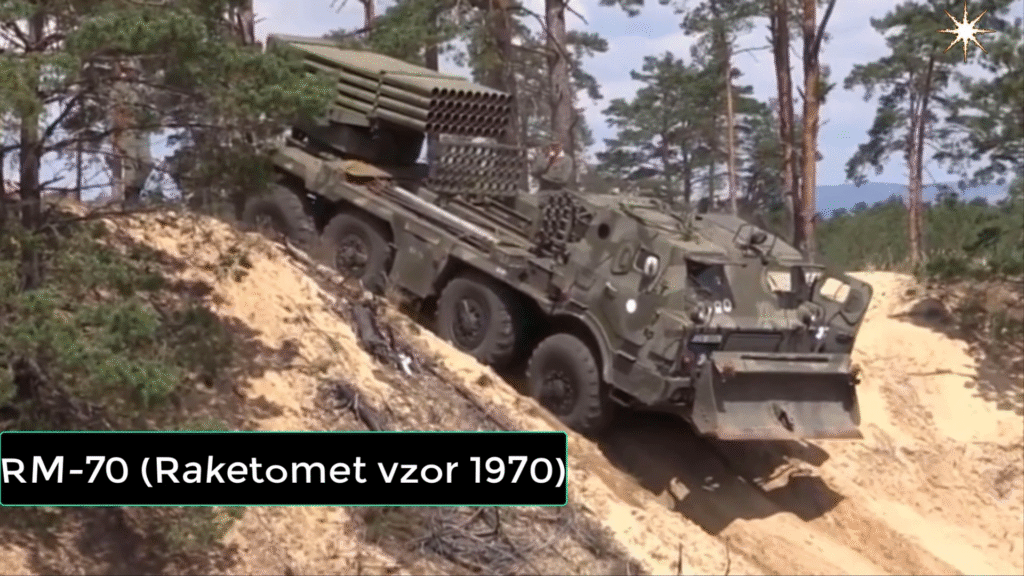
RM-70/85
An upgraded model on the Tatra T815 chassis with improved mobility.
RM-70/85M
Enhanced with modern fire-control and navigation systems.
RM-70 Modular
Developed in Slovakia, capable of firing both 122 mm rockets and NATO 227 mm rockets.
RM-70 Vampire
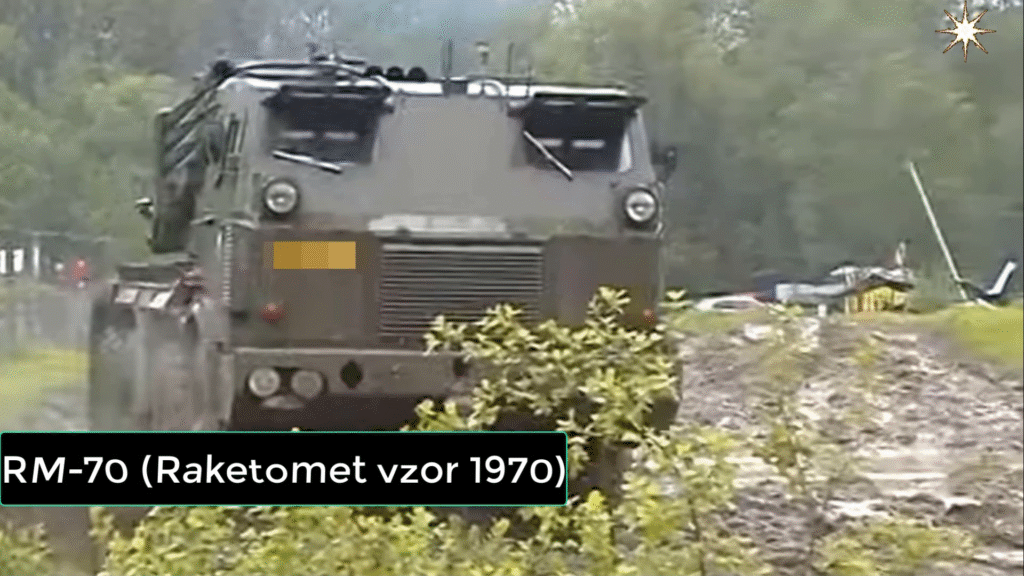
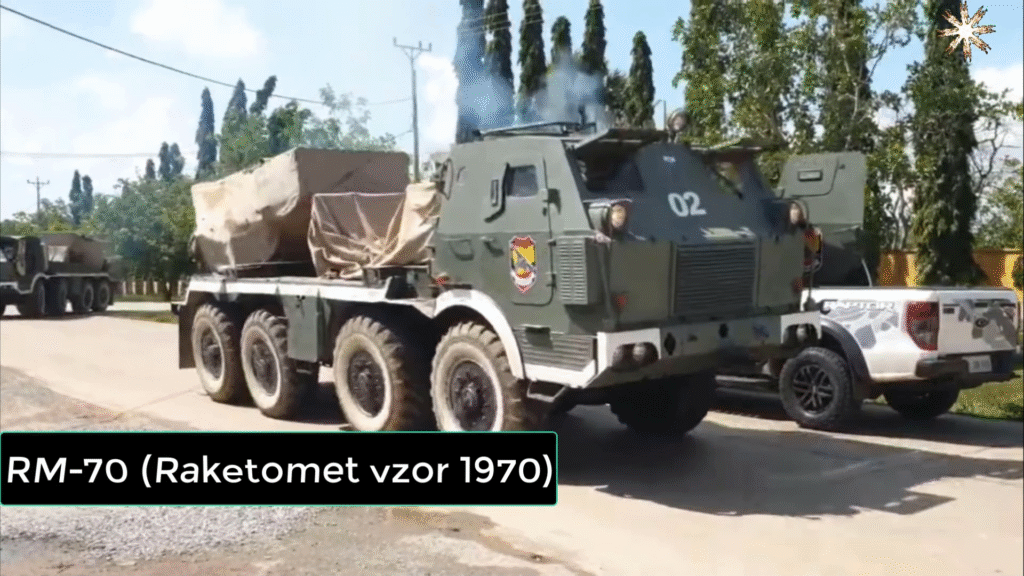
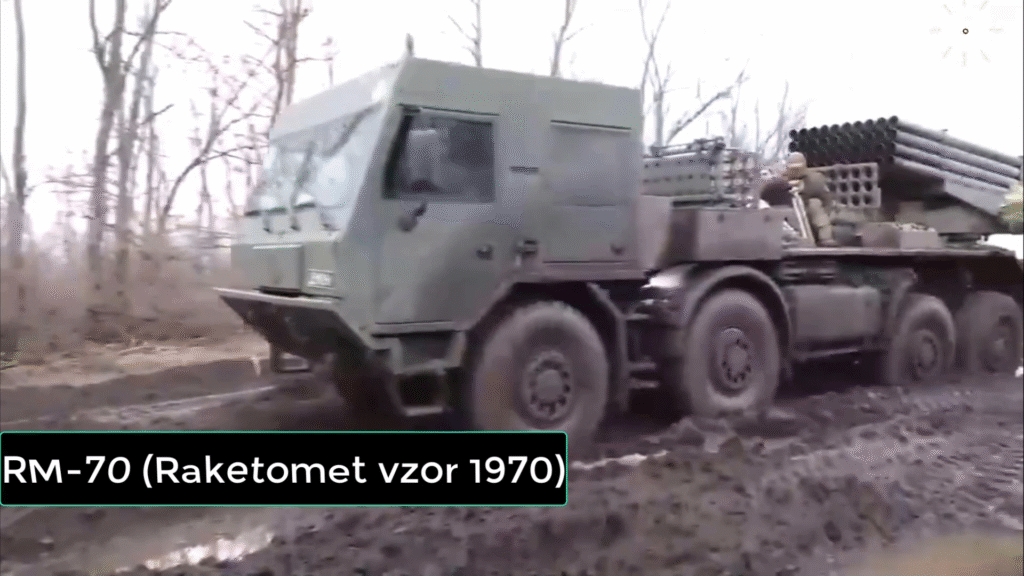
Modernized on the Tatra 815-7 chassis, featuring GPS navigation, armored cabins, and advanced fire-control systems.
Deployment History
Cold War Era Service
- Entered service in 1972 with the Czechoslovak People’s Army.
- Exported widely across Warsaw Pact nations and friendly states.
Post–Cold War Modernization
- After 1993, both Slovakia and the Czech Republic inherited RM-70s.
- Slovakia developed advanced variants (Modular, Vampire).
- Czech Republic phased out most systems.
Notable Conflicts Involving RM-70
- Angolan Civil War (1970s–2002)
- Iran–Iraq War (1980–1988)
- Sri Lankan Civil War (1980s–2009)
- War in Donbas (2014–2022)
- Russo-Ukrainian War (2022–present, Ukrainian forces using RM-70 Vampire donated by Slovakia)
Current Global Operators
The RM-70 is still widely used across Europe, Asia, Africa, and Latin America.
Summary Table of Operators
| Country | Units |
|---|---|
| Angola | 40 |
| Cambodia | 18 (Vampire) |
| Finland | 20 |
| Georgia | 6 |
| Greece | 34 |
| Indonesia | 18 |
| Iran | 108 |
| Lebanon | 17 (9 + 8 Vampire) |
| Myanmar | 7 |
| Poland | 29 |
| Rwanda | 5 |
| Slovakia | 30 (4 RM-70 + 26 Modular) |
| Sri Lanka | 22 |
| Uganda | 6 |
| Ukraine | 20 Vampire (some destroyed) |
| Uruguay | 60 |
System Capabilities in Modern Warfare
Advantages Over BM-21 Grad
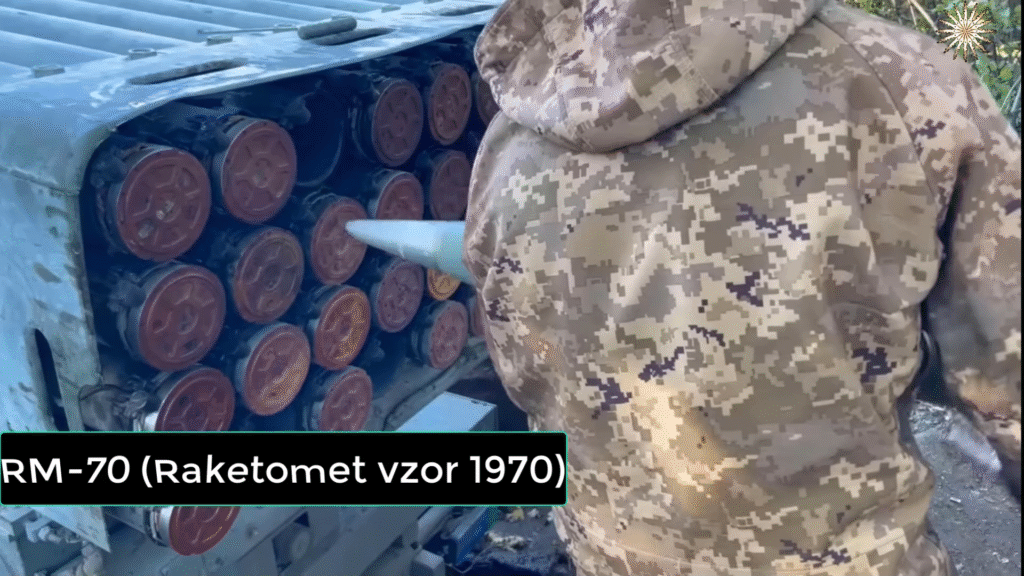
- Faster reload system
- Longer operational range
- Superior off-road mobility
NATO Interoperability
The RM-70 Modular fires NATO-standard 227 mm rockets, making it adaptable for alliance operations.
Battlefield Survivability
Armored variants like the Vampire increase crew protection and survivability in modern combat zones.
RM-70 vs Other MLRS Systems
Comparison with Soviet BM-21 Grad
- RM-70 offers better mobility and reload speed.
- Both systems share 122 mm rocket compatibility.
Comparison with NATO M270 MLRS
- M270 has longer range and precision, but RM-70 is simpler, cheaper, and easier to maintain.
- RM-70 Modular bridges this gap by firing NATO 227 mm rockets.
Strategic Importance Today
The RM-70 remains relevant due to its flexibility, affordability, and modernization potential. In Ukraine, its Vampire variant has played an active role in counter-battery fire against Russian artillery.
Frequently Asked Questions (FAQs)
1. What rockets does the RM-70 use?
The RM-70 primarily fires 122 mm rockets, but modern variants like the RM-70 Modular can also launch NATO-standard 227 mm rockets.
2. How fast can the RM-70 reload compared to the BM-21?
The RM-70 can reload in about 2 minutes using its onboard reload pack, while the BM-21 requires 15+ minutes for manual reloading.
3. What is the maximum range of the RM-70?
With standard rockets, the range is ~20 km, while extended-range munitions reach 40 km. The RM-70 Modular can fire NATO rockets with ranges of 70–80 km.
4. Is the RM-70 still in active use?
Yes, it remains in service across Europe, Asia, Africa, and Latin America, with modernized versions actively used in Ukraine.
5. How many RM-70 units does Ukraine currently operate?
As of 2025, Ukraine operates around 20 RM-70 Vampire systems, though several have been destroyed in combat.
6. Why is the RM-70 considered superior to the BM-21?
It offers greater mobility, faster reload times, extended range, and improved protection in modernized variants.
Conclusion
The RM-70 (Raketomet vzor 1970) is more than just a Cold War relic. It represents a successful adaptation of Soviet rocket technology, optimized for mobility, survivability, and modernization. Decades after its introduction, it continues to shape global artillery strategies, proving that innovative design can outlast generations of warfare technology.